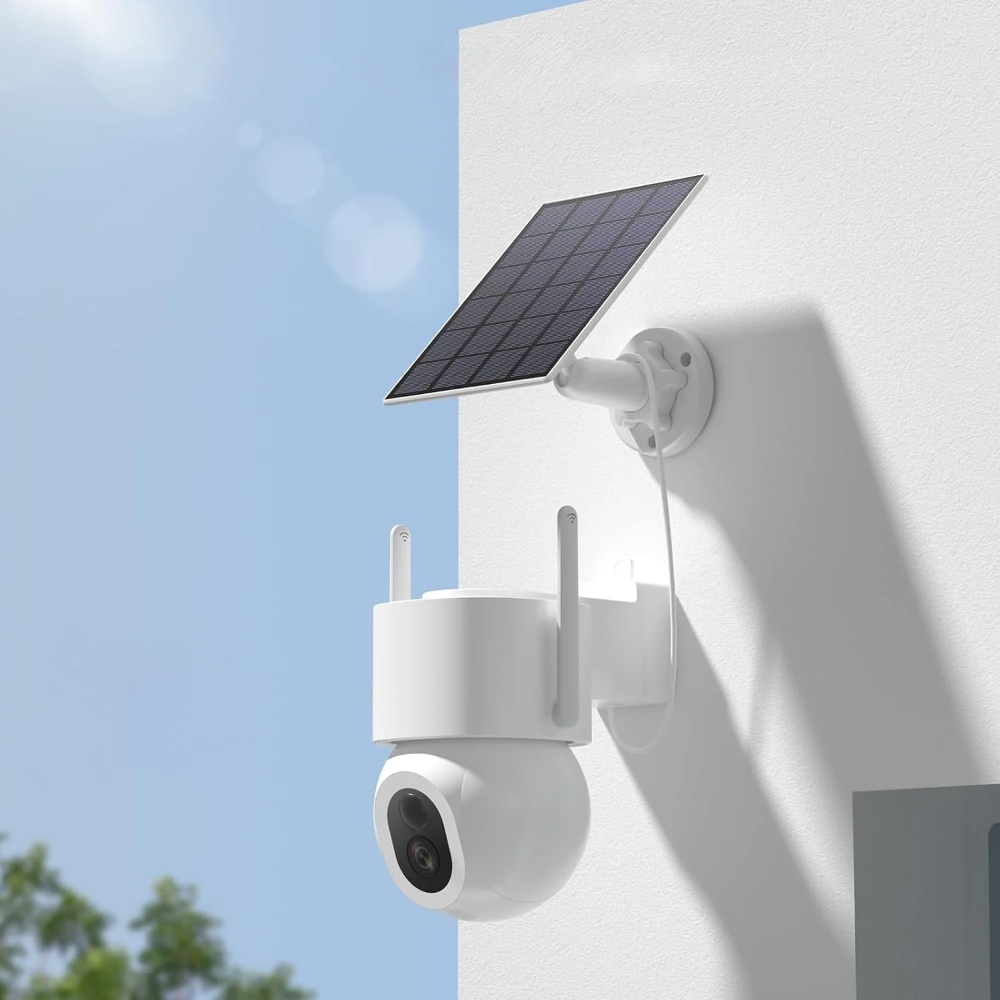
Solar outdoor cameras are turning into a smart pick for 2026. They blend easy wireless setup, reduced power needs, and steady outdoor monitoring. Homeowners and small businesses seek simpler methods to guard yards, gates, driveways, and far-off spots. Solar-powered cameras provide a handy option without the drawbacks of old-school wiring.
The Growing Popularity of Solar-Powered Cameras in Outdoor Security
The outdoor security field is seeing a big change as solar-powered cameras rise as the top option for green monitoring.
Market Trends Driving the Adoption of Solar-Powered Cameras
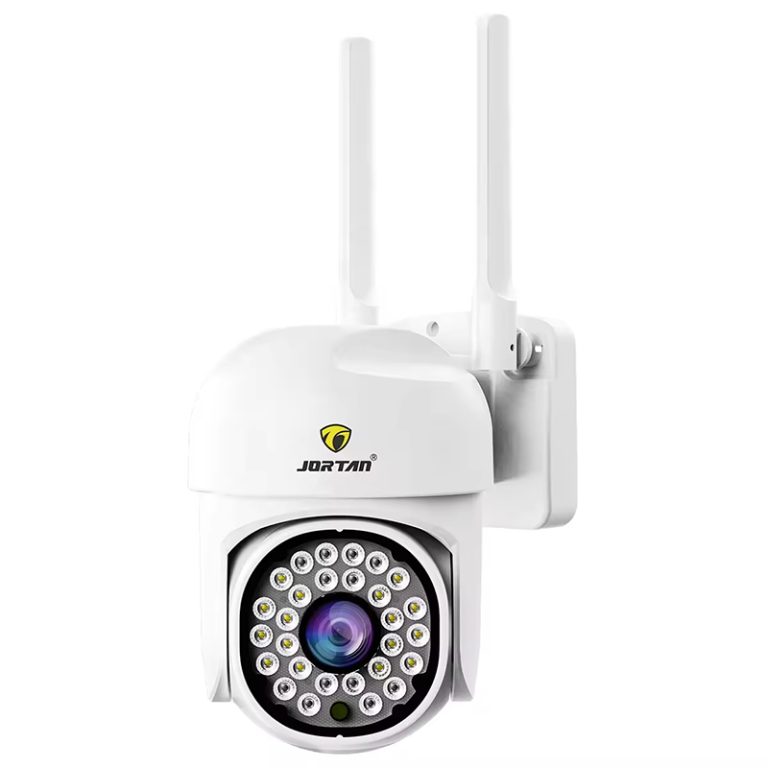
The worldwide need for eco-friendly, power-saving security tools keeps climbing. The main cause low-power solar cell surveillance cameras gain so much favor is that they fix setup issues of usual watching gear in out-of-the-way places or spots lacking basic setup. At the same time, they fit the push toward saving energy, protecting the environment, and smart technology. This pattern matches rising concern over energy expenses and green duties. Firms like Jortan lead this move by mixing renewable power with smart monitoring setups.
Plus, as the watching business keeps improving, people value and use surveillance more. From wired setups to WiFi to 4G, real-world use has gotten better. These tech upgrades make solar-powered setups more useful and money-saving than before.
Advantages of Solar Power in Surveillance Systems
Solar-powered cameras bring a few clear benefits for outside use. Solar power does not need wiring or grid links. It works well for farmyards, fruit farms, grazing lands, building sites, far mountain spots, and other areas without steady power. This freedom from the main power grid keeps things running smoothly even in blackouts. Also, setup costs drop because no outside wires or digging are required.
Comparing Solar-Powered Cameras with Traditional Wireless Outdoor Cameras
Both solar-powered cameras and standard wireless camera types offer ease, but their basic tech sets them apart a lot.
Key Differences in Power Source and Connectivity
Usual wireless outdoor cameras depend on main grid power or swappable batteries. On the other hand, the top choice uses single-crystal silicon solar panels plus big lithium batteries. These can charge up fully in 5-6 hours on clear days and hold out over 10 days in wet weather. As a result, solar types prove more dependable for ongoing outside work. Wi-Fi links allow live views through phone apps, but they can raise power use. Some newer mixed setups join solar charging with spare batteries to keep going in long, dim spells.
Performance and Reliability Considerations
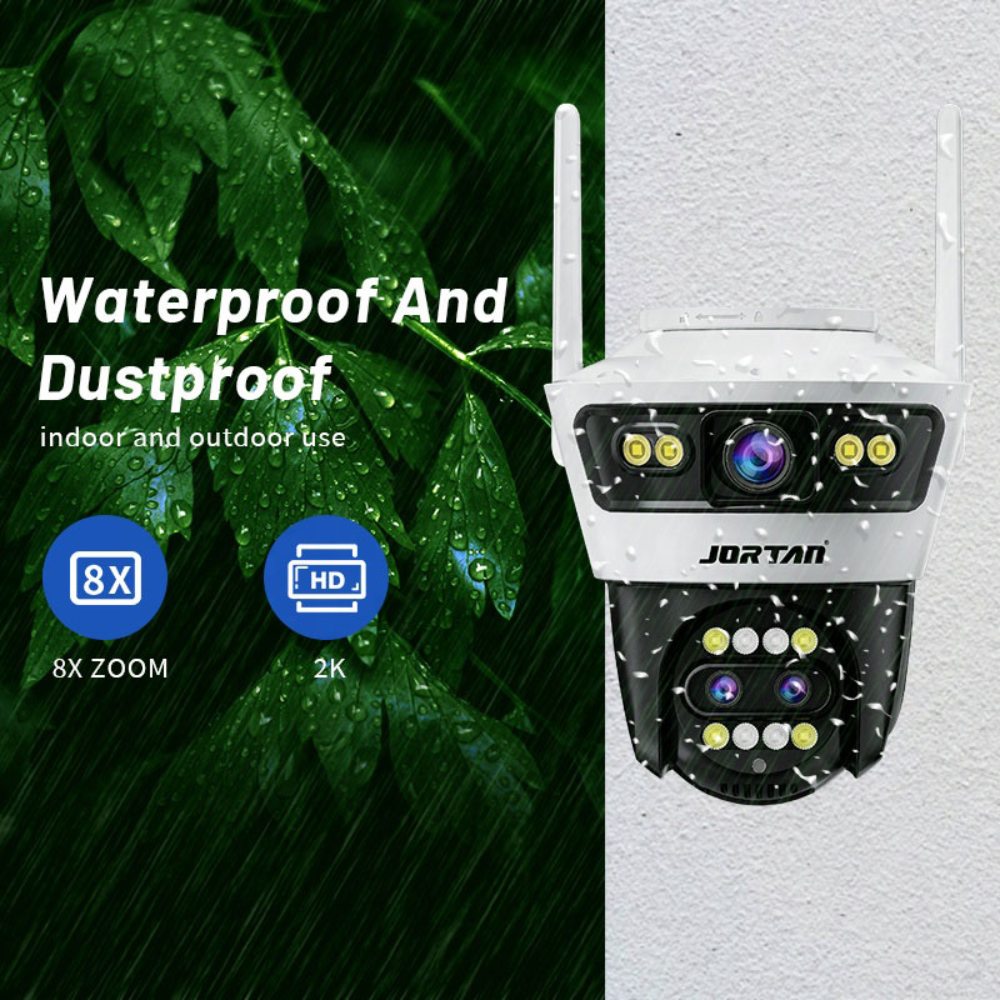
Checking performance means looking beyond basic wireless connection. Solar-powered cameras and traditional wireless outdoor cameras should be compared by video clarity, night vision distance, motion detection accuracy, and weather resistance. A reliable outdoor camera needs to keep clear images during the day and at night, even under rain, dust, heat, or cold. Traditional wireless cameras may offer stable performance when connected to fixed power, while solar-powered cameras depend more on battery capacity, sunlight exposure, and power-saving design. For long-term outdoor use, the stronger choice is the model that balances image quality, durable housing, and steady operation in changing weather.
Integration of Wi-Fi and Smart Features in Modern Outdoor Cameras
Current small outdoor cameras mix Wi-Fi links with smart tools to build wise security setups that boost user ease and workflow.
The Role of Camera Exterior Wi-Fi in Smart Security Networks
Today’s camera outside Wi-Fi features let users link devices smoothly in smart home webs. Business tasks include backing several cloud methods, reaching network access, linking front and back ends, and sending alert notes to phones and more. These tasks allow far-off viewing via phone apps while keeping safe cloud copies. Linking with setups like Alexa or Google Home adds ease through voice controls.
Advanced AI and Motion Detection Technologies
AI-based tools now hold a key spot in spotting differences between people, creatures, or cars. This cuts down wrong alerts from things like wind or showers. Smart checking supports PIR body sensing and other custom tasks. Cloud storage also aids growing control over many devices. It is a vital trait for company-level setups that need central handling of lots of outside units.
Evaluating the Practicality of Solar-Powered Cameras for 2026 Installations
As 2026 nears, judging the real use of placing solar-powered cameras means grasping their fit for surroundings, setup needs, and lasting money gains.
Installation Requirements and Environmental Suitability
A good setup makes sure to work through yearly changes. Panels need spots with steady sun reach all year. Before starting, check things like shade from trees or structures with care. Per product rules, the water and dust guard level must hit IP66 or IP67 to handle harsh weather like hard rain or dust storms. Types like the JT-8699T use strong shells that endure heat shifts from -30°C to 60°C. At the same time, they keep running steadily.
Cost-Benefit Analysis Over Time
Upfront costs might seem higher than basic wired setups, yet savings build up over time from lower power use. Solar power cuts power bills and fits well for plants and farms with many units and long runtimes. Upkeep costs fall too, since no wires face harm or breakdown. Users can also gain from green energy perks or tax breaks that ease starting costs further as time goes on.
Future Outlook: Innovations Shaping Outdoor Security by 2026 and Beyond
The coming view of outside watching will come from better power-handling systems paired with AI-boosted auto tasks.
Emerging Technologies Enhancing Camera Efficiency
Makers are creating small builds with high-work solar cells built right into camera parts. Soon models will have self-wash panels that keep even power out in dusty spots. AI methods will adjust power sharing in low-light times. This ensures non-stop watching even as sun reach changes with seasons.
The Shift Toward Fully Autonomous Surveillance Networks
By 2026, full-auto web mixing solar power with edge thinking will be common. Smart power use handling automatically shifts work modes via AI methods, for instance, high-frame recording when people show up or low-frame snaps when none do. This can cut data flow and storage costs by 70%. With 5G links, these setups will allow live checks at the device stage while cutting band usage. Such steps show a strong move to green self-run security bases that work alone without people’s help or grid needs.
FAQ
Q1: What makes solar-powered cameras more reliable than traditional wireless models?
A1: Solar-powered cameras run on their own with green power sources plus big lithium batteries that keep them working steadily even in long cloudy times.
Q2: Are solar-powered cameras suitable for extreme weather conditions?
A2: Yes. Many models reach IP66/IP67 guard standards against dust and water entry while holding function in temperatures from -30°C to 70°C.
Q3: How do AI features improve security efficiency?
A3: AI-based move spotting tells apart people, creatures, or cars, which lowers wrong alerts and auto-sets recording modes on spotted action levels for better power use.