In 2026, home security goes beyond simple watching. People now judge smart cameras on instant warnings, smart detection, distant control, privacy options, and lasting worth. Before you choose if smart security cameras really pay off, you need to see how home protection is shifting.
The Changing Landscape of Home Security in 2026
The home security field is growing quicker than before. This comes from people’s rising hopes for better, linked safety. As tech gets easier to use and AI improves, securing your home in 2026 differs a lot from years ago.
Evolving Consumer Needs for Smart Surveillance
Current homeowners want more than cameras. They seek full setups that link lights, alarms, and sensors into one clever web. Security camera products cover video watching (cameras and such), break-in alarms (sensors and more), entry control (locks and so on), and various safety-linked electric and machine items. These help watch, manage, and shield targets. Such linking lets devices work together right away and react fast to risks.
The move from old CCTV to AI-based setups is clear. Lately, the smart camera field has grown fast. More homes and firms see how key smart cameras are for safety, far-off watching, and similar tasks. Buyers now hope their cameras do more than save clips. They also sort out people, animals, or cars accurately.
Data safety matters more in buying choices too. Edge processing tech lets image checks happen right on the tool, not in the cloud. This gives quick work and calm, as clips stay close by.
How Technological Advancements Are Redefining Smart Cameras
Man-made brains have changed how smart cameras run. Better image spotting lets them find odd actions or note certain items on their own. Motion spotting has grown past basic changes in pixels. New models use AI checks for alerts that know the setting and cut down wrong warnings.
Link boosts like Wi-Fi and 5G make video flow steady with little delay. At the same time, gains in power saving mean battery units last longer without losing strength. Fitting with common voice helpers makes handling your whole smart home easy via voice orders or single apps.
Understanding What Makes a Smart Security Camera “Smart”
As you check choices for your place, it’s key to know what traits make a current smart camera different from a basic one.
Core Features That Define Modern Smart Cameras
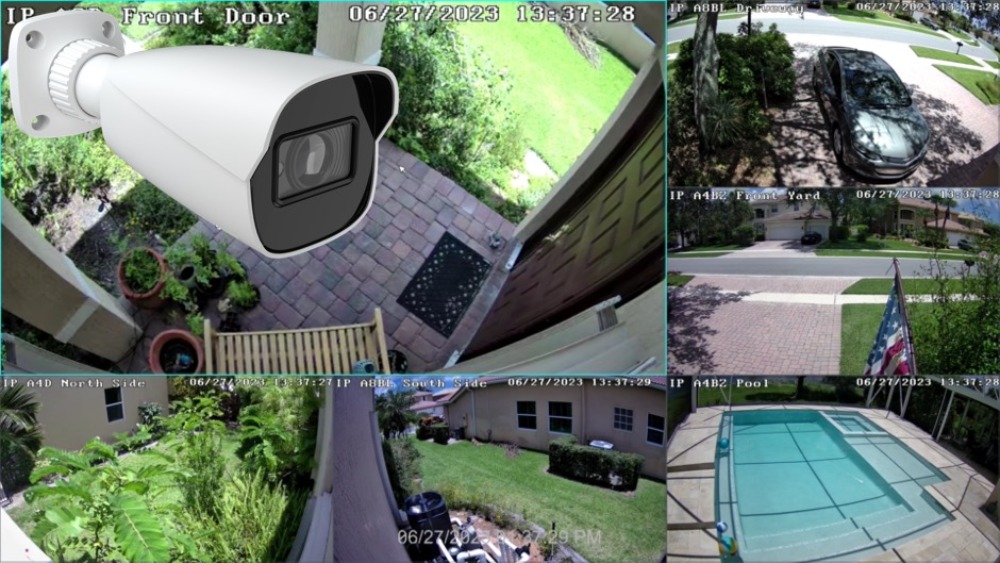
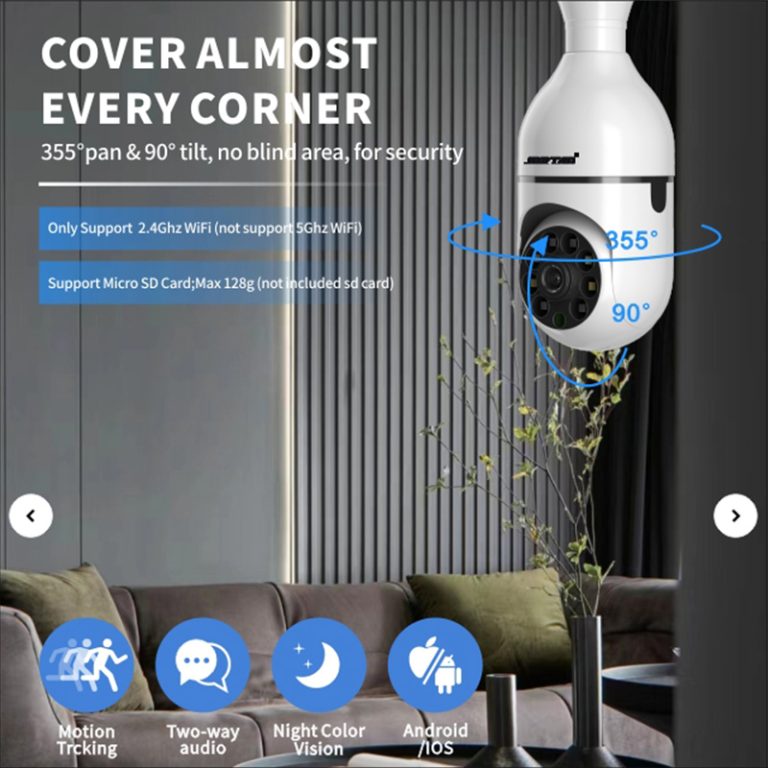
AI-based item spotting lets cameras tell humans, pets, and cars apart. This cuts unneeded alerts and boosts scene knowledge. When a camera spots an unknown person in a set watch zone, it sets off an alarm at once. Instant warnings can be set with changeable feel areas, so you get only useful notes. Storage choices are another sign of a smart build. You can pick cloud saving for far-off reach or local SD card saving for safety reasons. Many setups now mix both for ease and rule balance.
Comparing Hardware Specifications Across Brands
Clearness levels have jumped a lot, from Full HD to 4K HDR views. This gives clearer sights even in dim light. For dark spots at night, a net HD box camera with very low light needs or infrared tools is best to keep good watch images in those dim times. Lens build and wide-view shapes cover more ground without twists. Weatherproof levels like IP66 keep outdoor units strong against rain or dirt.
Evaluating Jortan’s Smart Security Camera Lineup in 2026
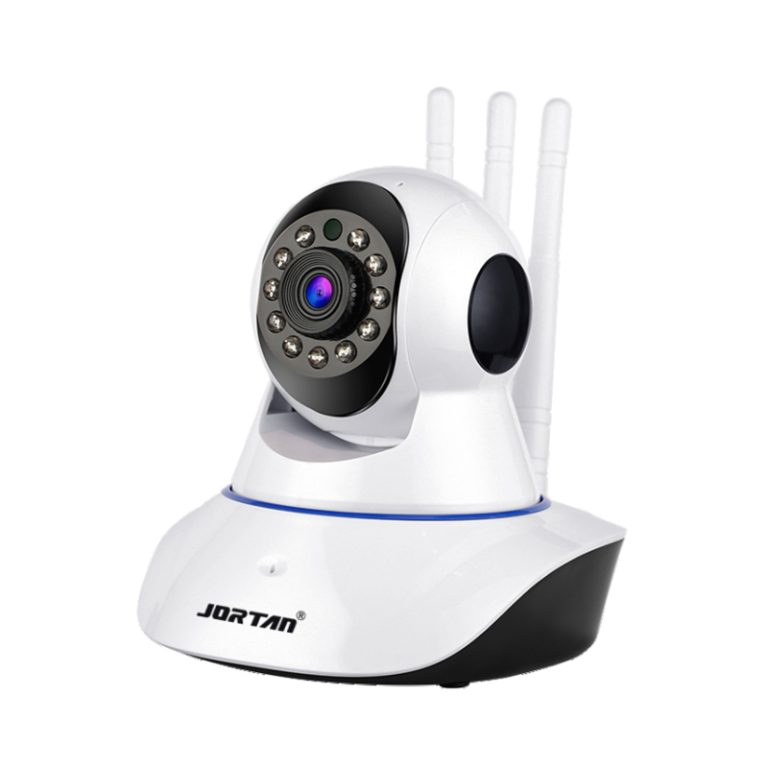
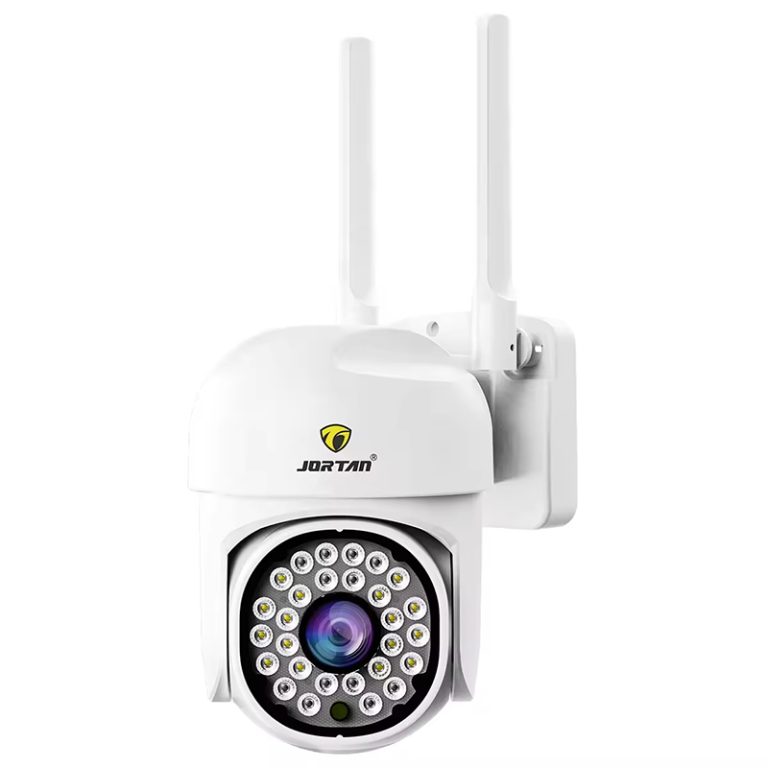
Among firms leading this change is Jortan. It mixes high-level auto with user-friendly plans that make tech easy yet strong. Jortan’s goal centers on giving power to users via clever new ideas. It joins AI skills with daily use. Its team works on open-link fit so your tools talk smoothly over various bases while keeping strict data lock rules that guard every bit of your clicks.
Their build way stresses ease: simple apps that all can use with learning codes that guess user wants as time goes on. If you guard a family house or handle many work spots, Jortan gives growing fixes made for both spots.
Highlighting Jortan’s Key Models and Their Unique Advantages
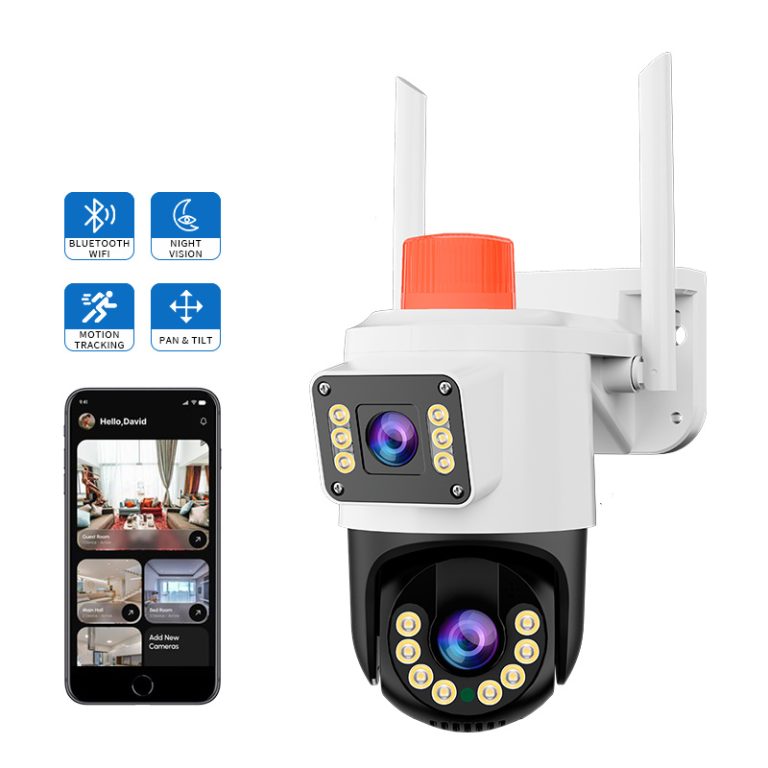
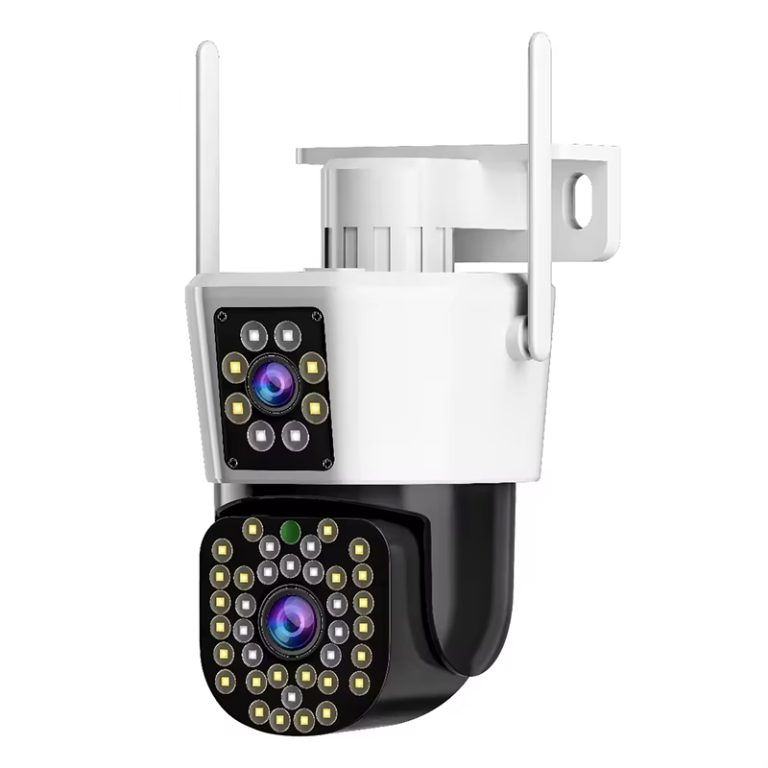
The Jortan Vision Pro Series brings work-level work via changing AI checks that follow motion exactly in tough scenes. It backs mixed saving with locked cloud copies and local SD picks. This setup suits users who want extra safety and private calm.
The Jortan Insight Mini Series gives small power that’s great for inside watch, like baby rooms or work spaces. With two-way talk through built-in mics and speakers, it lets you chat in real-time from any spot using phone apps. This shows how close links meet safety.
Cost-Benefit Analysis: Are Smart Cameras Worth the Investment?
When you judge worth over years, not just first price, smart cameras often show their value soon.
Assessing Total Ownership Costs Over Time
Starting buy prices might look higher than old systems, but fee-based help now adds auto fixes for long life without handiwork. Care needs to stay low due to tough build and far-off check tools in many models now. Power saving cuts life costs more, as fresh chips use less energy in wait or steady record ways. This helps a lot when running many units at once.
Measuring Return on Investment Through Practical Benefits
Gains go past stopping theft. They include ease as well. By getting the app, users can watch their work spots and homes from afar, any time, any place. Far-off reach through phone apps keeps clear sight even on trips. Instant stop tools cut break-in chances a lot.
Security, Privacy, and Ethical Considerations in Smart Surveillance Use
Protecting User Data in Connected Environments
Full-path locking guards from unallowed reach, so clips stay secret even if caught in transit. Regular code fixes close weak spots quick, stopping bad tries before they grow into breaks. This key part gets missed by some buyers but is vital for long trust. Open rules now give users full rule over saved clips, adding delete rights when asked. This builds faith between maker and buyer.
Balancing Convenience With Responsible Usage
Camera spots should always honor near places’ lines, skipping unwanted looks into private spots past your own edge. Using AI well means setting spot traits right, aiming at a safety boost.
Future Outlook: What Buyers Should Expect Beyond 2026
Emerging Innovations Shaping the Next Generation of Smart Cameras
Coming models will use machine learning to spot risks before they start via action pattern checks honed over time from grouped no-name data sets that got close under tight safe limits. With fast growth in things like the Internet of Things and man-made brains, the smart home field is spreading quickly. Look for joints between fixed cameras and move drones for self-watch cover that fits big lands or work sites. All this runs on power-saving parts made from green stuff, stressing world-care promises known today.
Why Jortan Stands Out as a Forward-Looking Choice
Jortan keeps putting much into study and building to fine-tune changing learning codes. This makes sure each new line beats the last while fitting old setups to guard buyers’ spending long-term. Its way mixes low cost without cutting good make rules, making it a top pick for ahead buyers wanting a sure clever watch that fixes well past 2026’s view.
FAQ
Q1: How do smart cameras differ from traditional CCTV systems?
A1: Smart cameras use AI checks for item spotting plus two-way talk, while old CCTV just saves still clips without setting knowledge skills.
Q2: Are cloud-based storage options safe?
A2: Yes. New givers use full-path locking so sent data can’t be reached from outside unless owners say so clearly.
Q3: What should I consider before installing outdoor units?
A3: Pick weather-strong models at IP66 or better, placed smartly within line of sight, skipping cover mix onto open paths when you can for good rule reasons.