People usually put outdoor WiFi cameras a good distance from their routers, and that makes the length of signal travel a big deal for how they work. The force of the signal, barriers in the surroundings, and the setup of the network all shape how steadily the video moves across bigger spaces. By giving this background, we can make real hopes clear before we look at the main points tied to distances.

What Factors Determine How Far Outdoor WiFi Cameras for Home Can Transmit?
When you set up outdoor WiFi cameras to guard your home, one of the top signs of how well they do is the distance they send signals. If you need to watch your backyard, the spot where cars park, or the outer edge of your land, getting what changes the wireless length will let you get the best watch over everything.
Why Do Signal Strength and Frequency Bands Matter So Much in Wireless Camera Range?
The band of waves your camera picks has a straight pull on how long its signal lasts. The 2.4 GHz band most times gives longer ways to send because its smaller waves push through blocks like walls and leaves with more ease. But it gives away quickness and room for data, and that might hold back the clearness of video when things stretch out. The other choice, 5 GHz, brings quicker flows of info but catches more harm to the signal when it meets solid stops or noise from the world around.
Blocks in the path, for instance, walls made of brick, trees, or fences of metal, can send back or take in the wireless waves, and that cuts the camera’s work down by a lot. On top of that, mix-ups from WiFi next door or home gadgets such as microwaves and phones with no wires—mostly on the full 2.4 GHz band—can make the link shaky and hard to trust.
How Do Antenna Design and Power Output Influence Wireless Transmission?
The build of a camera’s inside parts has a big matching part in how far it sends. Antennas that grab a lot can point the signal force one way, and that raises the space where it works between the camera and your router in a good manner. The push of power from both tools (checked in milliwatts) sets how well they send waves past open spots or ones with blocks.
Just as key is where you place the gear. When your camera for outside sits too near the ground or back of heavy walls, a solid antenna might still fight to work. Lifting up both your camera and the WiFi router makes a straighter view for talking and cuts the breaks in the signal.
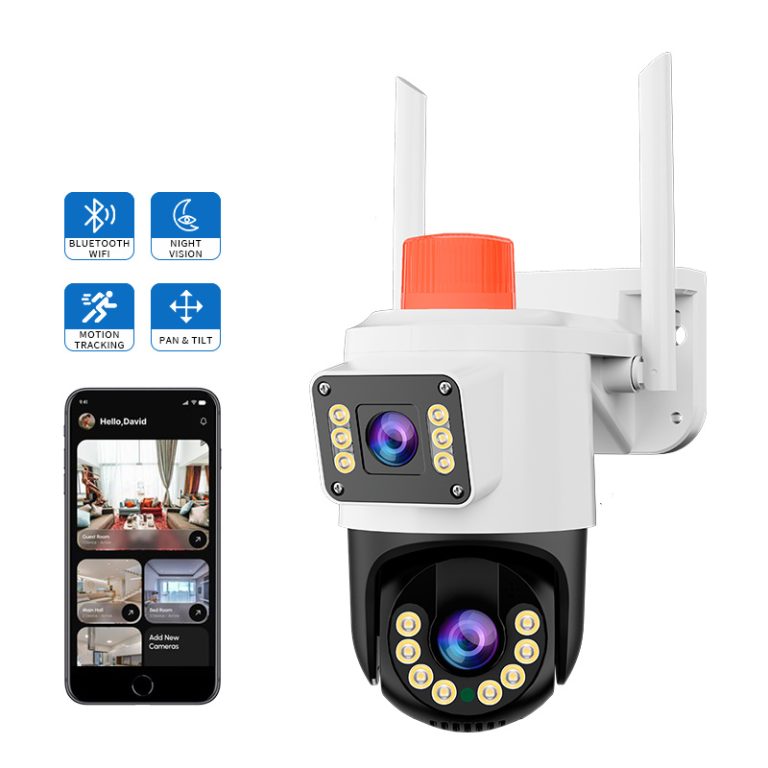
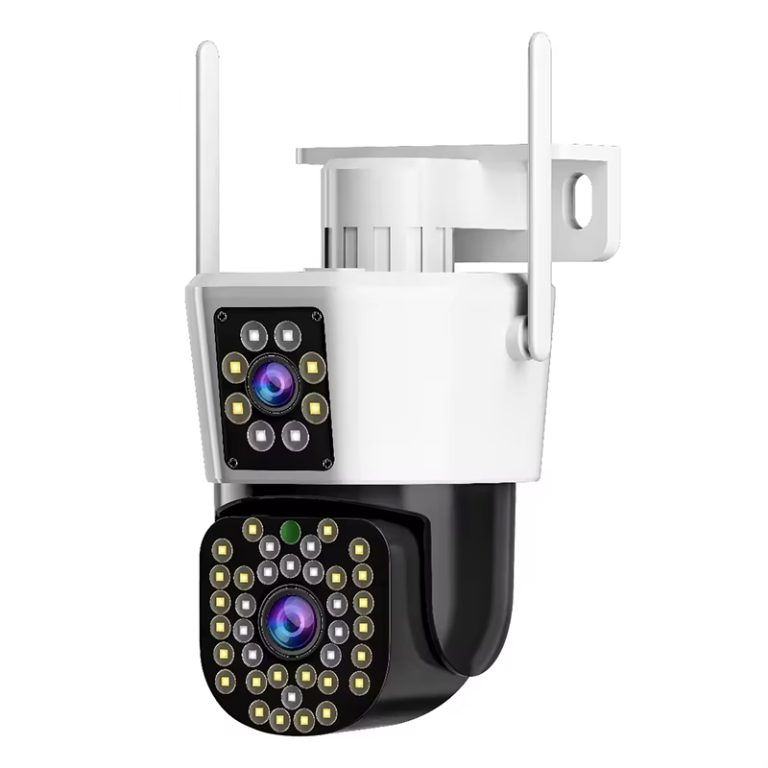
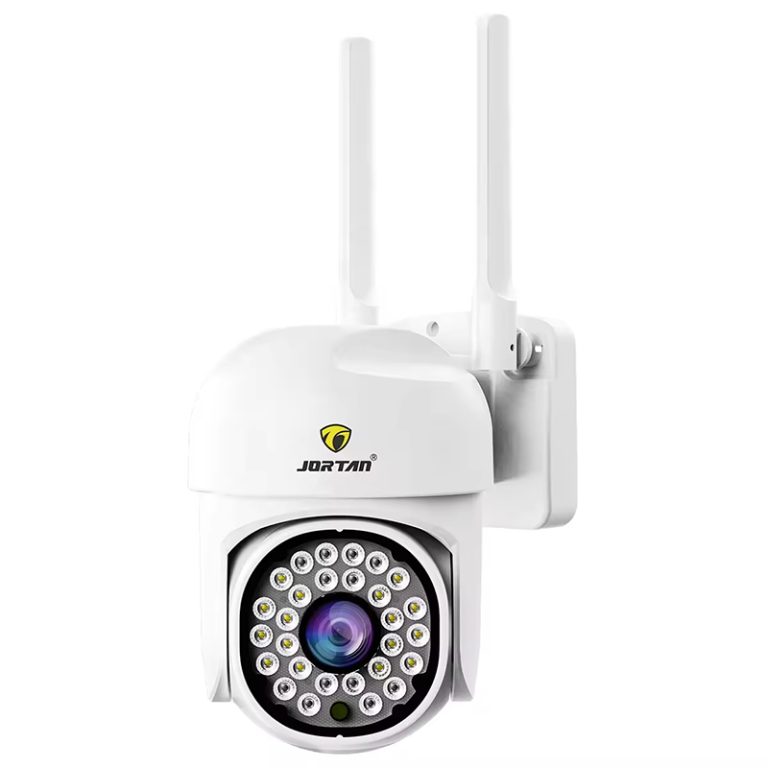
Outdoor gumball linkage: one machine with a dual-camera intelligent 9MP Wi-Fi ball machine, equipped with the equivalent of two traditional cameras; Paired with adjustable brackets for flexible and convenient installation;
How Can You Improve the WiFi Range of Your Outdoor Security Camera?
To keep steady work over long distances, you need planned changes to the base of your network and where you put the camera, since those steps matter a great deal.
What Are the Best Placement Practices for Maximizing Wireless Efficiency?
You should begin by setting your router right in the heart of your house, best kept far from items of metal, walls that are thick, or machines that are large and could mess up the waves. For the cameras that work on WiFi outside, you fix them up high, say on the roof or along the edges of the roof, and that lessens blocks at the level of the ground while opening a better road to your router.
Be sure the antennas on your router and camera line up straight up and down so they best spread the signal side to side. A tiny wrong turn in the angle can lead to a large loss of signal when the space grows long.
Can Mesh Systems or Extenders Truly Solve Coverage Gaps?
Yes, they really can. Tools that stretch WiFi copy the waves from your router and fill the breaks in links between your router and cameras far off outside. In houses that have hard shapes or yards that are wide, setups for mesh WiFi work better still, because they make many spots to connect that join without hitches and give sure coverage with no empty parts.
That said, you have to make sure any tool that stretches or spots in the mesh works with the same band of waves as your camera, be it 2.4 GHz or 5.5 GHz. When they match, your tools talk without waste and keep the work strong without giving up anything.
Is It Possible to Maintain Stable Video Quality at Long Distances?
Ties over long ways often hit limits on data room, and that can touch the sharpness of video and how even the flow stays. Yet if you make the right fixes, you hold onto good video clips even when the spots stretch far.
How Do Settings Like Resolution and Compression Affect Video Stability?
When you drop the sharpness level of your clips, like going from 4K to 1080p, it cuts the use of the data room by a good amount and does not hurt the main parts you see. In a like way, if you change how many pictures per second, for example 15 instead of 30, it makes the live flows smoother and lessens the wait time when you look in the moment.
Ways to pack video that are newer, like H.265, help keep things in a big way while cutting down on how much data you need. H.265 video compression technology and high-definition image quality ensure that even reduced-bandwidth networks can transmit sharp, detailed images without buffering issues, so your views stay crisp and flow without pauses, no matter the setup challenges.
What Happens to Footage When Your WiFi Signal Drops?
To keep from losing clips when the link dips a bit, go for a camera that holds storage right there with an SD card. Local SD card storage ensures continuous recording during brief outages, which is especially useful in remote areas with inconsistent network performance, and it means your records keep building even if the waves weaken for a short time.
Storage up in the cloud gives you ways to see from far and extra copies, but it leans on steady speeds to send up. When your tie-over longways isn’t solid, saving close by turns into a key shield that protects what you capture.
What Type of Outdoor Camera Performs Better at Extended Ranges?
Every camera does not come made for work over long distances. As you choose a type that fits big lands or hard places around, put first the parts built just for length and strength to last.
Why Are Dual-Band Connectivity and External Antennas Important Features?
A camera on two bands lets you pick what fits, so you change to 2.4 GHz for more length or 5 GHz for faster work based on what the place is like. Antennas on the outside add more to the signal force by giving ways to tune the point, which ones inside can’t do as well.
Supports wireless network connection, and 8x hybrid zoom, combined with external antenna systems, means your camera will maintain a strong link even when positioned farther from your main router, helping it stay connected in spots where distance tests the setup.
What Environmental Protections Should You Look For in an Outdoor Camera?
Cameras outside for long reaches need to withstand rain, snow, warmth, and bits of dirt. Pick types with covers rated at least IP66 to make sure they last through rough times. On top of that, sight at night, be it with lights that give infrared or ones that light up in full color, ought to come as usual so you hold the view when the daylight goes away.
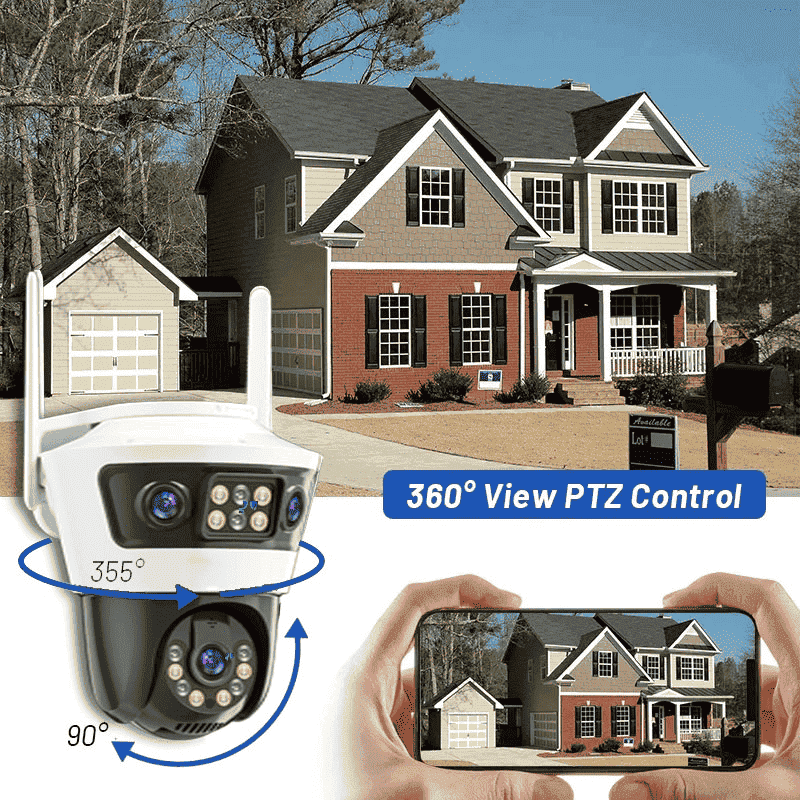
Supports full-color mode, infrared mode, and intelligent alarm mode, keeping your footage clear day or night regardless of distance from the router, ensuring you get useful pictures whenever you need them, without the range causing fuzzy or dark spots.
Which Product Should You Choose for Long-Distance Outdoor Surveillance?
If you take outdoor safety seriously over wide spots, such as farms, yards, places for cars, or sheds far off, then picking a fix made for clear sight from afar and smart ways to work is a must.
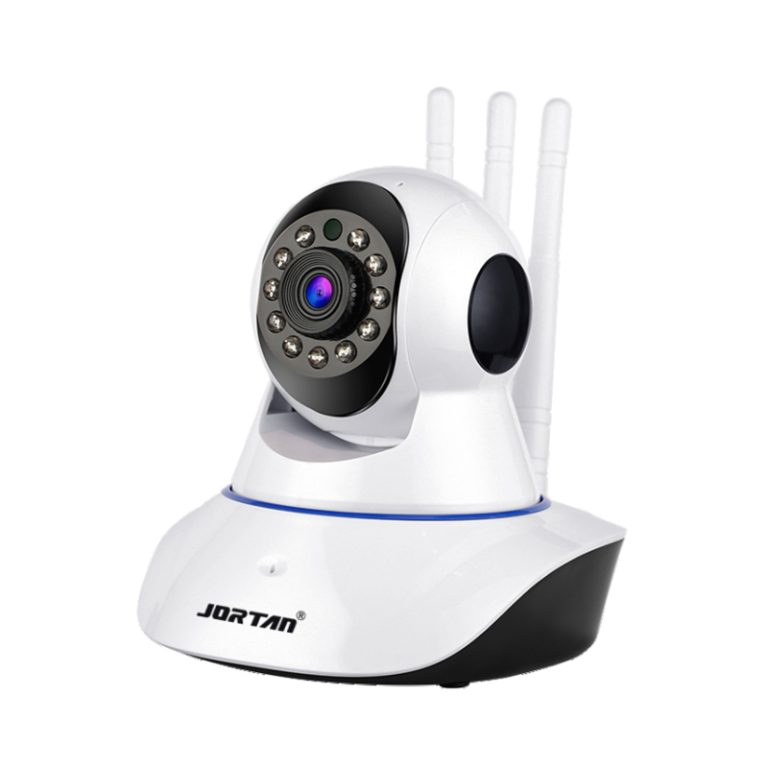
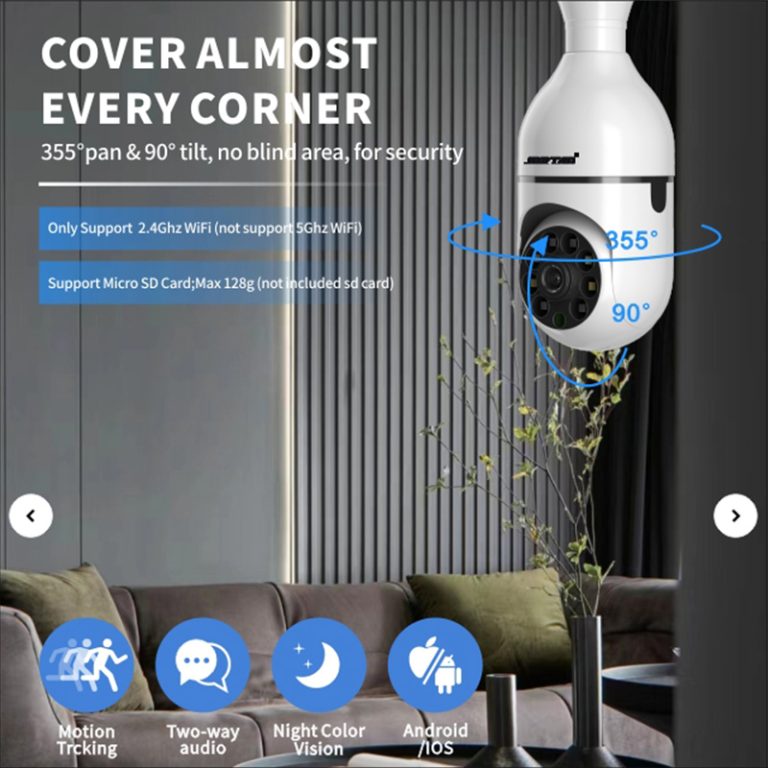
That is why you ought to think about the Jortan Outdoor WiFi Security Camera. This setup with two lenses joins broad watch with smartwatch parts like spotting moves with AI and notes that come smart. Built with antennas that gain high, squeeze video with H.265, and help for networks on two bands, it works surely even when stretches go long. Its house that fights weather at IP66 makes sure you use it all year in any kind of air. Whether you’re protecting a vacation home or watching over livestock fields from afar, Jortan’s camera adapts to complex needs without compromising video quality, and it fits right into daily life with easy checks on your phone and safe storage that reaches everywhere.
FAQ
Q: How far can an outdoor WiFi security camera transmit its signal?
Most outdoor WiFi cameras using 2.4 GHz can reach up to 250–300 feet in open space. However, walls or interference may reduce this range significantly, so in everyday use, you might see shorter paths due to common blocks like homes or plants.
Q: Can I use multiple cameras far from my house using one router?
Yes, but you’ll likely need WiFi extenders or mesh systems to ensure stable connections to all cameras located at extended distances, as these help spread the waves to cover more ground without weak points.
Q: Will poor weather affect my outdoor camera’s connection?
Heavy rain or snow can slightly impact wireless signals. Choosing weatherproof models like Jortan’s Outdoor Camera helps maintain performance under harsh conditions, keeping the link going strong through tough days.