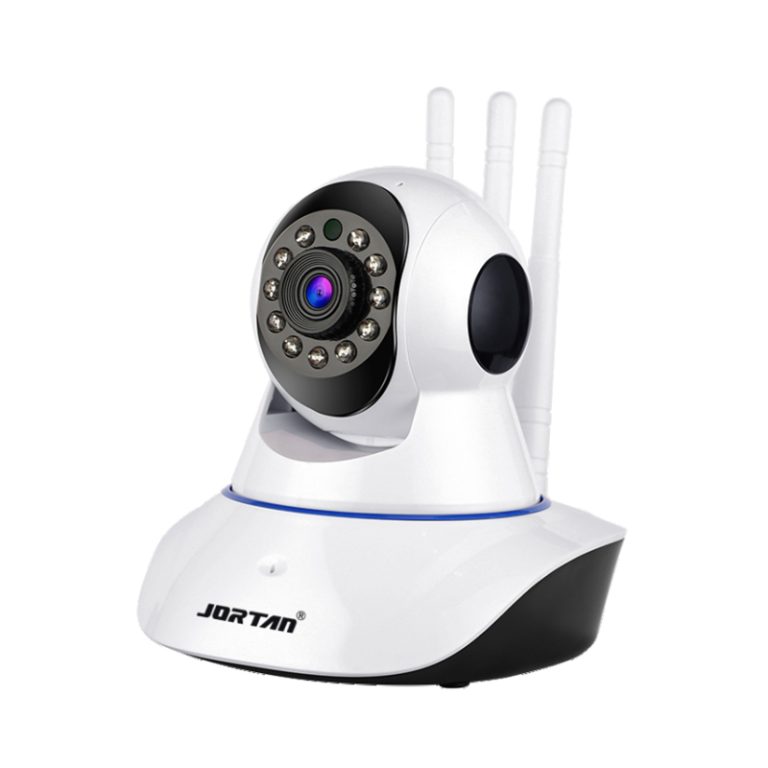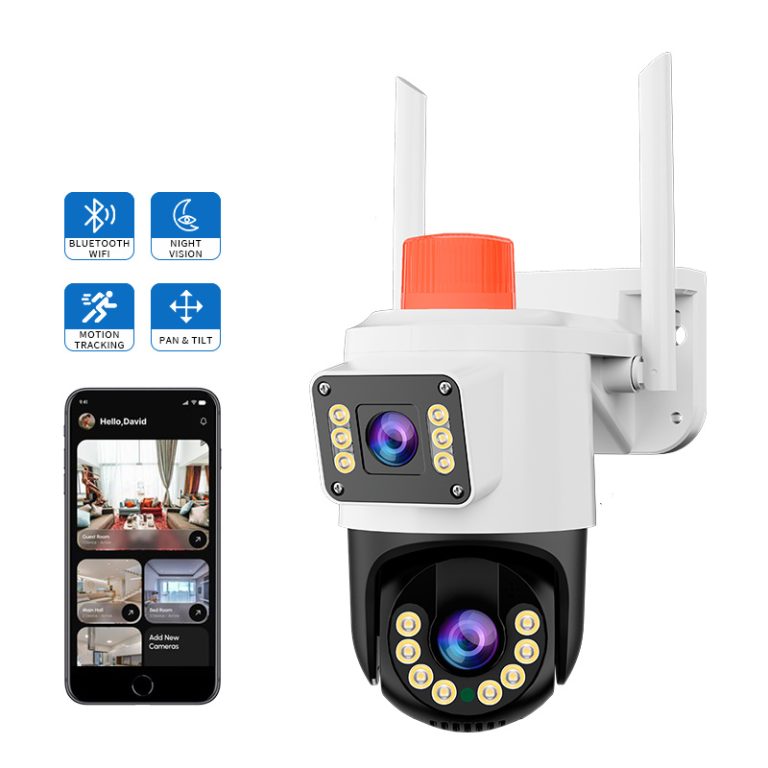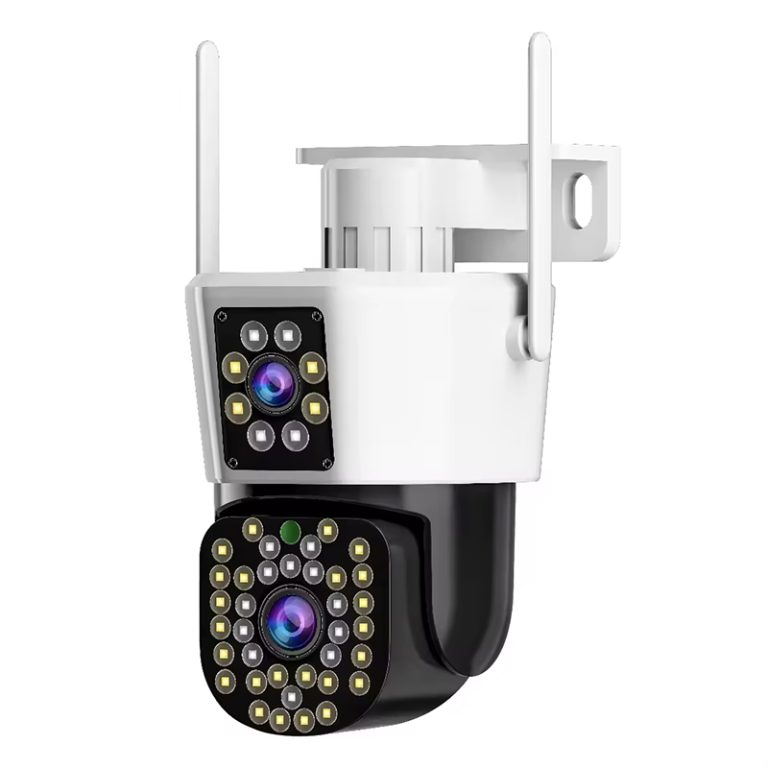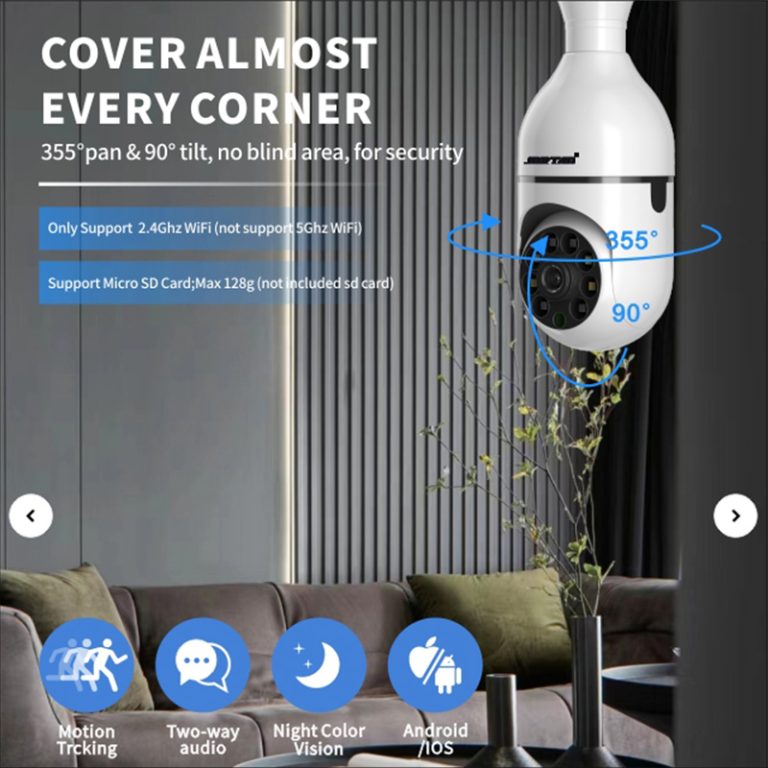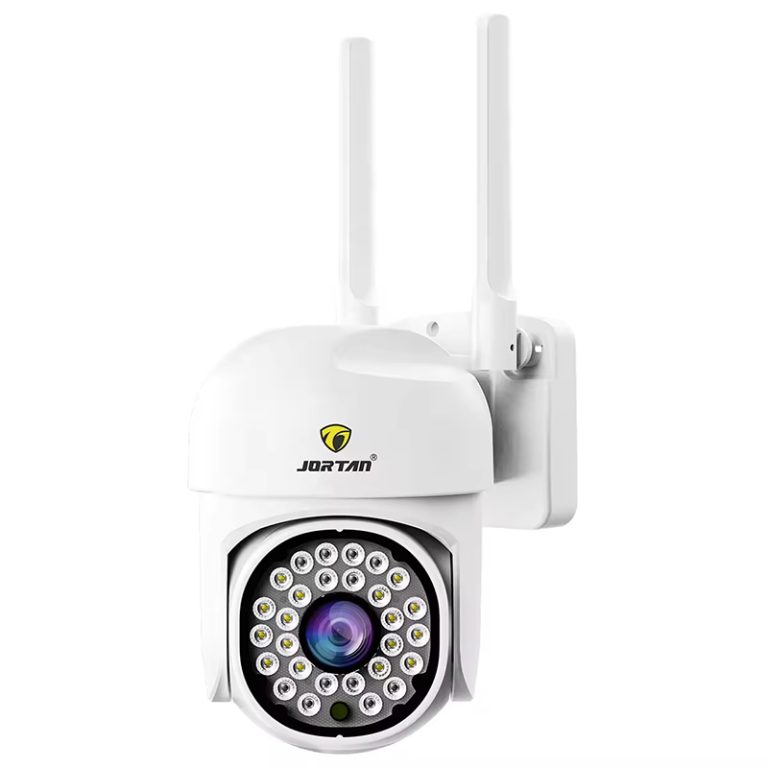

A sample that connects once in a silent office has not passed a distributor’s acceptance test. This model is listed with 1080P imaging, H.265 compression, 2.4 GHz WiFi, two-way talk, PIR motion sensitivity wake-up, and support for a Micro SD card up to 128 GB. It will be the distributor’s task to test the sample against the product as delivered, i.e., the sample, the app, the storage card, the network, etc., and against the claims that will be made of the product in order to identify situations where returns may occur. A written test report will be of great use to approve initial stock holding and subsequent batches.
Freeze the Sample Identity First
Record the model name, carton label, hardware revision, firmware build, app version, accessories, and card supplied with the unit. Take pictures of the labels for the sample file. Go through the 8185XM product to check for any differences between what you were delivered and what is listed on the web page. The model number for the approved product can stay the same even though different boards, firmware, or accessories are used. The listing for the 8185XM states that it is 1080P, H.265, 2.4G WiFi, two-way voice, and PIR wake-up and supports Micro SD up to 128GB. Do not include either of these figures in your distributor catalog until the supplier has confirmed what battery is fitted to the approved hardware revision.
Even if you verify the capacity of the battery on the approved hardware, the actual operating time will depend on a number of factors, including the event count, nighttime lighting, signal strength, and users’ viewing habits. Test conditions used to obtain the battery life must also be provided. Also verify the charging time, product’s IP rating, and operating temperature, as these may have changed on the current specification. Create a claim-to-evidence table before you start any testing. Each claim must have a test method, sample details, results, and reviewer. So for example, the claim ‘supports local card recording’ must be tested by recording, rebooting, viewing recorded clips, and exporting them. The claim ‘Two-way voice’ must be tested by having a conversation and testing at various network speeds to simulate a poor connection and checking if it still works. This approach keeps marketing language in line with behavior the channel can reproduce.
Run a Repeatable Field Test
Choose three different settings. These include a reliable access point nearby, the expected installation distance, and an intentionally poorer yet still workable signal. Pair the 8185XM through the intended app flow. Record connection time and any setup failures. Intermit the access point and then bring it back online. Observe if the camera reconnects automatically. Check if notifications and local recording resume during the outage. For the motion test, walk through the scene at various speeds.
The test also walks up to the camera at various distances. Note how the PIR wakes up after a period of inactivity and record the first part of the event as well as how long the camera remains active after detection. Note that these tests are just for the specific configuration tested and are not intended to establish any distance related assertions. Note also the specific mounting angle, ambient light, etc., that was used for these tests, as well as the specific app settings, etc. Play back day and night time footage on the same playback device that customers will use to play back footage. Look at focus, motion blur, exposure shift, etc., as well as audio sync and ability to export files, etc. For the card behavior test, record the repeated events, then fill the card to its nominal capacity and reboot the unit. Verify that oldest footage is handled as described and note that a fixed retention period cannot be asserted from the nominal capacity of the card. The actual retention period will depend on a number of factors, including clip length, activity, encoding, etc., as well as settings on the unit.
Check the Customer-Facing Workflow
A distributor inherits the setup and service experience, not just the hardware. Verify account creation, device sharing, notification permissions, time zone, firmware update prompts, reset, and transfer to a replacement phone. If users need separate permissions, test them. Check the app with the operating-system versions used by the sales market. Retain dated screenshots or screen recordings as the unique acceptance asset. For channel planning, Jortan’s security camera range gives a brand-level reference; the tested SKU sheet remains the basis for distributor claims.
The product notes list H.265 compression and local Micro SD support. Confirm whether the app can play and export the saved file without a continuous internet connection. Also check whether the exported file opens in common desktop players. Ask whether the camera records continuously or in triggered clips in the approved configuration. Keep cloud-storage claims separate unless an active service, account region, fee, and retention policy have been confirmed. For a wider distributor line, compare those verified fields with the separate JT-8176XM camera range only after its own delivered specification has been reviewed.
A second model can clarify the boundary between a battery camera and a related wireless option. A clean comparison prevents an accessory or runtime assumption from becoming a return. If the sample reveals a market-specific need, send the exact test evidence with a distributor test brief. Jortan’s security camera range and OEM/ODM capability may be relevant when app language, packaging, or a repeatable configuration needs discussion. Scope, MOQ, lead time, and any design changes must be confirmed in the quotation. Approval should follow evidence, not a verbal assurance.
Approve the Version, Then Watch the First Batch
Sign the approval sheet for the bulk order before ordering, containing the sample ID, confirmed spec, app version, firmware version, required accessories, test conditions, results, known limitations, and packaging wordings. Include the sample’s label photo and related test clips. State which of the changes need re-approval: sensor, lens, WiFi module, battery, firmware, app flow, card support, carton, and/or power accessories for the sample’s included accessories. For incoming inspection, no need to repeat all engineering tests on all units. Just an identity drift check. Agree on sampling with the supplier. Check the carton and model labels on the sample from each incoming lot.
FAQ
Q1: Does the listed Micro SD capacity prove a specific retention time?
A1: No. Retention changes with event frequency, clip duration, encoding settings, and card behavior. Measure it under the approved configuration and describe it as a test result.
Q2: Should distributors test the 8185XM only on a strong WiFi network?
A2: No. Include the expected installation distance and recovery after a network interruption. Keep the access point and settings consistent so the result can be repeated.
Q3: Can a sample result be applied to every later batch?
A3: Only when the delivered hardware, firmware, app, accessories, and settings match the approved version. Tie batch checks to revision identifiers and reapprove material changes.