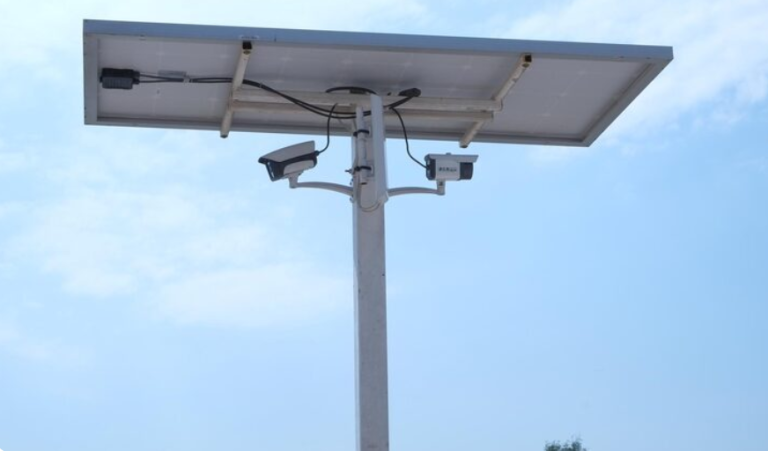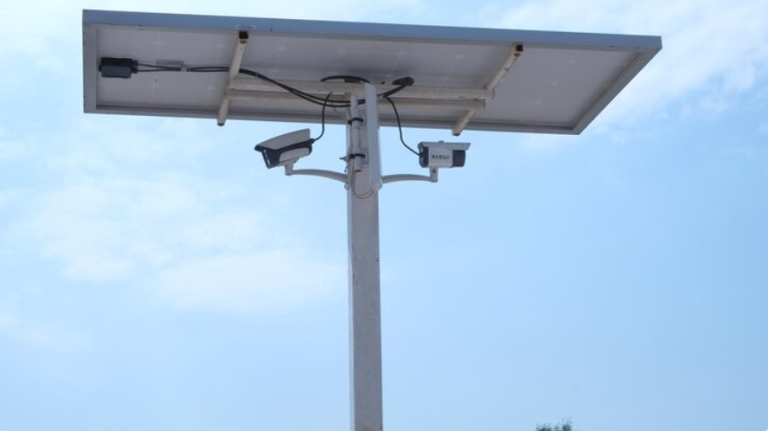

Current security surveillance stands as a must-have part. It has moved from simple recording to active danger spotting with AI for live review and warnings. It raises view of what happens, stops crime, and gives key proof for checks. Systems need fit to certain places, like factory or open areas, with strong, high-level tools. Joining surveillance with entry control and alarm setups builds a joined, smart safety plan. This full way not only cuts dangers but also gives work data. This turns security surveillance into a main part of full safety and control in today’s safety world.
Why Is Security Surveillance No Longer Optional in Modern Security Systems?
The Shift from Passive Monitoring to Proactive Threat Detection
Old security surveillance setups worked mostly as after-event tools. They focused on review of saved video after something happened. However, the way has changed toward active danger spotting. Systems now build to find risks as they happen and stop problems before they grow big.
Today’s surveillance adds artificial intelligence to check movement ways, spot odd actions, and mark possible dangers on its own, which shows clear in the intelligent behavior analysis system. It uses video review and picture handling tech to send warnings for events like area entry and item take. It also stops problems ahead to avoid harm. Adding such skills makes sure safety workers can act right away to changing events, reducing responding times and potential risks.
How Real-Time Surveillance Enhances Situational Awareness
Live surveillance gives ongoing sight across many areas at once. This steady watch makes sure key setups stay seen all the time. A school’s security video surveillance system includes front network cameras, video signal send, and center save, show, and control at the watch place. The system carries out live video watch, video save and reach, and smart review—this same plan now finds use in different fields like factory parks and city open spaces.
Better systems also hold custom warnings based on danger signs. For example, if someone stays too long near a limited door or a bag sits alone in a hall, the system can start a warning. Remote reach also lets center command places watch work across many sites, facilitating unified decision-making without the need for constant on-site supervision.
What Makes Video Surveillance a Core Component of Risk Mitigation?
The Role of Visual Evidence in Incident Resolution and Liability Protection
Clear video surveillance is needed for after-event checks and legal duty. Sharp video not only helps police but also backs inside reviews and insurance claims. As pointed out, watch data can also serve as proof to handle fights and harm, beneficial to raise the right and speed of control choices. Organizations gain from having clear visual records to fix conflicts or check events.
In facilities like hospitals or factories, where safety compliance is paramount, the layout principles of this plan are: public area surveillance throughout the hospital includes the main perimeter, entrances and exits, corridors, elevators, and front rooms. These deployments ensure that critical interactions are fully recorded.
How Surveillance Deters Criminal Behavior Before It Happens
Deterrence is one of the most immediate benefits of visible surveillance. Strategically placed cameras reduce opportunistic crimes such as vandalism and theft. Surveillance points are required at each entrance. The installation of cameras must take into account the poor lighting conditions at night, and each surveillance point must clearly see the license plates and appearances of vehicles entering and leaving. This kind of visibility discourages unauthorized access while enabling identification when necessary.
Smart data built in current systems can also spot ways that come before crime actions. By checking foot traffic and object placements over time, systems can guess odd actions and warn leaders ahead. Public know of being watched often leads to action changes among workers and visitors, promoting a culture of accountability.
How Do Advanced Surveillance Devices Adapt to Complex Environments?
Customized Solutions for Industrial, Commercial, and Public Settings
Places like factories, schools, and big events bring special surveillance tasks. Different factory spaces need different safety tools. For example, heavy industrial manufacturing sites have a significant demand for equipment that is resistant to earthquakes and electromagnetic interference, while chemical plants have higher requirements for equipment corrosion resistance.
To handle these changes, current surveillance tools build with space fit—holding traits like low light work, weather fight, high heat stand, and shake hold. Smart factory watch splits into edge watch areas, usual guard areas, more key areas like stores and halls, and main areas like research centers. Part system plans also back growth. This makes easy to add cover as places grow.
Integration with other security systems — such as access control or alarm systems — enables layered defenses. For example, when wrong entry finds by entry control system, it can start near surveillance cameras to zoom auto on the break point.
Why Device Specifications Matter for Long-Term System Performance
The strength of a security surveillance system rests much on its tech details. Signs like clearness, frame speed, and press form decide how clearly footage is captured and how efficiently it is stored. In challenging environments such as outdoor perimeters or high-traffic intersections, weatherproofing and tamper resistance are essential for reliability over time.
For instance, the camera must meet IP66 guard to stop rain and dust entry. Compatibility with the IT or electrical infrastructure also plays a critical role in reducing deployment costs and minimizing disruption during installation.
Where Does Intelligent Surveillance Fit Within a Broader Security Strategy?
Coordinating Surveillance with Other Security Measures for Unified Control
Today’s safety setups move more toward joined platforms that link many sub systems. The intelligent joined safety control system can bring together the security video surveillance system, entry alarm system, smart behavior review on one platform for center control and handling. This level of integration allows each subsystem to respond dynamically based on real-time data from others.
For example, if a fire alarm starts in a part of a store, near surveillance cameras can set to focus auto on leave paths or danger zones. Center dashboards enable operators to monitor all subsystems from one interface while event-based triggers can launch automated emergency protocols — from unlocking exit doors to alerting first responders.
Leveraging Data Analysis to Inform Security Policy Decisions
Past active watch, smart surveillance systems give useful work views through data review. For example, it can provide visualized data, record activities and events within the park, analyze pedestrian and vehicle flow, and provide a basis for planning and resource allocation. These reviews help find move blocks, little used zones, or repeat weak spots.
AI-generated reports can guide rule changes—like move guard walks based on event hot maps or change camera places based on seen blind spots. These skills turn surveillance from a simple tool into dynamic component of strategic facility management.
Which Products Offer a Balanced Solution for High-Security Demands?
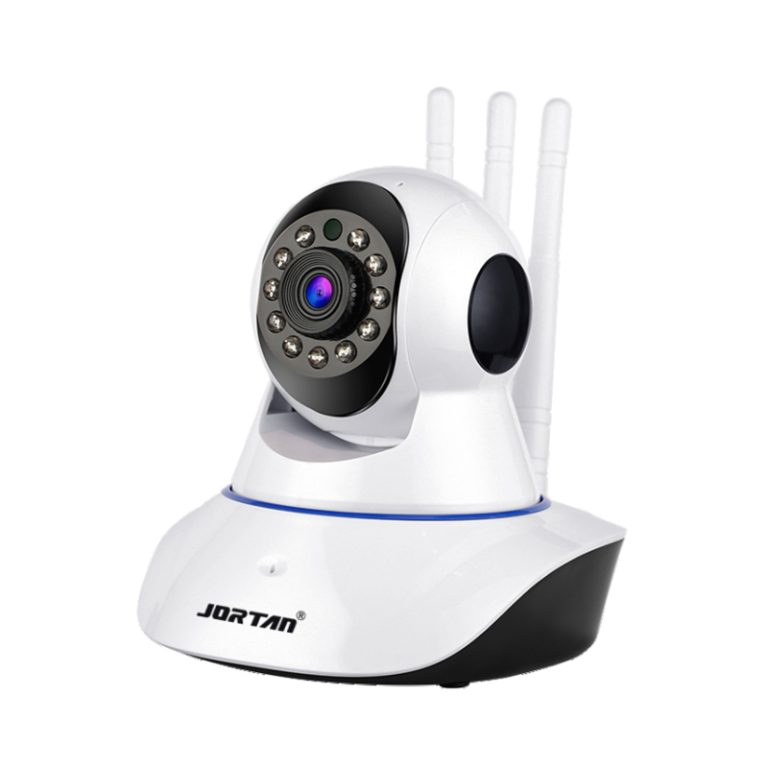
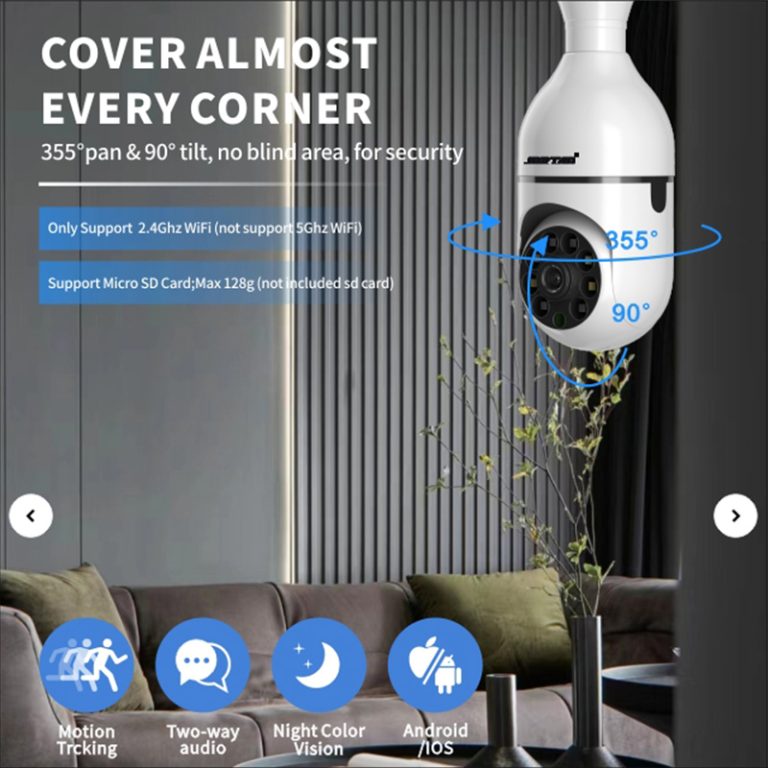
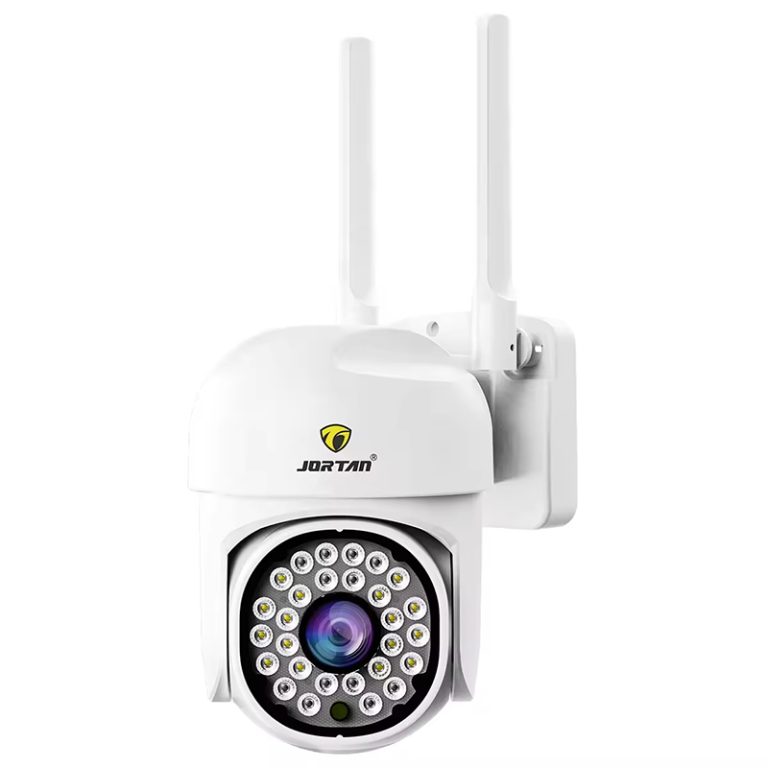
Jortan’s professional-grade surveillance solutions exemplify the integration of cutting-edge technology with practical usability. Their range is designed for both standalone setups and scalable enterprise networks — giving professionals confidence in performance regardless of deployment complexity.
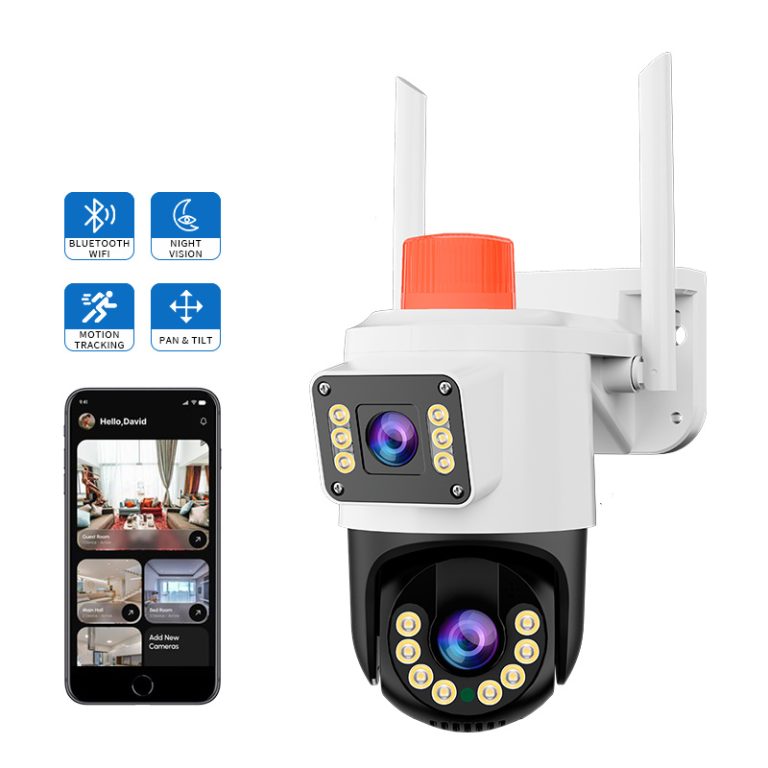
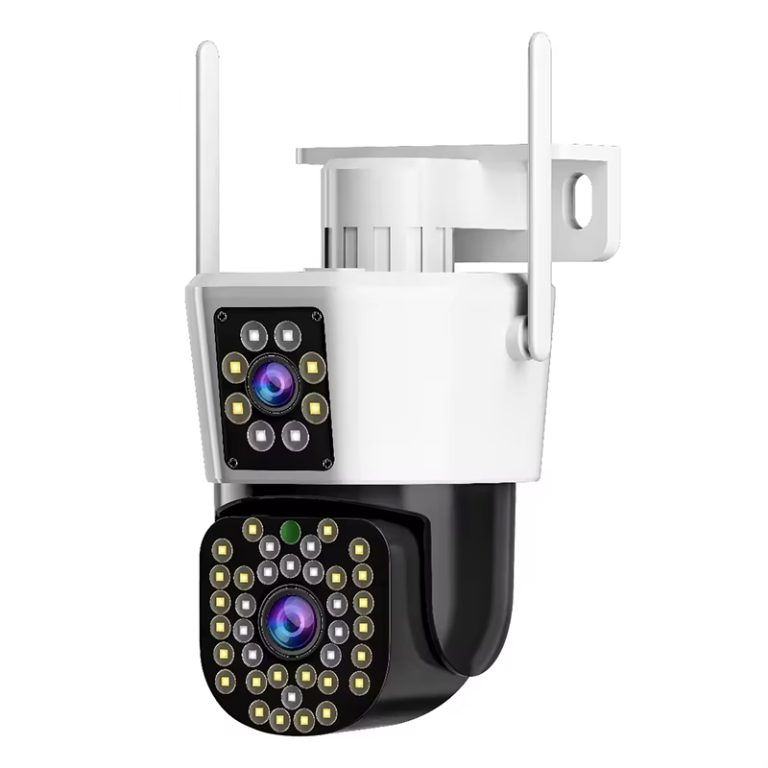
The JT-9689UQJ stands out with clear picture joined with better night sight skills. Its edge compute platform backs live review right at the camera source—cutting band loads while letting quick danger spotting. The strong build makes sure trust work even in hard spaces where evenness counts most.
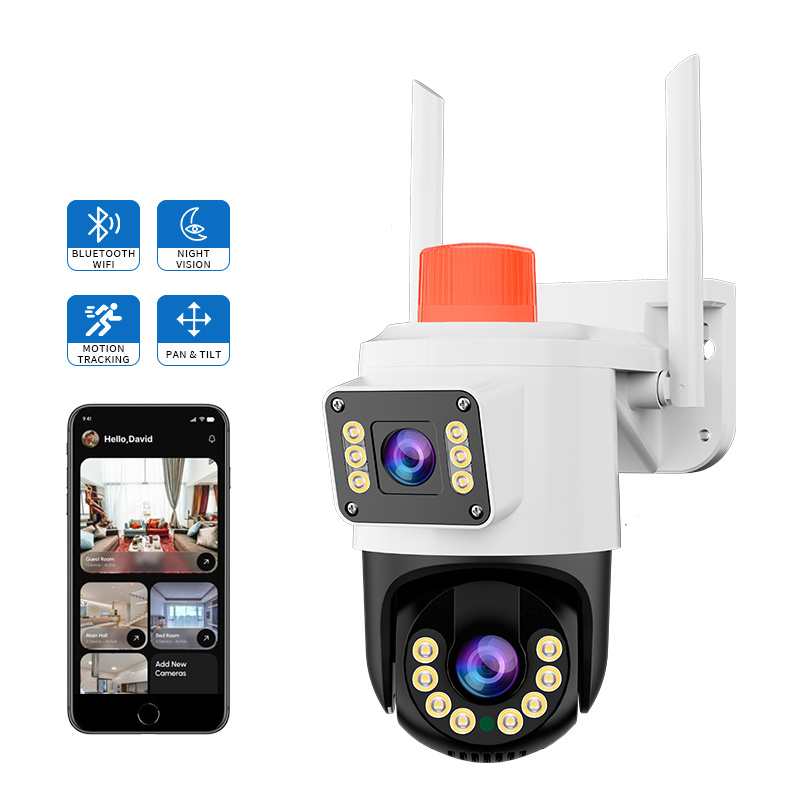
At the same time, the JT-8293QJ gives money-saving cover without losing key traits like smart move track and far reach. This makes it ideal for commercial environments looking to scale gradually while maintaining reliable situational awareness.
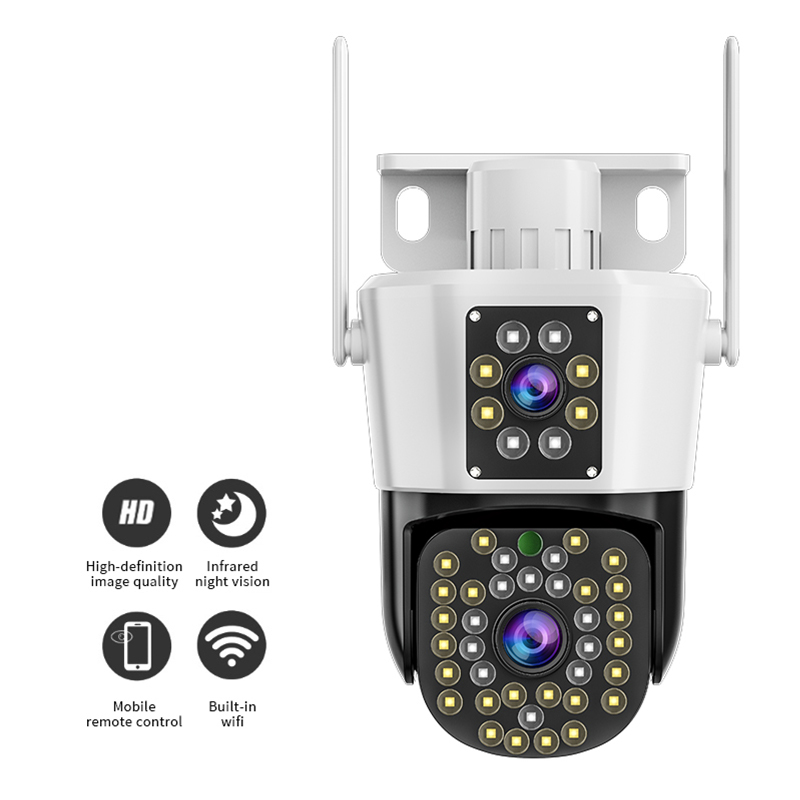
Both models show Jortan’s promise to real new ideas—giving tools that not only record but actively read risks before they turn into events.
FAQs
Q: What factors should be prioritized when selecting a surveillance system for industrial use?
A: Key points include lasting power under hard states, clearness, join skills with current systems, and back for live review.
Q: Can surveillance systems help reduce operational costs in large facilities?
A: Yes, by auto watch tasks, cutting need for always human walks, and giving data views that raise work flow over time.
Q: How often should surveillance equipment be upgraded or maintained?
A: Regular care should happen every three or six months based on use strength; upgrades suggest every 3–5 years to keep up with changing dangers and tech levels.