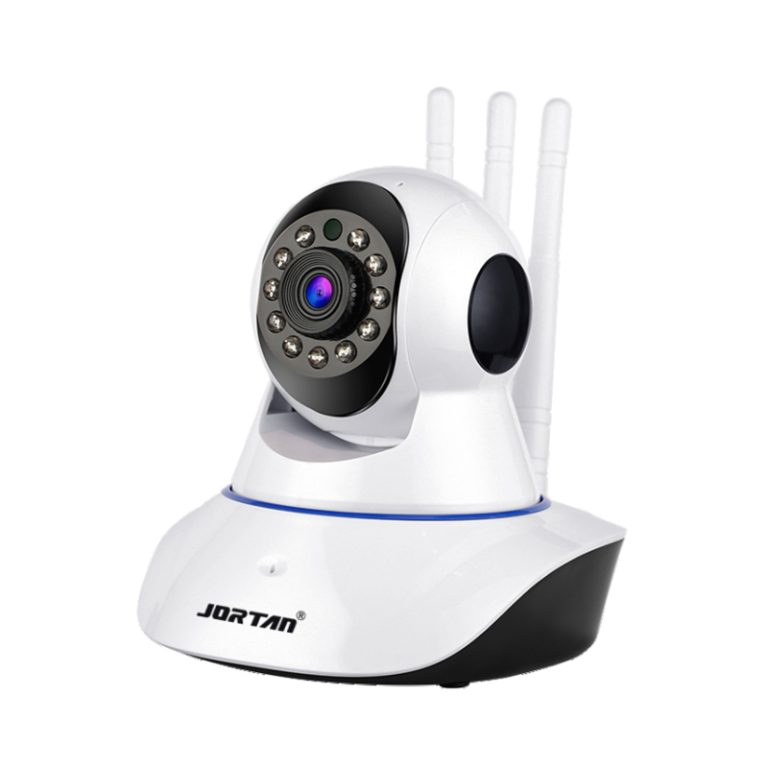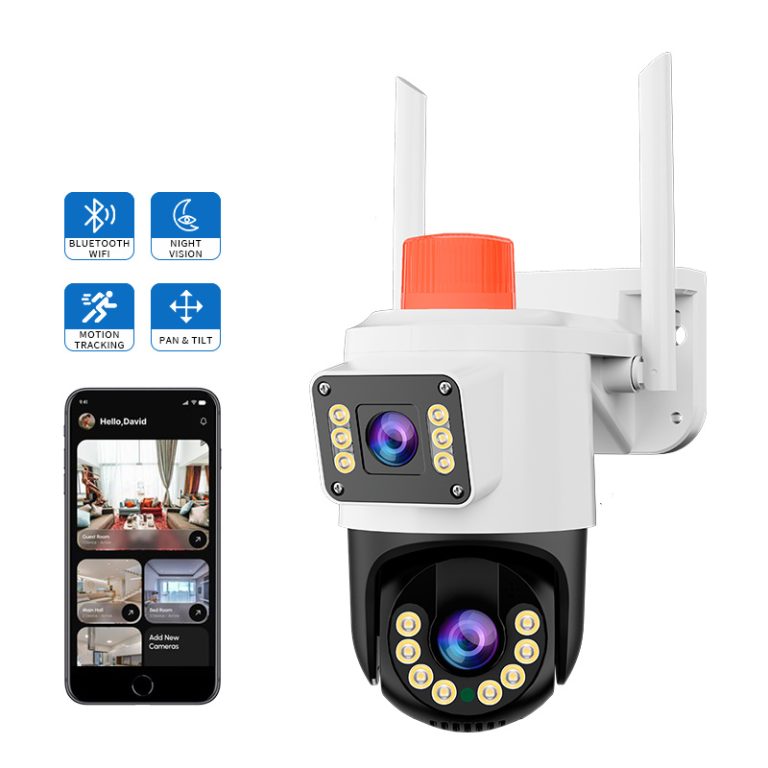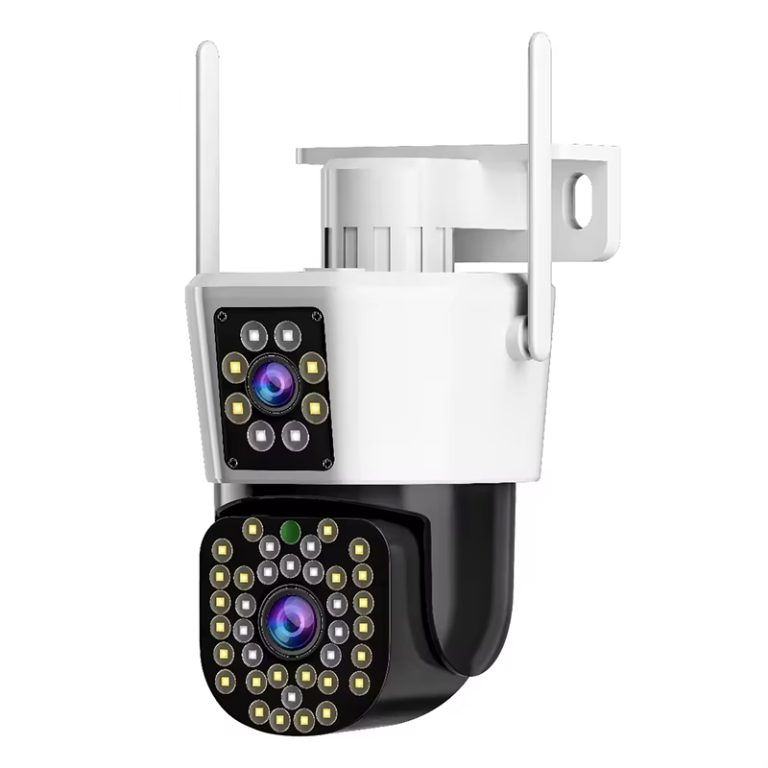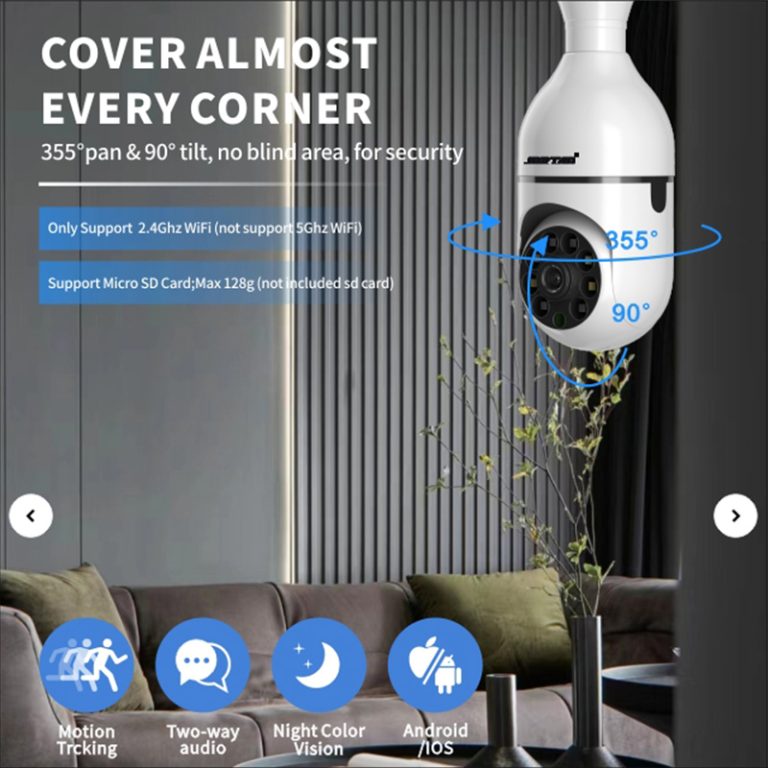
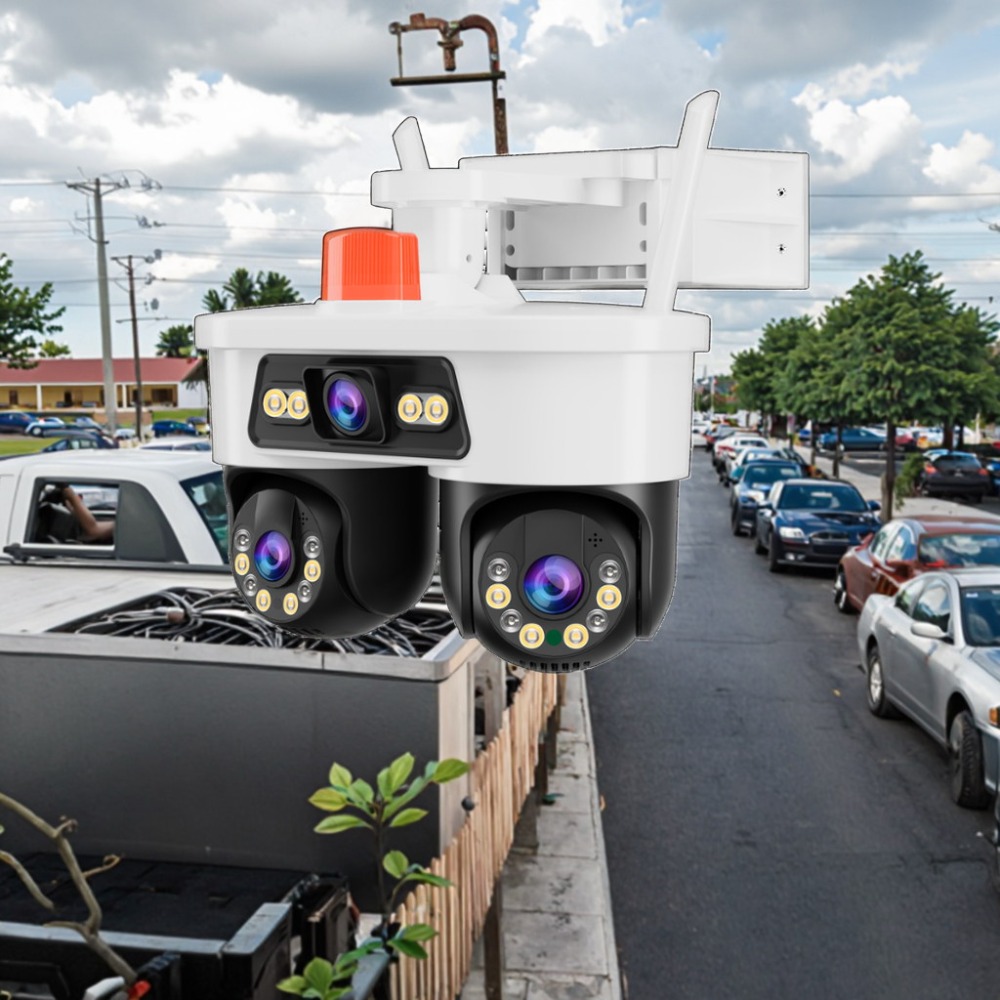
The field of security has experienced a big structural change. Residential and business monitoring now clearly moves away from closed-loop wired analog systems toward smart wireless systems using local processing. Among installation experts and security specialists, agreement grows stronger: outdoor wireless IP cameras provide a better balance among easy installation, intelligent features, and overall expenses than older fixed systems. This article examines the technical architecture and practical strengths that make these devices the leading option for modern perimeter protection.
What Makes Wireless Architecture Superior to Wired Systems?
The biggest obstacle with traditional security setups involves physical connections. Wired arrangements demand long cable runs—often coaxial or Ethernet—that are difficult to install, time-consuming, and visually unappealing. Wireless designs address these problems, as they fundamentally change the installation calculus.
How does installation flexibility impact cost?
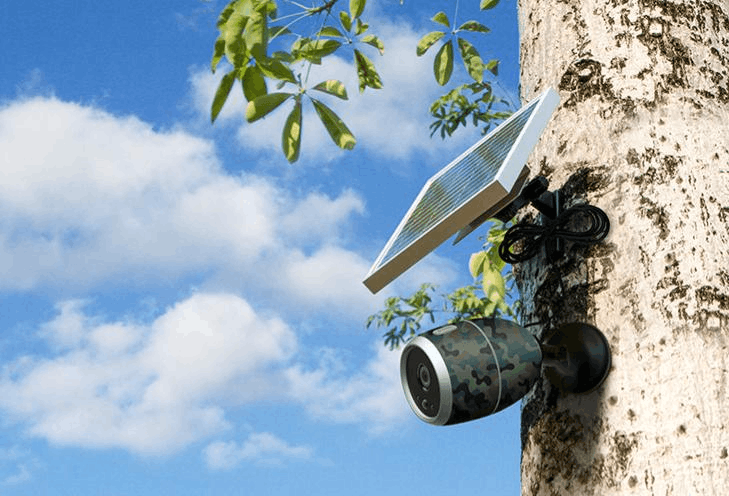
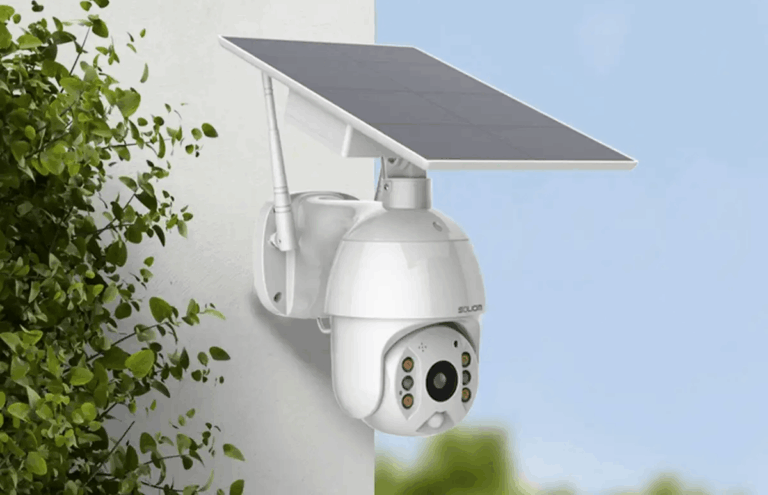
Cutting out extensive wiring directly lowers workforce hours and material expenses. Wireless IP cameras function through Wi-Fi standards or 4G connections, requiring only nearby electricity—or, in the case of solar-powered units, achieving total independence from the grid, which makes quick installation possible in hard-to-reach spots like separate storage buildings, wide garden areas, or entry gates that once carried high wiring costs.
Modern equipment also shows improved resilience against the weather. Devices built to IP66 waterproof and dust-proof levels continue working reliably during harsh conditions. This protection level means the housing blocks dust completely and withstands strong water streams, stopping water damage that harms ordinary devices. Besides, removing the need for trenching and extensive drilling sharply reduces starting costs and setup duration.
Can wireless signals maintain stability?
Earlier worries about wireless video centered on delays and heavy data use, which are largely solved by the H.265 compression technology. H.265, also called High Efficiency Video Coding (HEVC), achieves roughly twice the compression of H.264 while keeping similar picture quality. As a result, clear video feeds, even reaching 4K or 6MP, require much less network capacity and storage space.
Newer wireless parts include strong antennas and smart encoding methods that keep steady transmission despite changing network conditions. This reliability minimizes video interruptions and reduces visual flaws, overcoming delay concerns common in previous wireless security generations.
How Do Advanced AI Algorithms Enhance Security Protocols?
Equipment performance depends heavily on the supporting software. Adding Edge AI changes cameras from basic recorders into active protectors able to separate real dangers from harmless background activity.
Why is human detection crucial?
Unwanted alerts caused by moving branches, bugs, or shifting shadows lead to constant unnecessary notifications and users’ tiredness. Current wireless IP cameras apply AI-driven human detection methods to ignore false triggers. Through examination of object shapes within view, alerts activate solely upon recognizing human forms.
How does Jortan ensure quality in camera production?
Reliable hardware backing such smart processing requires careful production. Zhejiang Jortan Electronic Technology Co., Ltd. holds an important place in this network. Dedicated to electronic technology, our company combines manufacturing, commerce, research, and planning inside a space larger than 30,000 square meters.
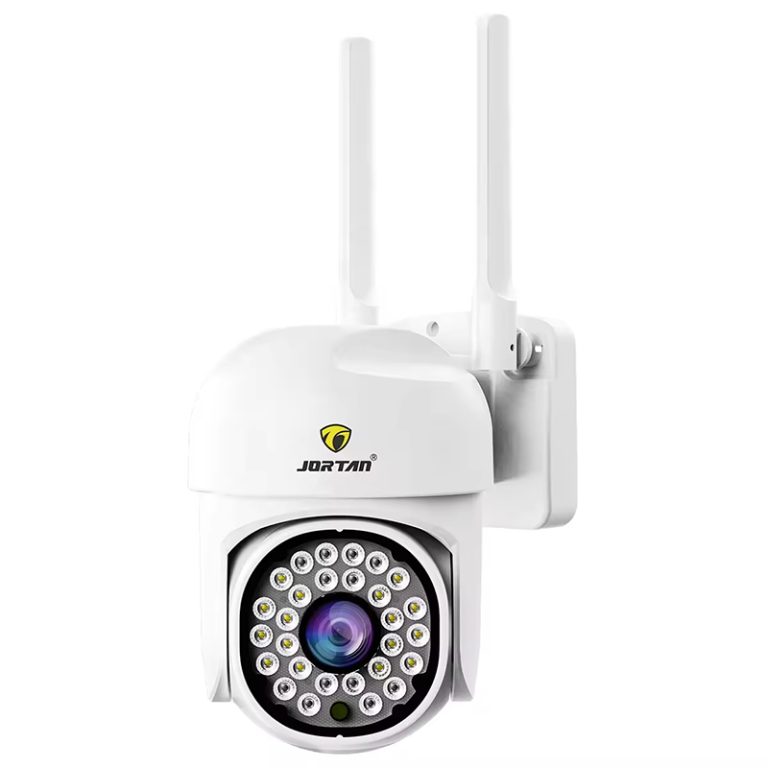
Unlike companies that simply assemble outside parts, Jortan keeps a capable development group and modern production lines. Our full-process production control ensures every element, from processor chips to outer casing, reaches the strict quality requirements. Such thorough production supports dependable advanced capabilities in the JT-8176XM outdoor wireless IP camera, which includes strong human recognition features to cut invalid alerts and deliver accurate warnings.
What is the benefit of auto-tracking?
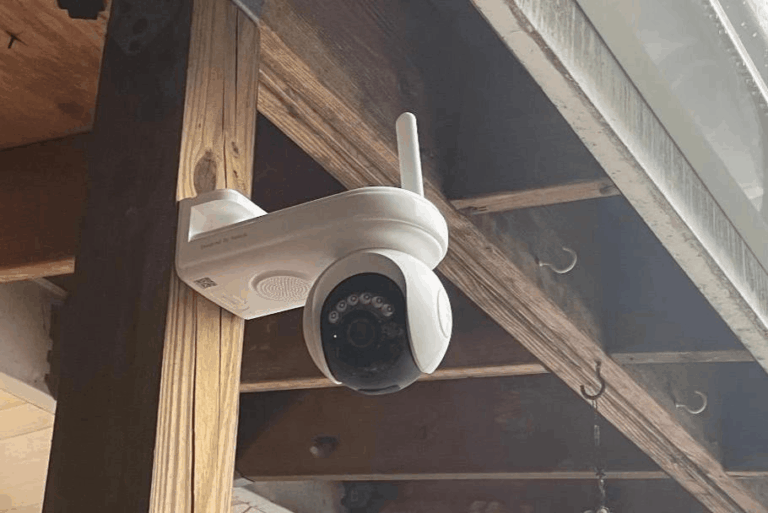
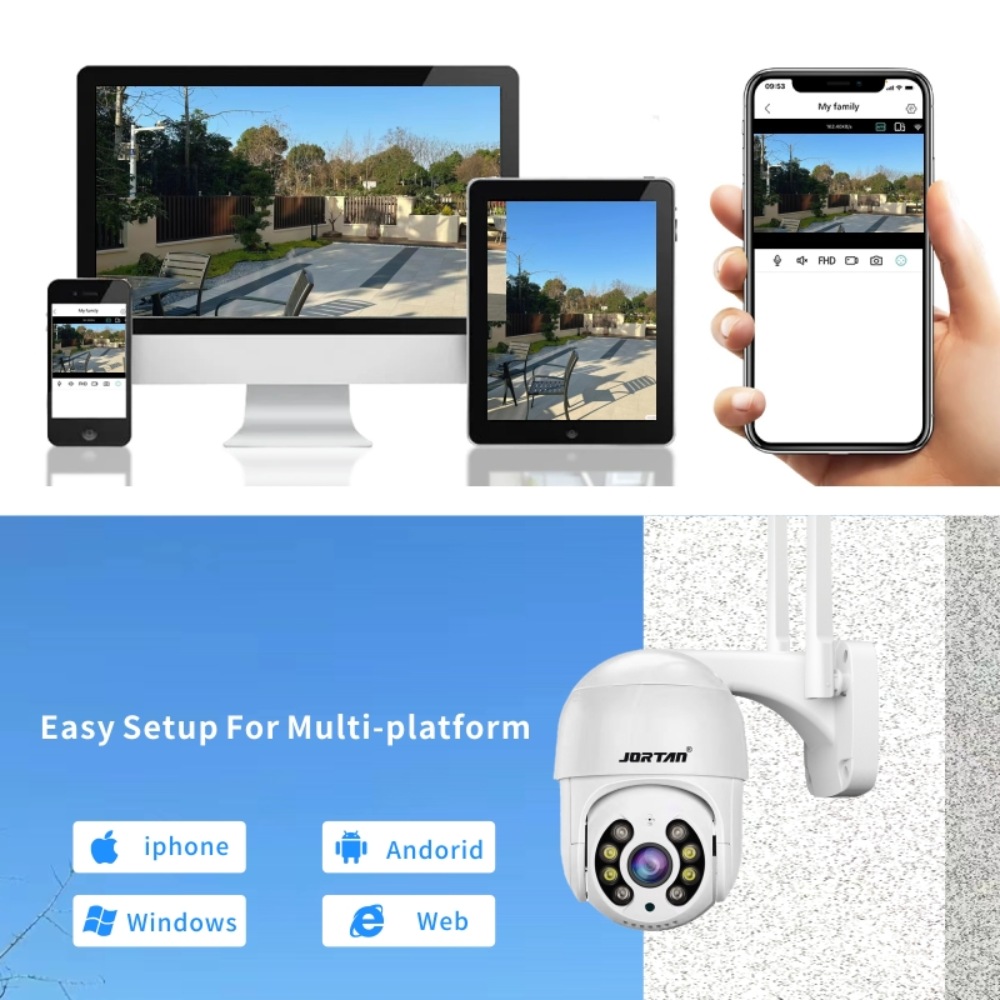
Fixed-position watching leaves gaps in coverage. Upgraded IP cameras combine PTZ (Pan-Tilt-Zoom) movement with smart following. When something enters the monitored zone, the unit turns automatically to track the path, recording the full sequence.
This feature often includes “Point-to-View” operation. On smartphone screens, touching any area directs the moving lens there immediately, which means to maintain important details without manual searching. Combined with the full 360° horizontal and wide vertical range, the system achieves complete scene awareness that static-lens models cannot provide.
How Does Night Vision Technology Determine 24/7 Reliability?
Many security events happen after dark. Therefore, strong low-light ability defines overall system effectiveness.
What is full-color night vision?
Standard infrared (IR) setups create black-and-white images, missing key details like garment colors or vehicle types. However, newer approaches use smart dual-light systems (infrared and white light). During quiet periods, discreet IR keeps operation hidden, while, once sensing relevant activities, white LEDs turn on for full-color night views, which deliver clear daytime-like pictures and act as a visible warning to possible intruders.
How does image processing improve clarity?
Besides lighting, built-in image signal processing (ISP) contributes greatly. Methods including 2D/3D noise reduction and digital wide dynamic range (DWDR) balance exposure in difficult lighting. Shadow areas stay visible while the grainy appearance drops in dim conditions. For demanding clear monitoring, the JTZ-9690 Pro outdoor wireless IP camera applies these processing techniques with a capable CMOS sensor to produce high-quality visual records.
Why is Data Storage Flexibility Essential?
Strong security planning needs backup options, and just depending on one storage type creates the risk of total loss.
Is cloud storage safer than local storage?
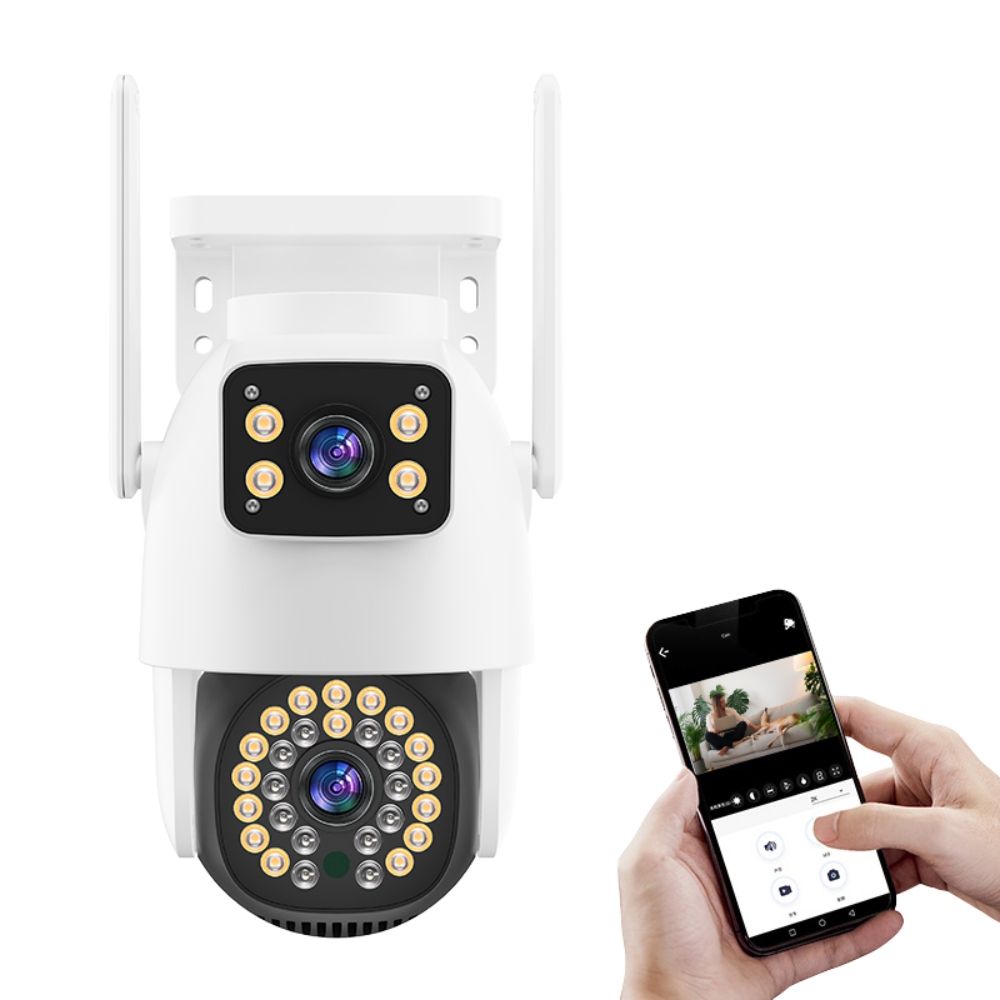
Control over information and easy access matter greatly. Current systems usually combine approaches. On-device recording through TF cards (often handling 128GB or 256GB) allows independent edge storage without network needs, with automatic overwriting of older clips. At the same time, protected cloud storage keeps footage safe and reachable remotely, even if the unit suffers damage or removal.
Advanced “AOV” (Always on Video) methods balance power use with steady recording. Low-speed capture (1fps) runs during quiet times, switching to full speed (25fps) when activity appears, which keeps complete event records without draining storage or battery quickly. The double-storage setup maintains data reliability in every situation.
FAQs
Q: Do wireless outdoor IP cameras require a constant internet connection to record?
A: Not always. Remote viewing and cloud backup need internet, yet many models support local TF card recording. Footage continues saving on the device during temporary network loss, preventing missing evidence.
Q: How does the camera handle false alarms caused by pets or moving trees?
A: Present-day units feature AI detection parts built to ignore non-human sources. Using human-form recognition and defined alert zones, the system overlooks triggers from animals, insects, or wind-blown plants, focusing only on actual security risks.
Q: Can I view the camera feed from multiple devices simultaneously?
A: Yes. Professional IP camera platforms commonly allow shared access. Through the official mobile application, the main user can grant viewing rights to family or staff members. Several people then watch live feeds at once without sharing the main account credentials.