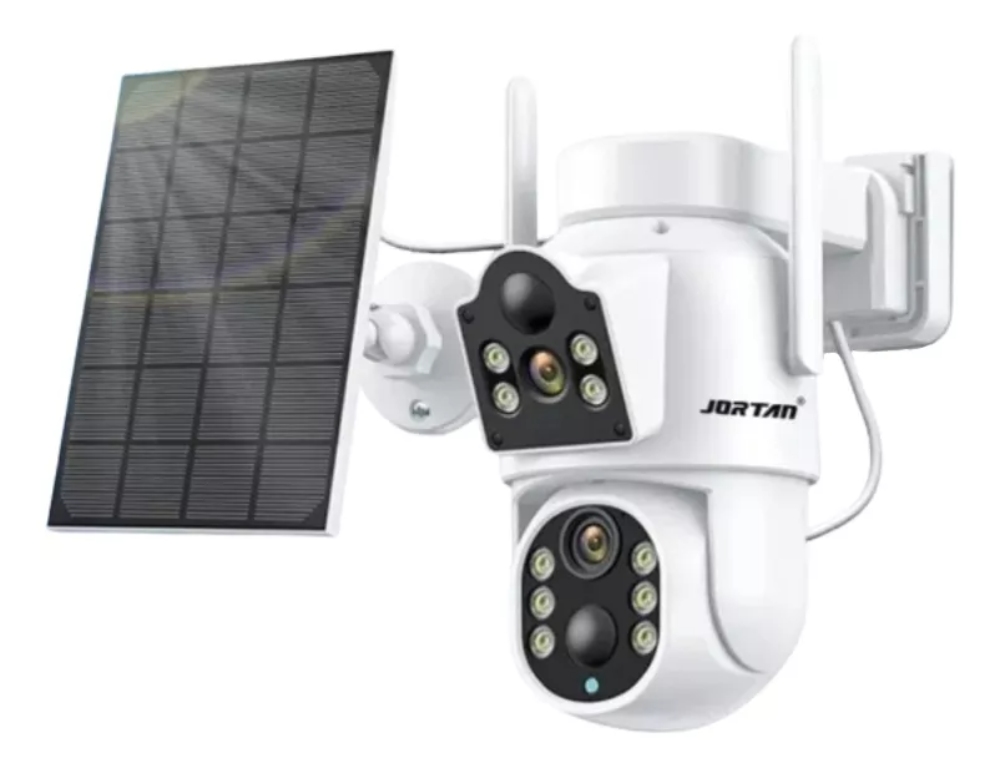
Low-power WiFi solar cameras do not represent a fad fueled by innovation or passing consumer interest. Instead, their popularity stems from a fundamental change in the way surveillance setups are planned, installed, and sustained under practical limitations. With observation spreading past permanent structures into short-term, isolated, or minimally equipped settings, old expectations regarding electricity supply, cabling, and service intervals quickly become invalid. Consequently, designers place greater emphasis on self-sufficient energy, simplified connectivity, and installation flexibility. Such considerations clarify the transition of low-power WiFi solar cameras from specialized tools to standard options in a wide range of situations.
Why Has Power Consumption Become the Primary Design Constraint?
Access to electricity currently determines the very feasibility of surveillance installations in numerous places. In reality, energy is no longer a secondary element but a decisive boundary that influences all remaining choices.
Why Does Always-On Power Fail in Real Environments?
Permanent power strategies rely on stable grid access, regulated installation conditions, and predictable maintenance schedules. Such conditions are difficult to exist universally across countryside regions, provisional locations, building sites, farmland, and scattered resources like perimeter barriers, water facilities, or modest premises. Running cables or adding separate electrical setups frequently exceeds the expense of the entire camera arrangement. Even in battery-dependent cases, regular swaps create additional labor overhead and operational gaps that undermine dependability.
How Does Low-Power Architecture Redefine Runtime Stability?
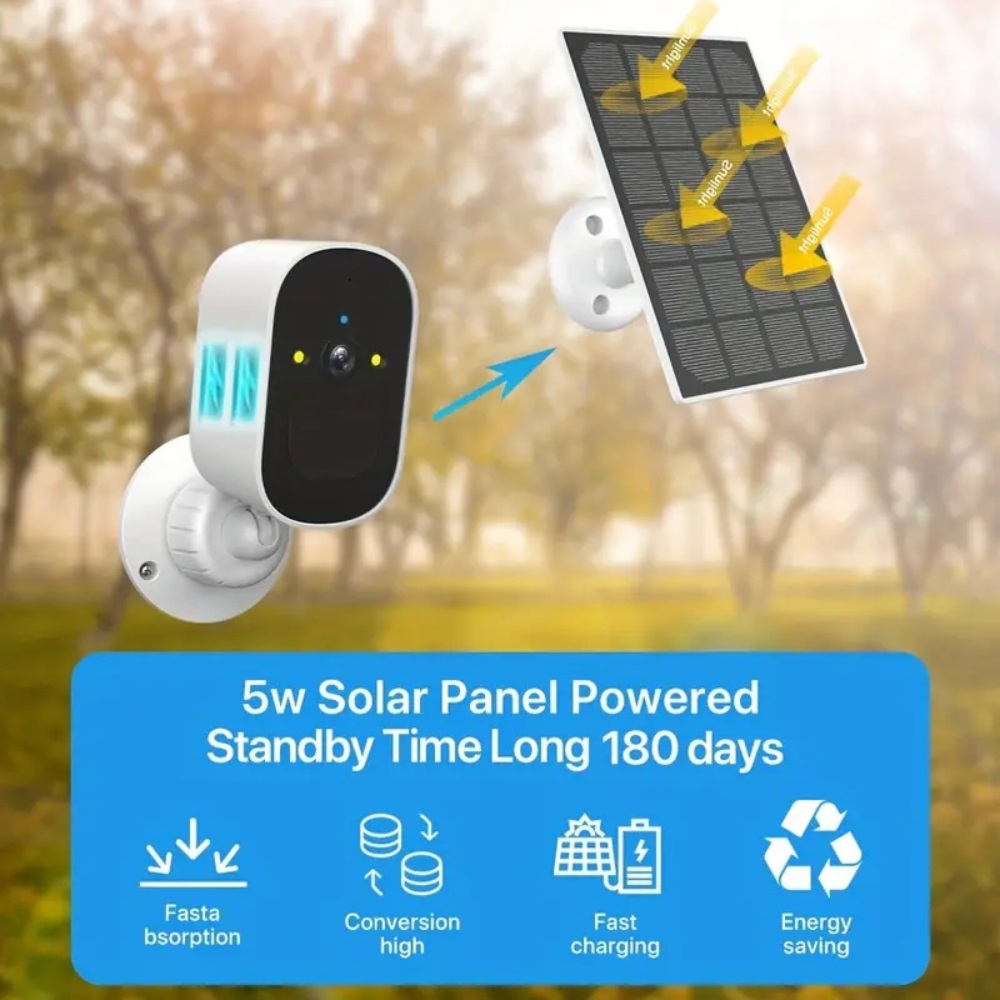
The low-power approach moves the setup away from nonstop functioning toward activity-based activation. Devices stay in profound standby mode during the majority of hours and wake solely upon detection of significant movement or events. This method reduces ordinary energy usage, enabling smaller batteries paired with solar collectors to sustain work for a long time. Operational stability is enhanced not because more energy is added, but because energy is consumed only when it delivers value.
Why Is WiFi Still Chosen Over Other Communication Methods?
Although various wireless technologies are available, WiFi retains a key position in low-power solar camera applications due to its effective combination of capability and ease of use.
How Does WiFi Fit Existing Network Infrastructures?
WiFi networks already exist in the residences, agricultural properties, storage buildings, and numerous exterior locations. Routers, connection points, and portable access devices remain readily obtainable and known by technicians. Such widespread recognition decreases installation duration and minimizes installation mistakes. In contrast to mobile network alternatives, WiFi does not produce constant data charges, and is easy to expand to multiple devices whenever several units function inside identical signal zones.
Why Does Local Bandwidth Matter More Than Long Distance?
Transferring video involves brief periods of substantial data speed instead of steady, minimal-rate streams. WiFi handles this requirement proficiently inside confined networks. Across numerous applications, the device merely transmits information to a close router or access point rather than over vast ranges. Prioritizing nearby transfer rates commonly yields superior overall performance compared with stretching coverage while increasing energy demands.
Why Does Solar Integration Change Deployment Economics?
Solar energy is not an extra feature but a core factor that transforms the assessment of surveillance initiatives.
How Does Solar Power Reduce Installation Friction?
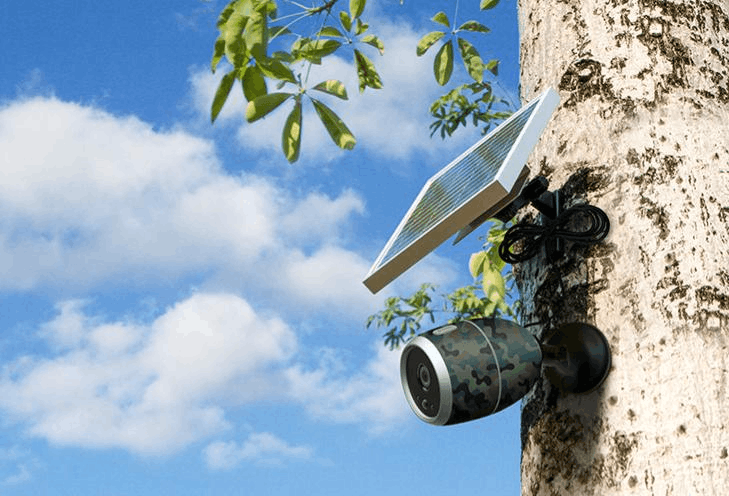
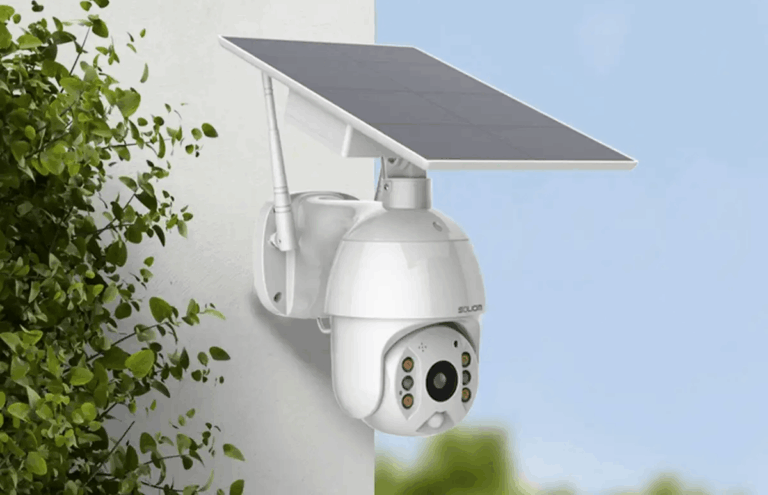
Reducing dependence on permanent wiring permits solar cameras to be positioned with very little groundwork at the location. As a result, approvals, workforce effort, and rollout periods diminish significantly. Initiatives previously needing extended planning can be concluded in a single day. In cases involving short-term or periodic observation, the option to place and later retrieve gear without modifying underlying structures is especially beneficial.
Why Is Panel-to-Battery Matching Critical?
Solar resource levels fluctuate according to climatic patterns, time of year, and positioning. Well-designed arrangements align collector production against storage volume so that sufficient reserves persist through prolonged dim conditions. Excessively large collectors squander materials, while inadequate ones threaten interruptions. Precise alignment ensures steady performance while avoiding superfluous expenditure.
How Do Low-Power Solar Cameras Adapt to Diverse Scenarios?
Versatility in different environments hinges on skillful coordination of detection processes and power resources.
Why Are Motion-Triggered Systems Preferred?
Activation based on detected motion synchronizes energy expenditure with significant occurrences. Rather than capturing vacant areas, the device reacts to situations warranting notice, thus reducing the storage needs, data transmission volume, and electricity requirements. From a functional standpoint, this practice enhances the usefulness of captured material and streamlines analysis and response to incidents.
How Does Environmental Variability Affect Design Choices?
Exterior placements encounter changing heat levels, moisture content, and illumination patterns. Low-power configurations need to preserve consistent behavior despite such shifts. Developers frequently value resistance to temperature extremes, protected housings, and flexible detection mechanisms ahead of superior image detail or capture speed. Reliability across inconsistent environments outweighs top-tier technical metrics.
What Makes Product-Level Implementation Truly Reliable?
Conceptual frameworks produce genuine benefits only through uniform application in actual devices.
How Does Hardware Integration Influence Energy Efficiency?
The choice of parts establishes fundamental electricity requirements. Sensors for imaging, processing units, and radio components need to cooperate smoothly instead of performing optimally in isolation. Close coordination lowers energy losses during transitions and avoids wasteful activation sequences. Properly paired platforms extend operational periods without adding unnecessary intricacy.
Why Does Firmware Strategy Matter as Much as Hardware?
Firmware controls the timing and manner of component activation. Suboptimal settings for awakening periods, ineffective compression methods, or superfluous ongoing tasks can compensate for the advantages gained at the component level. Well-crafted firmware focuses on rapid response to triggers, regulated information transfer, and reliable rest states, thereby converting theoretical savings into tangible field results.
How Can You Evaluate Practical Low-Power Solar Camera Options?
Choices rest on the degree to which a device corresponds to actual installation demands instead of abstract capabilities.
What Deployment Scenarios Favor Ultra-Low Power Models?
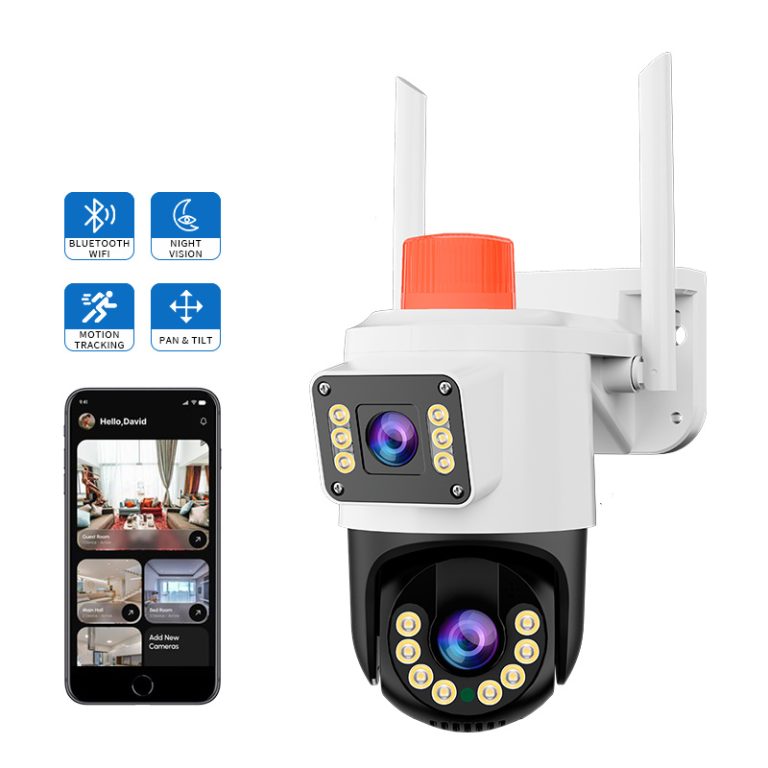
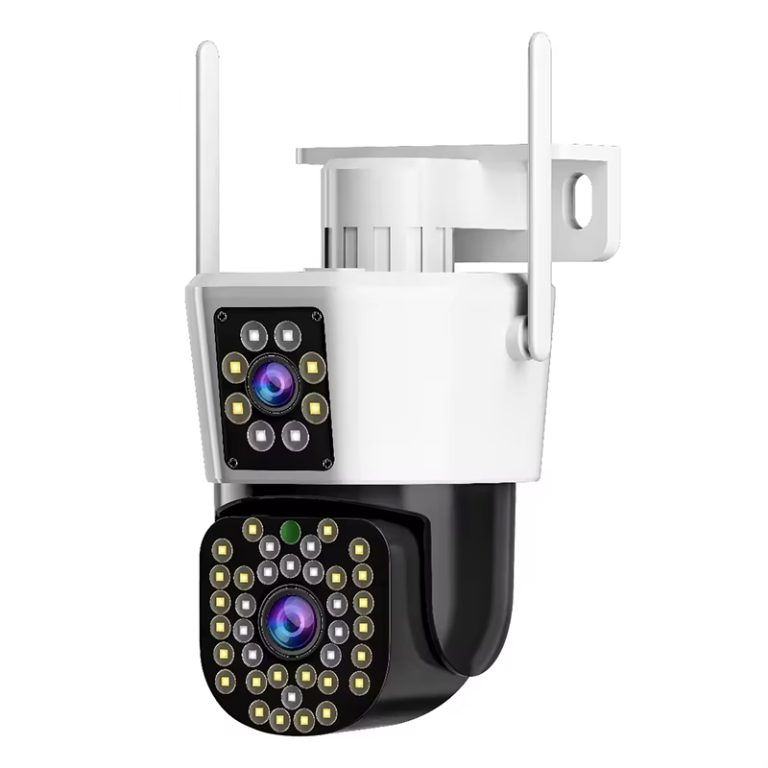
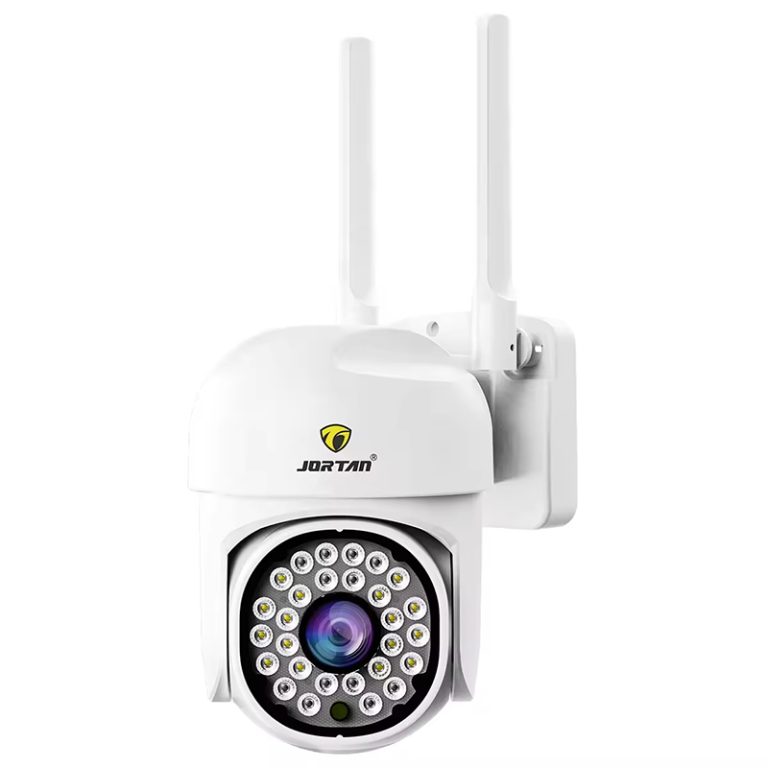
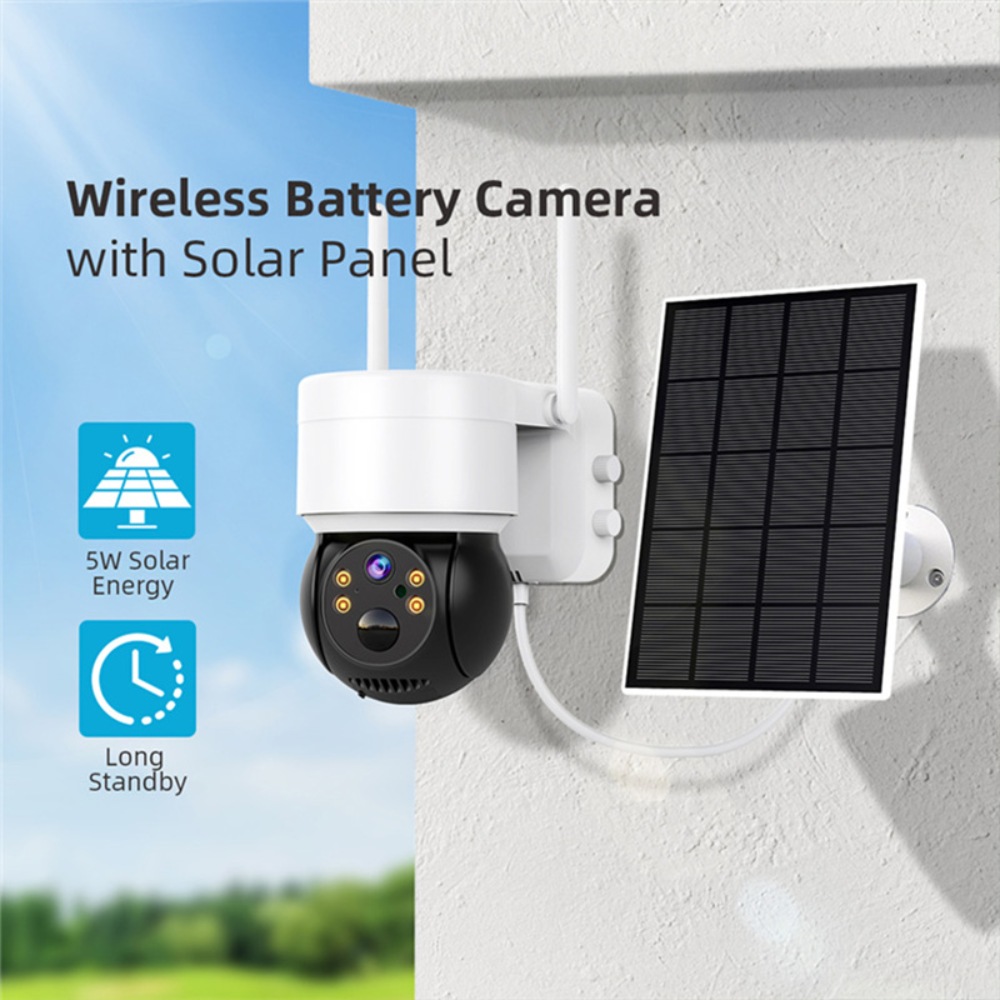
Ultra-low power variants are especially appropriate for sites offering scarce daylight, sporadic occurrences, or difficult entry. Under those circumstances, prolonged idle capability and trustworthy activation take priority. Systems built on such principles appear in products such as the JT-8258T low-power WiFi solar camera, which matches consumption patterns to occasional surveillance requirements instead of uninterrupted working.
How Do You Balance Performance and Power Budget?
Each extra capability draws from limited reserves. Increased clarity, extended capture duration, and quicker activation all compete for the same restricted energy allocation. Realistic assessment considers whether such additions provide substantial practical benefit. In situations calling for adaptable scenes alongside strict energy control, approaches comparable to the 8185XM low-power WiFi solar camera demonstrate effective balance without excessive strain.
Who Provides the System-Level Capability Behind These Products?
Besides standalone units, there is also an overarching capacity that governs uniformity, expandability, and sustained dependability.
Why Does Manufacturing Experience Affect Field Performance?
Experience in production impacts part procurement, construction precision, and inspection standards, which directly determine device behavior over extended periods outdoors. Steady low-power results demand consistent fabrication methods and a thorough understanding of interactions among components, software, and external pressures.
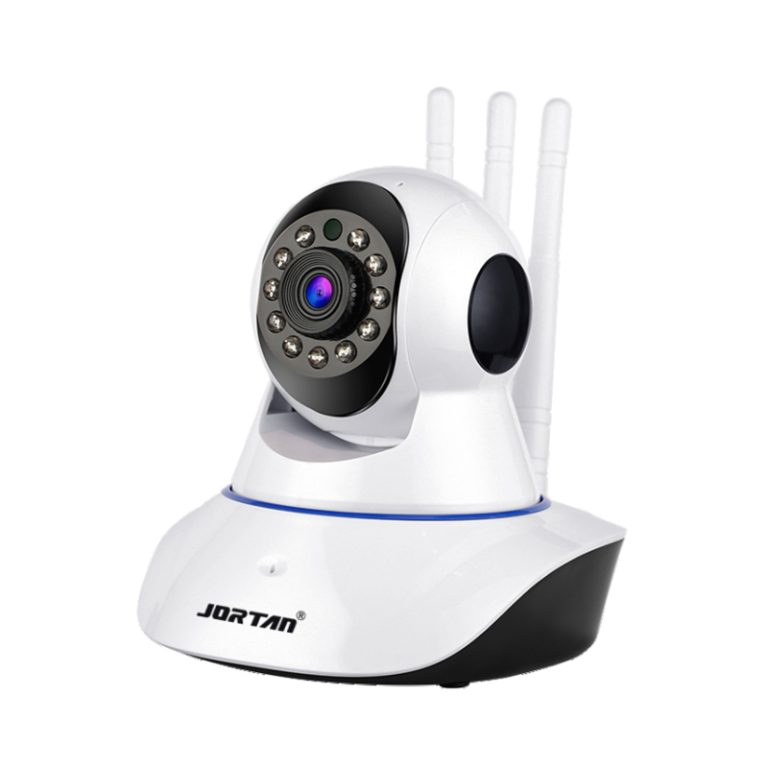
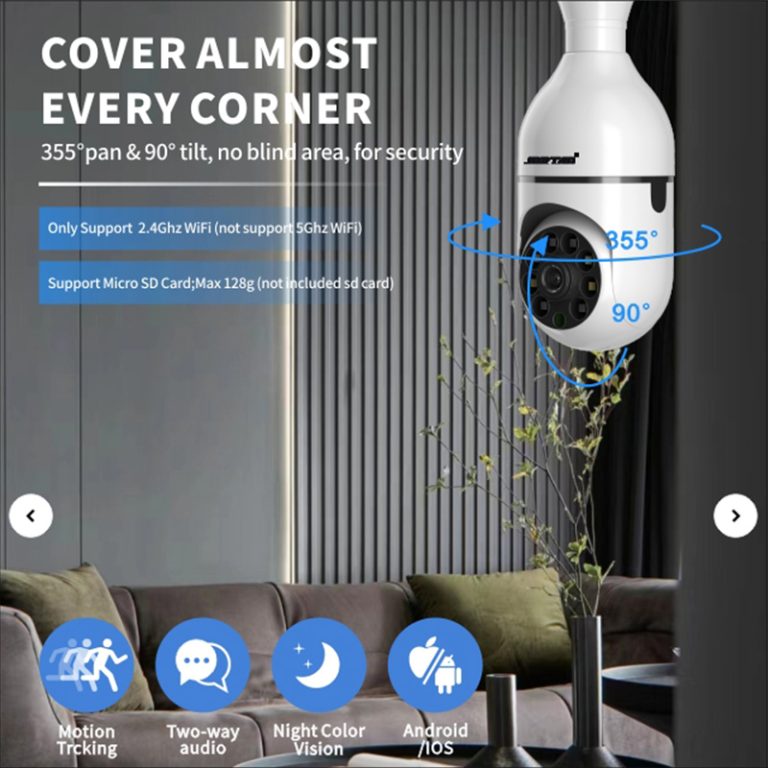
In this framework, Jortan works as a manufacturer oriented toward comprehensive solutions, concentrating on combining low-power principles, solar resource handling, and WiFi connectivity into functional surveillance equipment. Our development philosophy stresses ease of implementation, long-term consistency, and economic growth potential over single specification rivalry.
This overall viewpoint aids deployments where electricity, connectivity, and servicing limitations exist, enabling initiatives to progress from planning to active status with reduced unforeseen compromises.
Conclusion
Low-power WiFi solar cameras have achieved broad acceptance since they correspond closely to contemporary surveillance placement practices. They address limitations in energy supply, connectivity shortages, and expense management through structural effectiveness instead of gradual improvements. With observation extending further into less regulated areas, these systems offer a lasting answer to inherent limitations rather than a fleeting industry development.
FAQs
Q1: Are low-power WiFi solar cameras suitable for continuous monitoring?
A: They are engineered for event-based functioning. Nonstop recording contrasts with the energy framework and undermines prolonged reliability.
Q2: Does lower power consumption mean reduced reliability?
A: When correctly realized, decreased power usage enhances reliability through lower heat buildup, reduced servicing requirements, and fewer breakdown sources.
Q3: What is the most common mistake when selecting solar-powered WiFi cameras?
A: Emphasizing maximum technical figures rather than aligning power characteristics with genuine installation circumstances.