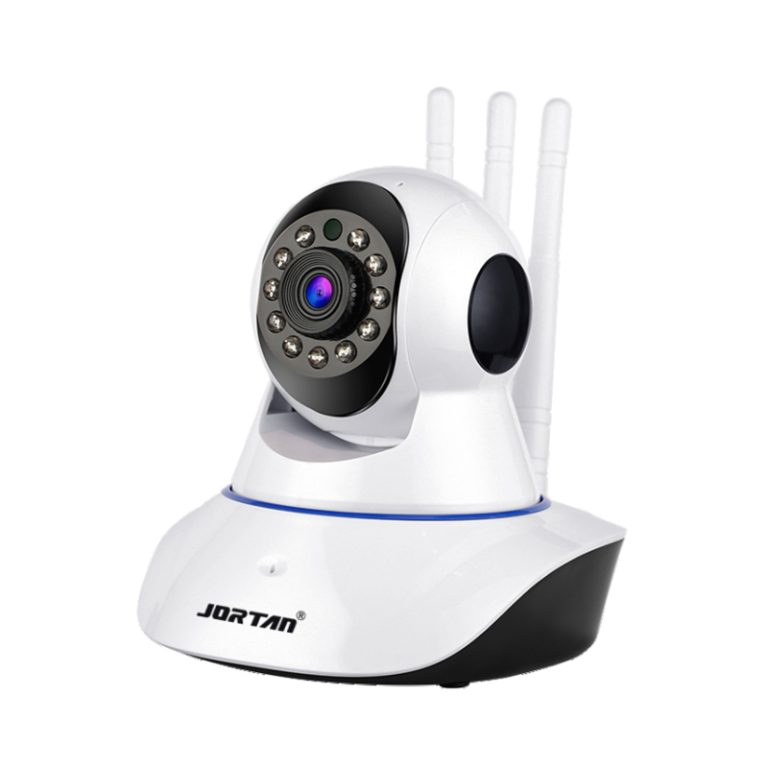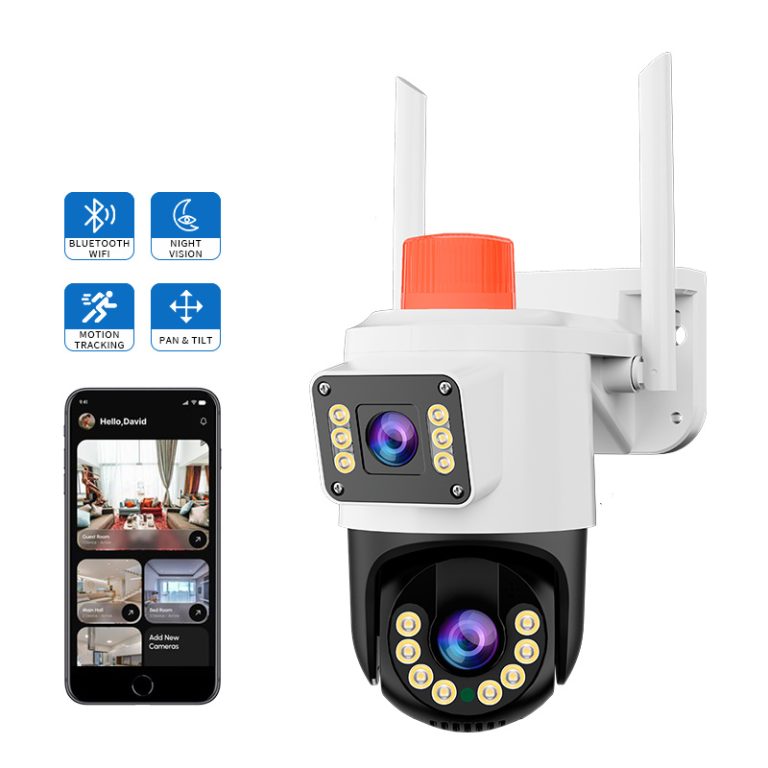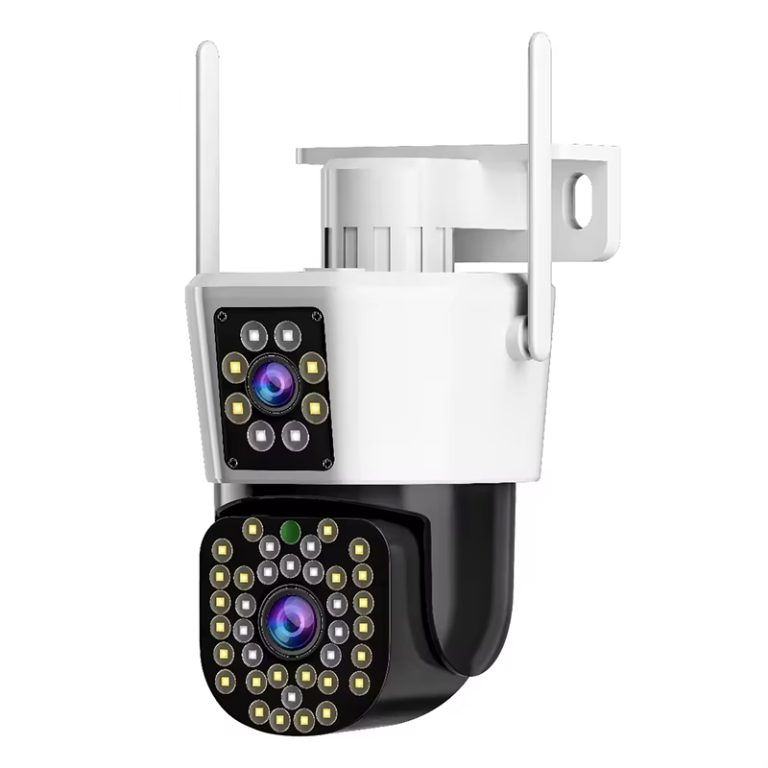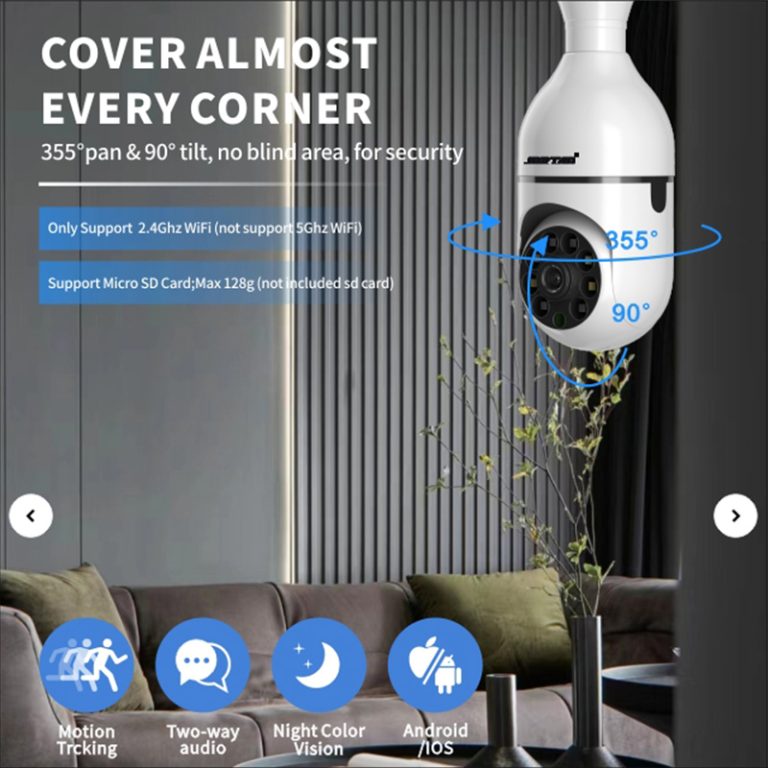

Solar Cameras are excellent for distant monitoring since they merge power self-reliance, steady wireless links, and smart imaging into one independent unit, whose high-performance is driven by solar panels and durable batteries. These devices function through power cuts and tough weather. LTE connections, AI detection, strong enclosures, and fast installation bring continuous, easy-care protection in places without grid access or difficult to reach.
Solar-Powered Monitoring in Off-Grid Areas
Why is energy independence critical in remote monitoring environments?
In zones with limited or unstable services, keeping steady power for surveillance systems poses a major challenge. Distant areas lack access to grid electricity or face regular blackouts. Solar-driven outdoor CCTV cameras supply a self-sustaining answer, enabling them to provide constant security without traditional power supplies. Equipped with monocrystalline silicon solar panels and lithium batteries, it can work continuously for 3 days even on rainy days, no longer relying on the power grid.
This power freedom reduces the need for expensive fuel machines or complicated cables, simplifies placement, and lowers running expenses. Moreover, solar-based surveillance units are active during crises or power losses, offering unbroken safety when standard setups might fail.
How does solar charging enhance long-term deployment?
Current solar cameras feature effective panels that gather energy even in cloudy weather. The 8W solar panel keeps adding power steadily, allowing nonstop work across the year. These units pair with smart battery control methods that improve charging patterns and stop over-draining. As a result, battery life grows much longer, and care demands drop.
How Do Solar Cameras Maintain Reliable Connectivity?
What wireless technologies ensure stable data transmission?
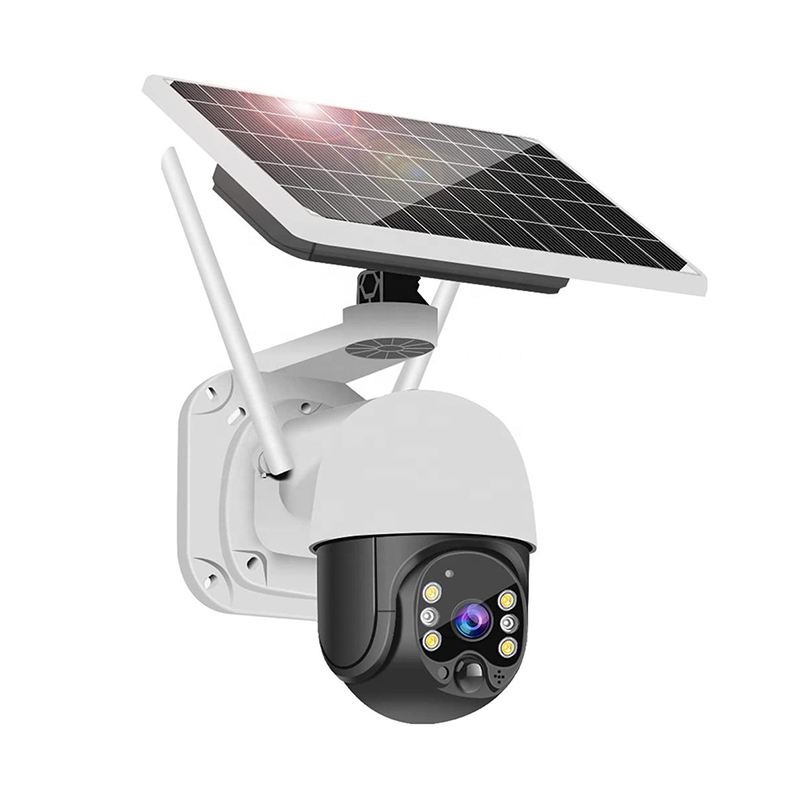
Remote spots usually lack cable networks, making wireless communication vital. LTE and 4G parts built into solar cameras allow them to send live video over mobile networks without depending on nearby Wi-Fi or wired web. In order to solve the installation difficulties without network and electricity, we have launched a low-power solar 4G camera kit to solve the problem of surveillance without network and electricity
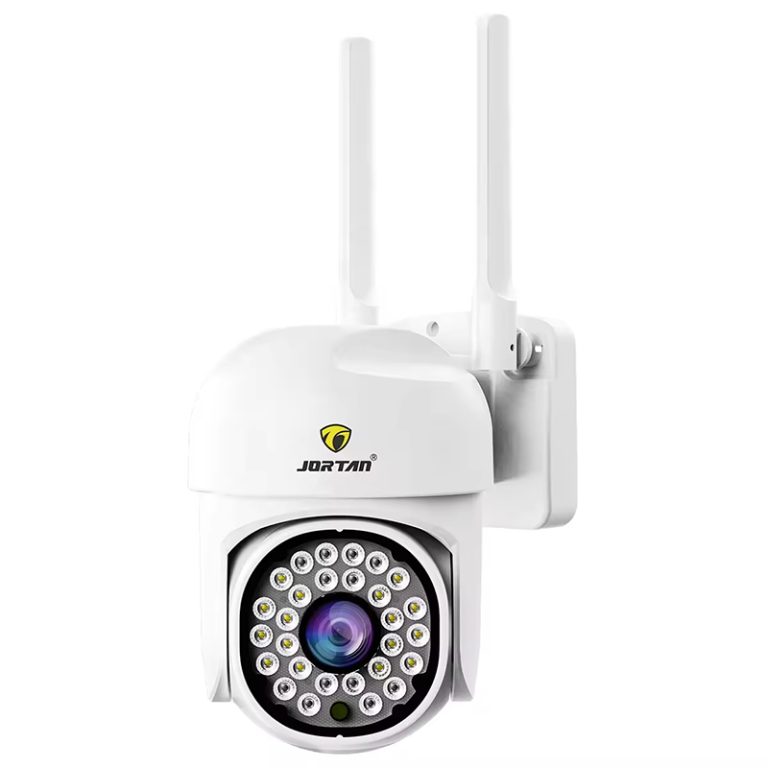
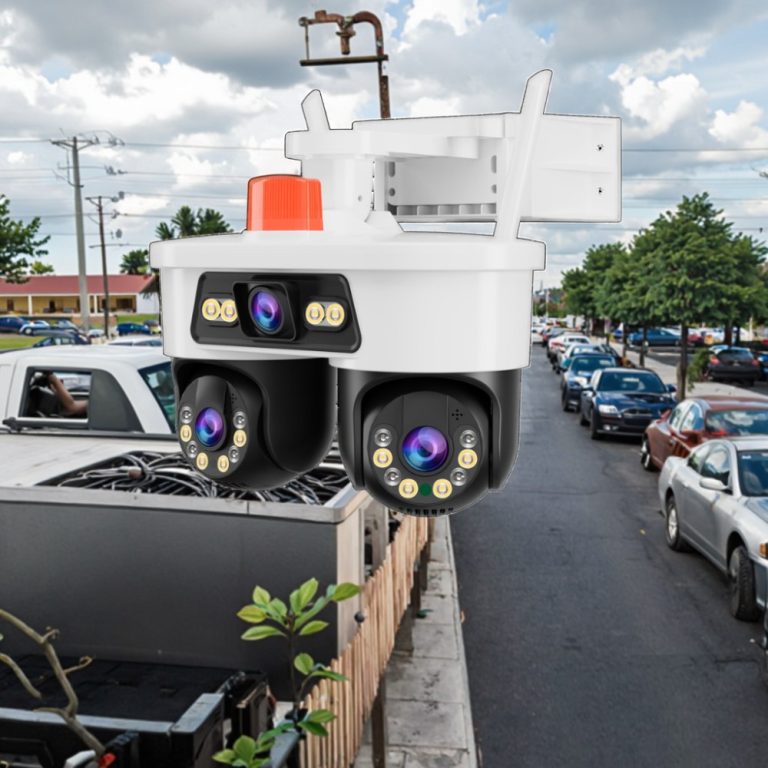
Devices such as the JT-8181XM-4G use LTE parts (LPG-X3-4GUS) to supply continuous connectivity. Equipped with double antenna setups, JT-8181XM cameras with LPG-X3-4GUS hold strong signals even in places with poor mobile coverage. Safe cloud joining further allows distant viewing, video review, and alert messages through phone apps.
How do cameras stay online in extreme environments?
Solar cameras placed in rough lands must endure changing weather and physical strain. These devices are housed in IP66-rated covers that ensure they can be used in extreme environments of -30℃~60℃.
To guarantee dependability in harsh settings, models like JT-8185XM pass strict testing steps, including 7×24-hour running at high heat. It ensures high reliability through comprehensive lightning protection compliant with both national and international standards, and maintains stable 7/24 operation under rigorous 65°C high-temperature testing, including whole-machine validation. Besides, adaptive bitrate streaming makes video clearness adjust to the current bandwidth, reducing delay while keeping sharpness.
Can Image Quality Be Maintained Without Wired Power?
What imaging features matter most for remote surveillance?
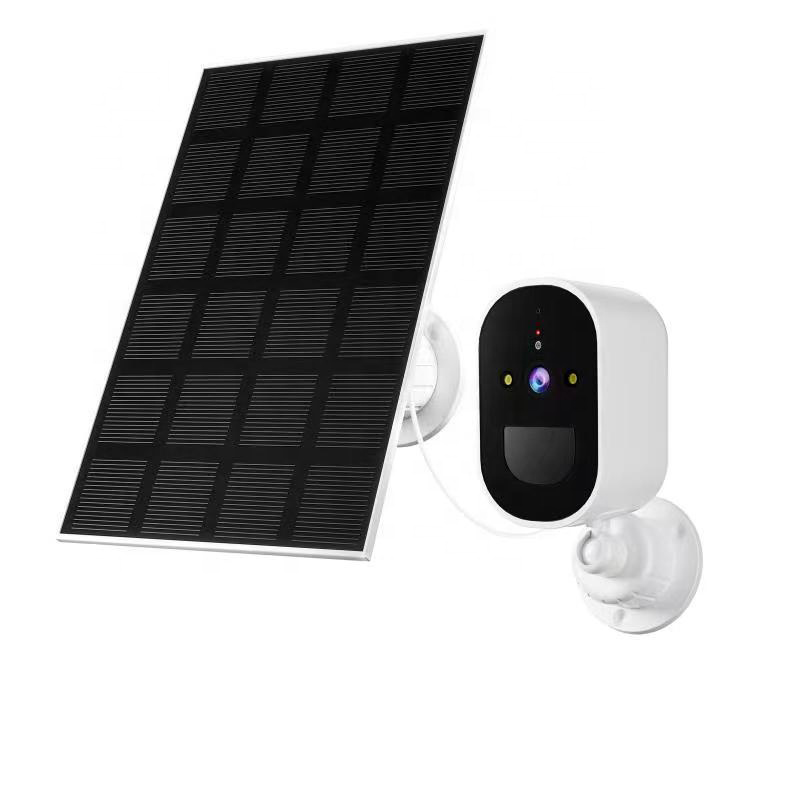
Watching in distant places often demands sharp picture detail for recognition and proof gathering. Current solar CCTV cameras combine advanced sensors. Low-light CMOS chips capture useful images in dim conditions. Equipped with a 4 million-pixel 1/2.7″ Q03 low-illumination CMOS sensor, this device supports resolutions up to 2K or higher, producing clear and detailed imaging around the clock.
Technologies like wide dynamic range (WDR) even out exposure in scenes with dark and bright parts. For night watching, infrared abilities give full sight in total darkness without extra lights. The inclusion of 2D/3D noise reduction enhances clarity by filtering out image grain caused by low light. educe the noise
How do smart detection features reduce false alarms?
AI-based reviews play a key role in delivering useful information from video streams. Features like PIR human body sensing enable cameras to distinguish between humans, animals, and vehicles, thus minimizing false alerts.
By setting custom alert areas, operators can target surveillance on important zones, while ignoring unrelated movement like activity such as moving leaves or small wildlife. Real-time push notifications ensure prompt response to verified threats without overwhelming users with redundant alerts.
What Makes Installation and Maintenance More Efficient?
Why is a plug-and-play setup important for isolated sites?
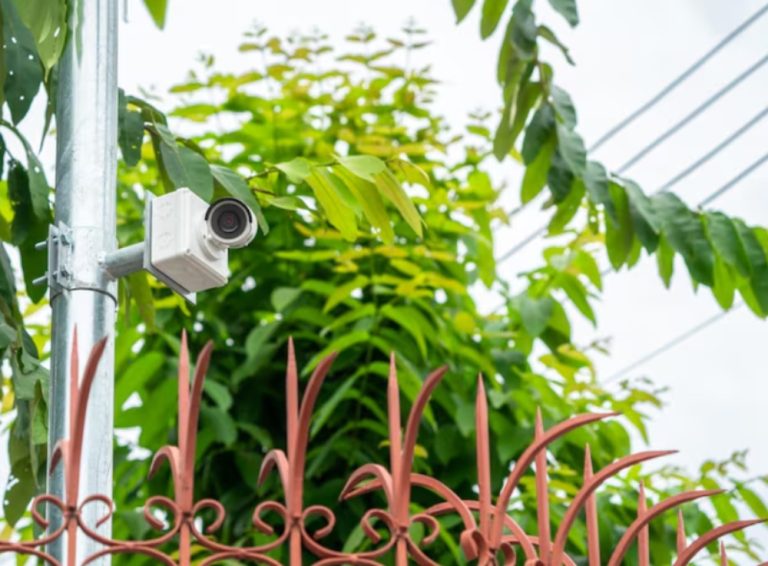
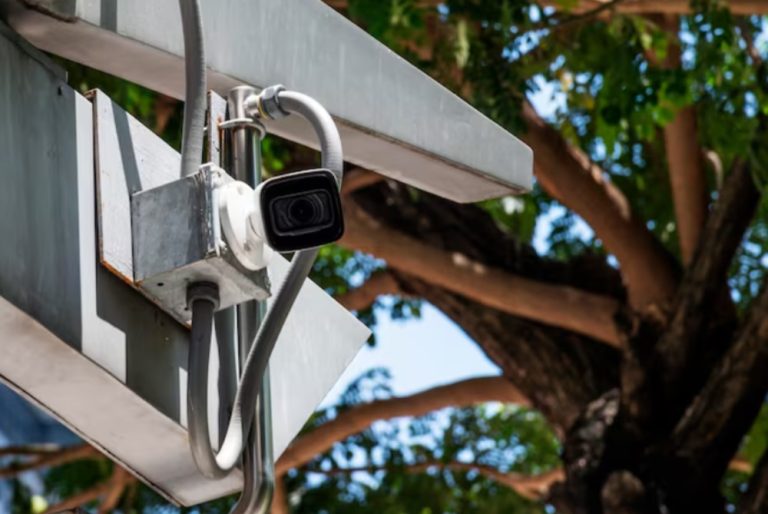
Rapid placement proves necessary in spots without support systems. Most solar outdoor CCTV camera sets are designed for a no-tool setup using mounting supports that fit poles, trees, or walls. Wireless connectivity removes the need for digging or pulling cables over hard ground.
Easy features like QR code reading simplify device linking via phone apps. Mobile watching works on both iOS and Android systems, allowing site leaders to start systems fast without expert workers.
How do self-diagnostic features support long-term use?
Ongoing trustworthiness is enhanced through built-in check tools that monitor the camera state from afar. Reset buttons allow system recovery with one press if special issues appear.
Software updates can be deployed over the air to patch weak points or add functionality without touching devices physically. Besides, performance records follow battery state across time, allowing proactive maintenance before system failures arise.
How Do You Choose the Right Solar Outdoor CCTV Camera?
What should you prioritize when selecting a model?
Selecting the proper type relies on weather states and watching objectives. Consider the wattage of the solar panel relative to your region’s average sunlight hours to ensure consistent charging. Evaluate sensor resolution (preferably 2K or above), WDR performance, IR range, and AI detection capabilities based on your monitoring goals.
Holding choices are also important—models like JT-8181XM and JT-8185XM accept local TF cards up to 128GB and cloud backup services. Ensure compatibility with your preferred video management system or standalone operation via mobile apps if ONVIF support is not available.
Why does product design influence long-term reliability?
Physical layout plays a vital role in strength and tamper defense. Compact shapes help lower wind force and reduce notification to possible intruders, and heat-spreading materials keep inner parts safe in hot settings.
Section-based builds allow for simpler swap of bad pieces, such as batteries or sensors, without a full device change, extending the lifecycle of the investment.
Which Products Offer Proven Performance in Real Deployments?
Why is Jortan a trusted name in solar surveillance technology?
For vital watching in off-grid settings, Jortan emerges by supplying tough results paired with smart traits suited for actual needs.
For example, the Jortan 4 solar camera delivers 2K clarity with AI motion spotting and effective solar charging, ideal for building areas or farm lands where grid power is lacking.
Higher models like the 8185XM solar camera raise this more with advanced LTE links and super-low-light sensors, designed to run well even in cloudy zones or thick woods where light stays low, but dangers stay unsure.
These traits make Jortan’s solar cameras a solid choice for experts handling the safety of key items outside usual service reach.
FAQs
Q: Can a solar outdoor CCTV camera work during continuous rainy days?
Yes, most types include big-capacity batteries that hold extra energy from sunny times to handle several days of low sun.
Q: Is LTE connectivity reliable enough for real-time video feeds from remote areas?
With good antenna setup and steady carrier reach, LTE can handle smooth live views and distant review even in country spots.
Q: Do I need professional technicians to install these cameras in the field?
No. Most solar cameras designed for self-setup using supplied mounting sets and a phone app help—no complicated cables needed.