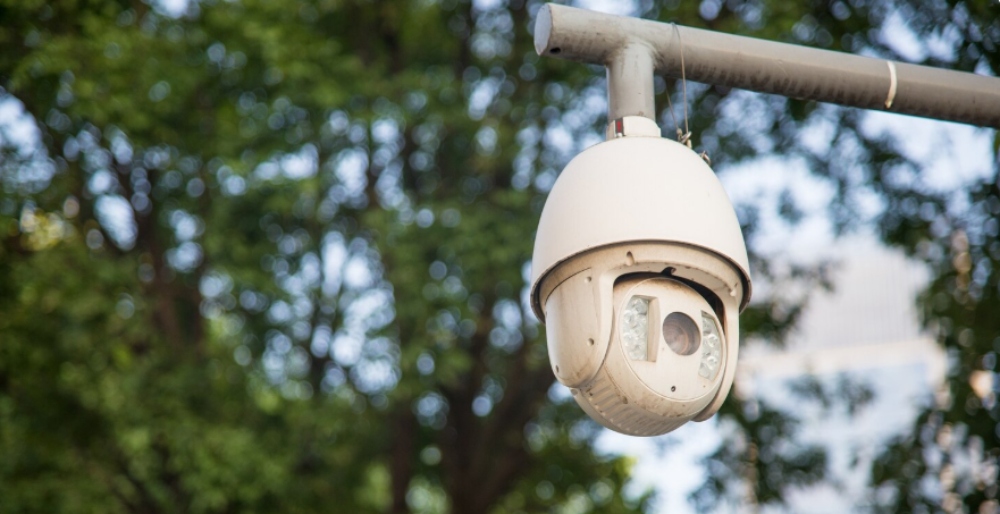
Establishing a robust perimeter in modern security requires a shift from reactive monitoring to proactive, high-fidelity data acquisition. Experts responsible for planning and installing wide-area external monitoring networks must carefully assess how mechanical accuracy, digital picture processing, and on-device smart features work together. The aim extends past basic viewing to ensure that each captured image delivers usable proof for investigation, capable of withstanding tough outdoor challenges.
How Does Advanced Imaging Architecture Redefine Forensic Reliability?
Dependable evidence collection begins with the initial information recorded by the sensing element. External settings feature unpredictable lighting conditions, positioning the internal camera design as the main safeguard against lost details.
Is 4K Resolution the Baseline for Depth?
The number of pixels is not just a promotional figure, but also represents the amount of information available for detailed analysis after recording. Employment of 8MP or 4K sharp imaging preserves clarity during enlargement of far-away objects, including vehicle registration marks or individual traits, preventing the distortion common with lesser sensors. Elevated pixel counts supply sufficient detail levels to retain proof quality when sections are isolated or magnified from stored video.
How Does AI-ISP Combat Extreme Low Light?
Conventional infrared methods frequently produce black-and-white pictures lacking important aspects such as automobile shades or garment designs. Modern AI-ISP systems embed machine learning straight within the processing sequence to generate colored visuals in settings dimmer than 0.01 lux. Through reduction of amplified noise and elevation of signal clarity by 6-12dB, the approach removes fuzzy effects and streaking associated with movement at night, permitting accurate recognition without bright white illumination that might signal potential threats or create unwanted glare.
What is the strength of Jortan in the field of PTZ camera manufacturing?
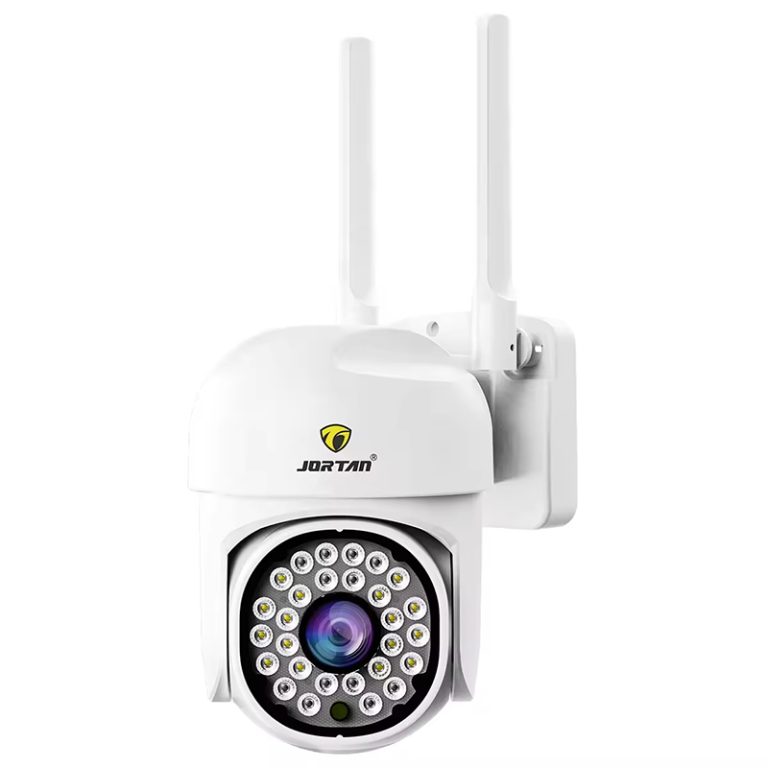
When examining available equipment meeting these demanding criteria, attention turns naturally toward producers managing complete development cycles. Zhejiang Jortan Electronic Technology Co., Ltd., located in Yiwu, demonstrates this unified control. Working from premises larger than 30,000 square meters, our company combines research, planning, and modern assembly resources in a single location. Our technical team concentrates on spreading sophisticated electrical methods, ensuring exclusive components, like AI-ISP and AOV units, meet the international standards. Through focusing on high standards and continuous technical investment, our company supplies reliable professional instruments refined via intense evaluations, including extended heat resistance checks, confirming steady operation during actual deployment. This direct involvement in creation enables quick progress, delivering devices shaped by practical demands instead of distant theory.
Can Multi-Lens Linkage Eradicate Surveillance Blind Spots?
Rotational movement offers strong capability, yet creates inherent weakness: the moment the lens focuses in one direction, activity elsewhere escapes notice.
Why Implement Gun-Ball Linkage Systems?
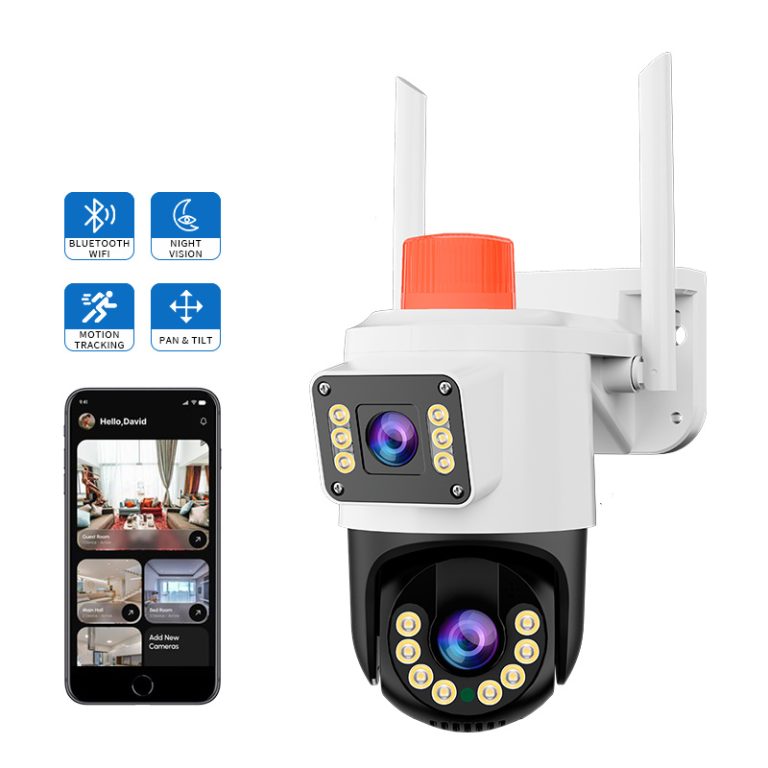
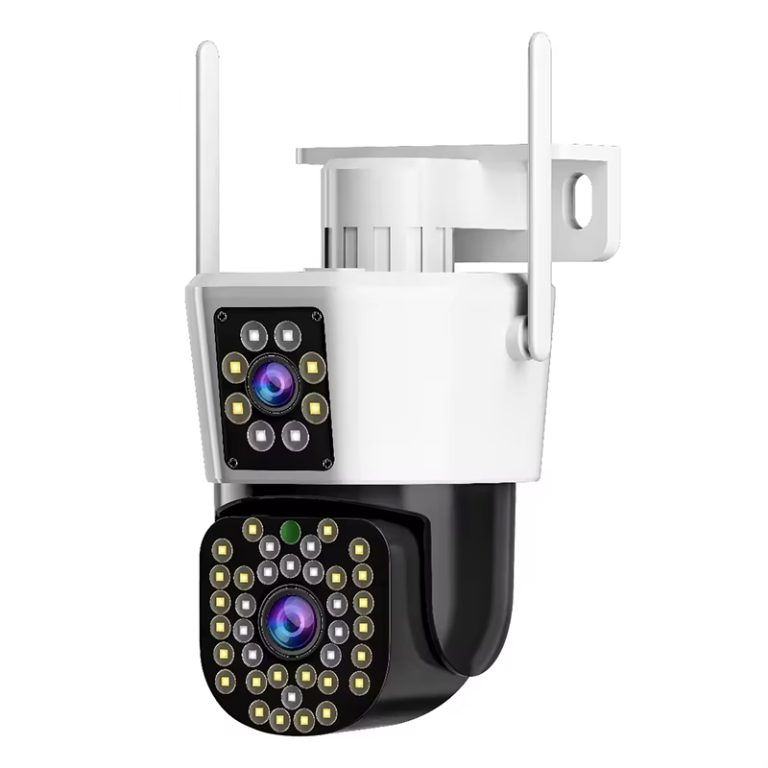
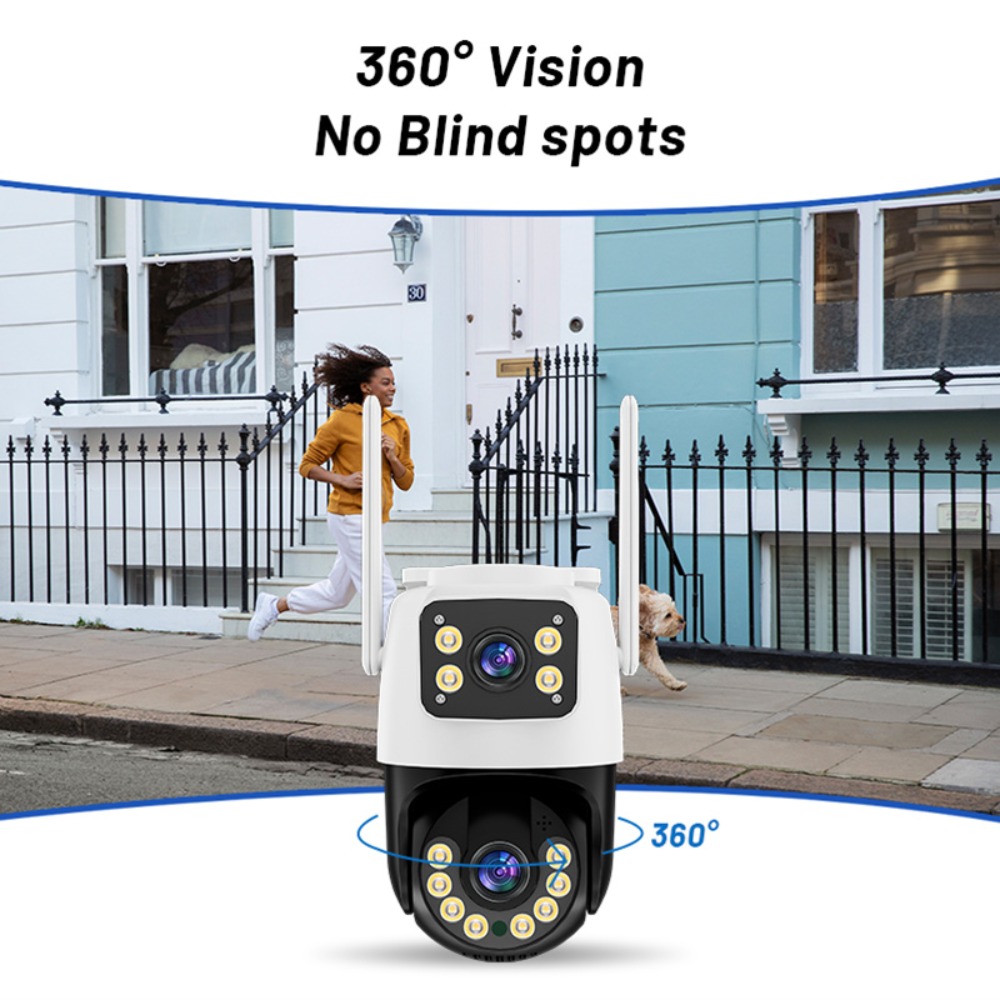
To overcome drawbacks found in single-lens setups, advanced arrangements employ “gun-barrel linkage” setups. Fixed broad-view optics (gun) keep uninterrupted wide coverage, but movable PTZ optics (ball) follow particular actions, which ensures retention of overall scene awareness during detailed examination of chosen subjects. Across large spaces, including vehicle storage zones or open yards, the JT-9697QJ PTZ camera applies this paired-lens method effectively, delivering coordinated images covering both full area and precise close-range elements at once.
Is Point-to-View Crucial for Rapid Response?
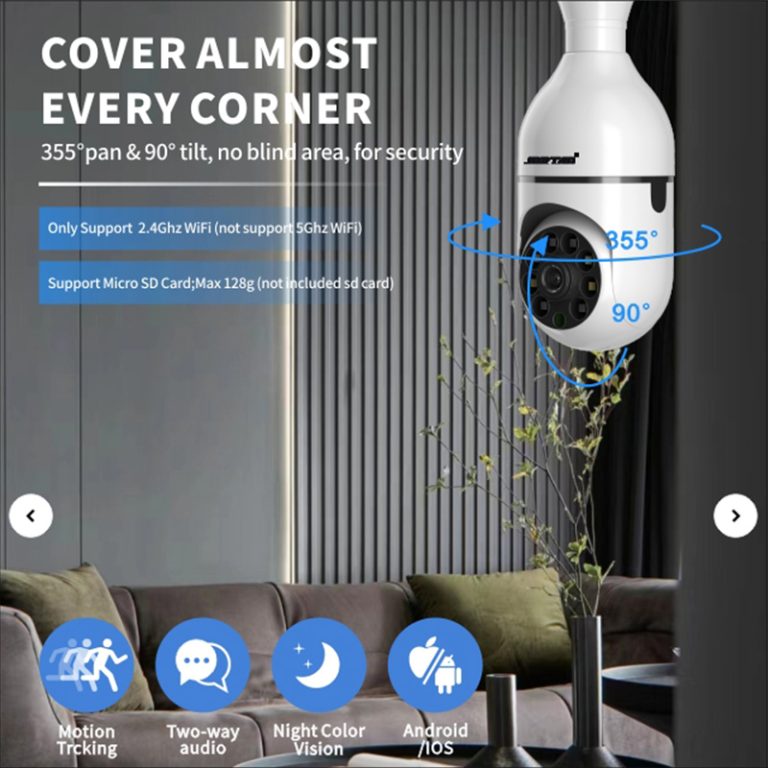
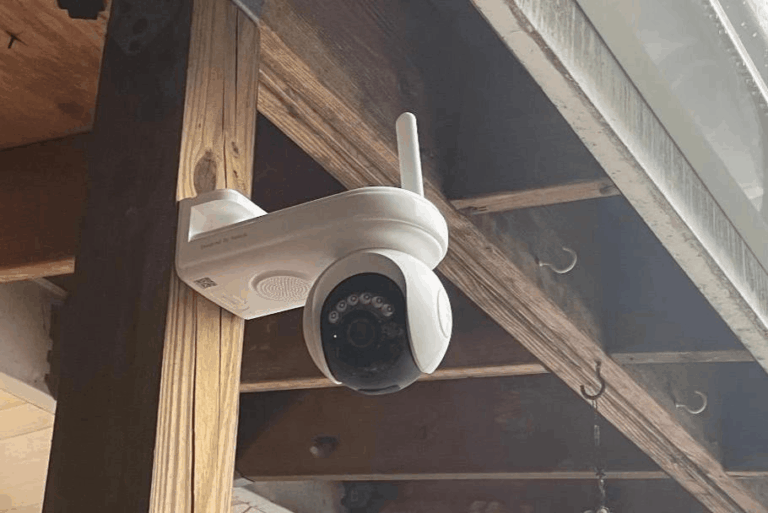
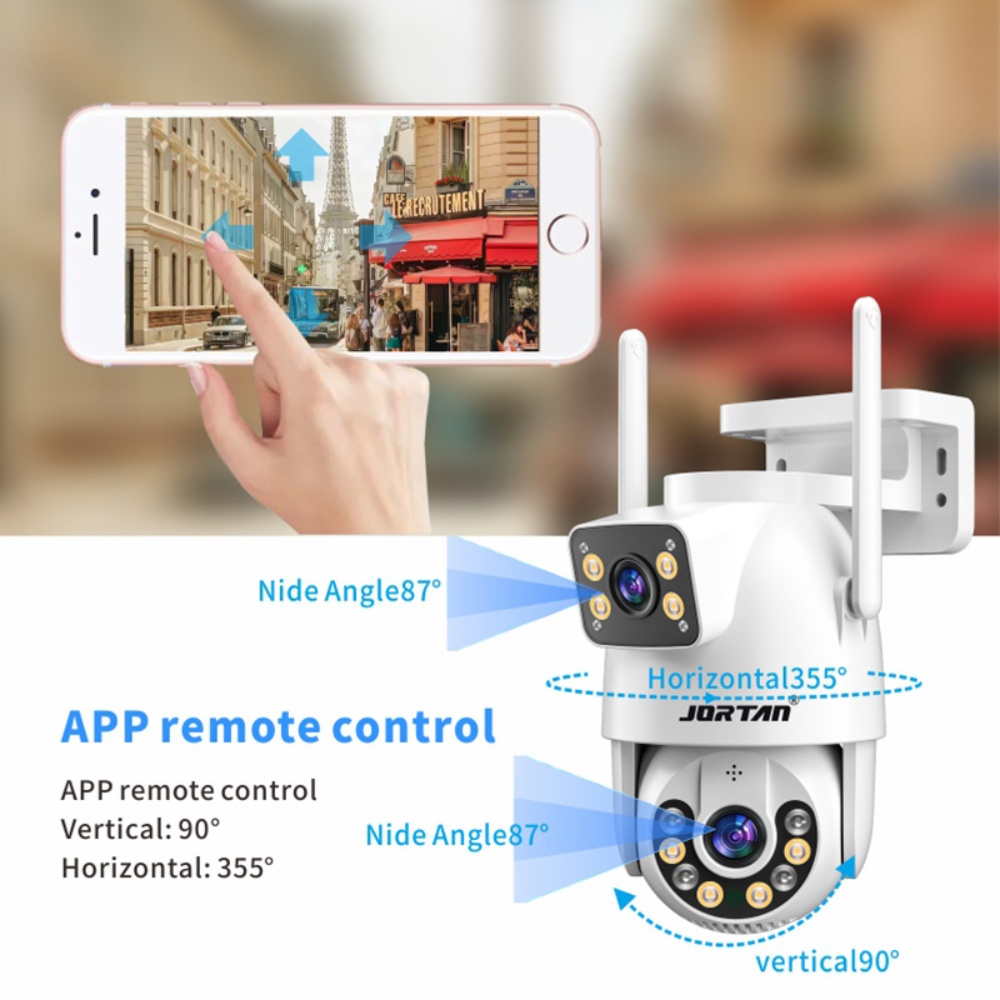
Reaction timing frequently suffers from delays linked to manual direction controls. Superior equipment includes “Point-to-View” operation, enabling selection of any spot within a wide preview to direct PTZ optics immediately to the matching position, which removes repetitive control inputs, achieving almost instant attention to notable locations. Together with full horizontal circling and ninety-degree upright movement, the system provides thorough environmental oversight without unnecessary delay.
How Does Proactive AI Intelligence Transform Passive Monitoring?
Devices limited to storing events post-occurrence function mainly for review rather than prevention. Leading external solutions apply built-in processing to separate relevant signals from background and activate responses without delay.
Does AOV Outperform Traditional PIR?
Older low-energy units depend on Passive Infrared (PIR) detection, which triggers activation upon sensing warmth changes, but frequently ignores initial seconds because of startup lag. Always on Video (AOV) methods address the issue through sustained minimal frame capture (0.5–1 fps), maintaining an ongoing visual record. Upon onboard processing, recognizing human or vehicular presence, recording shifts promptly to full 25 fps clear footage. This forward-thinking design reaches detection distances around 30 meters, which is three times greater than standard PIR, while keeping power usage remarkably low.
Can AI Smart Narration Speed Up Forensics?
Examining lengthy recordings for key moments consumes excessive time. AI Smart Narration employs remote large-scale models to analyze alert clips immediately, producing brief written accounts of occurrences. Rather than reviewing complete sequences, summaries appear directly within alert messages. The function supports term-based searching through extensive archives, locating vital segments rapidly. The JT-8698 Pro PTZ camera harnesses these sophisticated routines to deliver information-driven protection even in isolated sites lacking grid power.
What Structural Resilience is Required for Harsh Outdoor Deployments?
Sophisticated programming loses value if physical construction succumbs to weather exposure. External casing demands equal refinement compared to internal electronics.
Why Is IP66 Rating Non-Negotiable?
External monitoring units endure constant contact with particles, precipitation, and temperature swings. IP66 classification confirms total sealing against dust alongside defense from strong water streams. Such a robust build permits stable electronic operation across a range from -30°C to 60°C, maintaining protection during severe cold or intense heat periods.
How Do Off-Grid Connectivity Solutions Scale?
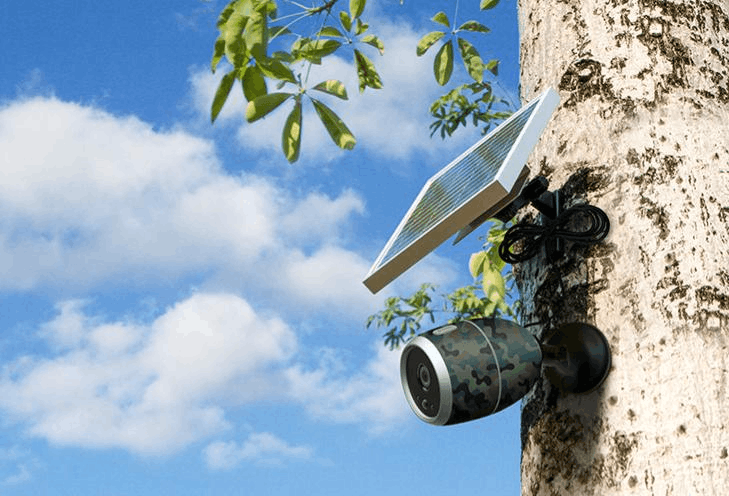
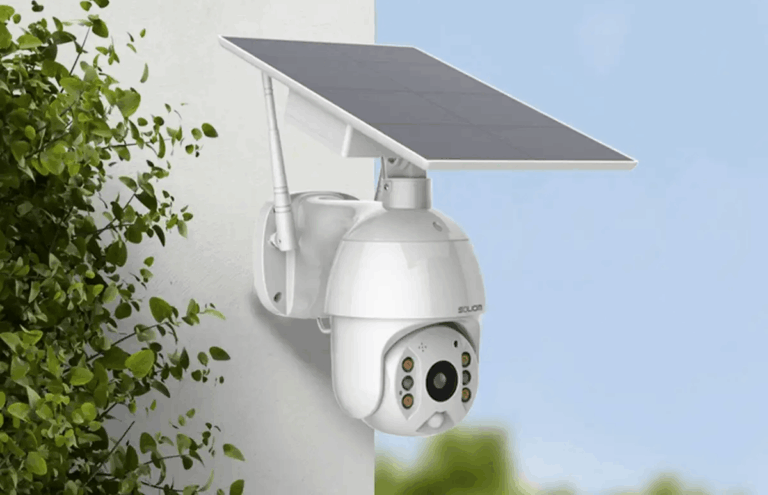
Isolated locations, including building sites, fruit groves, or rural fields, rarely access standard wireless networks. For this problem, advanced PTZ units now contain 4G worldwide modules compatible with common bands across Europe, the United States, and Southeast Asian regions. Integration with efficient solar collectors and substantial lithium iron phosphate storage creates completely independent operation. The combination supplies constant oversight plus distant real-time viewing via strong signal receivers, delivering dependable links independent of nearby services.
FAQs
Q: How does H.265 compression benefit high-resolution outdoor surveillance?
A: H.265 coding, known as High-Efficiency Video Coding, lowers data rates needed for sharp video by roughly half relative to prior formats. The reduction doubles storage duration on identical memory cards while supporting fluid distant playback across limited-bandwidth 4G or wireless connections.
Q: What is the benefit of dual-SIM functionality in 4G security cameras?
A: Dual-SIM standby capability permits automatic network switching. Should primary coverage weaken in distant spots such as water reservoirs or hillside plantations, the secondary provider maintains connection, preserving continuous notifications and remote data storage.
Q: Can AI-ISP technology really work without any visible fill light?
A: Affirmative. Large 1/1.8-inch CMOS sensors paired with broad-opening lenses gather sufficient existing light for colored output at 0.01 lux levels. During absolute darkness, automatic mode selection between infrared and color imaging based on detected activity delivers quiet yet capable low-light performance.