
In advanced security research and system design, an HD CCTV camera is no longer evaluated as a single imaging device. You assess it as a complex sensing node that integrates optics, signal processing, mechanical control, network transmission, and intelligent analysis. For expert users, image sharpness alone is insufficient. What truly defines quality is whether the camera can consistently deliver reliable visual evidence, reduce uncertainty, and remain stable across real-world operating conditions.
This article examines the defining features of a high-quality HD CCTV camera through an expert lens, linking theory with practical engineering decisions and referencing representative implementations from Jortan, a manufacturer focused on applied surveillance performance rather than surface-level specifications.
Why Does Image Quality Define the Baseline of a High-Quality HD CCTV Camera?
Image quality forms the foundation of any surveillance system because every downstream function—analytics, tracking, and forensic review—depends on the integrity of captured data. In professional environments, the goal is not aesthetic clarity but repeatable, interpretable imagery under varied conditions.
How Resolution, Sensor Performance, and Lens Quality Work Together to Deliver Reliable Visual Evidence
From a skilled perspective, resolution must be considered alongside sensor architecture and optical design. More points without good light-catching spots often increase noise and reduce useful light range. Current HD CCTV cameras thus utilize balanced CMOS sensor selection, tuned point spacing, and data paths that keep the detail of the outline without too much edge boost.
The lens holds a significant role as well. Glass quality determines modulation transfer function (MTF), distortion control, and color consistency over the whole view, such as entrances, halls, or mixed-lighting industrial areas. Poor lens results in peripheral blur that harms the accuracy of identification.
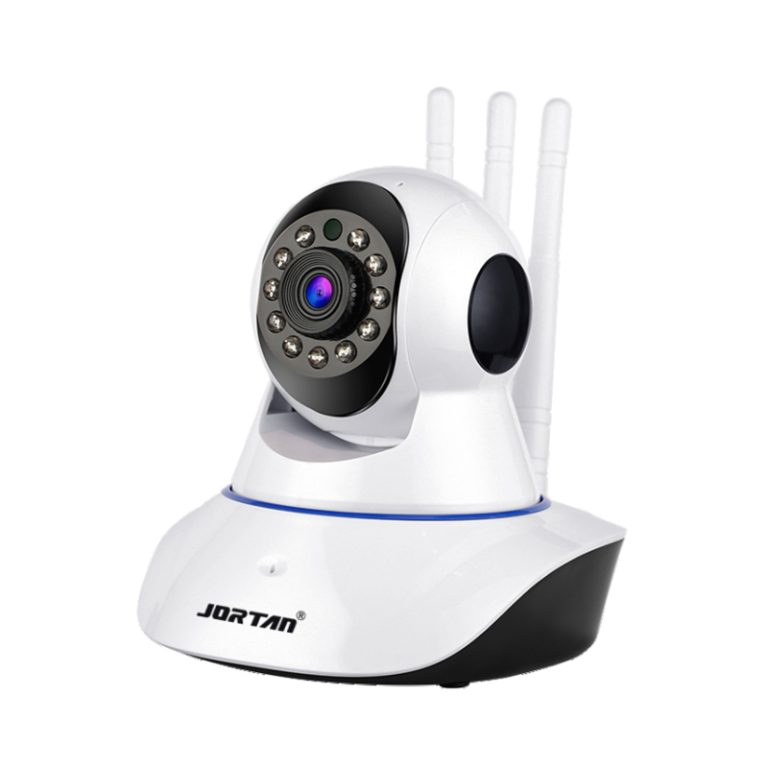
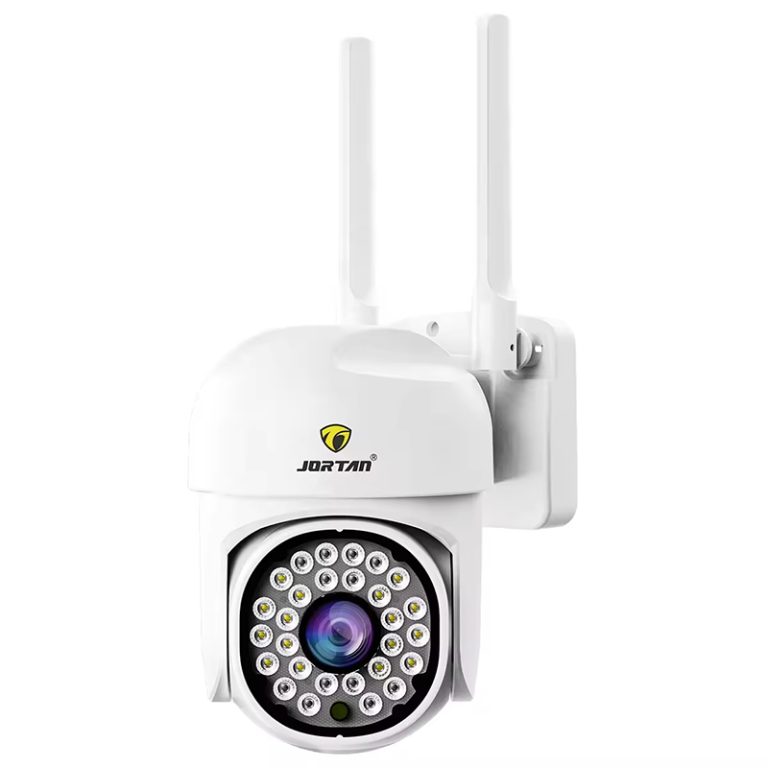
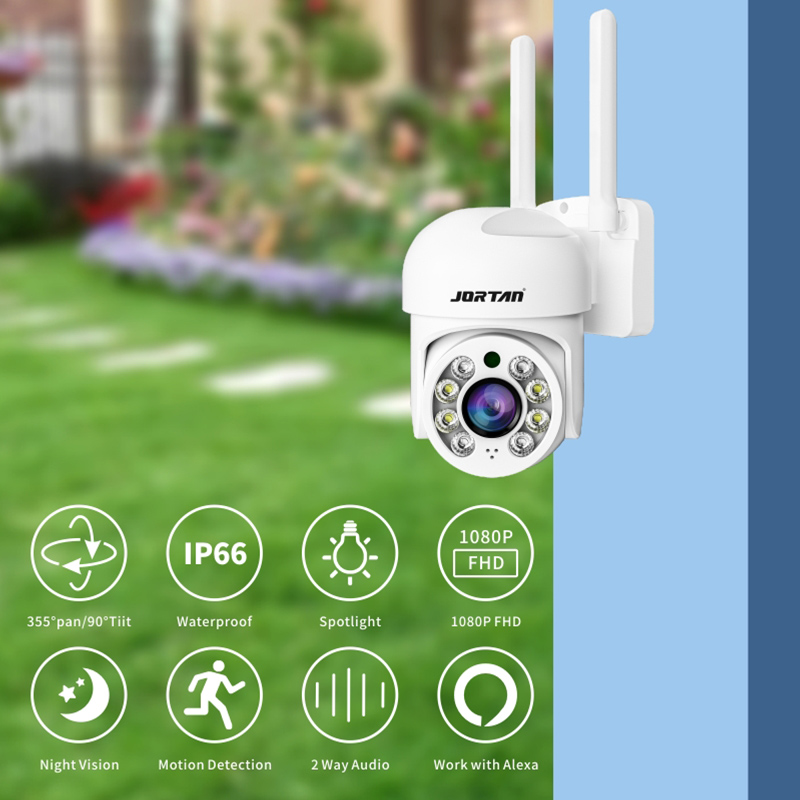
A real case of this integration is shown in the JT-8160QJ camera, whose sensor sensitivity, multi-step noise reduction, and calibrated optics are designed as one imaging chain. Rather than emphasizing raw megapixel figures, the design prioritizes stable sharpness, controlled noise, and color fidelity that remain consistent over long operating cycles.
How Does Night Vision Capability Separate a Professional HD CCTV Camera from a Basic One?
Night work marks where many setups fail in practice. Experts see night sight not as a simple on-off trait but as a set of adaptive imaging strategies that adjust to light changes quickly.
Why Infrared, Full-Color Night Vision, and Intelligent Light Switching Matter in Real-World Monitoring
Infrared illumination is quite important for hidden monitoring, but it loses the color data that is key for spot identification. Full-color night vision addresses the problem with guided white-light illumination. However, it needs careful handling to stop glare, too much light, or visual disturbance.
Top systems adopt smart mode switching. Infrared black-and-white imaging is applied in still low-risk spots, while full-color imaging works only when detecting movement or human presence, which keeps detail, reduces false light, and improves strength.
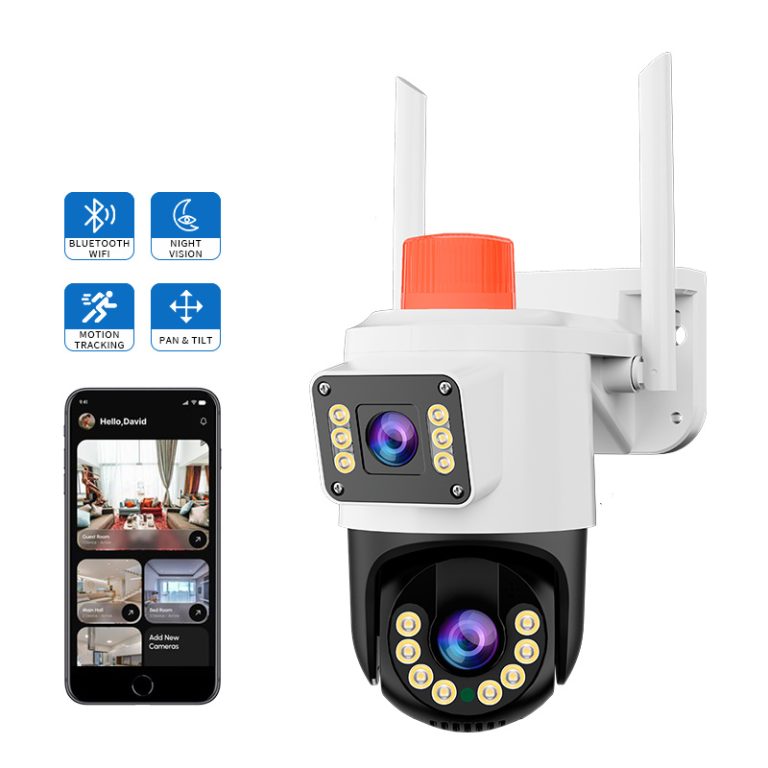
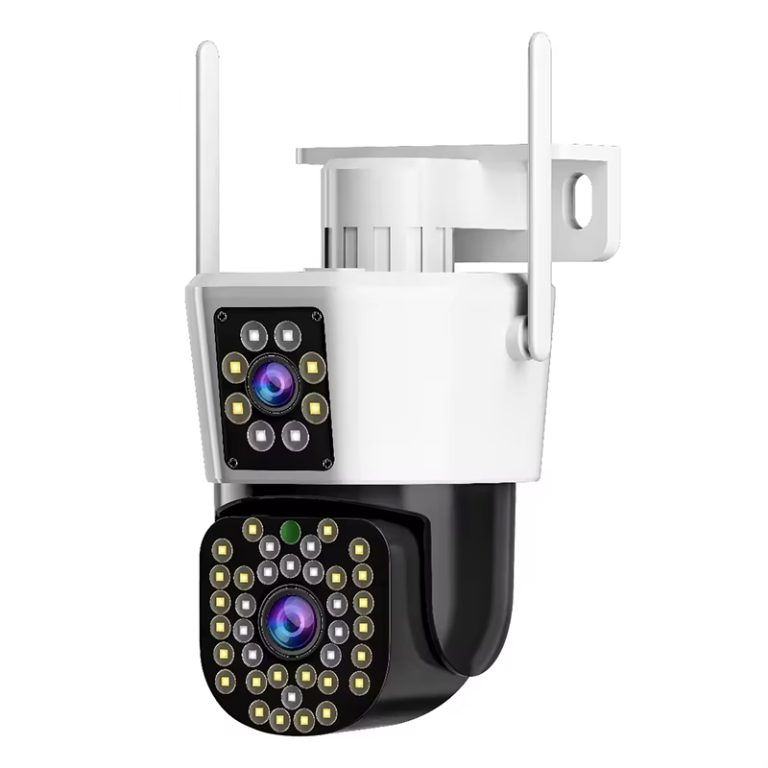
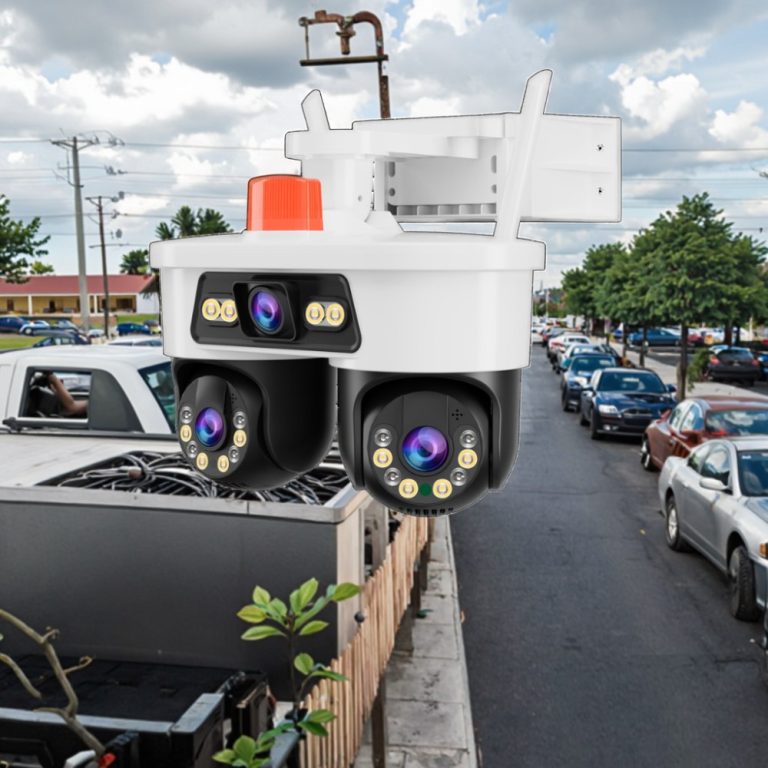
Such a setup appears in the JT-8177 camera, where infrared, full-color, and mixed night modes shift based on environmental data and motion events. For studies and plan experts, this demonstrates night vision as an adaptive part rather than fixed details.
Why Is Intelligent Detection a Core Feature of a Modern High-Quality HD CCTV Camera?
In expert deployments, the limiting factor is not data capturing but data relevance. Without intelligent filtering, surveillance systems generate excessive noise that increases cognitive and operational load.
How Human Detection Accuracy and Alert Logic Directly Affect Security Efficiency
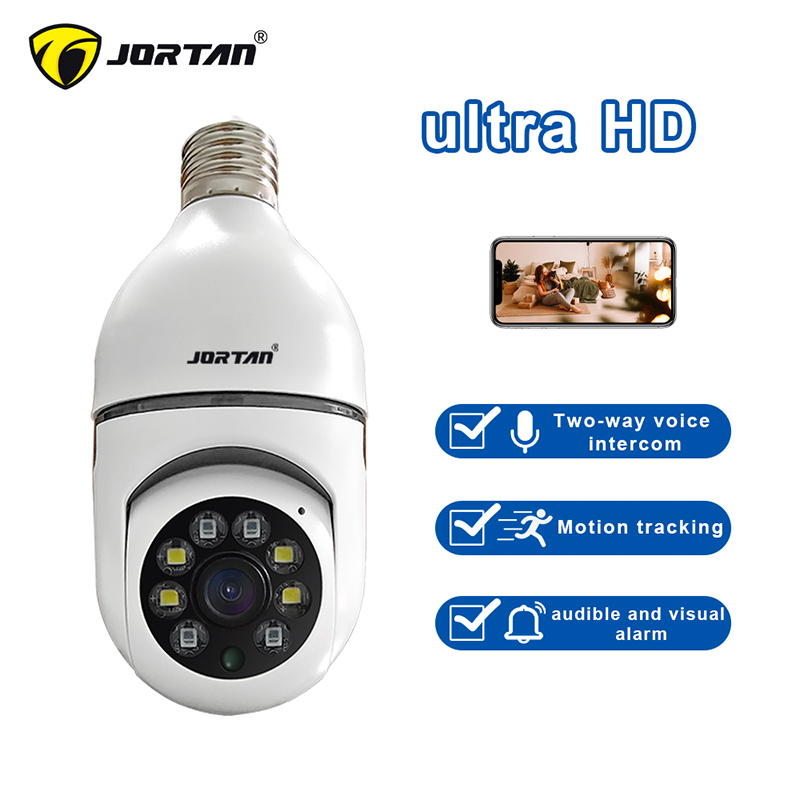
Traditional motion detection triggers on pixel change, leading to frequent false alerts caused by shadows, weather, or background movement. Advanced systems instead deploy human-shaped detection models at the edge, allowing cameras to distinguish meaningful activity from environmental noise.
Strength here relies on the training of the algorithm, sensor data quality, and processing speed. A good camera integrates these parts to provide timely and precise alert notices according to the environment. For experts, the metric of success is not detection frequency but alert validity—how often an alert corresponds to actionable events.
Correct installation of intelligent detection can reduce storage overhead, lower bandwidth usage, and help scalable monitoring cover large-scale areas without increasing staff.
How Does PTZ Flexibility Improve Coverage Without Increasing Camera Count?
From a systems engineering perspective, coverage efficiency is a key performance indicator. PTZ (pan-tilt-zoom) work enables one unit to do jobs that need many fixed cameras.
Why Rotation Range, Control Precision, and Preset Stability Matter More Than Raw Speed
Professionals focus less on top rotation speed and more on positional accuracy and repeatability. A PTZ camera has to return to set views with little drift, keep smooth moves, and respond steadily to control inputs.
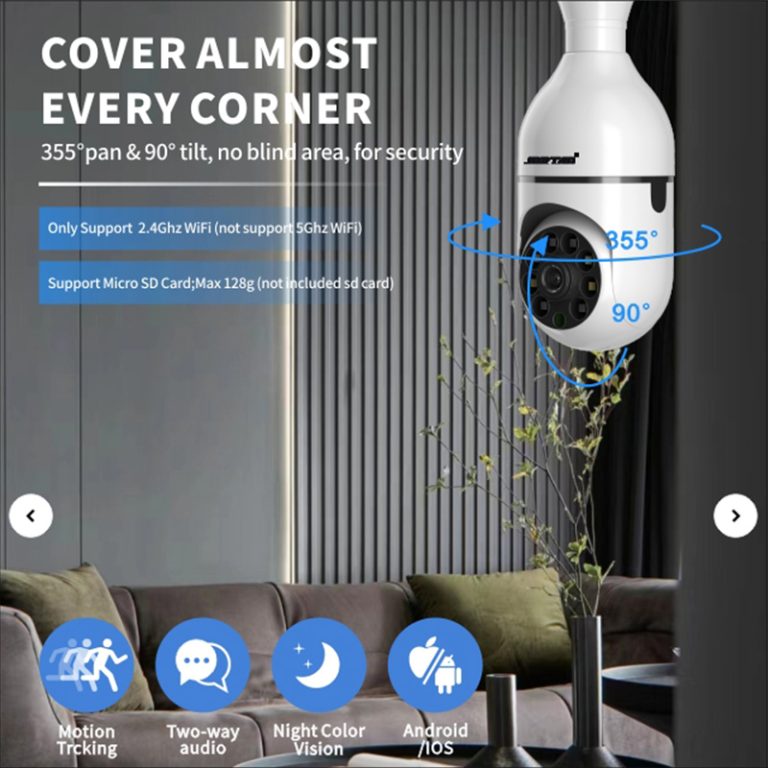
Wide rotation ranges—such as near-full horizontal coverage combined with controlled vertical tilt—enable comprehensive observation without blind spots. Preset and patrol logic further allow automated coverage of priority zones, improving situational awareness while reducing hardware redundancy. This machine-digital mix is vital in transportation hubs, storehouses, and perimeter security, where space changes throughout the day.
What Makes Storage and Data Security Essential in a High-Quality HD CCTV System?
For academic and professional users alike, surveillance data is only valuable if it remains accessible, intact, and verifiable. Storage strategy is therefore inseparable from camera quality.
How Local Storage, Cloud Backup, and Access Control Shape System Reliability
Local storage provides resilience during network interruptions, ensuring that no data gaps occur. Cloud storage, when properly secured, offers redundancy and remote access for distributed teams. High-quality systems allow these methods to coexist, giving operators flexibility without sacrificing integrity.
Access control is also equally significant. Many-user environments need clear right levels to prevent wrong views or changes. Password-free sharing mechanisms based on administrator authorization can boost the use and security when implemented correctly.
Why Ease of Deployment and System Compatibility Matter for Long-Term Use?
A camera’s true cost of ownership is revealed over years, not at installation. Compatibility and deployment efficiency strongly influence long-term system viability.
How Network Adaptability, App Control, and Platform Compatibility Reduce Operational Friction
High-quality HD CCTV cameras support multiple networking modes—wired, wireless, and direct hotspot operation—allowing deployment in environments with inconsistent infrastructure. Standard protocol support ensures integration with existing management platforms, while cross-device monitoring (mobile and desktop) simplifies maintenance workflows.
For expert users, such adaptability minimizes vendor lock-in and allows incremental system expansion without architectural redesign.
Who Is Jortan and Why Is It a Practical Choice for HD CCTV Applications?
From the aspect of manufacturing, Jortan stands as a maker that stresses useful watch firmness over surface diffs. Our company integrates the production, lens design, and firmware development to solve real-use problems seen in home and commercial deployments.
For professionals seeking equipment that balances technical rigor with practical deployment needs, Jortan’s products illustrate how thoughtful engineering can translate into dependable long-term surveillance performance.
FAQs
Q1: What truly defines “high-quality” in an HD CCTV camera beyond resolution?
A: High quality is defined by the consistency of usable image data across lighting conditions, the accuracy of intelligent detection, mechanical reliability, and secure data handling rather than pixel count alone.
Q2: Is full-color night vision always superior to infrared night vision?
A: Not inherently. Full-color night vision is most effective when combined with intelligent switching logic that activates color capture only when necessary, preserving detail without introducing glare or unnecessary exposure.
Q3: How should experts evaluate scalability when selecting an HD CCTV camera?
A: You should assess protocol compatibility, storage flexibility, intelligent processing efficiency, and mechanical durability, as these factors determine whether the system can expand without proportional increases in cost or complexity.