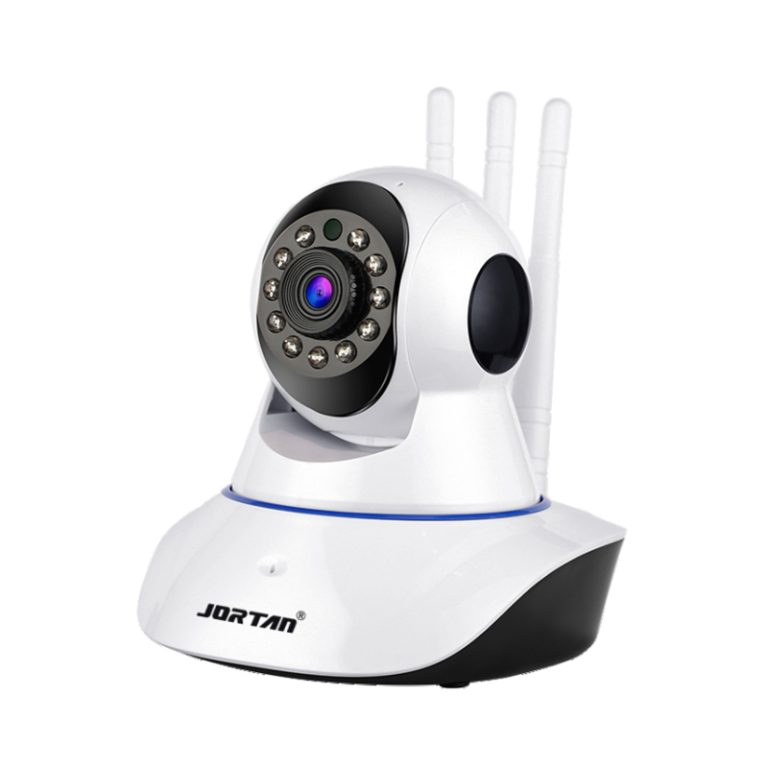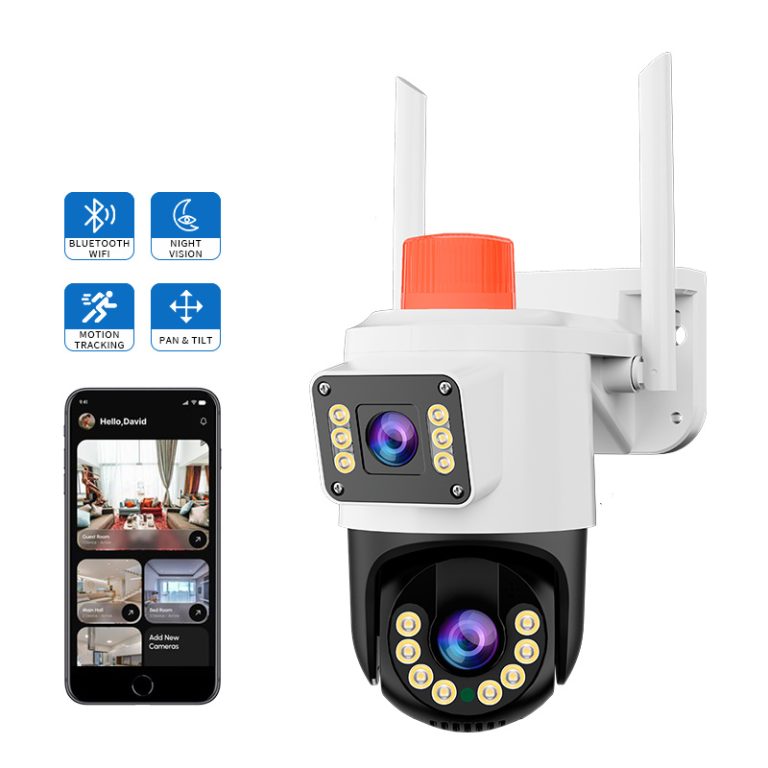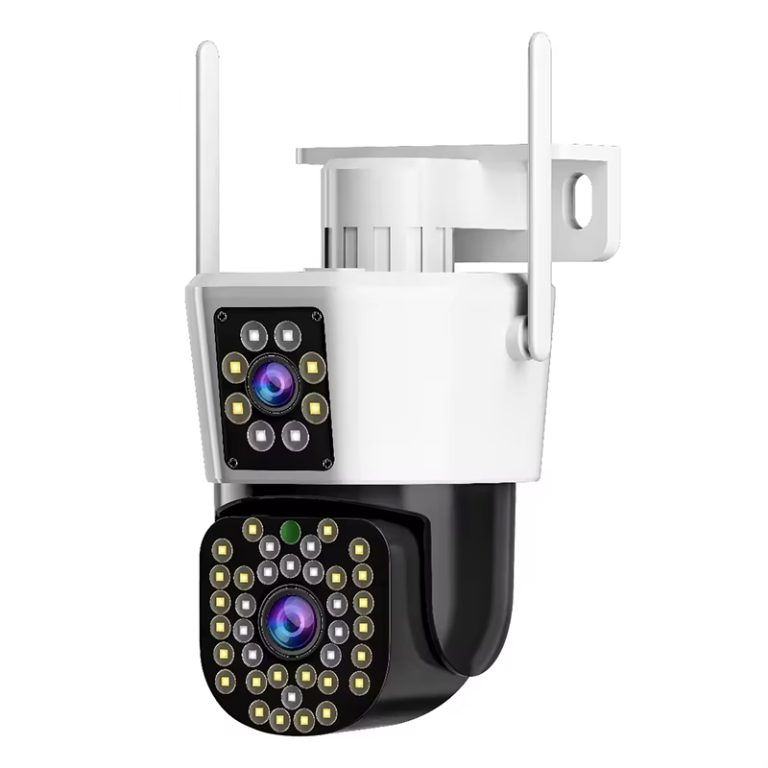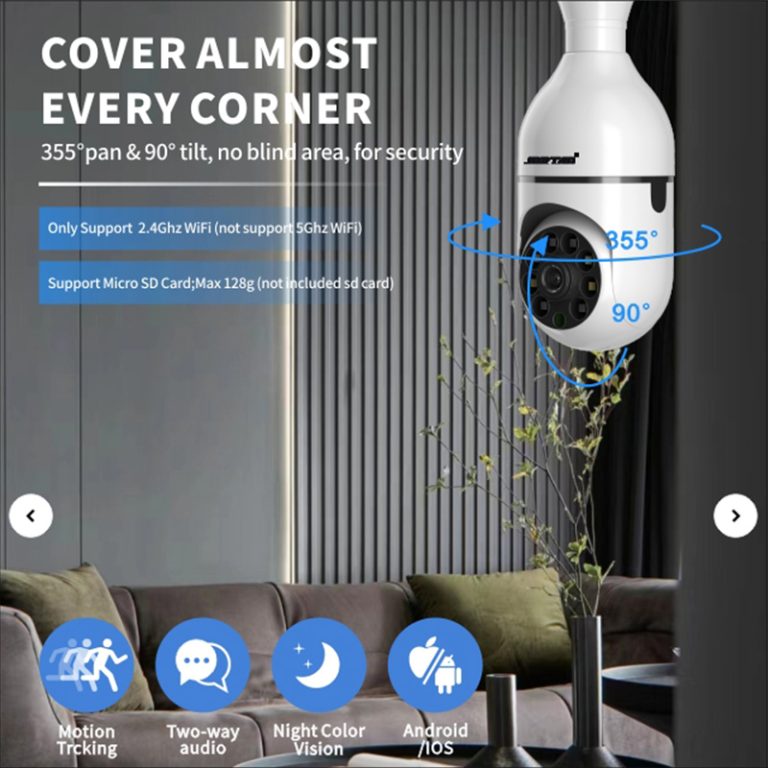
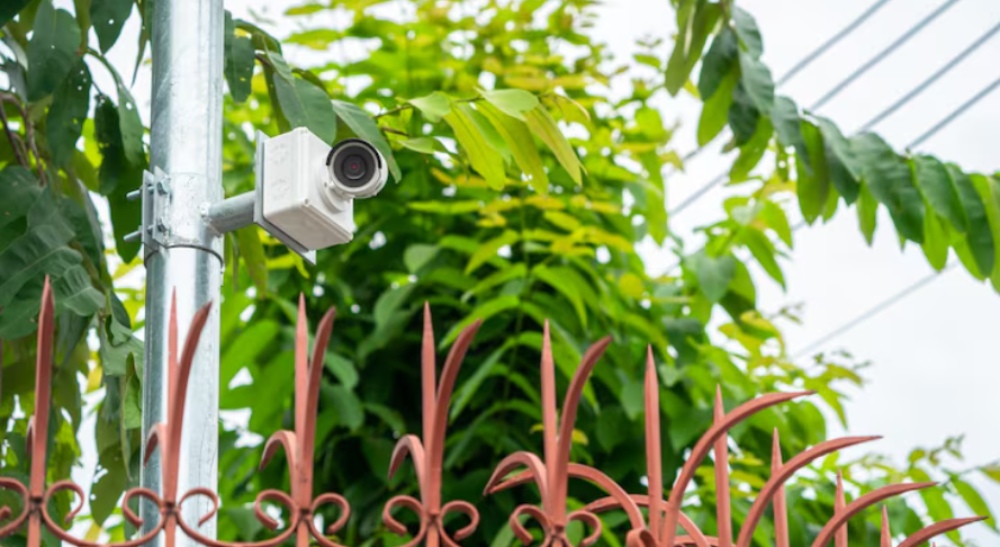
In home security systems, the practical operating distance of an outdoor WiFi camera cannot be generalized by one fixed number listed in the product introduction. In actual installation environments, reliable coverage depends on how steadily video data, control signals, and alert messages move between the cameras and the receiving devices in typical environmental conditions. Signal stability, image continuity, and response speed hold greater importance than any stated alleged transmission distance.
For household fields, these devices commonly appear at entrances, courtyards, driveways, or perimeter walls, where wireless signals need to pass across open air, vegetation, and various building structures. The article analyzes the physical and technical elements that determine actual working distance and explains the ways specific engineering decisions affect the stable coverage.
Why Does Wireless Range Matter for Residential Outdoor Cameras?
The reachable distance through wireless links directly determines whether a camera serves as an active protective tool or functions merely as an intermittent recording device prone to frequent disruptions.
Near the perimeter of stable operation, data packet drops become more frequent, video quality varies noticeably, and alerts connected to movement may reach users with considerable delay or fail. In domestic settings, such behavior frequently leads to overlooked incidents at decisive times instead of a slow degradation in picture quality.
What Happens When Signal Distance Is Overestimated?
Assuming coverage extends farther than actual capability commonly produces unsteady live viewing, postponed access to stored clips, and repeated connection attempts. Users often blame software glitches or internet service issues for these problems, while the root cause usually traces back to signal weakening and environmental disturbances at the radio frequency level.
How Do Physical Obstacles Shape Real-World Coverage?
Radio waves behave differently in exterior spaces compared with interior ones, and typical home environments present numerous kinds of barriers.
Concrete walls, brick constructions, or structures containing metal reinforcement substantially diminish WiFi strength. Metal gates, perimeter fencing, and even highly reflective window surfaces alter signal paths further. Large trees and heavy bushes soak up radio energy—particularly after rainfall—thereby cutting practical distance even when the visual line of sight seems unobstructed.
Why Does Open Space Perform Better Than Mixed Structures?
Unobstructed lawns or paved approaches allow signals to travel with reduced reflections and energy loss, enabling devices to approach their listed performance figures more closely. Introduction of buildings and other objects shifts dominance toward scattering and absorption effects, which noticeably shorten dependable communication span despite apparently satisfactory signal readings on handheld screens.
How Do Camera Hardware Designs Influence Wireless Distance?
Achievable coverage distance for an outdoor unit relies strongly on the careful engineering and integration of its core internal parts.
Antennas offering stronger directional gain, reliable radio frequency circuits, and carefully managed power delivery systems collectively support steady signal strength. Just as critical remains the camera’s ability to handle video preparation and compression before sending data outward.
How Does Video Encoding Affect Range Stability?
Well-designed compression techniques decrease the amount of data needed while keeping picture detail intact. Modern algorithms reduce maximum throughput requirements, which aids consistent delivery over greater separations. Inefficient processing leads to elevated continuous data flows that are far more vulnerable to disturbances and lost packets, thereby restricting usable distance.
Does Camera Placement Change Effective Range?
The chosen location frequently is decisive in determining whether performance remains dependable or encounters persistent difficulties, even among units sharing identical technical specifications.
Installation height, directional aiming, and separation from the base router or access point all affect wave travel patterns. Raising devices above ground level cuts down on nearby clutter interference, while steering clear of major blocking objects maintains clearer signal corridors.
Where Should Outdoor Cameras Be Positioned?
Favorable positioning establishes a relatively direct wireless pathway toward the primary router or extender. Steering away from areas crowded with overlapping construction elements and limiting the quantity of solid barriers in the path commonly boosts practical coverage more effectively than introducing additional amplification devices.
How Do Intelligent Functions Support Long-Distance Operation?
Contemporary outdoor cameras increasingly incorporate local processing capabilities to minimize constant heavy data transfers.
Selective motion analysis, recognition of human forms, and context-aware recording practices restrict ongoing high-volume streaming. Transmitting only significant occurrences rather than endless unprocessed video helps preserve quick responsiveness even when separation from the network hub increases considerably.
Why Do Smart Alerts Improve Reliability at Longer Distances?
Local elimination of unimportant movement reduces the volume of competing data packets. Consequently, alerts arrive more swiftly and short video segments remain stable, particularly near the outer limits of reliable wireless reach.
How Does Manufacturing Experience Affect Range Performance?
Generally, steady wireless performance in multiple cycles of product iteration is not the casual results accidentally, but stems from long-term improvement in radio frequency layout, software optimization, and strict environmental testing.
In this framework, Jortan demonstrates the advantages of integrating design, testing, and production into one system. Our company has professional technical teams, strict validation processes, and strong production capacity, enabling antenna layout, encoding logic, and environmental protection to coordinate in a cohesive development structure. This integrated method allows devices to maintain predictable wireless performance in daily residential outdoor situations instead of relying solely on separate component specifications.
Which Outdoor WiFi Camera Designs Suit Residential Range Needs?
Residential layouts have great differences, ranging from compact townhouses to detached homes with extended yards. Device selection should be aligned with the actual coverage demands instead of pursuing maximum listed distance.
What Features Matter Most for Home Installations?
Essential considerations include well-balanced antenna systems, effective compression technology, weather resistance, and intelligent detection. Devices that effectively integrate these qualities generally sustain a stable operating distance without elaborate network upgrading.
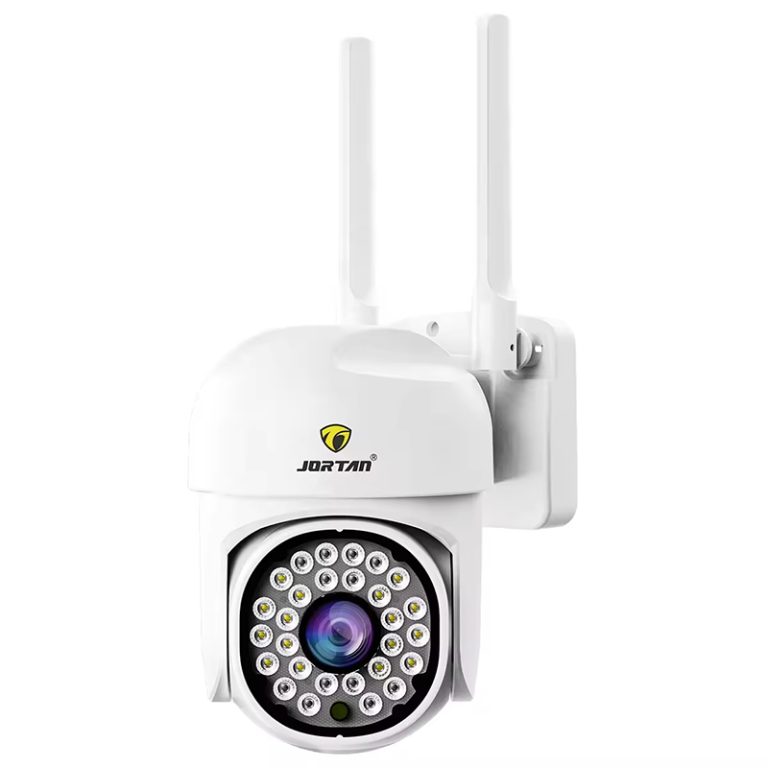
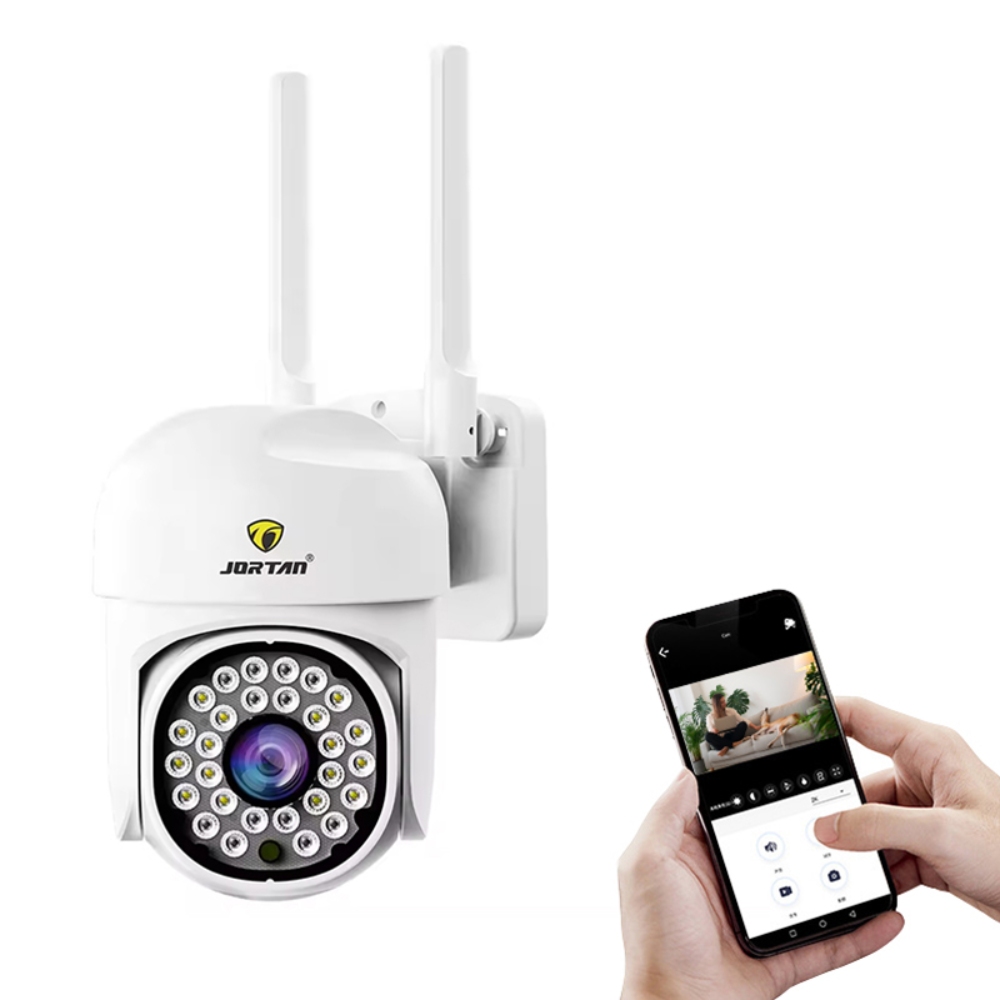
For instance, the JT-8293QJ outdoor WiFi IP camera is designed to support reliable wireless transmission, wide-area monitoring, and intelligent motion analysis, making it appropriate for perimeter and courtyard coverage in typical residential environments.
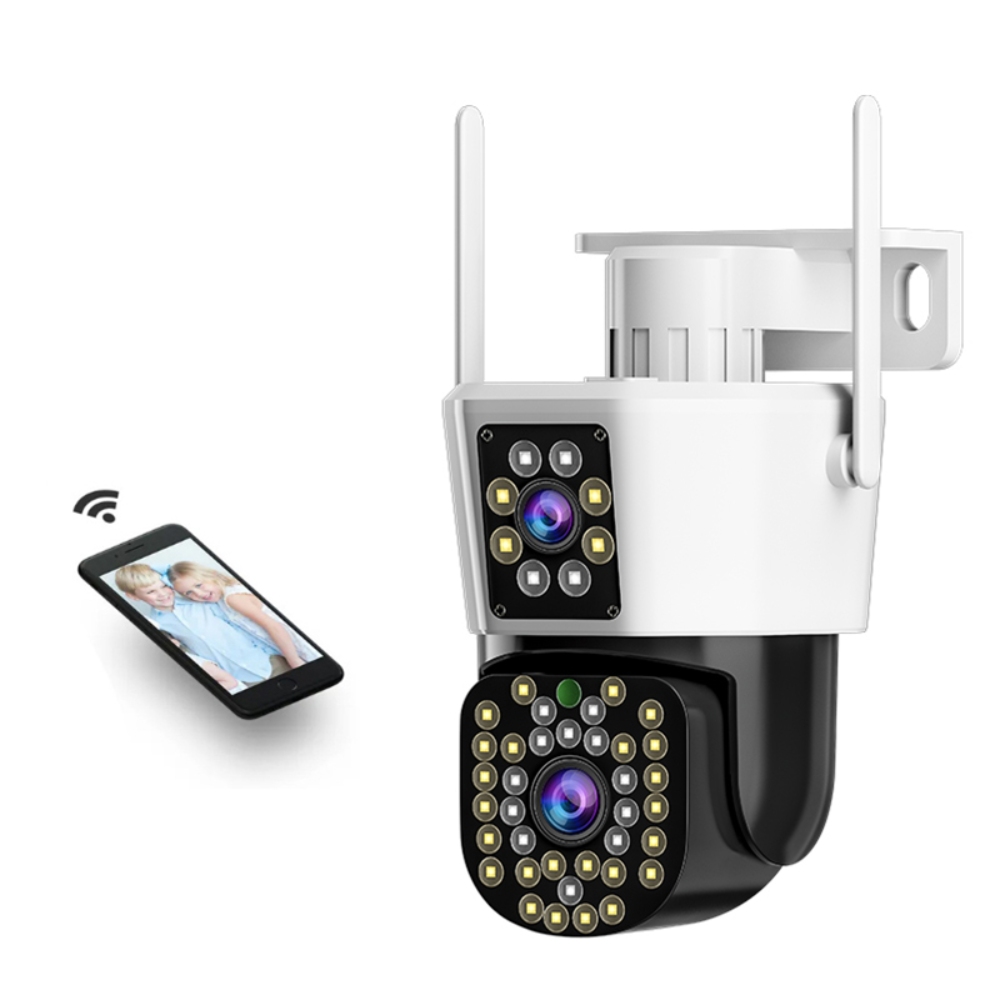
In situations requiring flexible viewing angles and dynamic monitoring, the JT-8161QJ outdoor WiFi IP camera offers design features that help maintain consistent connectivity while supporting dynamic scene coverage, reducing the need for multiple devices.
How Can Range Be Improved Without Replacing Equipment?
Broadening functional distance does not invariably demand fresh camera hardware. Modifications in the existing network frequently yield substantial improvements.
What Practical Adjustments Increase Stability?
Shifting router locations, incorporating mesh access points, clearing crowded frequency channels, and applying current firmware versions can markedly strengthen signal consistency. Such measures refine available infrastructure instead of merely masking deficiencies caused by poor placement or configuration.
Conclusion
The practical working distance for outdoor WiFi cameras in residential environments is determined by environmental conditions, hardware engineering, placement strategy, and intelligent data management. Distance alone provides limited insight into real-world performance.
When design efficiency, installation planning, and network optimization align, outdoor cameras deliver stable monitoring across residential spaces without unnecessary complexity or constant intervention.
FAQs
Q: Is the advertised wireless range reliable for residential use?
A: Published figures correspond to laboratory or ideal scenarios. Actual coverage distance typically falls short because of barriers and signal disturbances.
Q: Does higher resolution reduce wireless range?
A: Elevated resolution raises data requirements, although capable compression techniques can counteract much of this impact and help sustain steady transmission.
Q: Can network upgrades improve camera range?
A: Certainly. Deployment of mesh networks, signal repeaters, and strategic router relocation frequently expands reliable coverage without necessitating camera replacement.