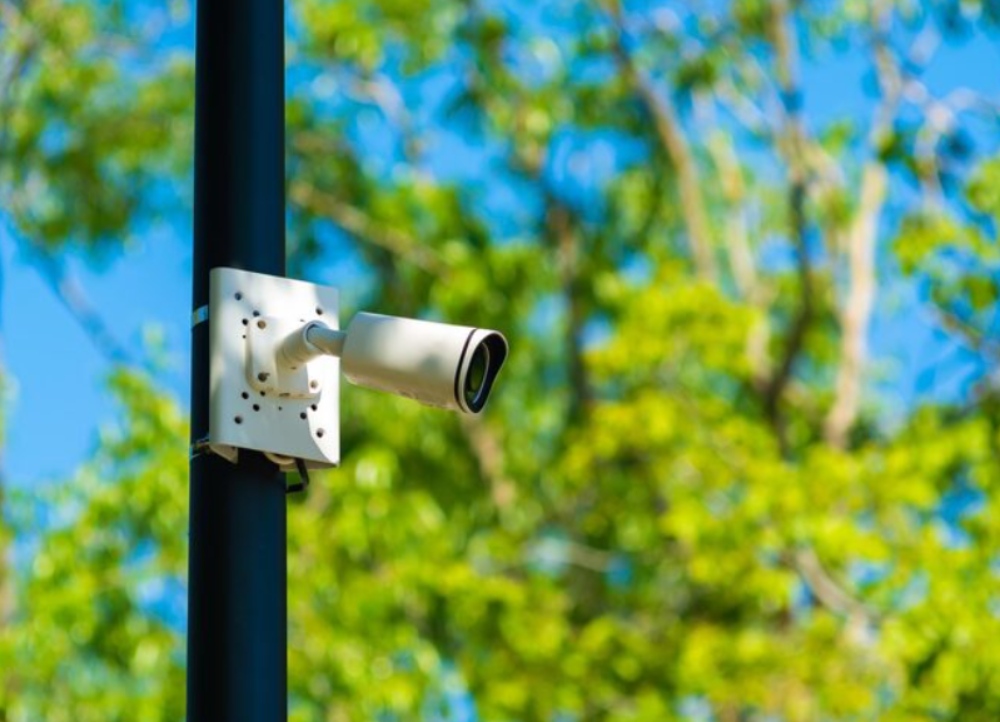
Why Has Outdoor Home Security Shifted From Wired Systems Toward Wireless Ones?
Home security has gradually transitioned from the limited indoor areas to property boundaries, access points, and semi-public zones like driveways and gardens. Due to this shift, wired surveillance systems reveal their drawbacks. Fixed cables limit positioning, increase the relevant installation expenses, and make long-term maintenance difficult. In contrast, outdoor WiFi cameras overcome these problems by considering connectivity and adaptability as standard features.
For you, the value of an outdoor WiFi camera is not defined by novelty. It is defined by whether the device can operate reliably in uncontrolled environments while delivering timely, actionable information. Weather exposure, uneven lighting, and household-grade networks are not edge cases, but the default conditions. This article examines how outdoor WiFi cameras respond to those realities and why they have become a practical cornerstone of modern home security systems.
Who Is Jortan and Why does Its Outdoor Camera Design Matter in Real Homes?
Jortan approaches outdoor surveillance with a focus on how cameras are actually deployed around homes rather than how they appear on specification sheets. The design logic centers on long-term stability, simplified networking, and predictable behavior under everyday conditions such as fluctuating WiFi quality and changing weather.
Instead of assuming enterprise infrastructure, Jortan’s outdoor cameras are built for residential networks and user-managed environments. Attention is placed on sealed housings, controlled PTZ movement, efficient video encoding, and alert mechanisms that prioritize relevance. The goal is not to overwhelm you with configuration layers, but to provide systems that remain dependable after months or years of continuous operation.
This practical orientation means outdoor cameras are treated as perimeter tools rather than decorative add-ons. When you deploy them, you are extending visibility beyond walls and doors, gaining earlier awareness of activity before it reaches indoor spaces. Therefore, if you are interested in our design philosophy and other information of our company, you can contact us by visiting the official website.
What Security Gaps Do Outdoor WiFi Cameras Actually Solve Around a Home?
Home security gaps rarely exist inside living rooms. They appear at boundaries—places where visibility is limited and response time is short.
Where do traditional indoor systems fail at the perimeter?
Traditional indoor systems often fall short in boundary areas. Indoor devices capture footage only after someone has entered your home, when chances for a timely response have passed. Outdoor WiFi cameras shift monitoring outward to entrances, fences, and access paths. This relocation changes security from reactive documentation to proactive observation.
Why does perimeter visibility change threat response timing
When activity is detected at the perimeter, you gain time. Alerts triggered before entry allow you to assess intent, communicate through audio, or take action before escalation. The benefit lies less in footage quality and more in decision timing.
How Do Outdoor WiFi Cameras Improve Real-Time Awareness Instead of Passive Recording?
Simple recording does not create equal awareness, which relies on quick availability and accessibility.
How live remote access reshapes daily security habits
Outdoor WiFi cameras allow real-time inspection of environments from anywhere. Rather than waiting to review recordings, situations can be verified as they develop. This feature converts monitoring from a review after events into an active habit.
Why push alerts matter more than stored footage
Stored footage offers benefits, but alerts prompt responses. Well-tuned notifications highlight only significant events, ensuring that your attention is directed where it is important. Over time, such precision fosters confidence in the system.
How does Wireless Deployment Reduce Installation and Maintenance Friction?
Security systems often fail due to the difficulties of deployment and maintenance, not inherent faults of the designs.
Why cable-free installation changes where cameras can be placed
Wireless connectivity removes dependence on fixed wiring routes. Cameras can be positioned where coverage is needed most, rather than where cables allow, which is especially important around irregular structures, separate garages, or common boundaries.
How reduced wiring lowers long-term failure points
Every physical connection seems to produce problems. Outdoor WiFi cameras reduce exposure to wear, corrosion, and accidental damage by cutting cables. In the long run, this simplicity leads to greater operational continuity.
How Do Outdoor WiFi Cameras Adapt to Environmental Challenges?
Outdoor environments are unpredictable, and camera design must assume constant exposure rather than occasional stress.
How weather resistance supports uninterrupted monitoring
Rain, dust, and temperature variation test camera reliability daily. Weather-sealed housings and stable power management ensure continuous operation without frequent intervention. This resilience is essential for cameras intended to run year-round.
Why night visibility defines real outdoor usefulness
Many incidents occur in low-light conditions. Effective night performance depends on balanced illumination strategies and sensor sensitivity rather than raw brightness. The goal is clarity without excessive glare or noise.
How does Intelligent Detection Improve Signal Quality Outdoors?
Outdoor spaces generate constant motion. Without intelligent filtering, alerts quickly become unusable.
Why human-focused detection reduces false alarms
Trees, animals, and shifting shadows create noise. Detection models that focus on human movement help filter out irrelevant triggers. This refinement ensures that alerts correspond to situations that warrant attention.
How alert relevance affects long-term user trust
When alerts are consistently meaningful, you respond to them. When they are not, they are ignored. Intelligent detection preserves trust by maintaining a clear link between notification and action.
How Should You Evaluate Storage and Data Flow for Outdoor Cameras?
Outdoor monitoring produces bursts of activity rather than continuous events. Storage strategies should reflect this pattern.
When local storage adds resilience
Local storage maintains recording continuity during network interruptions. For outdoor cameras, this redundancy ensures that critical moments are not lost due to temporary connectivity issues.
How cloud access supports remote incident review
Cloud access simplifies reviewing events when you are away. Used selectively, it complements local storage by providing off-site availability without replacing on-device reliability.
Which Outdoor WiFi Camera Configuration Fits Different Home Layouts?
No two properties share identical layouts, and camera selection should follow function rather than uniformity.
How fixed-view cameras support focused zones
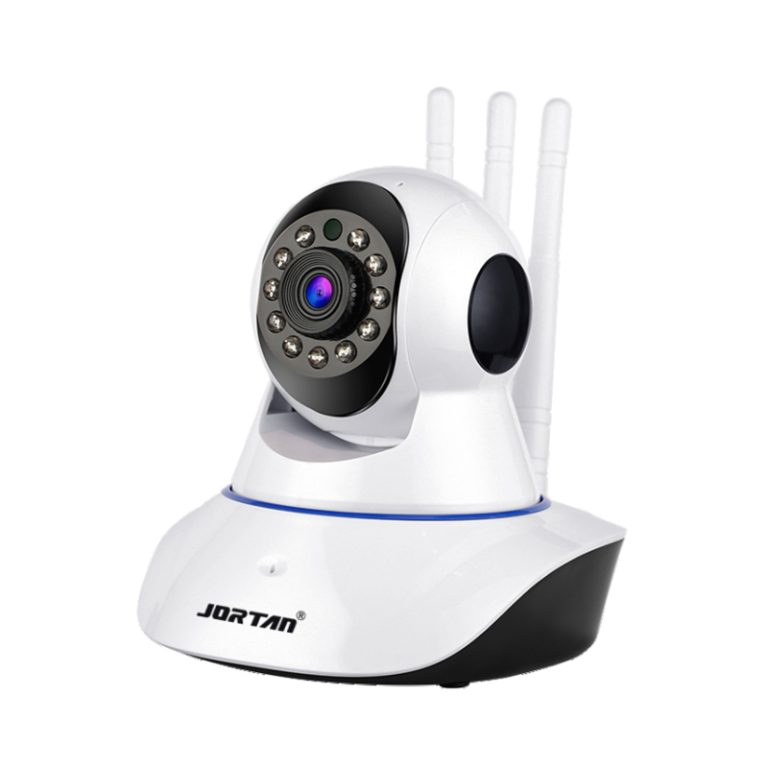
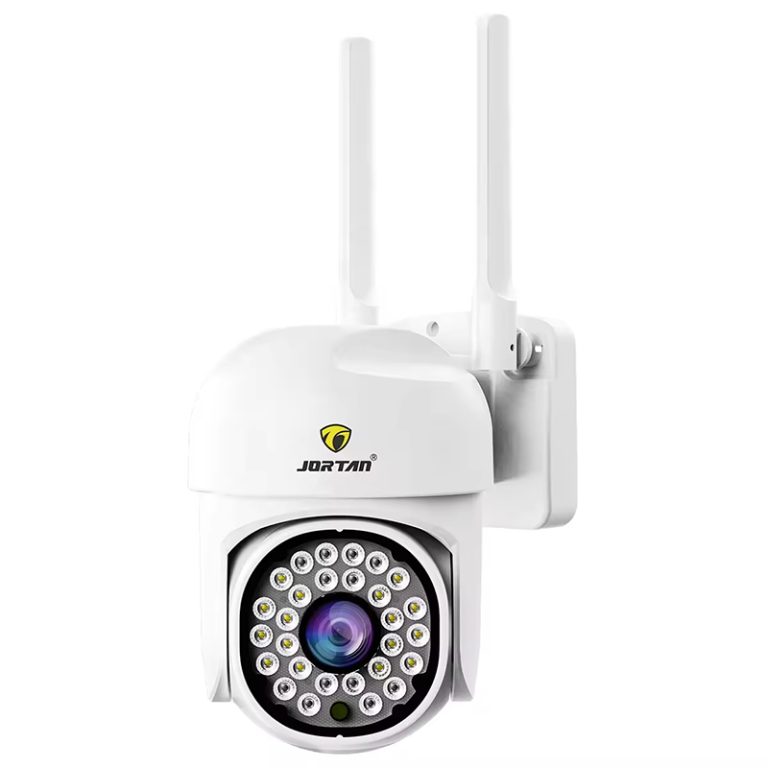
Entrances and narrow passages benefit from stable, fixed perspectives that prioritize clarity over movement. A solution such as the JT-8160QJ wireless WIFI IP camera fits these scenarios by delivering consistent coverage without unnecessary motion.

How PTZ-style coverage benefits open outdoor areas
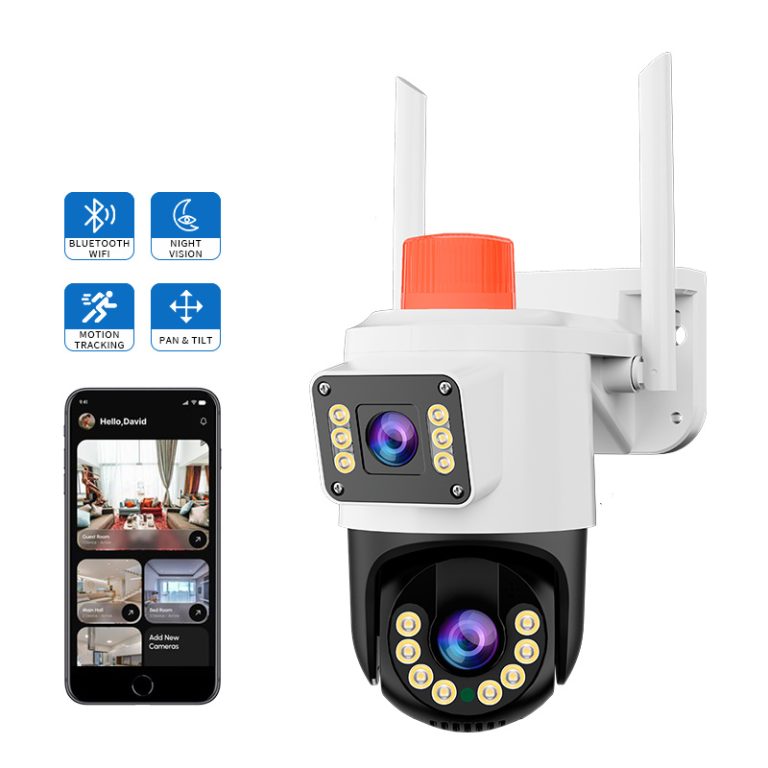
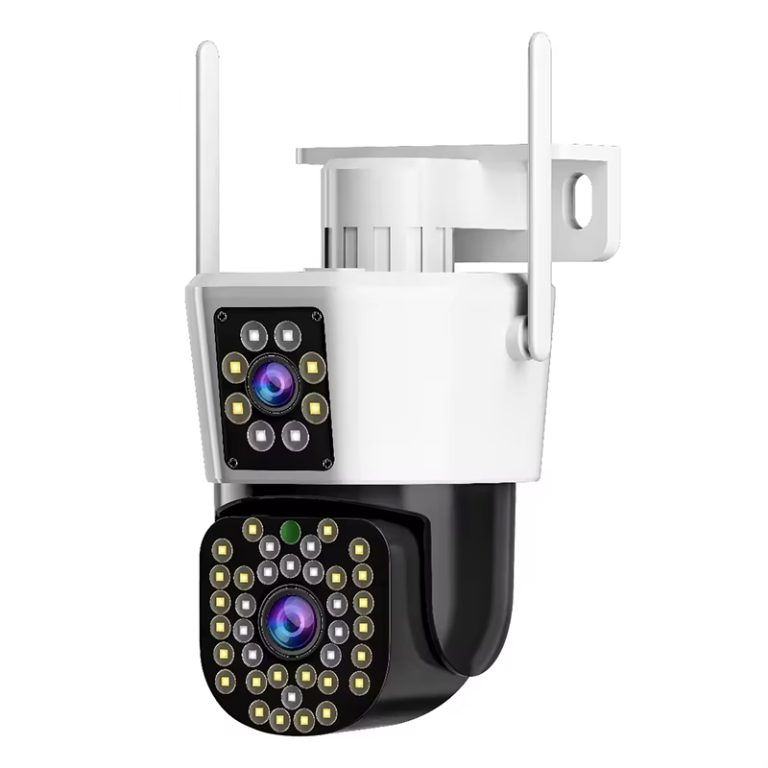
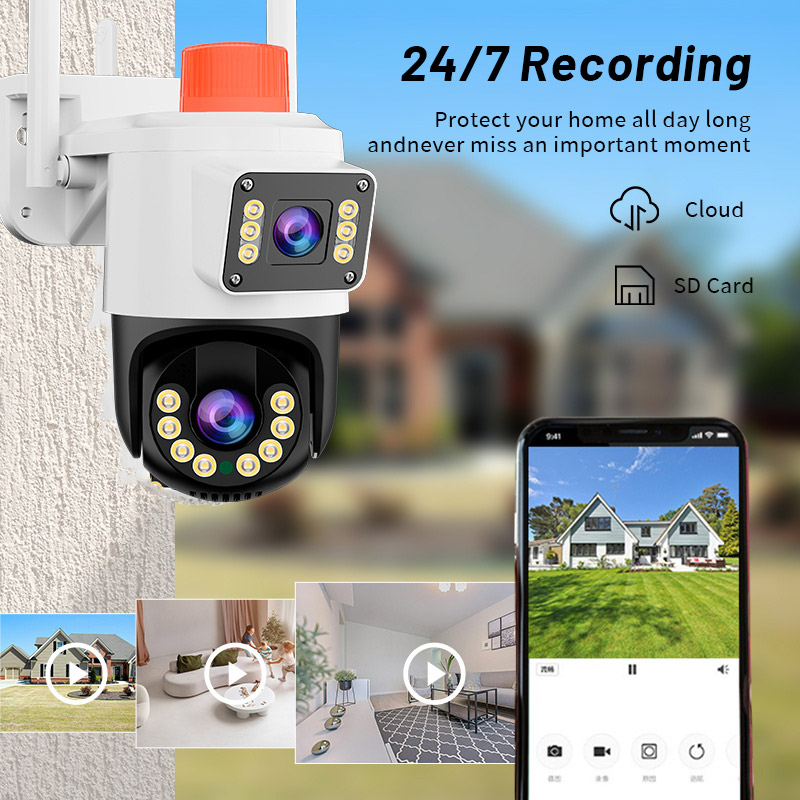
Open yards and parking areas require flexibility. PTZ cameras extend coverage dynamically, reducing blind spots across wide spaces. In such contexts, the JT-9689UQJ wireless WiFi CCTV camera provides adaptable sighting that aligns with varying movement trends.
What Long-Term Benefits Do Outdoor WiFi Cameras Deliver for Homeowners?
The actual advantage of outdoor WiFi cameras emerges over time, instead of the initial installation.
How continuous visibility changes security behavior
Consistent perimeter awareness alters how you perceive and manage risk. Instead of reacting to incidents, you monitor conditions and intervene early. This shift reduces uncertainty and enhances confidence in daily routines.
Why system reliability matters more than feature volume
Features lose value if systems fail unpredictably. Reliable operation, clear alerts, and stable connectivity deliver lasting security benefits. Over time, simplicity and consistency outweigh novelty.
FAQs
Q1: Can outdoor WiFi cameras remain reliable on typical home networks?
A: Yes. Cameras designed for adaptive bitrate control and stable reconnection can operate effectively on residential WiFi without requiring specialized infrastructure.
Q2: Are outdoor WiFi cameras effective without constant human monitoring?
A: Yes. Intelligent alerts and event-based notifications allow the system to surface relevant activity automatically, which reduces the need for continuous manual checks.
Q3: How do outdoor WiFi cameras reduce overall home security complexity?
A: By combining wireless deployment, remote access, and automated alerts, they consolidate perimeter monitoring into a single, manageable system that integrates smoothly into daily life.