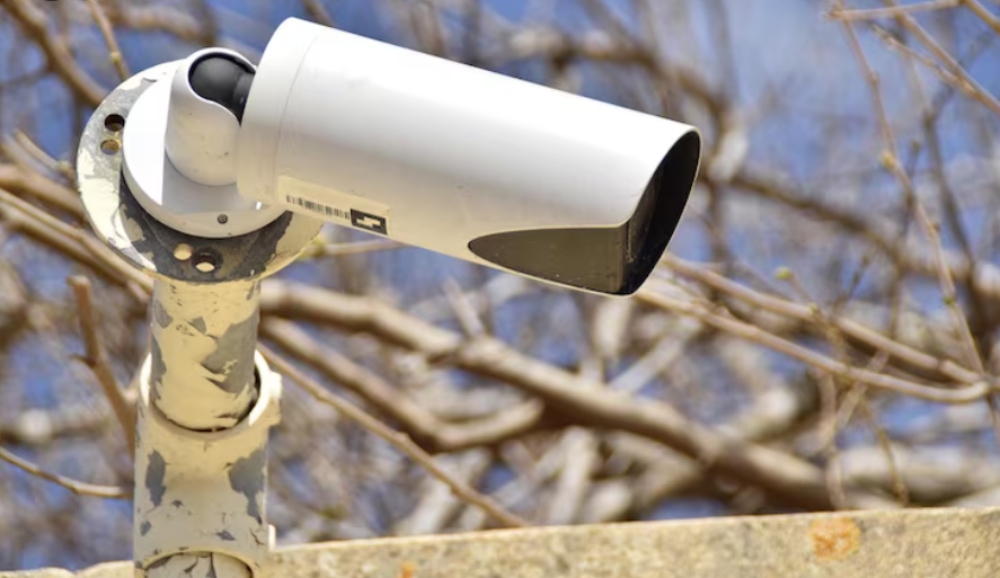
Residential surveillance has shifted from passive recording toward interactive scene control. As the layout of homes has opened up and users’ expectations have amplified, the choice of cameras no longer relates to just resolution or storage, but to spatial flexibility, operational control, and long-term adaptability. WiFi PTZ cameras represent one of those structural shifts in how you manage visibility—instead of passively observing a single static frame, you’re actively in control of what is observed, when, and from which angle.
Modern cameras are now intelligent terminals integrating optical imaging, communication modules, and algorithmic functions, rather than simple capture devices, which means that the comparison between PTZ and fixed cameras goes beyond being just a hardware comparison and is related to the system design.
Why are fixed-angle cameras becoming insufficient for modern home security?
In contemporary homes, open-plan living, multiple-use rooms, and seamless indoor and outdoor environments can be found, while fixed-angle cameras are made to monitor activities contained in a specific frame.
Surveillance devices have evolved toward mobile-controlled smart terminals that support remote operation and cloud communication, driven by scenario expansion and technological evolution. This trend favors devices that adapt dynamically rather than remain locked to a static field of view.
Where do blind spots most commonly occur?
Commonplaces to find blind zones in practical deployments include multi-access-point large living rooms, entryways with crossing paths, stairs and vertical transitions, garages connected to indoors, and courtyards or semi-enclosed outdoors.
A fixed camera can provide the best image clarity, but still misses some critical events because the viewing direction of the camera does not change.
How does PTZ functionality fundamentally change coverage capability?
The defining advantage of PTZ lies in mechanical control. Instead of installing multiple devices to compensate for blind spots, you operate a single device that physically reorients its perspective.
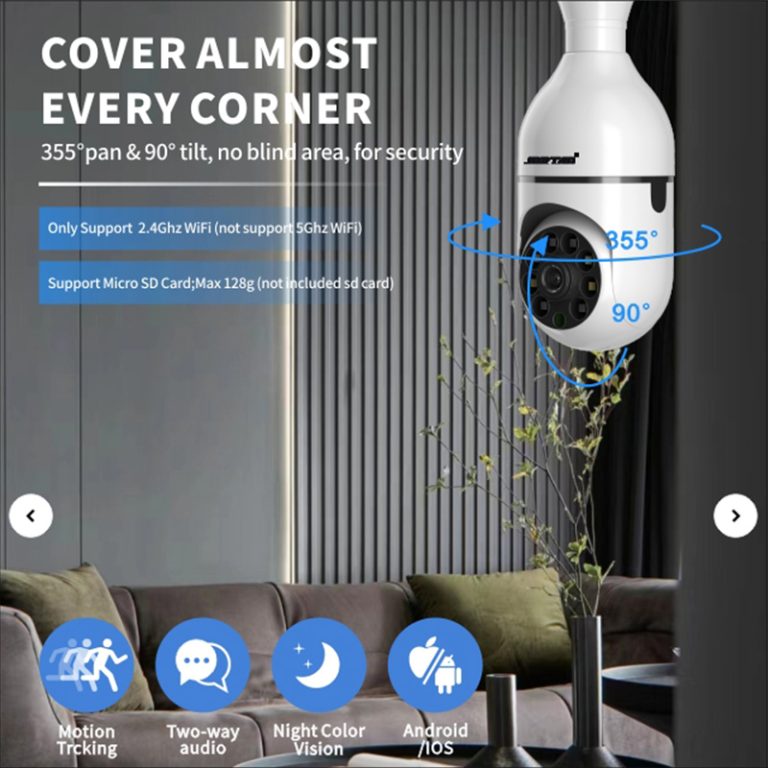
PTZ cameras integrate pan, tilt, and zoom capabilities within the device architecture. According to camera classification standards, this structure enables 360-degree panoramic monitoring and long-distance observation that fixed cameras cannot provide.
What does pan, tilt, and zoom actually enable in daily use?
In real environments, PTZ functionality allows you to:
- Rotate horizontally across wide rooms without repositioning hardware
- Adjust vertical angles for stairways or elevated spaces
- Zoom toward distant subjects when alerts occur
- Follow movement trajectories instead of reviewing footage afterward
- Inspect unusual sounds or notifications instantly
This transforms surveillance from passive documentation into active situational management.
Why does WiFi connectivity amplify the value of PTZ architecture?
Mechanical movement alone is only useful if you can control it conveniently. WiFi connectivity converts PTZ into a real-time interactive tool rather than a locally operated mechanism.
The industry defines smart cameras as devices that support mobile terminal operation and cloud communication, enabling remote control, intelligent alerts, and continuous synchronization across platforms.
How does remote control reshape user behavior?
With wireless connectivity, the interaction with the camera changes:
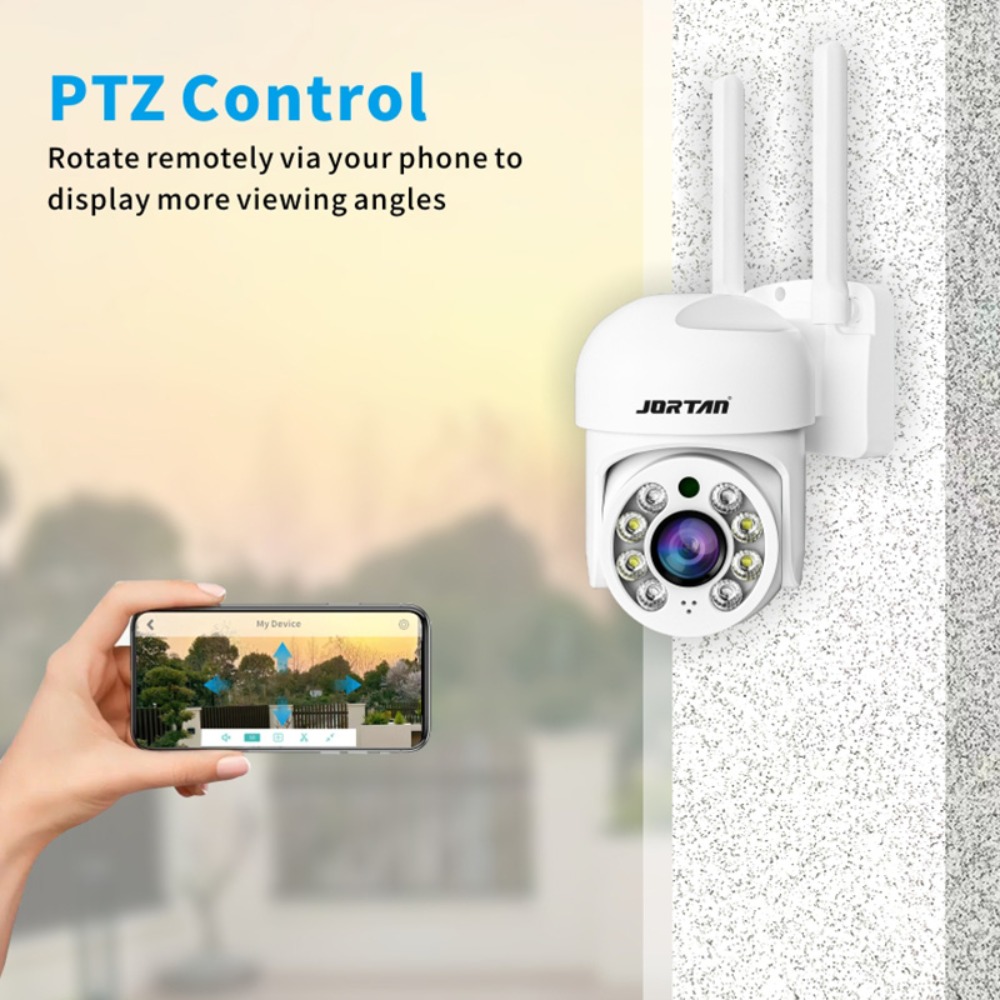
- Adjust viewing angles directly from a mobile device
- Investigate alerts immediately rather than reviewing recordings later
- Adapt coverage when furniture or room layout changes
- Manage monitoring without physical presence on site
This dynamic interaction model is impossible with conventional fixed-angle cameras.
Can PTZ cameras reduce the number of devices needed?
System efficiency matters in both cost planning and operational complexity. PTZ architecture often allows a single device to replace multiple fixed units in the same space.
PTZ devices are suitable for comprehensive monitoring environments precisely because they rely on mechanical coverage rather than multi-camera redundancy.
When can one PTZ replace multiple fixed cameras?
This advantage becomes clear in scenarios such as:
- Open-plan apartments with overlapping functional zones
- Living spaces with multiple entrances
- Courtyards connecting indoor and outdoor areas
- Long hallways require observation in several directions
Instead of installing two or three cameras to monitor all angles, one single PTZ camera can offer equal or even better situation awareness.
What imaging and intelligence advantages usually accompany modern PTZ cameras?
PTZ devices are rarely built as mechanical tools alone. They are usually paired with higher-level imaging systems and intelligent functions because the hardware platform supports more advanced processing.
Security camera architectures now integrate sensors, encoders, communication units, and intelligent analysis into unified terminals, allowing coordinated performance across functions rather than isolated features.
Which functions make PTZ more than just a moving lens?
In modern WiFi PTZ systems, common enhancements include:
- Human-shape detection to reduce irrelevant alerts
- Two-way audio for real-time interaction
- Multi-mode night vision (infrared, full-color, smart switching)
- Automatic tracking of moving subjects
- Efficient video compression to manage bandwidth usage
These features transform PTZ cameras into comprehensive monitoring tools rather than simple visual devices.
Where does manufacturing depth affect PTZ performance?
PTZ performance depends not only on software but also on mechanical precision, motor calibration, optical stability, and firmware coordination. These factors are heavily influenced by manufacturing capability rather than marketing claims.
Zhejiang Jortan Electronic Technology Co., Ltd. operates integrated production facilities exceeding 30,000 square meters, combining design, R&D, manufacturing, and service under one operational structure. Our production follows international processes and structured quality systems rather than generic assembly workflows.
Why does engineering consistency matter more for PTZ than for fixed cameras?
Developed in Yiwu, an established electronics manufacturing hub, Jortan positions our PTZ product lines around optical stability, mechanical precision, and long-term operational reliability rather than short-term feature stacking. Our technical teams emphasize coordinated integration between imaging systems, rotation modules, and firmware control. This matters because in PTZ devices, even small inconsistencies in motor accuracy or calibration can degrade user experience over time.
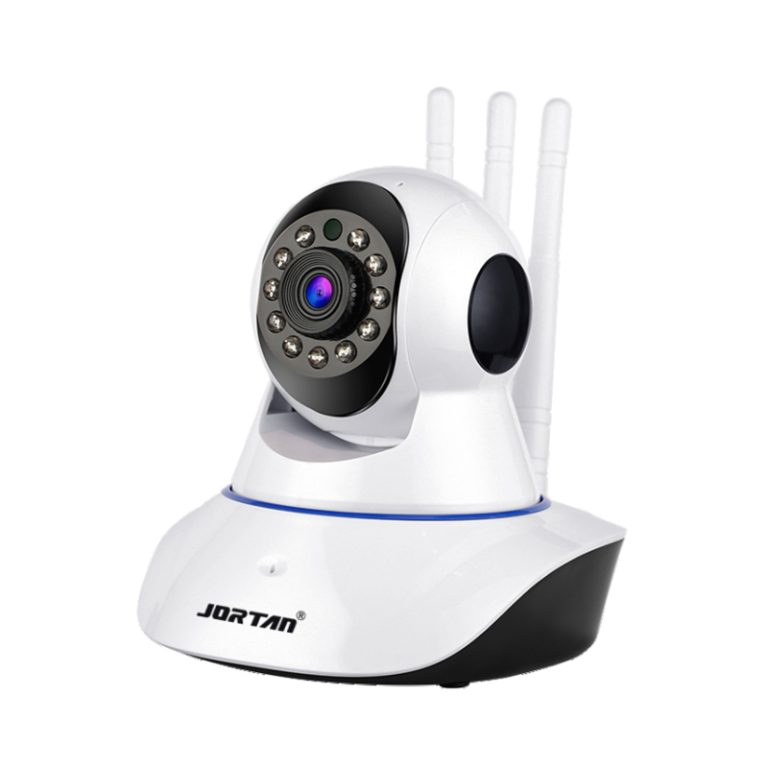
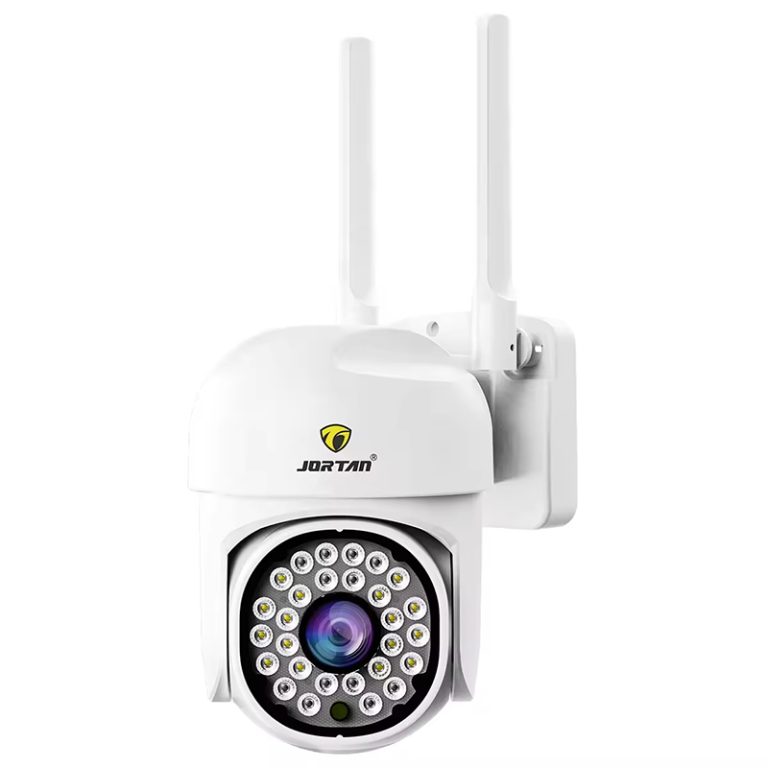
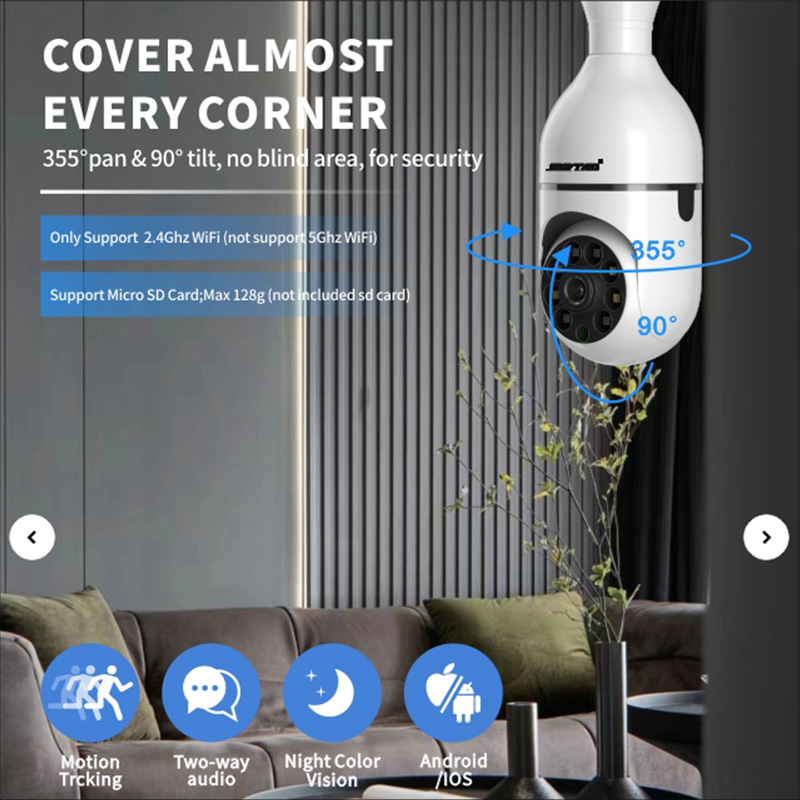
The JT-8177 WiFi PTZ camera reflects this system-level design approach in home environments where flexible coverage matters more than static viewpoints.
How do different products address typical PTZ deployment needs?
Feature lists are only meaningful when they align with actual user behavior. In practice, most home monitoring relies on three priorities: coverage flexibility, ease of control, and adaptability over time.
What practical strengths define the JT-8177 in real environments?
This model is positioned for indoor home scenarios such as living rooms, entrances, and shared family spaces. Its architecture supports:
- Broad rotational coverage to reduce blind areas
- Wireless installation without network cabling
- Remote pan/tilt operation through mobile control
- Event-triggered alerts for responsive monitoring
- Flexible adaptation to layout changes
These attributes align with the general direction of consumer camera evolution toward interactive, mobile-controlled devices rather than static observation tools.
Why does dual-lens or enhanced PTZ design further extend usability?
As residential layouts become more complex, single-angle or single-lens monitoring increasingly limits situational visibility. Enhanced PTZ architectures expand that usability without adding more devices.
How does the JT-8160QJ suit more complex layouts?
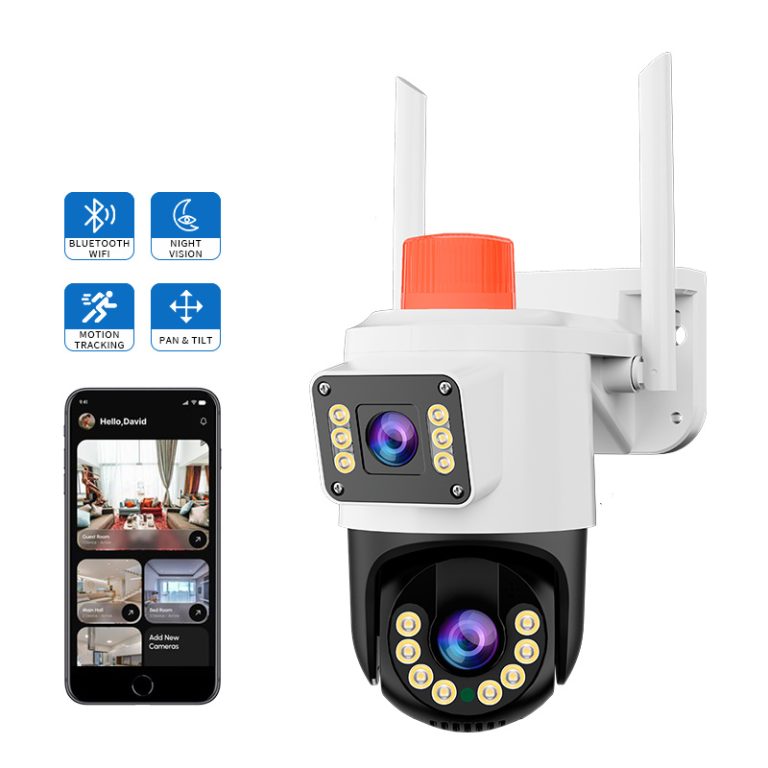
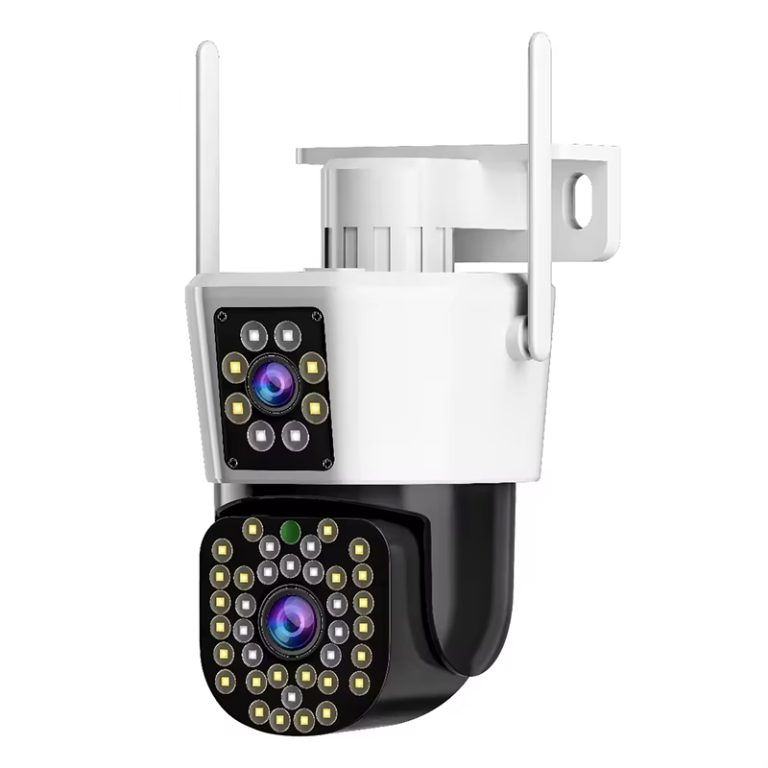
This model is positioned for environments where monitoring demands exceed the capability of a single static viewpoint. Its structure supports multi-zone observation within a single device, broader spatial awareness across connected areas, improved adaptability in larger indoor environments, and reduced dependency on installing multiple cameras.
The JT-8160QJ WiFi PTZ camera reflects this design direction in settings such as duplex apartments, villas, and semi-commercial home spaces.
Are WiFi PTZ cameras suitable for long-term home security planning?
Device selection should consider not only present requirements but also how your environment may change. Fixed cameras often lose relevance when rooms are repurposed or layouts evolve.
The trend of this industry development indicates that home cameras increasingly emphasize flexibility, intelligence, and user-managed control rather than static deployment models.
How does PTZ flexibility protect future use value?
PTZ architecture provides resilience against change, as furniture layouts evolve, family routines shift, new areas become security priorities, and monitoring needs expand without replacing devices. This adaptability often extends the useful lifespan of the system beyond what fixed cameras can provide.
Who benefits most from choosing PTZ over fixed cameras?
PTZ devices are not mandatory for every household, but their value becomes clear when spatial complexity or user engagement increases.
Which environments justify PTZ selection?
You gain the most benefit in environments such as large apartments and villas, homes with open-plan designs, properties with balconies or courtyards, users who actively manage their monitoring, and families seeking wide situational visibility rather than static recording.
FAQs
Q: Are WiFi PTZ cameras more maintenance-intensive compared to fixed cameras?
A: PTZ cameras have moving components, but well-designed PTZ systems incorporate long-cycle life-rated motors and assemblies. Periodic firmware updates and the occasional cleaning of lenses will take care of the problem.
Q: Can a PTZ camera fully replace a multi-camera setup?
A: In many home scenarios. A properly positioned PTZ device can cover multiple directions that would otherwise require two or three fixed cameras, especially in open indoor spaces.
Q: Does frequent rotation reduce device lifespan or image stability?
A: High-quality PTZ systems are engineered for continuous movement. Motor calibration, structural precision, and firmware coordination ensure stable operation without degrading image performance over time.