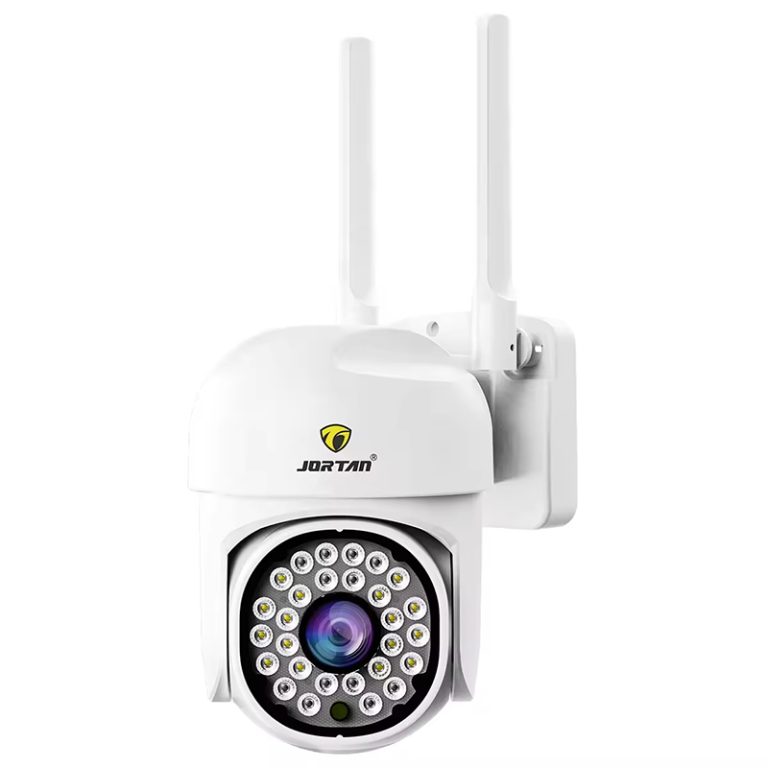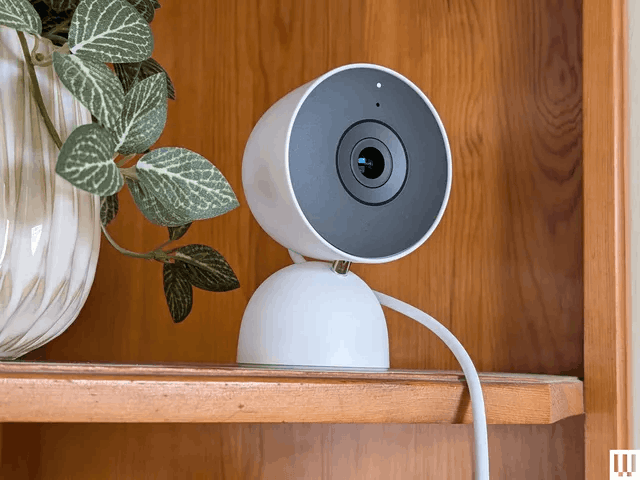
In the world we live in today, keeping an eye on your house or your shop is not a simple “one-size-fits-all” task. As the ways we protect our things get trickier, it is very helpful to learn how modern IP cameras and old-school CCTV setups are different. Knowing these small details helps you pick a plan that fits your own space, your piggy bank, and what you actually want to see when you look at the screen.
img.Understanding the Differences Between IP Cameras and CCTV Systems.png
What Are the Core Differences Between IP Cameras and CCTV Systems?
The tools used to watch over buildings have moved very fast lately. Making a choice between an IP camera and a CCTV setup can really change how you plan for safety. Both of them do the same basic job—they watch and save video of what is going on. But, they are very different in the way they work, how they send their pictures, and how easy it is to add more cameras later as your business grows.
How Do IP Cameras and CCTV Systems Function Differently?
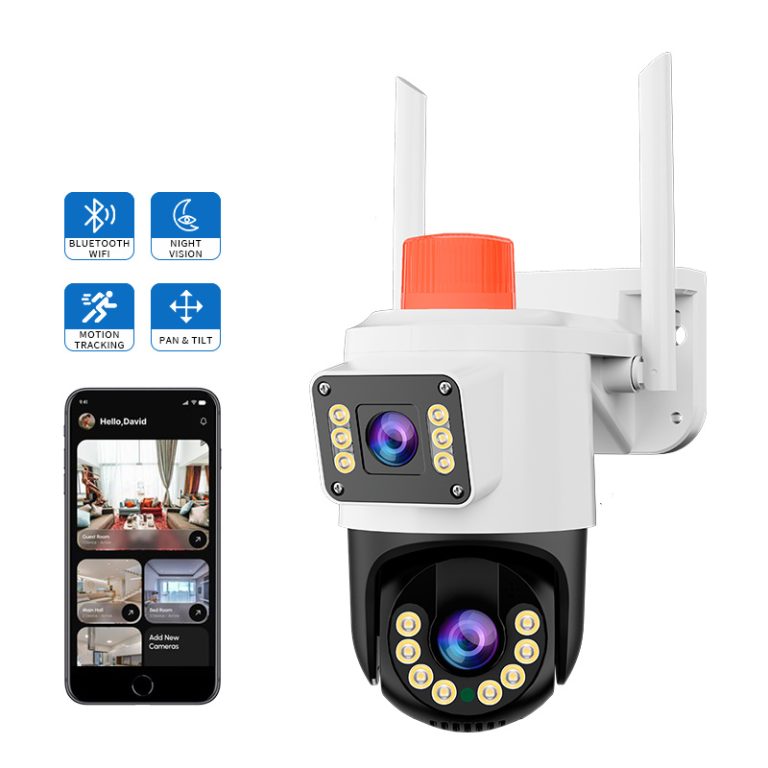
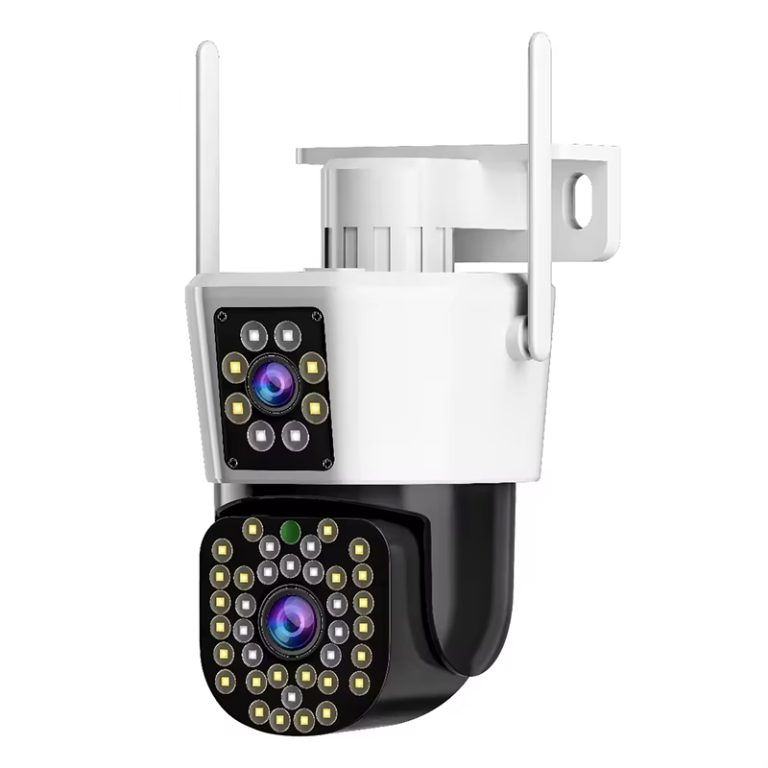
So, what is the big secret between an IP camera and CCTV? The main thing is how each one sends its news. IP cameras send video as digital bits over a computer network. This is great because it lets you look at the video from far away using a computer or even a phone in your pocket. Since this way uses a network, it is very flexible. You can watch many different spots at the very same time. This makes it a perfect choice for big companies that have shops or offices in many different towns.
On the other side, CCTV security cameras use old-style signals. These signals go through thick cables to a main box that saves everything. This way of doing things is more traditional and usually needs a real, physical wire for every single camera you put up. Because of all these wires, it is much harder to make the system bigger later. The way they send video also changes how hard it is to put them in. IP systems need you to set up the network, while CCTV needs you to run a lot of heavy lines. This difference also matters later if you want to move a camera to a new spot.
Why Is Image Quality Different in IP Cameras? Compared to CCTV?
IP security cameras usually give you a much clearer and sharper view. This is because they catch and handle the video in a digital way from the very start. This digital sharpness means you can zoom in to see small things without the picture getting all fuzzy or blurry. This is super important if you need to see a person’s face clearly or read the small letters on a car’s plate.
Analog CCTV cameras are a bit different. They turn the pictures into signals before they send them. Because of this, the signal can get “tired” or weak if the cable is very long. This makes the picture less sharp, and the colors might look a bit weird. When you are picking a system, think about what you need to see. If you need to see tiny details in a big or scary area, IP cameras are the best. But if you just need to see if someone is standing by a door, the older systems might work fine and save you some cash.
In What Ways Do Costs Differ Between IP Cameras and CCTV Systems?
Thinking about money is usually how people decide which tool fits best in their budget.
What Are the Initial Costs Associated with Each System?
The money you spend at the start is quite different for these two. Are IP cameras better than CCTV? While IP cameras usually cost more at the very beginning because they have smart sensors and can talk to networks, they do a better job. This better work can make the extra money worth it as time goes by.
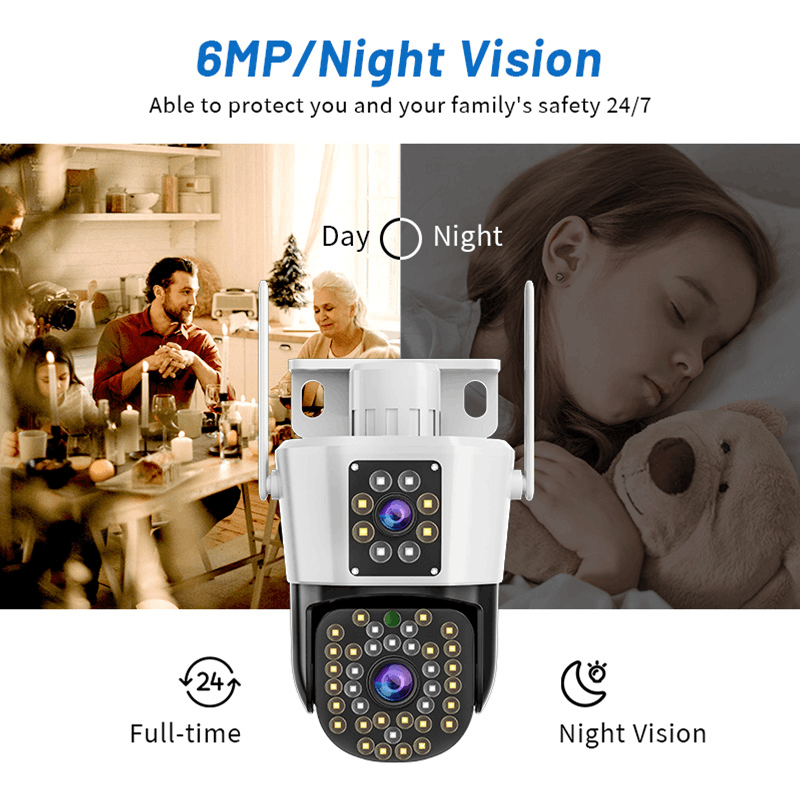
CCTV systems are usually cheaper when you first buy them. This is because they have a simpler design and don’t have all the fancy network parts inside. However, these savings might go away as you add more cameras or if you have to buy new boxes later on. It is very smart to think about the “total cost.” This means thinking about the price of the cameras, how much it costs to save the video, and how much you will spend fixing them over many years.
How Do Operating Costs Compare Over Time?
As the years go by, the cost of running an IP system is often lower. Being able to fix things from far away means you don’t have to pay for a worker to drive to your place as much. Also, using cloud storage means you don’t have to buy big, heavy boxes to save your video at home.
On the other hand, old CCTV systems might cost more later. Cables can wear out or break, and the recording boxes might need to be replaced. As the world moves toward digital stuff, finding parts for old systems might get harder and more expensive because people just don’t make them much anymore.
How Do Security Features Vary Between IP Cameras and CCTV?
Safety is not just about a strong lock on the door. It is also about keeping your videos safe so nobody can see them or mess with them without your permission.
What Security Measures Are Available with Each System?
IP cameras have smart ways to stay safe, like using “scrambled” code (encryption). This protects the video as it travels across the web. These steps make sure that your private videos stay secret, even if a bad person tries to grab the signal.
In contrast, old CCTV systems mostly rely on keeping things locked up. You might keep the recording box in a locked room. This is because those signals are not easy to hide with codes. Both ways have good points. It just depends on if you care more about digital secrets or keeping the physical boxes behind a locked door.
Why Is Cybersecurity Important in Modern Surveillance Systems?
Because IP cameras live on the internet, keeping them safe from hackers is a top goal. If you don’t have a good digital wall or secret codes in place, these cameras could be a door for hackers. They might try to get into your company files or your personal stuff. Understanding this helps you build a safe system that follows the rules of the modern world.
How Does Jortan Enhance Your Surveillance Experience?
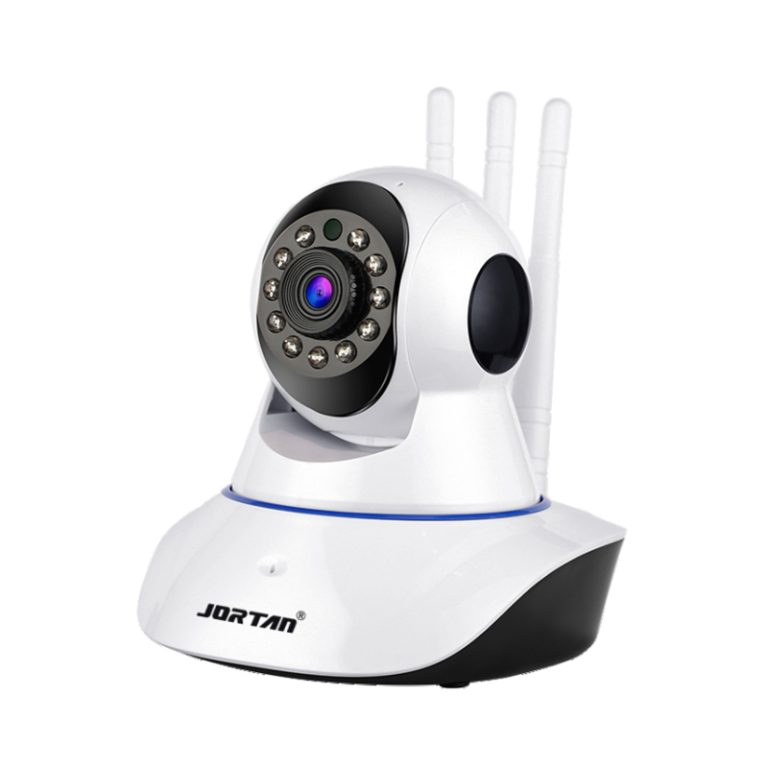
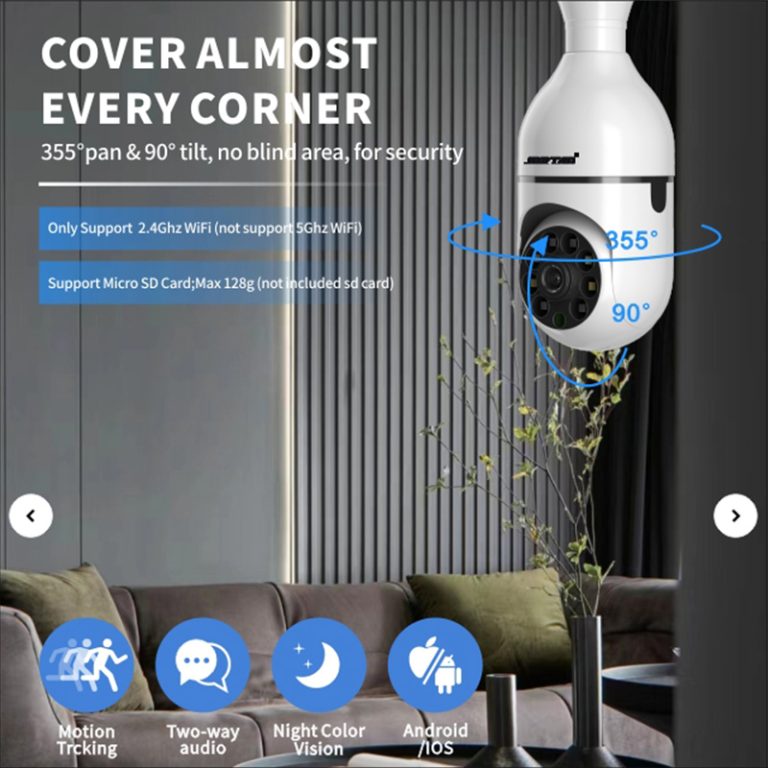
When you look for options that are both new and trustworthy, Jortan is a top name. They provide great systems for all kinds of places, from shopping centers to factory buildings. The Jortan list of products has high-power IP cameras made with very good sensors. These sensors give you a super clear picture even when the lights are low.
Jortan does not just have great tech; they also make sure their cameras work well with the stuff you already have. They use open rules like ONVIF. This means you have a lot of freedom, whether you are swapping out old parts or starting a brand-new project from zero. The company stays with you through the whole journey. They help with the design, help set things up from far away, keep the software updated, and make sure everything stays running for a long time.
Choosing Jortan for your safety needs means you are buying more than just a camera. You are buying a feeling of peace. You get the help of experts who have spent years learning how to make the world a safer place through smart engineering.
FAQ
Q: Can I upgrade my existing CCTV system to incorporate IP technology?
A: Yes, hybrid systems allow integration of both technologies, offering enhanced features without complete replacement. You mix old and new parts with little trouble. This saves money and keeps things running without long stops. Many find this way easy and helpful for their setups.
Q: Are there any privacy concerns with using IP cameras?
A: Privacy concerns can be mitigated by implementing strong network security measures and adhering to privacy regulations. Set web walls with care. Follow local rules step by step. Add codes to block risks. These steps keep things secret and safe. You dodge common problems this way. And your data stays protected from prying eyes.
Q: How do I decide which system is right for my business?
A: Assess your specific needs, budget constraints, and future scalability plans to determine the most suitable option. Start by checking your space and tasks. Then look at money limits in detail. Plan for growth after that. Talk to pros if it clears up doubts. This one-by-one way leads to the best choice for your group. You end up with a system that fits now and later.