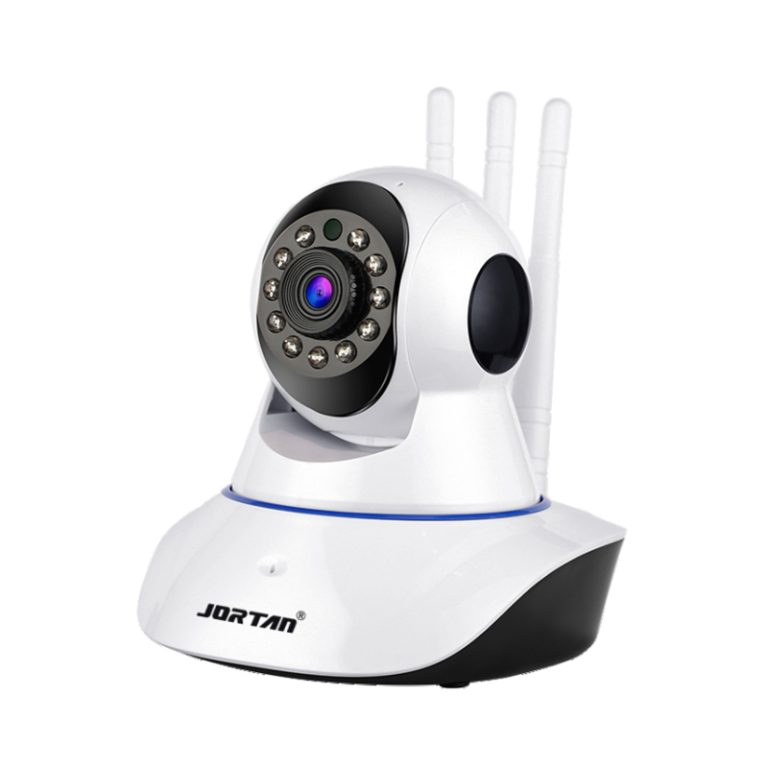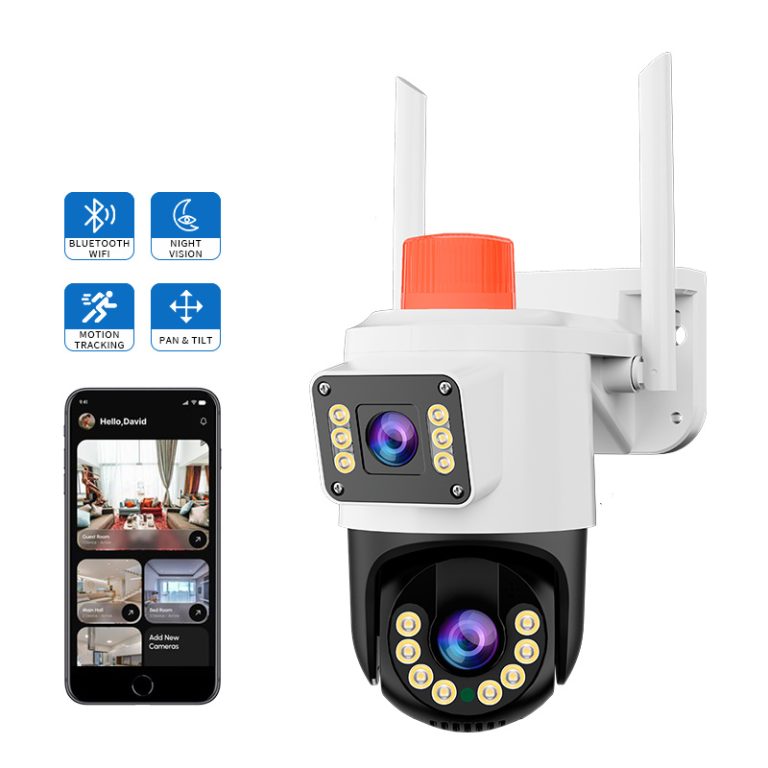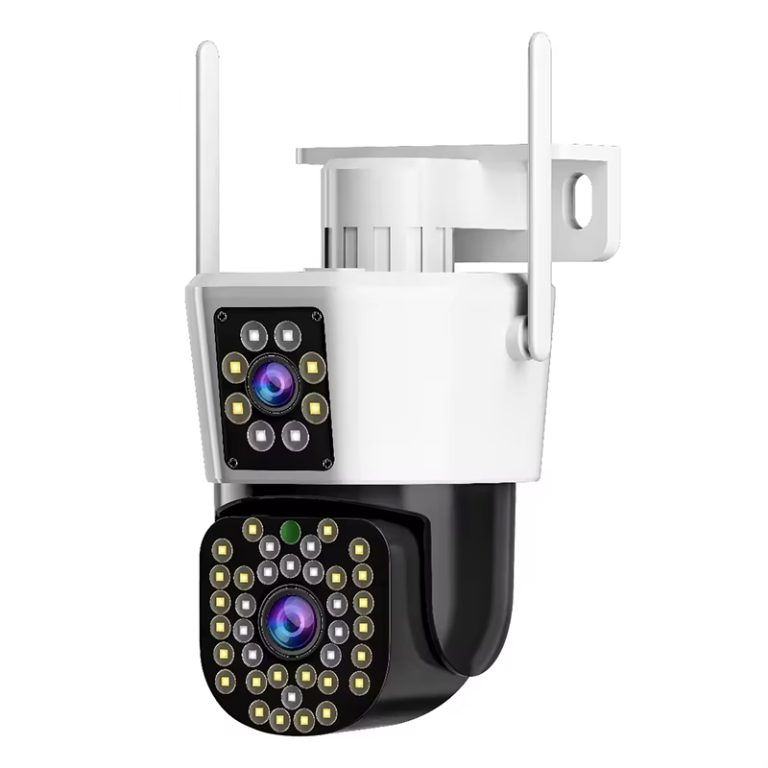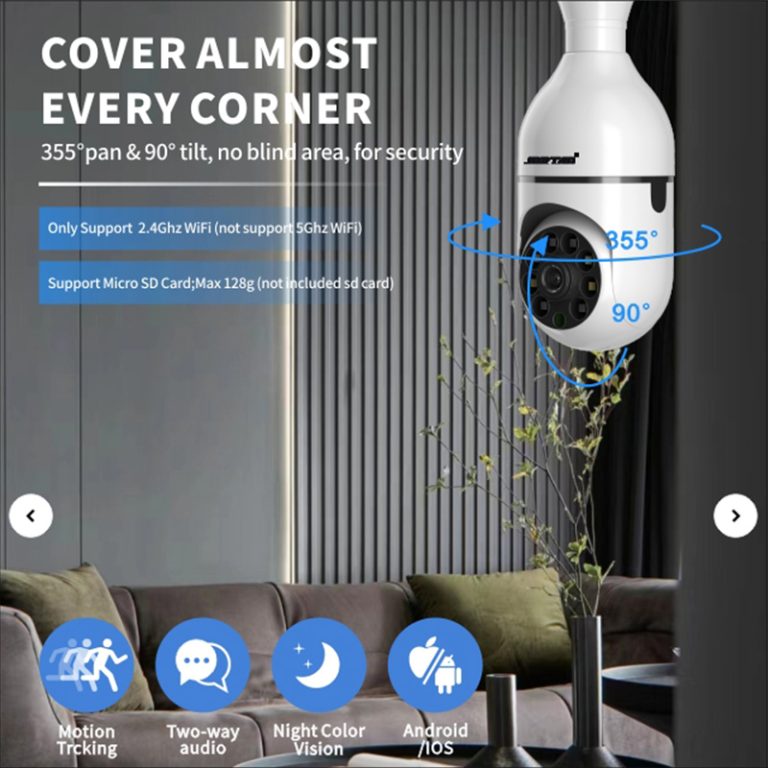
Security cameras depend on a number of main parts that team up to change everyday sights into sharp, practical video. When you learn about these important pieces, you gain a clearer idea of how a camera grabs light, works with picture information, and provides steady watching results. This knowledge helps users make smart choices for their needs.
img.Understanding Security Cameras: Key Components and Their Functions.png
What Are the Essential Components of Security Cameras?
Security cameras serve as detailed tools that blend optical, electronic, and digital elements to watch and save events in a strong way. Every section adds to the camera’s skill in grabbing, handling, and sending top-notch pictures under different light levels and weather situations. These parts make sure the system runs smoothly in homes, shops, or big buildings.
How Does the Lens Impact Image Quality?
The lens counts as one of the top factors that shape picture clearness and the area it covers. It sets the size of the space your camera views and the level of detail in that sight. For example, wide-angle lenses help you watch wide areas, like parking spots or big rooms with few walls. However, they can lose some small details if you try to zoom in close. In contrast, varifocal lenses offer more options because you can change the zoom and focus yourself to fit certain watching tasks. And this kind of change proves very handy in active places where the watching rules shift as time goes on.
Strong lenses make certain that light flows well to the sensor without any bends or color mix-ups. Moreover, when you match them with the right image sensor, they keep the edges sharp no matter the light setup. As a result, you enjoy better views day or night, which boosts the overall use of the camera.
Why Is the Image Sensor Crucial for Performance?
The image sensor changes light into electric messages, and this step forms the base for creating sharp video parts. Today’s security cameras mostly pick CMOS sensors since they give good output, use little energy, and handle tasks quicker than past CCD sensors. Besides, the sensor’s size holds a big part; bigger ones take in more light, which lifts the work in dim spots like storerooms or outside fields after dark. This means clearer pictures when light is low, helping spot things better.
A smart match between the lens and sensor brings even light balance and true color shows. Furthermore, this teamwork lifts both live watching and saved video clearness. So, the whole system feels more reliable for everyday protection.
How Do Infrared LEDs Enhance Night Vision?
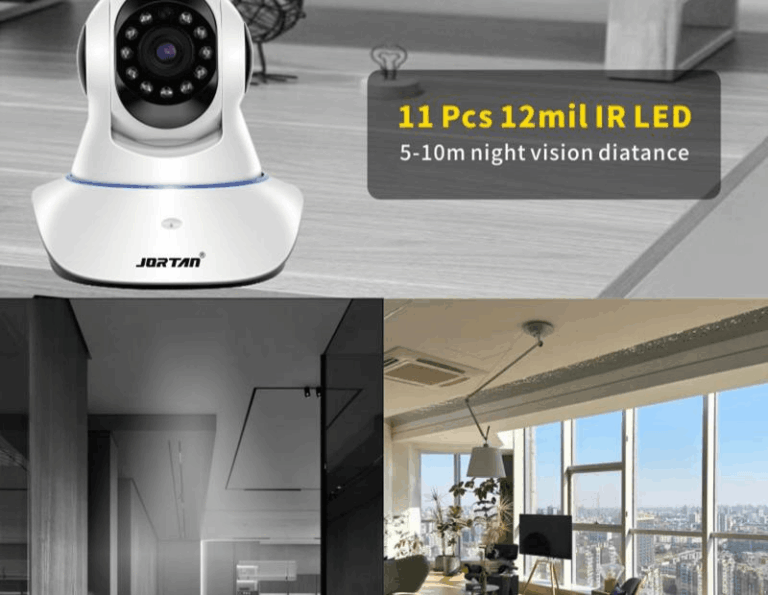
Infrared (IR) LEDs stand as key helpers for evening watches. These little yet mighty parts give off infrared light that eyes cannot see but camera sensors pick up. Therefore, they let the watch go on without breaks even in total dark by lighting up the area with light you cannot spot. This keeps the video useful around the clock.
The amount and power of IR LEDs directly shape how far your camera views in the dark. If you have more LEDs or a stronger push, it stretches the see distance and holds the sharp view. Plus, this tool matters a lot for outside cameras set in spots without lights or buildings that need full-time safety. Without them, night checks would fail often.
What Role Does the Processor Play in Security Cameras?
Once the camera takes in a picture, the processor turns into the core spot for managing data inside the security camera network. It reads the messages from the sensor, squeezes the video files down, adds smart checks, and runs network talks in a smooth manner. All this happens fast so you do not miss key moments.
How Does Video Compression Affect Storage Needs?
Video compression plays a big part in making storage better without hurting the picture’s truth. Processors apply styles like H.264 or H.265 to cut file sizes small while keeping the parts needed to spot things right. And these tools cut down on bandwidth use by a lot, which helps when you save huge sets of video on home drives or cloud storage. It saves space and money over time.
Good compression also makes sure the stream flows easily in far-away watch times and lets you keep videos for longer stretches before the storage fills. In short, it makes the system easier to handle for busy users.
In What Ways Do Processors Support Advanced Features?
Current processors go way beyond simple video coding; they turn on smart tools that shift watching from just waiting to acting quick. For instance, AI-based skills like motion find, item follow, and face know depend on fast data looking right in the processor. Because of that, you get right-away warnings if strange moves happen, and you skip looking back at long video rolls later. This saves hours of work.
Better checks let you spot patterns too, like spotting moves or acts that happen again and again, and that brings real help for making guards better and getting work ideas. Overall, these features make the camera more than just a watcher; it becomes a smart guard.
How Do Connectivity Options Influence Camera Functionality?
Connectivity shapes how your security cameras talk to other machines or watch setups. Modern surveillance cameras often include network skills, sending pictures to a watch hub or the cloud over wired or wireless paths, which aids live watches and far checks. The best kind of link brings steady sends, sure entry, and easy mix into your larger guard base. It ties everything together without trouble.
Why Is Network Compatibility Important?
Wired links bring steady, quick data moves with small mix-ins, and they fit best for setups that need nonstop feeds, such as banks or factory places. On the flip side, wireless plans make putting them in easier and let you place them where wires would not work or would look out of place. So, you pick based on the spot.
Fitting with network rules brings smooth joins into old IT groups or smart home nets. Surveillance cameras will connect with other smart tools, making a full guard and handle system for stronger team play. What is more, this link helps back main control spots that make running things simple over many sites. It cuts down on daily hassles.
How Do Power Options Affect Installation Choices?
Power picks change both the setup hard work and how often you need to care for it. Power over Ethernet (PoE) tech makes wires simple by mixing power flow and data sending in one line, which cuts down on mess and keeps work sure. This way, setup goes faster and cleaner.
Battery-based models give free spot choices but call for regular charge-ups based on how much you use them. For spots far off without good power reach, sun-based cameras give a green way to keep things running even away from main lines. Thus, you have options for all kinds of places.

How Can You Choose the Right Security Camera System?
Choosing the right system rests on matching tech points with place wants and work plans. The applications of surveillance cameras cover a lot, from public safety to home watch. Be it guarding shop lands or home spots, grasping these setting points helps push safe work to the max. You end up with a setup that fits just right.
What Factors Should You Consider for Your Environment?
Room setups put first the looks and hidden styles, while outside parts must handle wild weather like wet or hot blasts. Clearness counts a bunch too; more pixels grab tiny bits needed for spotting jobs but ask for bigger storage rooms. So, balance is key.
Private thoughts matter the same; search for types with cover zones or code tools to block wrong looks at key spots like work areas or alone rooms. This keeps trust and follows rules well.
Why Is Brand Reputation Important When Selecting a System?
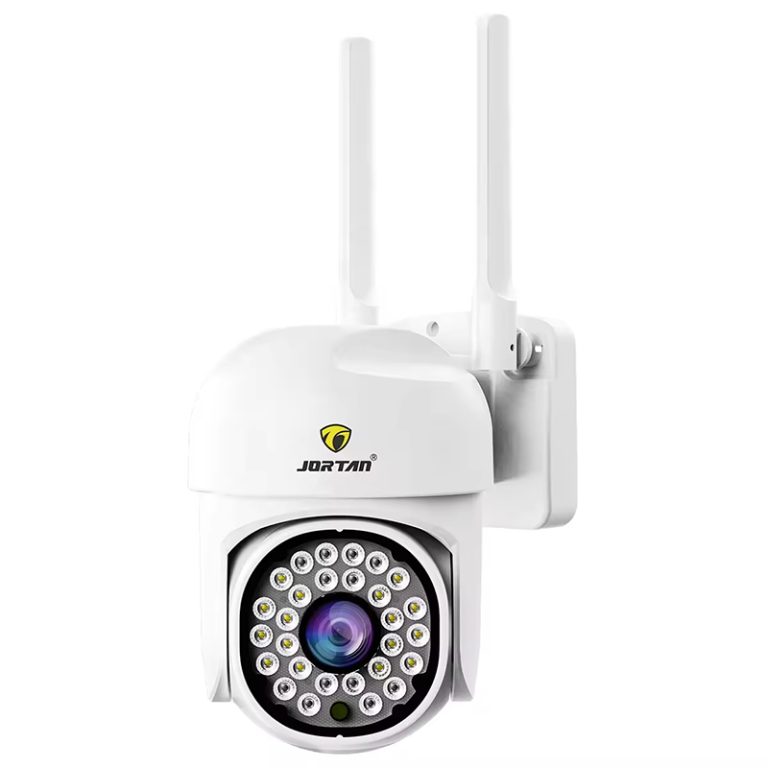
When sure work stands out most, going with a known maker brings steady output with professional help backing. Jortan blends sharp image tools with brainy soft checks to bring exact watch all hours. Their goods range holds IP-based nets that back AI-boost to find ways that shift quickly to new scenes, and they suit firms that want to grow answers without giving up clear or quick acts. More than tech skill, Jortan points to easy faces that make the set simple while holding strong cyber rules to guard saved video from wrong grabs. Whether you lift an old net or start fresh, Jortan’s custom picks bring sure cover that fits your work wants spot on.
Home watch cameras guard against theft, keep eyes on kids and animals, and make sure old people stay safe. Far-check tools let folks look at homes when they want, even out. With groups like Jortan giving safe cloud link ways next to home save picks, you pick plans that mix easy use with private security without sweat. This makes life simpler for all users.
FAQs
Q: How often should you maintain your security camera system?
A: Regular maintenance every six months ensures optimal performance and longevity by cleaning lenses, checking connections, updating firmware, and verifying recording consistency. This simple routine keeps everything running smoothly and spots issues early.
Q: Can security cameras function without an internet connection?
A: Yes, local storage options allow continuous recording even offline; however, remote viewing features require active internet connectivity for live access via apps or browsers. So, you can still record basics without the web, but full checks need it.
Q: What is the typical lifespan of a security camera?
A: With proper care, including environmental protection measures and periodic servicing, most modern units last between five and ten years before significant component degradation occurs. Good habits like cleaning and updates stretch that time even further.