img.Top Solar Camera Innovations in 2026 Changing Outdoor Surveillance.png
Solar camera technology is advancing fast in 2026, offering smarter outdoor surveillance through cleaner energy use and simpler setup. From improved night vision to better battery performance and AI-based detection, these changes are transforming how outdoor security systems function.
Emerging Trends in Solar Camera Technology for 2026
As solar-powered surveillance develops quickly, 2026 should mark a major turning point for the field. The rising need for eco-friendly, self-reliant monitoring setups has encouraged makers to create new ideas in power saving, AI functions, and network linking.
The Shift Toward Low-Power Solar Camera Systems
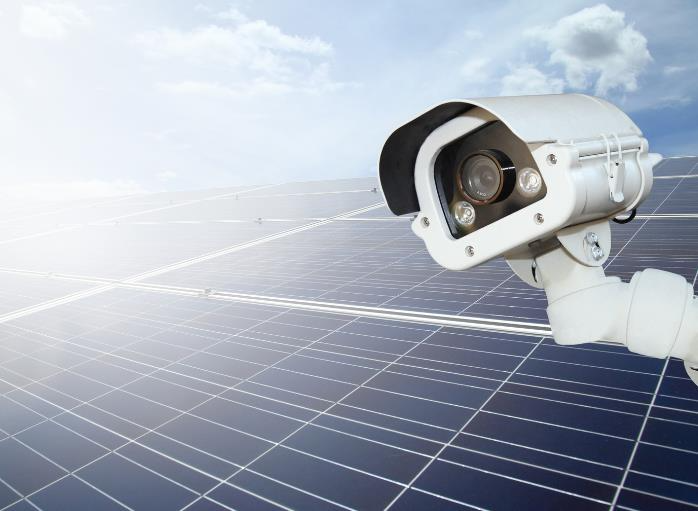
Solar cameras are heading toward very efficient designs that make the most of energy and cut down on upkeep. The main reason low-power solar cell surveillance cameras are gaining so much favor is that they fix the setup challenges of old surveillance gear in far-off spots or places lacking basic facilities, and they fit the push for saving energy, protecting the environment, and smart tech. This change allows you to place cameras in areas where power and internet were once out of reach.
Today’s low-power solar cameras blend cutting-edge parts like monocrystalline silicon panels and flexible circuits to keep working even on overcast days. By using very low power in standby mode and AI-triggered recording for events, it provides round-the-clock monitoring, with battery life that goes way beyond old battery options (for example, it can run for 7-15 days during rainy periods).
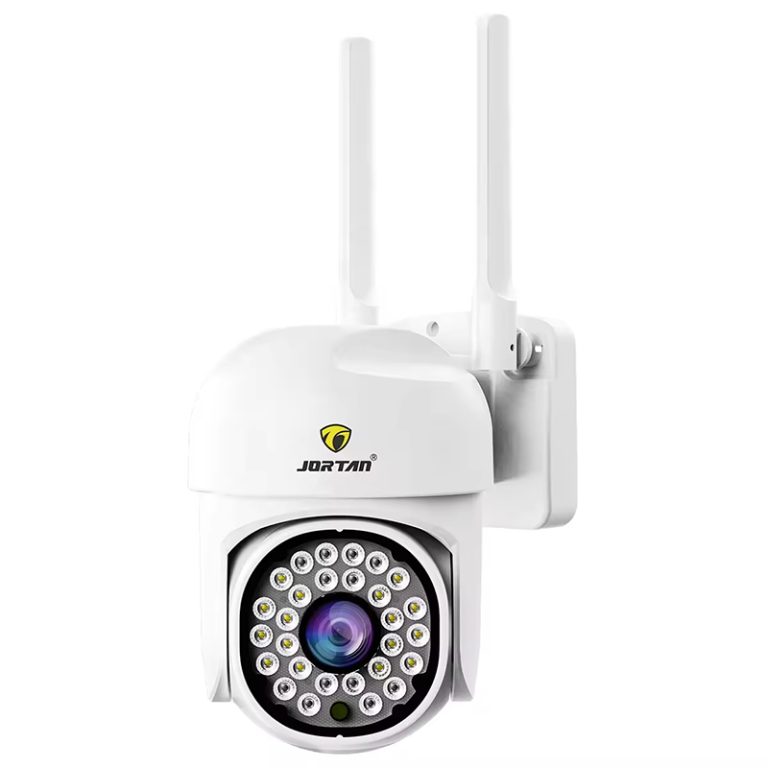
A clear winner is Jortan’s new generation of low-power solar cameras, which mix clever energy handling with strong outdoor results. These setups show how green practices and fresh ideas can work together smoothly in today’s security setups.
Enhanced Energy Storage and Battery Management
Energy storage tech is improving right along with solar efficiency. Lithium and graphene-based batteries now offer much longer life spans with quicker recharge times. Monocrystalline silicon solar panels can charge fully in 5-6 hours, handle charging in dim light, and still work well in tough settings.
Smart energy management systems automatically adjust power use among sensors, processors, and transmission parts. As a result, this keeps steady operation even when the sun border is limited. The top pick is pairing monocrystalline silicon solar panels with high-capacity lithium batteries, which charge up in 5-6 hours on clear days and last over 10 days in wet weather.
Flexible power modules from Jortan highlight this progress by delivering non-stop surveillance in far or off-grid areas without needing hands-on help.
Design Innovations Enhancing Outdoor Durability and Performance
Durability stays a key part of dependable outdoor surveillance answers. Since setups face rough weather all year, design changes are essential for keeping steady results.
Weatherproofing and Environmental Adaptability
Good adaptability to surroundings: IP66/IP67 level guard against heavy rain, dust, and high heat (-30°C to 70°C), and the metal shell boosts heat release and fights rust. This kind of guard makes sure stable work in factory areas, farmlands, or home sun’s borders is energy-saving and open to changing weather.
Advanced coverings fight UV rays while stronger seals stop water from getting into key electronics, which are main reasons for long-lasting dependability in harsh outdoor spots.
Modular Installation and Maintenance Efficiency
Simple setup has turned into a big factor when picking the top solar security camera system for work use. No-tool mounting ways allow quick placement on poles or walls without tricky wiring needs. It should support wireless setup, with no wiring required, and come with a magnetic or fixed base design, fitting for fast outdoor placement.
Modular builds also make upkeep easy, as single parts like batteries or lenses can swap out fast without stopping the whole system’s work. Jortan’s easy-connect design cuts service breaks and lowers running costs as time goes on.
Integration of Smart Networking in Solar Cameras
Connectivity shapes today’s security networks by joining separate devices into one smart web that works together in real time and checks data.
4G/5G Connectivity for Remote Surveillance Coverage
A built-in 4G/5G IoT card lets data send from afar without broadband, making “no-network monitoring” possible. This skill widens reach past Wi-Fi limits, perfect for building sites or farm fields without fixed nets. Instant alerts make sure quick replies in crises, and sending high-definition video straight from far areas boosts control of situations at all times. Jortan’s 4G/5G-ready models give smooth talk stability over long stretches with few delay breaks.
Edge Computing for Faster Data Processing
Edge computing moves smarts nearer to where things happen by handling info on-site instead of sending it all to the cloud first. Chip-level backing (such as JT-8698PRO) and the spread of AOV solutions push product results better and costs lower. This way cuts bandwidth needs while speeding up replies during motion spots, which is key when time matters in spotting dangers. Local checks also improve privacy because touchy video stays on the device unless needed for review or backup matching.
Evaluating the Best Solar Security Camera Options in 2026
Picking the right solar-powered camera means weighing tech performance against fit for surroundings based on your project’s size.
Key Selection Criteria for Professional Users
Power Efficiency and Battery Life
When checking allowed energy-saving measures among choices, look closely at change rates from sun input to usable power output. Steady off-grid running: Solar power setup: Monocrystalline silicon photovoltaic panels + smart energy storage system, an average of 4 hours of daily sun can back 15 days of rainy and cloudy running.
Image Quality and Night Vision Performance
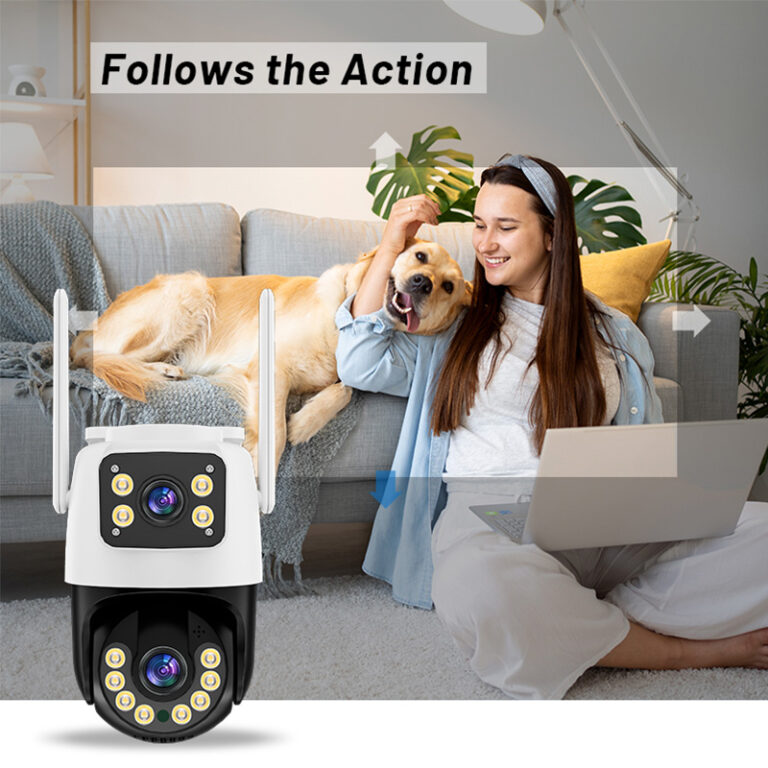
High-detail sensors paired with infrared light make sure there are clear views under low light. Full-color night vision and smart tracking let out sharp images over 1080P at night. Cameras with starlight lenses give clear details even in almost dark times, which is crucial for spotting moving people correctly.
Connectivity and Integration Compatibility
Make sure it works with current IoT webs through open API setups that back link to other software. The 4G network type fits better for spots without WiFi (like hills and farms), skipping old network needs.
The Future Outlook of Solar-Powered Surveillance Solutions
The use rate keeps climbing fast as fields see both green gains and money savings in solar-based security placements.
Expanding Applications Across Industries
Farming now uses self-run cameras powered fully by green sources to watch animal health or water systems well. Solar power setups need no wiring or power hookups, which is especially good for country yards, fruit gardens, grazing lands, building sites, and far hill areas.
Building jobs gain from short-term placements that skip lasting setup costs, while city groups place them in smart city plans that push green growth aims through green-powered watch units like those from Jortan’s innovative product line.
Sustainable Development Through Renewable Surveillance Technologies
By swapping grid reliance with green choices using built-in photovoltaic panels and high-storage cells, low-power solar cameras, with their energy freedom (solar energy + 4G), very long battery life (AOV technology), and smart, exact security skills (AI + full-color night vision), are turning vital for safety in spots without power or internet. These steps together lower carbon marks while making sure ongoing safety watches no matter the place or limits.
FAQs
Q1: How do low-power solar cameras maintain functionality during prolonged cloudy weather?
A: They use advanced monocrystalline silicon panels paired with large-capacity lithium batteries that store sufficient charge, allowing several days’ continuous operation even under limited sunlight exposure.
Q2: What makes AI-enhanced motion detection more reliable than traditional sensors?
A: Embedded AI algorithms analyze object types directly within the device, enabling accurate differentiation between humans, vehicles, and animals, thus minimizing false alerts caused by irrelevant movements like tree branches.
Q3: Are solar-powered security systems suitable for enterprise-scale networks?
A: Yes, modern models integrate cloud connectivity APIs and edge computing, enabling centralized management across multiple locations, ensuring scalable, secure, efficient surveillance infrastructures worldwide.