Picking the best kind of camera goes beyond just the equipment. It involves matching your watching aims with the proper tools. Knowing how these two groups vary helps you build a stronger and more focused setup.
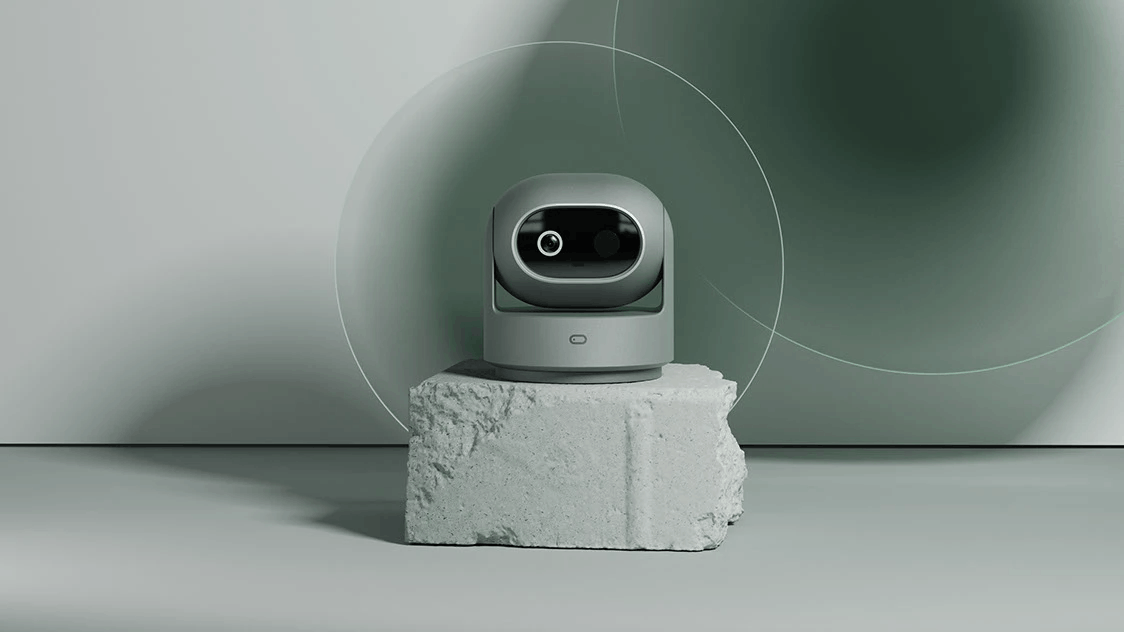
What Differentiates Surveillance Cameras from Security Cameras?
When you plan to boost safety in your house, shop, or open area, it is key to grasp the gap between surveillance cameras and security cameras. Both handle different jobs in a full watching plan. Surveillance cameras stress watching and gathering facts, while security cameras aim at scaring off threats and quick reactions.
How Do Surveillance Cameras Function in Monitoring?
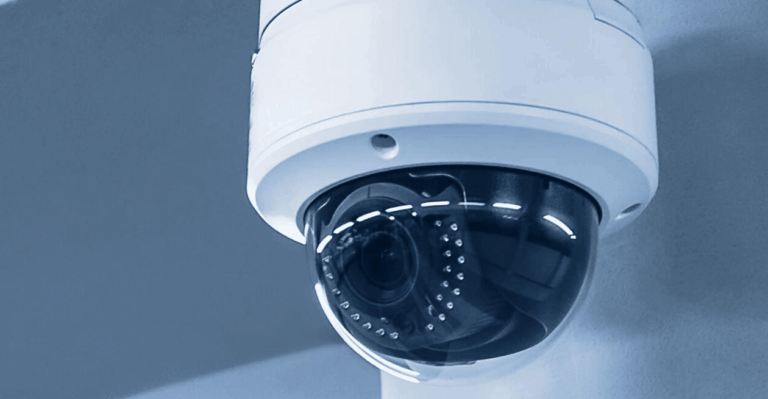
Surveillance cameras work for steady watching of certain spots. They usually include image sensors, video encoders, network servers, outside alarm control parts, and other pieces. These setups often link with saving tools like NVRs or VMS software to keep video for future checks. IP cameras in small business front-end surveillance send data back to the main saving unit. That unit acts as the “brain” of the whole system. This setup makes sure that even if the actual gear gets damaged, the saved proof stays safe.
Their goal goes further than stopping bad acts. They help with study habits and keep daily checks. For example, people use them a lot in city main and side road areas, plants, fun spots, rooms, big halls, parking areas, and other places. This turns them into useful items for both city leaders and private companies that want to know what is happening around them.
What Role Do Security Cameras Play in Protection?
Security cameras act as more active items in a safety plan. A security camera, also known as a closed-circuit television (CCTV) camera, is a tool that takes and saves video in a set spot for safety and watching reasons. Their sight alone can stop those who might break in. Visible cameras show that a place is being watched.
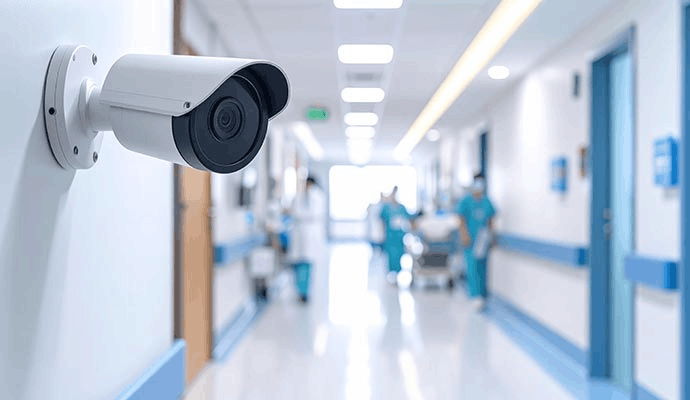
Besides being seen, these tools often have smart parts like motion detection and fast warnings. Those notify people when odd things happen. Security cameras give live watching of a site. This lets safety workers or owners see what is going on right then. People often put them on private lands, like homes, work spots, and storage buildings. They build a quick shield against dangers.
How Do Features of Surveillance and Security Cameras Compare?
Even though both camera kinds share basic tech like lenses and sensors, their building ideas differ a lot. Grasping these gaps helps you pick the best choice for your place.
Are There Differences in Image Quality and Resolution?
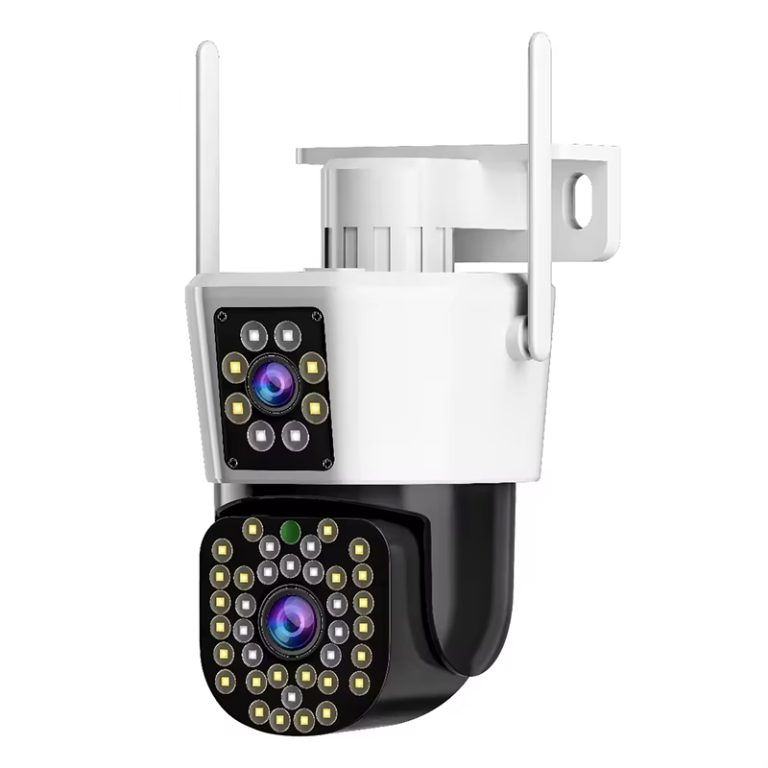
Surveillance setups often prioritize wide reach over sharp details, especially in large areas like school grounds or work zones where broad views or full-circle pictures are essential. For instance, we aim to place 4K panoramic stitching cameras here, as four 1080p lenses join smoothly to create a 180-degree view. This setup enables clear 4K full watching while also reducing the need for many setup points across the site. In this way, large spots can gain total sight coverage without requiring excessive equipment or driving up gear costs.
On the other hand, safety-based plans need clearness for spotting who or what. High-detail lenses catch face traits or car plate numbers. Those can act as court proof if bad events happen. Set points on school ground paths must clearly spot the acts and body features of people and cars passing in their range. So, clearness turns into a top need where exact spotting matters.
How Does Connectivity Impact Their Use?
The way these systems connect also affects how easy they are to use and how steady they remain over time. Many surveillance nets use cable links so they can keep firm, ongoing saving, which matters a great deal when watching key buildings or open areas. Although cable plans lower the chances of mix-up, they also require planned putting in place.
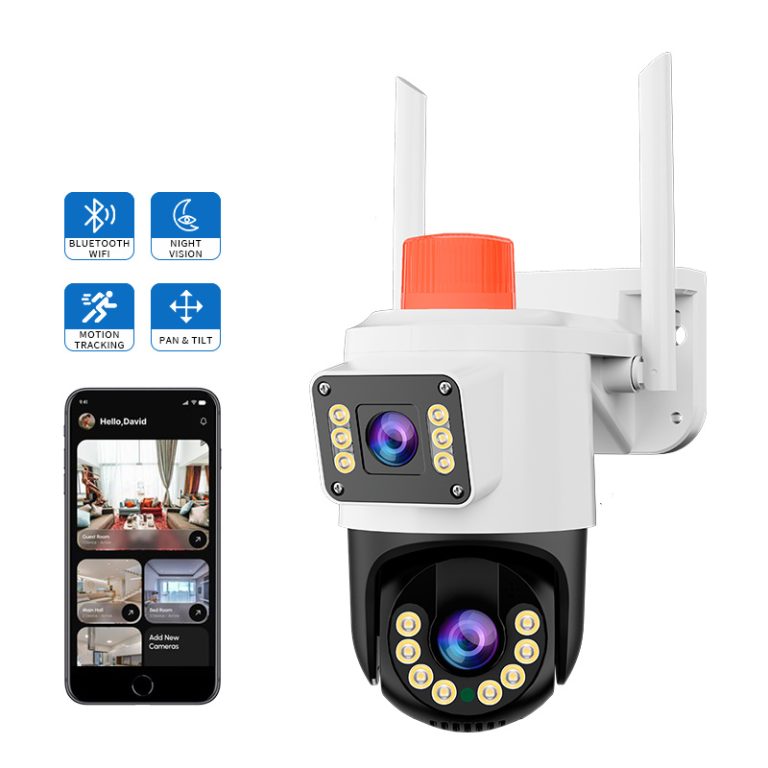
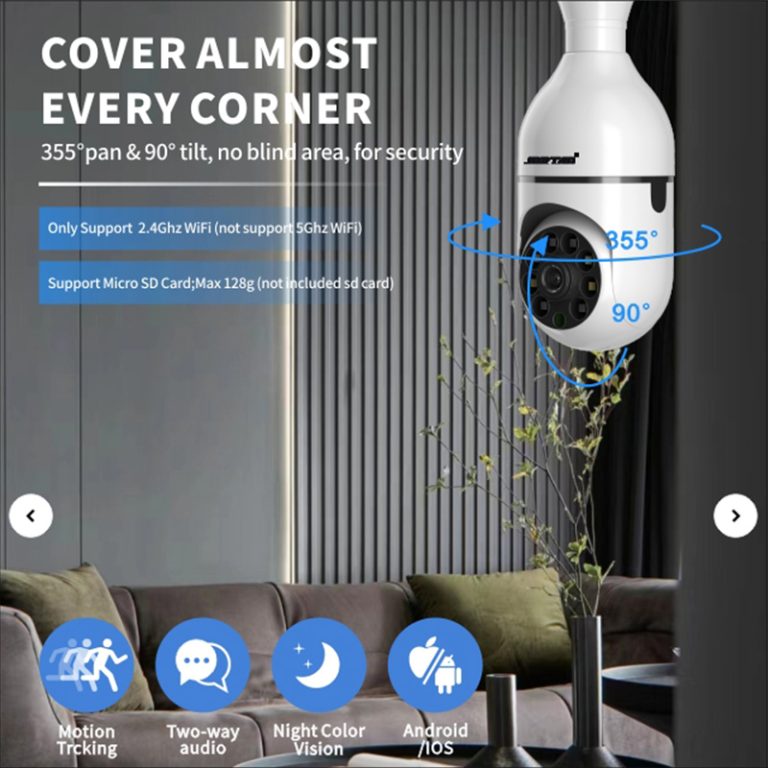
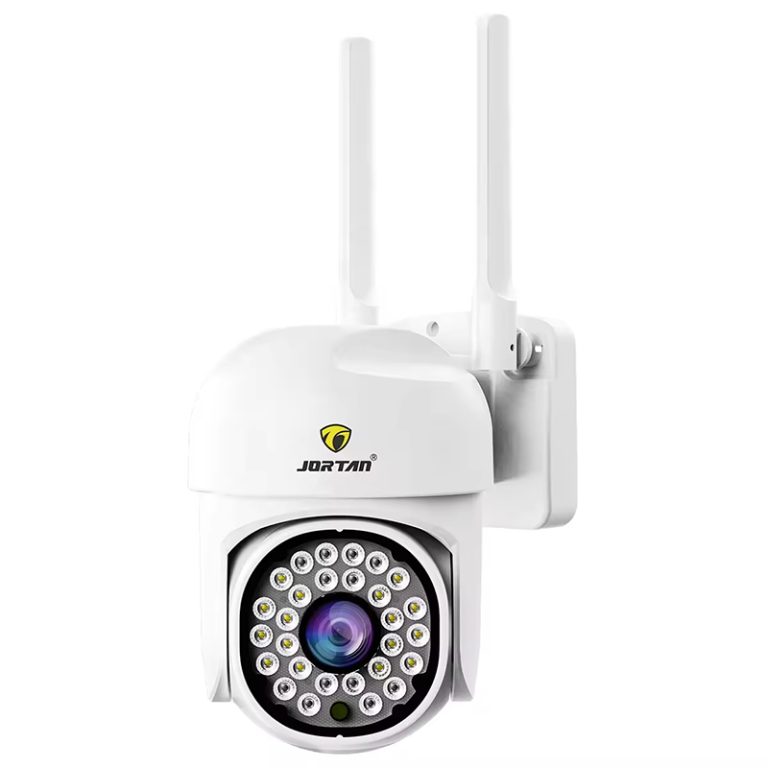
Safety-focused fixes turn more to no-cable tech for ease. By getting the app, users can check their work areas and houses from far away at any time. No-cable links let you put cameras where you want without lots of wires. It keeps far-off reach through phone apps. That is a main plus for house owners or small shop runners who want fast setup.
Why Is Choosing the Right Camera Important for Your Needs?
Choosing between surveillance and security plans depends on your goals, whether you need continuous monitoring or want to stop threats quickly. Location factors also influence how effectively each option works, because different environments create different practical demands.
What Considerations Should You Make for Indoor vs. Outdoor Use?
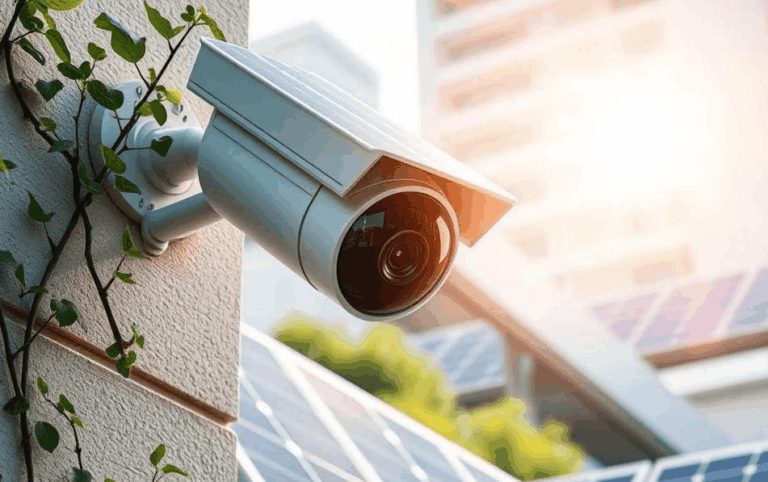
Indoor spaces often require compact designs that perform well in dim light, while lighting conditions may also shift throughout the day. Outdoor installations face weather-related challenges such as rain and dirt, so the camera must meet IP66 protection to prevent rain and dust from entering. Weather resistance helps ensure stable performance, no matter what outdoor conditions arise.
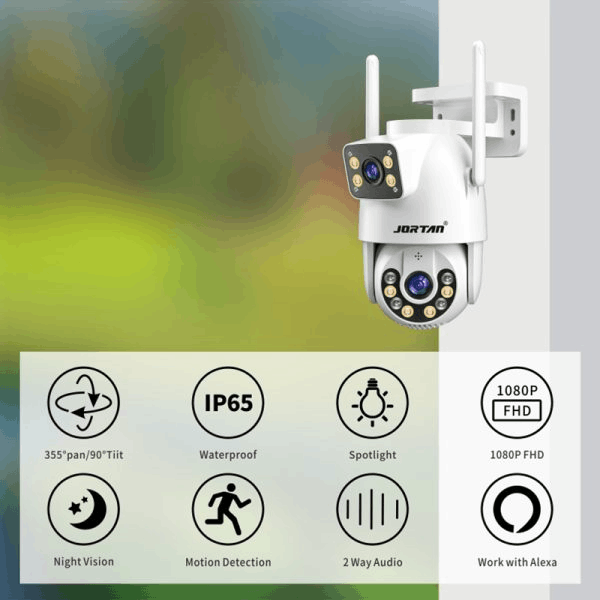
For night watching outside, infrared light becomes very important. In spots up to 50 meters at night, white light fills the picture to keep it clear with colors. Such changing light tech makes sure you see well even with little outside light.
How Can Camera Integration Enhance Overall Security Systems?
A good linked system boosts power by mixing many safety layers into one solid net. Security cameras often join bigger safety plans. Those may include alarms, door entry tools, and other safety steps. When tied with alarm starts or door tools, your plan shifts from just watching to fast event handling.
Smart checks strengthen teamwork by reading sight data live and spotting strange things before they turn into real dangers. Whether through face spotting or act study methods, linking changes simple saving into useful info that supports stronger decisions. That info helps groups build strong lasting power over time.
How Does Jortan Offer Solutions Tailored to Your Needs?
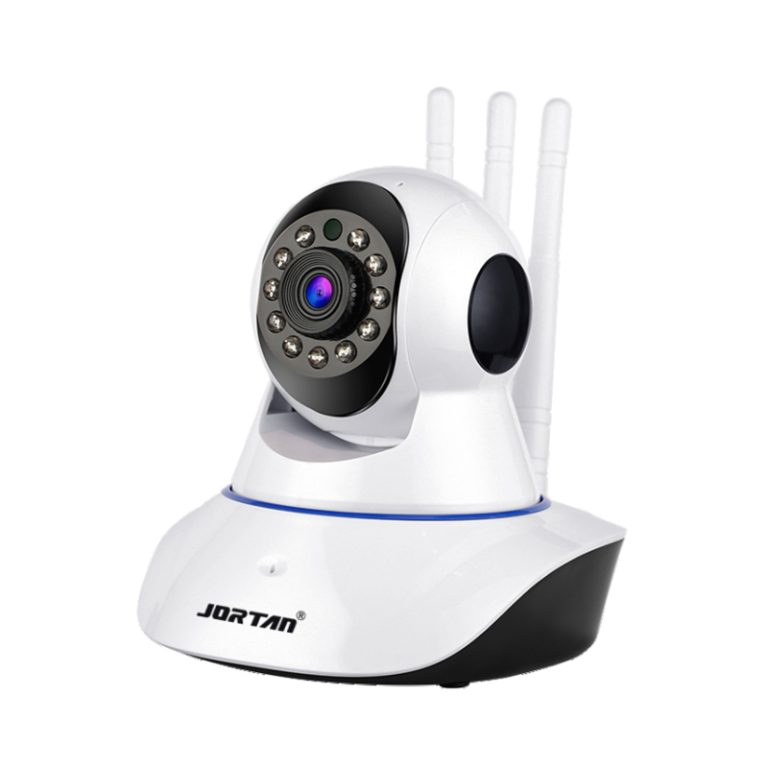
As tech grows fast in sight-watching fields, a supplier who mixes new ideas with steady work becomes a must. Jortan focuses on giving forward sight and safety camera fixes made for real-life wants, not plain plans. Their group has IP-based surveillance systems, which are great for steady watching. It also has clear scare-off models fit for personal safety uses.
Jortan’s items stand out because they combine exact building with user-friendly work, while high-detail pictures make sure each frame captures key parts. Live warnings send fast notes through phone tools, and smooth linking supports old setups like alarms or smart door checks. Whether you run company buildings or guard homelands from afar during trips, Jortan offers growing fixes built on bend and trust. That is why pros value them in many fields.
FAQs
Q: Can surveillance cameras be used as security cameras?
A: While they can do similar jobs in some cases, surveillance types mainly gather facts all the time. Security kinds stress scare through sight and quick warning ways.
Q: Are wireless security cameras reliable?
A: Yes. They have grown very steady with better signal-keeping tech. But making sure a strong net cover stays key for no breaks in work.
Q: Do I need professional installation for my camera system?
A: It relies on how hard it is. Many-camera cable plans may gain from expert placing. Many new no-cable units back easy self-do setups led by clear apps from suppliers like Jortan.