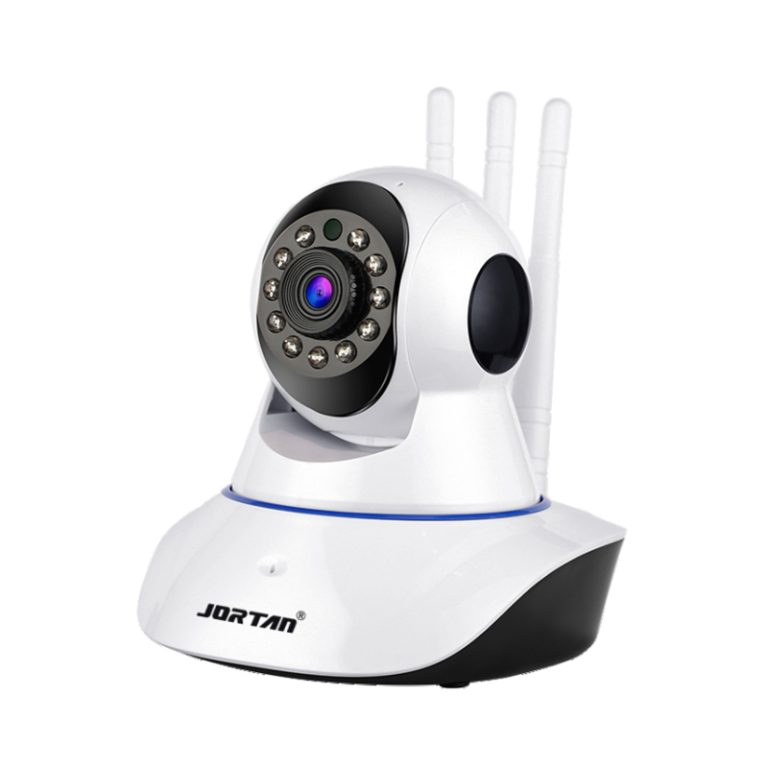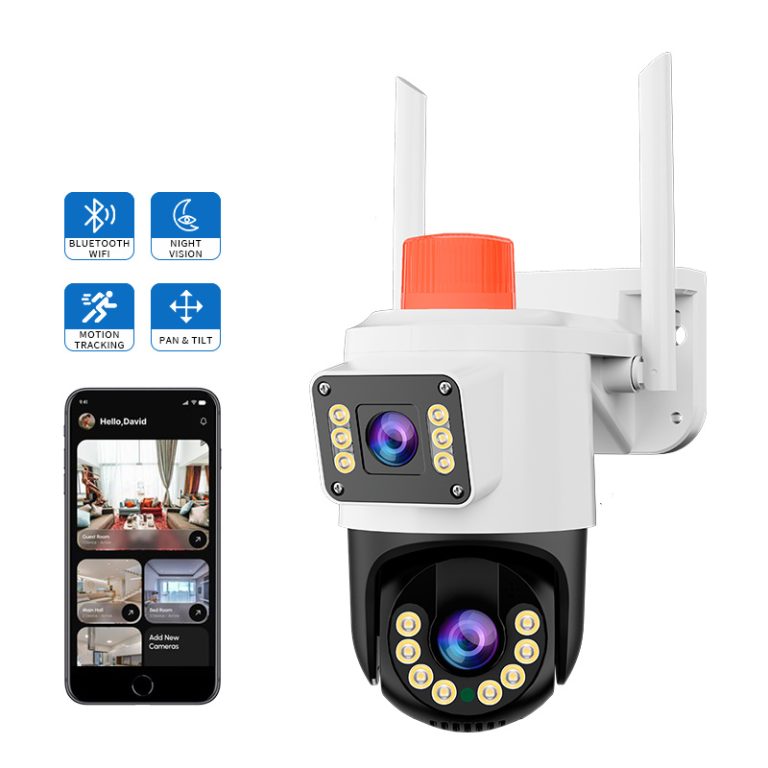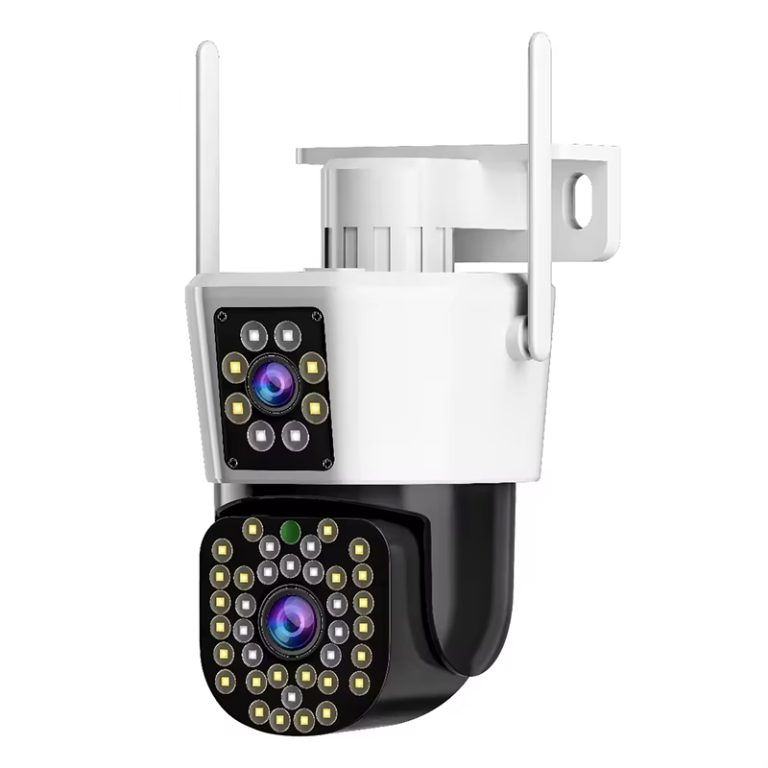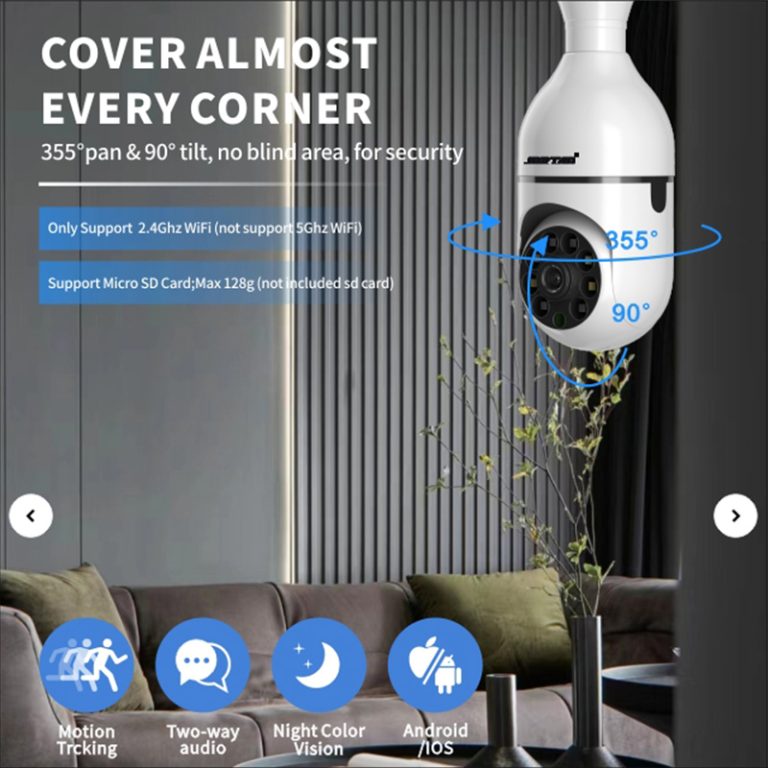

Imagine a construction site manager in 2026 who needs to secure a sprawling perimeter without access to a power grid or Wi-Fi. A few years ago, this scenario would have required expensive trenching, hiring electricians, and setting up noisy generators. Today, the solution is silent, self-sustaining, and installed in minutes. We are witnessing a fundamental shift in the security industry, moving away from grid-dependence toward complete energy autonomy.
For resellers and distributors, this change sends a clear message to update stock plans. The world’s need for clean tech meets the call for solid guard. This mix makes a great chance. Shop owners hate big power bills. Home folks want easy setups. As we head into 2026, knowing what pushes this rise—and teaming with good maker groups—will split top players from the rest.
The Global Shift to Independent Energy Security
Talk about guard gear has turned. Some years ago, the main worry was clear pictures. Today, many buyers first ask, “Can I set it up without a wire pro?” This change drives fast growth in the area. It comes from higher power costs and a world drive for green ways. Solar choices are now smart and save money for users.
The move from old wired setups to self-run ones spreads through the supply path. Distributors who used to sell cheap wired old cameras now find fresh gains in the solar part. But to make the most of it, we must go past the buzz. We should check the real facts that back this path.
Analyzing the 2026 Market Growth
The figures show a strong tale of uptake. Field studies say the solar-powered security camera market beats old watch areas by a good amount. Experts guess the world solar camera field will keep its two-digit yearly growth rate (CAGR) to 2030. This rise does not just come from rich lands. Growing spots with shaky power nets take these fixes as a must, not a nice add.
For sellers, this opens a bigger buyer pool. It goes beyond selling to smart home owners. Now, it covers town groups watching parks without trench work. It also includes ship firms guarding short-term spots. Questions for a steady solar surveillance camera hit top levels. This shows the type has gone from a side item to main need.
The “Green” Driver in Commercial Sectors
Sustainability initiatives are no longer just marketing fluff for corporations; they are operational mandates. Businesses are under increasing pressure to reduce their carbon footprint, and swapping out energy-hungry wired security systems for solar alternatives is a quick win. A single commercial deployment might involve hundreds of cameras, and the cumulative energy savings are substantial.
This “green” motivation is a powerful sales tool for wholesalers pitching to B2B clients. When you can demonstrate that a wireless solar surveillance system pays for itself in electricity savings within two years, the conversation shifts from price to value. Commercial buyers are actively seeking suppliers who can provide these eco-friendly solutions without compromising on reliability, creating a lucrative opening for distributors ready to meet this specific demand.
Technology That Eliminates Installation Barriers
The reason for the current boom isn’t just demand; it’s that the technology finally works reliably. In the past, solar cameras were plagued by weak batteries that died during a string of cloudy days or PIR sensors that missed critical events. In 2026, those fears are largely obsolete thanks to breakthroughs like AOV (Always on Video) technology and AI-ISP imaging, which ensure continuous operation and superior night vision.
This maturation of technology is critical for building trust. Wholesalers can now stock these items with the confidence that they won’t be flooded with returns due to power failures. The modern solar panel with battery for security camera setups is engineered to be “set and forget” devices, significantly lowering the barrier to entry for customers who previously felt solar was too experimental or risky.

Battery Evolution and AOV Technology
The heart of any solar system is energy management. Recent advancements have introduced AOV technology, which solves the lag issue found in older low-power cameras. Unlike traditional models that wait for a PIR trigger to wake up—often missing the first few seconds of action—AOV cameras capture images continuously at a low frame rate and switch to full recording instantly upon detection. This provides a “visual log” with a complete timeline, ensuring 24/7 security even on battery power.
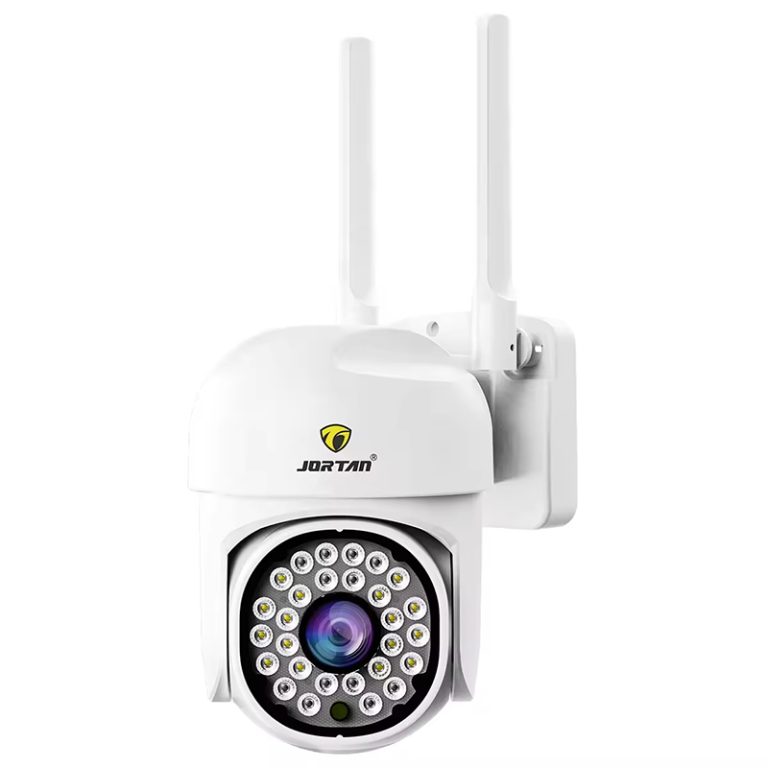
For the end-user, this means no missed moments. For the reseller, it means fewer complaints about “slow” cameras. A high-quality unit, such as the Jortan solar camera, integrates these advanced power management protocols to prevent overcharging and deep discharging. By balancing ultra-low power consumption (as low as 40mW in standby) with continuous surveillance capability, AOV technology is redefining what an off-grid security camera can achieve.
Connectivity Beyond Wi-Fi
Power was the first block. Link was the next. A solar-powered security camera goes where Wi-Fi struggles to reach. Think far gates, big open lands, or side sheds. Adding 4G LTE and 5G parts right in these cameras opens up wide new spots for setup. It lets true “place and use” work anywhere on earth.
This step brings strong no-grid fixes. They need no power lines or net boxes. For a middleman, this grows your sell area to farm buyers, field workers, and builds teams in raw spots. Selling both Wi-Fi and 4G types, like the flexible Jortan wifi camera line or their world 4G parts, means you cover every link case. It stops lost deals from base limits.
Profitable Niches for Distributors
A big error for a seller is seeing solar cameras as one type of goods. The field has split. A city home need differs much from a build-to-suit chief’s. Winning middlemen in 2026 pick stock for set high-worth spots. They skip price fights in the broad buyer field.
Spotting these spots lets you sell high-gain sets. Skip one camera sales. Sell a “edge guard fix” or “field watch pack.” This smart place works when you know the user group hurts. Then match them to the right gear specs.
Commercial and Industrial Applications
The most significant revenue opportunity currently lies in commercial solar-powered security cameras. Construction sites, in particular, face a constant battle against theft and vandalism, yet they often lack power during the early stages of a project. A robust, weatherproof solar solution is not an option; it is a requirement for insurance compliance in many regions.
These clients need durability and high specification features. They look for cameras like the JT-8695PRO, which offers superior build quality and imaging capabilities suited for harsh environments. Selling into this sector often involves bulk orders and repeat business. By positioning yourself as a supplier of industrial-grade solar equipment, you attract buyers who prioritize reliability over rock-bottom pricing, protecting your margins.
The Residential Smart Home Boom
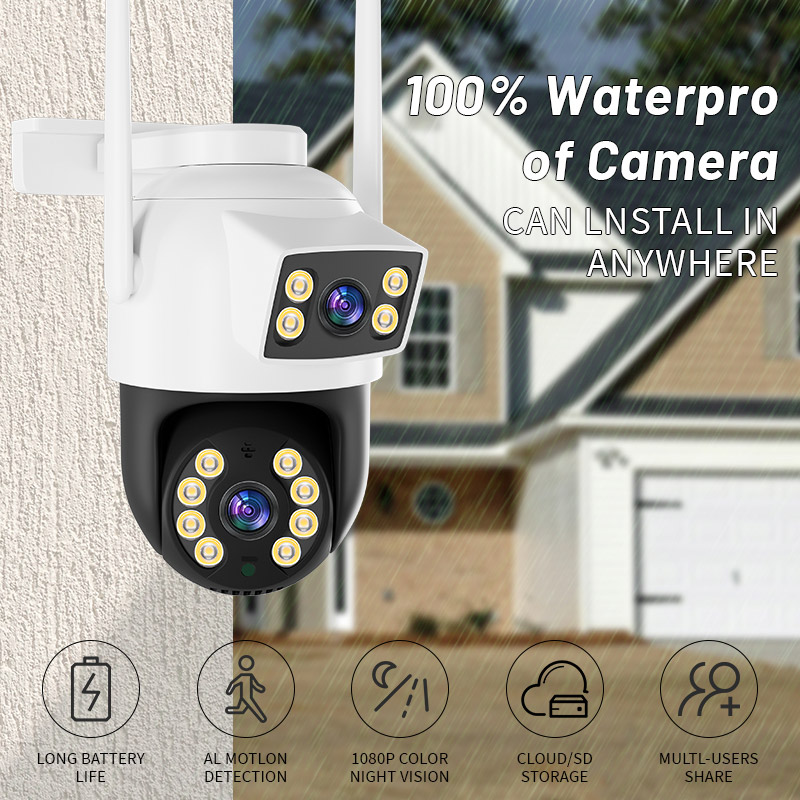
On the consumer side, the trend is integration. Homeowners want a camera that plays nicely with their existing smart home ecosystem. They are looking for sleek designs that don’t look like industrial equipment hanging off their porch. The selling point here is simplicity: no drilling through walls to run wires and no hiring expensive electricians.
This segment drives volume. While the margin per unit might be lower than commercial gear, the sheer number of households upgrading to solar-powered options is staggering. The key to winning this market is offering user-friendly apps, like the Jortan solar camera interface, which supports intuitive mobile monitoring. When a homeowner realizes they can secure their property in under 15 minutes with a screwdriver and a smartphone, the product practically sells itself.
Securing Your Supply Chain for Long-Term Growth
As demand spikes, the market inevitably gets flooded with low-quality imitations. For a wholesaler, your reputation is tied to the box you ship. Nothing destroys a distribution business faster than a batch of cameras with failing batteries or leaky seals. Therefore, vetting your manufacturing partner is perhaps the most critical business decision you will make this year.
Finding a plant that mixes new ideas with tight checks is hard. You need a team that gets world rules and gives steady good each send. This steady lets you eye sales and push, not fix fires from bad goods.
Why Quality Consistency Matters
In the solar security game, “spec sheet” claims often differ from reality. Many generic suppliers overstate battery capacity or solar conversion rates. When a reseller stocks a Jortan product, they are buying into a verified production process. Quality consistency ensures that the camera your customer buys today performs exactly like the one they bought six months ago.
This reliability builds your brand authority. When your retail partners or B2B clients know that your products survive harsh winters and scorching summers, they stop shopping around. Trust is the ultimate currency in wholesale, and it is earned by partnering with manufacturers who refuse to cut corners on critical components like battery cells and image sensors.
Customization via OEM/ODM Services
Last, as the field grows, standing out counts. You might launch your own guard line fit to your local needs. This is where using OEM/ODM services changes the game. Skip the same plain unit as rivals. Tweak the look, soft code, or pack.
Working with a manufacturer like Jortan allows you to create a unique value proposition. Whether it is a specific casing color for a housing association or a specialized lens for license plate reading, having the ability to customize products gives you a defensive moat against competitors. It transforms you from a box-mover into a brand owner.
Conclusion
The trajectory for 2026 is clear: the future of surveillance is wireless, independent, and green. The market for the solar-powered security camera is moving beyond early adoption into a phase of mass reliance. For resellers and wholesalers, the opportunity to capture market share is right now, but it requires shifting focus toward quality, reliable technology like AOV and 4G connectivity, and trusted manufacturing partners.
Do not let outdated inventory hold your business back. Embrace the off-grid revolution and give your customers the freedom and security they are actively searching for. If you are ready to upgrade your product lines with high-performance solar solutions, contact Jortan today at kingjin@safejortan.com.cn. Let’s build a safer, smarter future together.