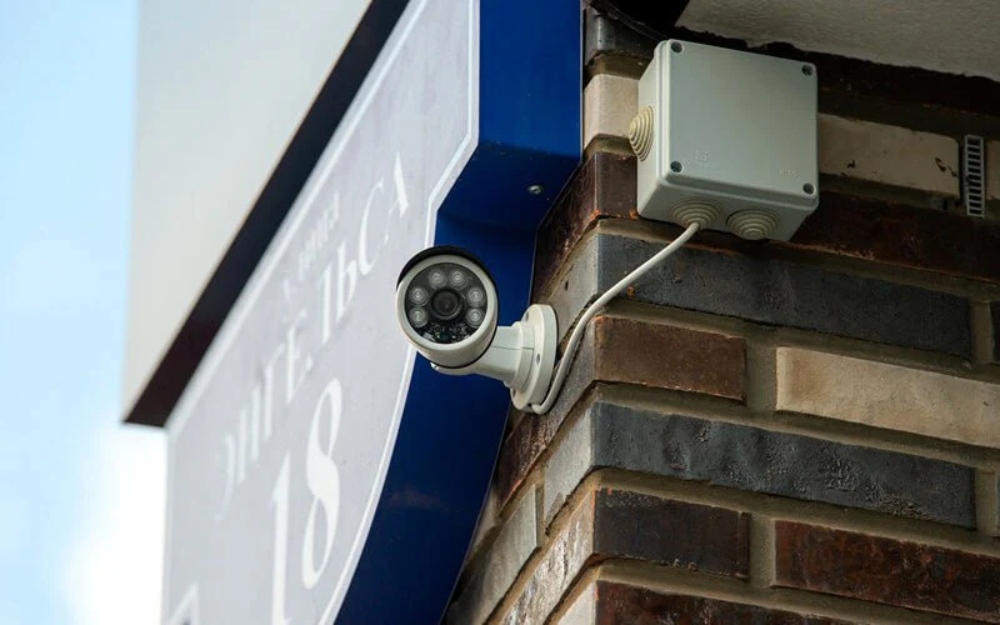
Solar-powered security cameras are no longer positioned as temporary solutions in places lacking electrical supply. People now frequently integrate them into long-term surveillance planning for infrastructure projects, logistics parks, agricultural estates, and mixed-use properties. Improvements in battery materials, the development of energy-efficient processors, the employment of advanced recognition systems, and the wide coverage of mobile networks continue to enhance the capabilities these devices provide. In the future, evaluations of solar cameras will no longer be limited to their off-grid use, but will focus on achieving a great balance in intelligent processing, stable performance, scalability, and regulatory compliance in complex security networks.
Why Will Solar Cameras Play a Larger Role in Future Security Systems?
Protection requirements grow more rapidly than traditional supporting structures. The resulting pattern generates a steady need for monitoring setups that function without constant external power but stay linked to central control interfaces.
How Are Property Protection Scenarios Changing?
Assets now spread over broad or somewhat isolated zones—solar installations, warehousing compounds, building pathways, and short-term operations—demand increasing attention. Such settings undergo frequent modifications, rendering fixed wiring approaches impractical. Monitoring points need to be adjusted and shifting arrangements instead of necessitating complete overhauls of electrical and communication frameworks.
Why Is Energy Independence Becoming a Core Requirement?
Self-sufficient power supply decreases vulnerability to utility disruptions, project holdups, and fluctuating expense patterns. Systems running on solar energy eliminate dependence upon digging trenches, obtaining electrical approvals, and maintaining reserve generators. In upcoming installations, this autonomy will rank as a standard expectation instead of standing out as an added advantage.
What Technology Trends Will Shape the Next Generation of Solar Cameras?
With power self-reliance established as commonplace, distinctions arise from the manner in which a camera manages information, responds to occurrences, and preserves energy during actual field conditions.
How Will AI Detection Continue to Evolve?
Recognition processes advance far beyond elementary movement activation. Identification of human outlines, path evaluation, and situation-based refinement enable devices to emphasize significant incidents while disregarding ordinary disturbances. Consequently, erroneous notifications decrease, data transfer occurs less often, and battery reserves last longer—factors of particular importance for solar-dependent equipment.
Why Will Encoding and Storage Optimization Matter More?
Higher picture quality and multiple lens configurations produce larger data volumes. Progressive compression methods lessen demands on transmission channels and memory space while preserving visual accuracy. Upcoming solar cameras will incorporate combined recording approaches, merging on-site capture with targeted cloud uploads to safeguard critical material and manage overall expenses.
How Will Connectivity Models Change in the Coming Years?
Autonomous energy provision by itself fails to ensure practical usefulness. The steadiness of data links decides if captured information reaches decision-makers promptly.
Will WiFi Still Be Enough for Most Deployments?
WiFi connections continue serving adequately in residential environments and city-based business locations supported by dependable networks. Nevertheless, effectiveness hinges upon router capability, handling of signal interference, and sustained network availability. When monitoring expands significantly, arrangements limited to WiFi encounter restrictions regarding uniform reach.
Why Is Cellular Connectivity Gaining Strategic Importance?
Cameras featuring built-in 4G support permit operation in any region covered by mobile services. This feature enables scattered oversight throughout agricultural fields, transportation routes, and structural assets absent conventional broadband. With expanding network reach worldwide, cellular links will increasingly set the practical boundary for placing solar cameras.
What New Application Opportunities Are Emerging for Solar Cameras?
Enhanced capabilities allow solar cameras to extend their purpose beyond basic unauthorized entry alerts into wider functional responsibilities.
How Will Solar Cameras Support Industrial and Infrastructure Monitoring?
Apart from protective duties, these devices track workplace movements, confirm adherence to procedures, and record advancement. Recording activated by specific occurrences and smart notifications diminishes requirements for ongoing personnel observation, thereby cutting workforce expenses and accelerating reaction periods.
Can Solar Cameras Contribute to Smart Property Management?
Integration and alert mechanisms, illumination controls, and entry management transform solar cameras into proactive operational instruments. Processes triggered by events take the place of perpetual watching, permitting overseers to address irregularities instead of routinely examining video material.
How Will Product Design Respond to Future User Expectations?
Rising implementation leads to stricter standards concerning robustness, image precision, and versatility.
Why Will All-Weather Reliability Become Non-Negotiable?
Exterior solar cameras endure persistent contact with temperature extremes, humidity, particles, and air movement. Sustained steadiness relies upon casing construction, sealing effectiveness, and heat regulation. Infrequent servicing emerges as vital for expansive rollouts.
How Will PTZ and Multi-Angle Coverage Reduce Hardware Count?
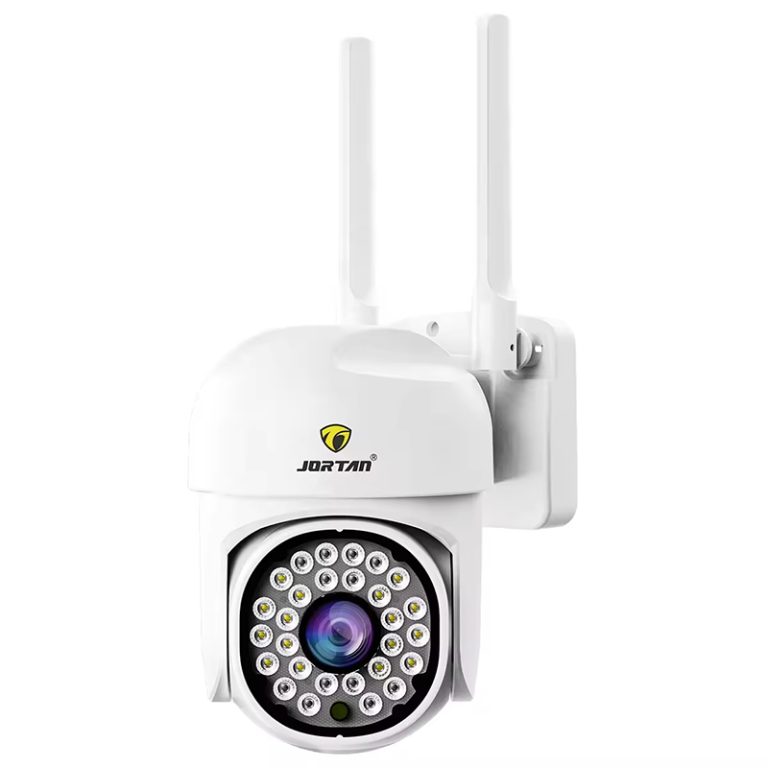
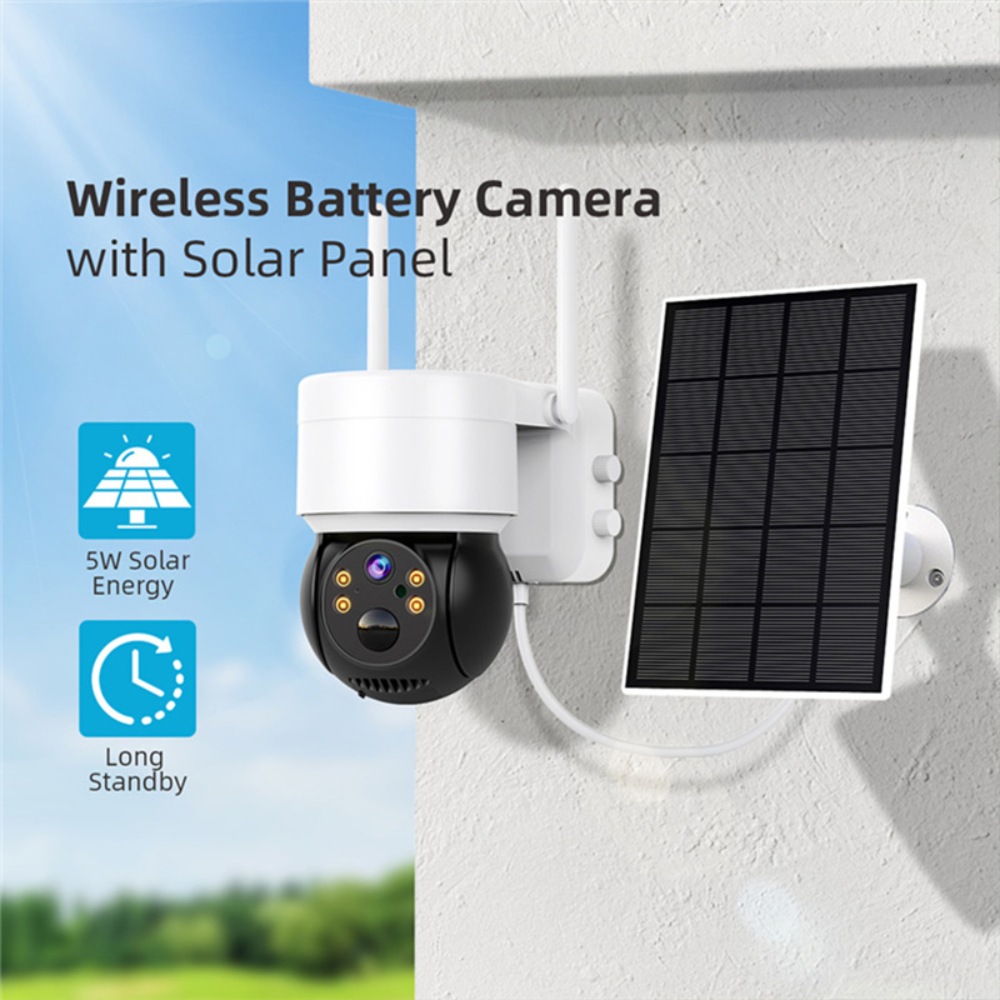
Pan-tilt-zoom function and smart tracking enable an individual device to cover various sections, thus reducing the number of deployed cameras, simplifying installation procedures, and alleviating the burden on later maintenance. One device demonstrating this thinking is the JT-8258T solar security camera, which combines an independent solar electricity supply with advanced outdoor monitoring and is suitable for changing deployment environments.
What Challenges Could Slow Solar Camera Adoption?
Although development proceeds swiftly, certain restrictions continue shaping implementation choices.
Where Do Power Limitations Still Exist?
Prolonged intervals lacking adequate sunlight, severe atmospheric conditions, or frequent activity spikes place strain upon stored energy. Appropriate panel alignment, adjustment of sensitivity levels, and thoughtful usage patterns stay essential to ensure uninterrupted functioning.
How Do Privacy and Data Security Concerns Affect Deployment?
Greater detail in collected information heightens the necessity for conformity with area-specific privacy rules. Controlled entry protocols, clear policies on information management, and strong encryption transform from desirable extras into mandatory elements for rollout.
Who Is Driving Practical Innovation in Solar Surveillance?
Technology progress commonly relies on the producers who turn creative ideas into reliable, field-ready products. Jortan, based in Yiwu, integrates the R&D, production, and service into one system. We invest in intelligent detection, outdoor reliability, and flexible connectivity, which make our solar cameras ideal for long-term, real applications rather than temporary usage.
How Should You Prepare for the Next Phase of Solar Camera Deployment?
Proactive approaches minimize the chances of premature replacement amid quickening technological progress.
What Criteria Will Matter More Than Price?
Long-term durability, software update support, and compatibility with future network standards increasingly outweigh initial hardware cost. Designs supporting gradual capability expansion protect long-term investment.
How Can Deployment Strategy Extend System Lifespan?
Proper installation positioning, balanced detection sensitivity, and regular assessments of operation help maintain energy efficiency and overall reliability. Scientific placement often delivers greater returns than adding more devices.
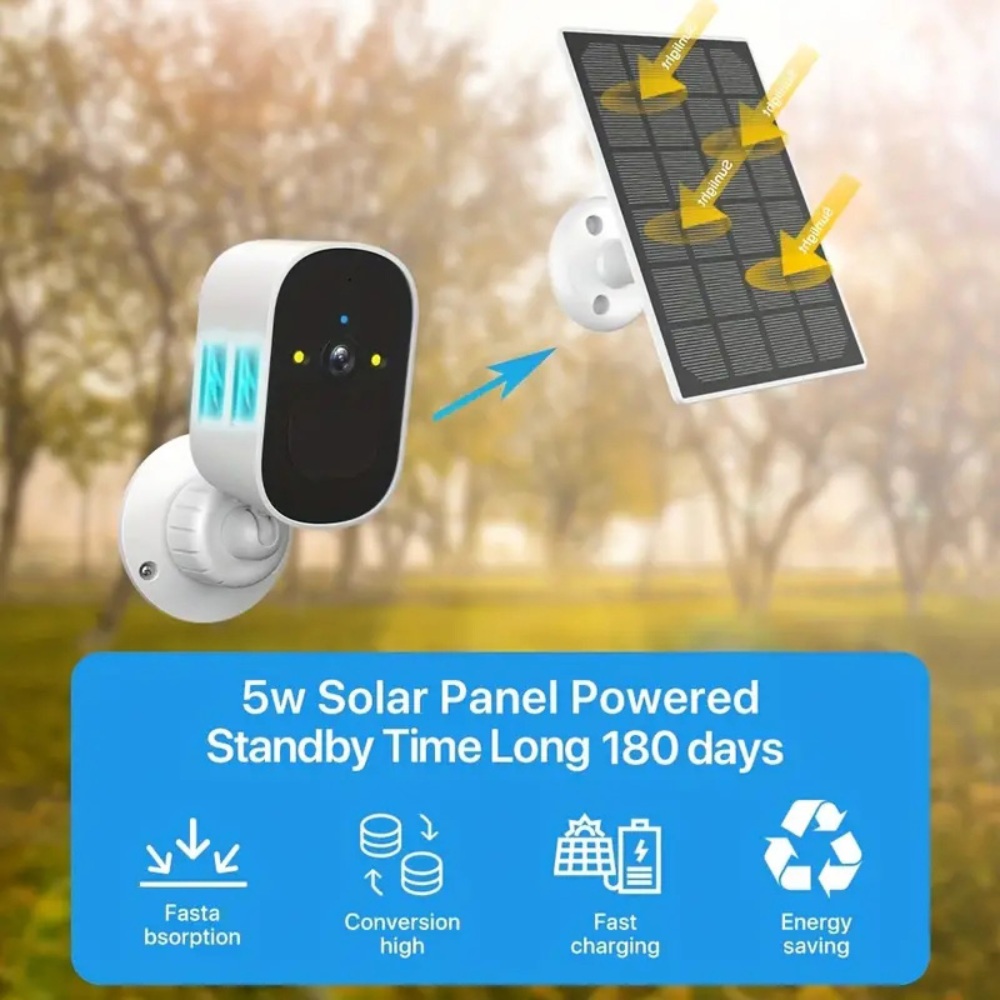
For large-scale coverage or perimeter-focused scenarios that require steady solar performance and intelligent alerts for a long time, the 8185XM solar security camera demonstrates how well-developed solar monitoring designs facilitate future-oriented deployment planning.
FAQs
Q1: Will solar cameras replace wired surveillance systems entirely?
A: Complete substitution of wired arrangements will not occur, but solar options will prevail in circumstances where adaptability, rapid setup, and power self-reliance are determining factors.
Q2: Are future solar cameras suitable for continuous monitoring?
A: Through smart event-triggered capture and refined battery oversight, approximately continuous monitoring becomes feasible given suitable circumstances.
Q3: What is the main challenge for large-scale solar camera networks?
A: Maintaining equilibrium among power usage, information transfer, and sustained dependability throughout varied settings continues to represent the central difficulty.