Security technology has evolved rapidly over the past decade. Traditional HD CCTV systems once dominated surveillance installations due to their simplicity and stable analog transmission. Today, network-based IP cameras introduce intelligent analytics, flexible deployment, and remote connectivity that reshape how monitoring systems operate.
Many property owners now face a practical decision: continue with HD CCTV infrastructure or migrate toward IP surveillance. This choice affects installation design, scalability, data efficiency, and long-term operational value. Rather than viewing one technology as universally superior, the correct approach evaluates how each system performs under real monitoring conditions. This article compares both solutions through architecture, image performance, system expansion, and intelligent functionality to help guide modern security planning.
What Are the Fundamental Differences Between IP Cameras and HD CCTV?
Before weighing benefits, understanding the distinct ways each method manages and sends video information is essential.
How Does Video Transmission Differ?
HD CCTV systems utilize coaxial cables for carrying analog video signals to a central recording unit. The overall design stays simple and foreseeable, rendering it appropriate for enclosed spaces featuring unchanging layouts.
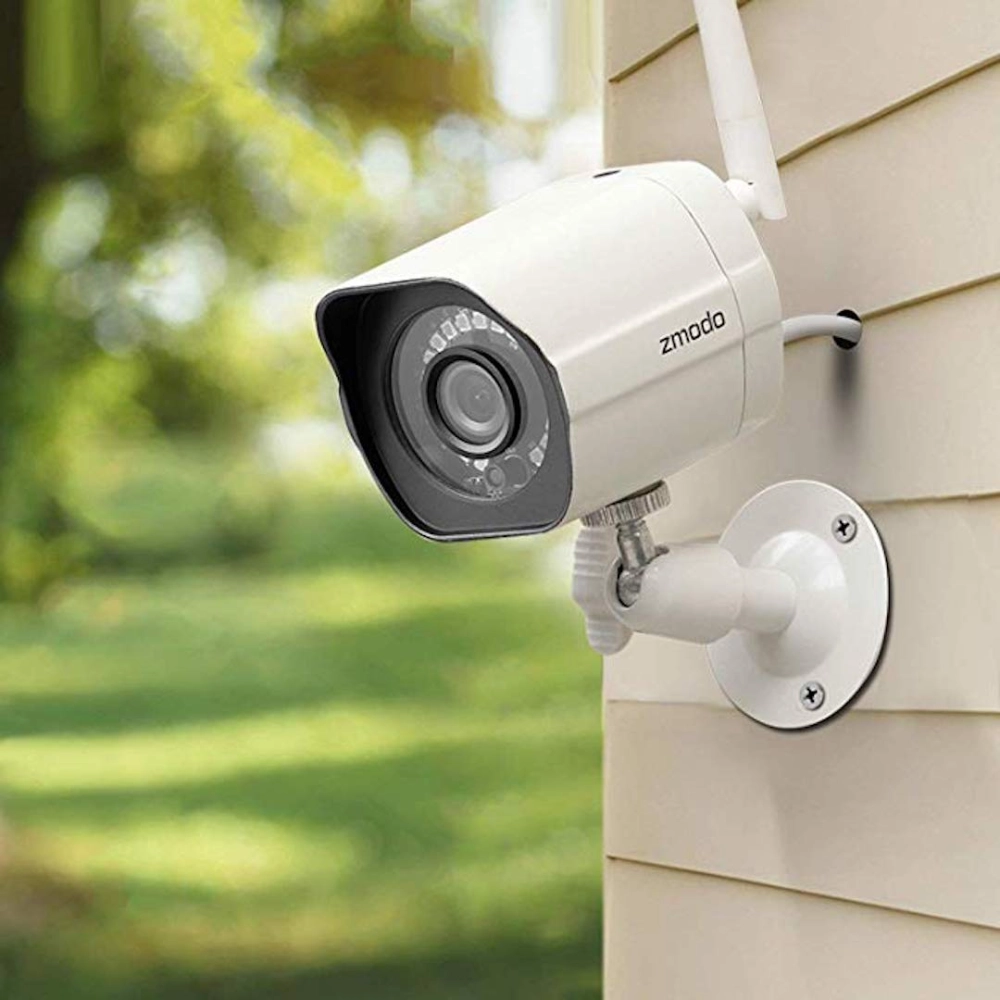
IP cameras operate differently by sending digital video via standard network methods. Individual units serve as self-contained network elements complete with built-in encoding and processing functions. Digital delivery supports versatile pathways through local networks or internet pathways, facilitating distant viewing and spread-out monitoring.
Why Does System Architecture Matter?
Basic structure heavily influences the future adaptability of surveillance systems. Analog setups depend strongly upon DVR input limitations and fixed cable routes. Adding coverage commonly necessitates fresh wiring and equipment swaps.
Network-based systems function in expandable network structures. Additional units connect readily to current setups, online services, or portable applications. This spread-out configuration suits present intelligent environments where monitoring reaches past single recording hardware.
Which System Provides Better Image Quality and Data Efficiency?
Picture sharpness by itself fails to define monitoring success. Processing methods and compression performance substantially affect practical footage value.
How Do Digital Encoding Technologies Improve Video Clarity?
IP cameras apply modern compression approaches, including H.265AI processing, which lowers required data flow while keeping important visual elements intact. Effective compression supports consistent streaming and extended capture durations without overwhelming storage needs.
Digital handling furthermore permits variable data rates and dual-stream delivery, maintaining dependable viewing under varying network situations.
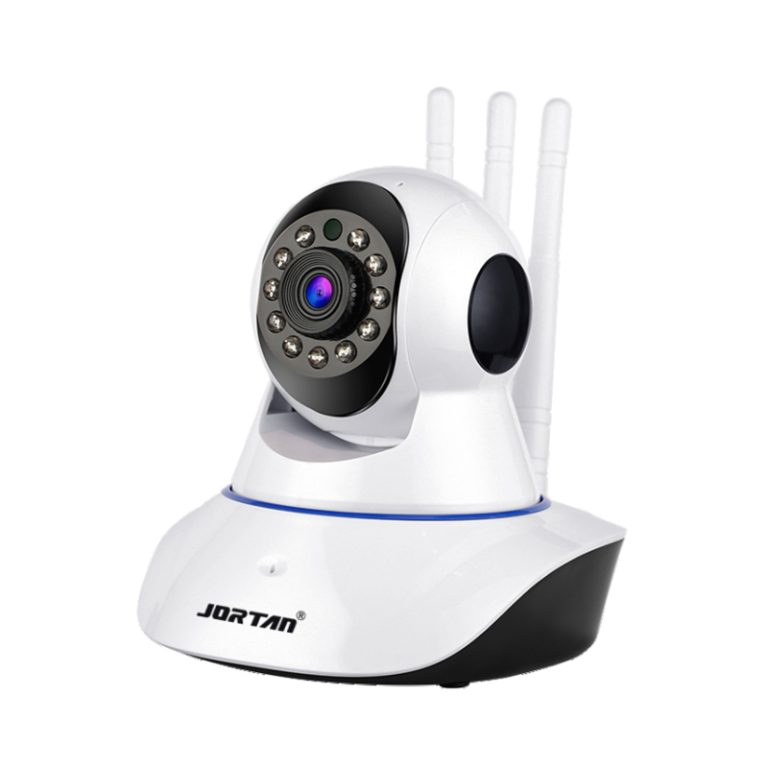
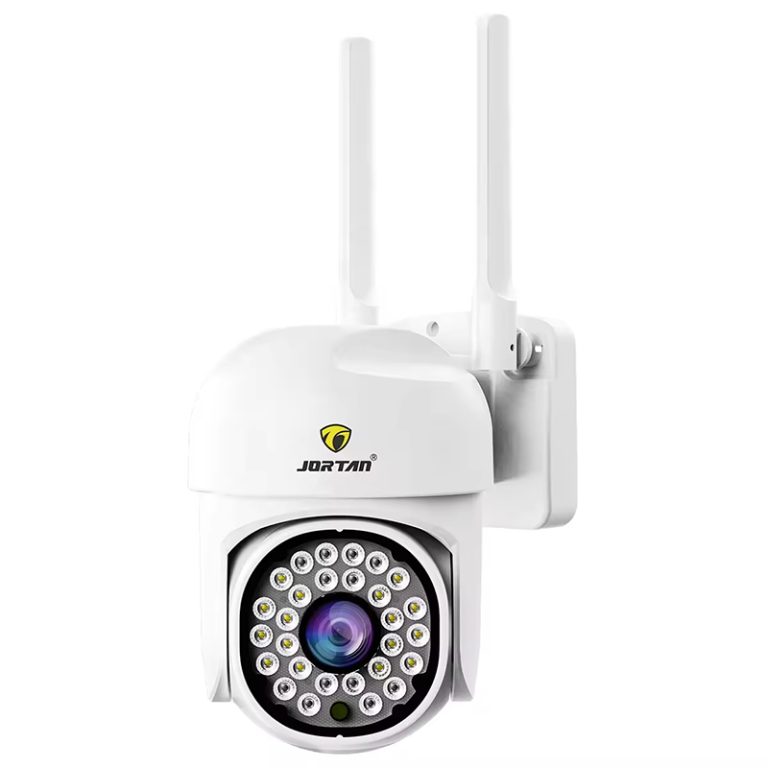
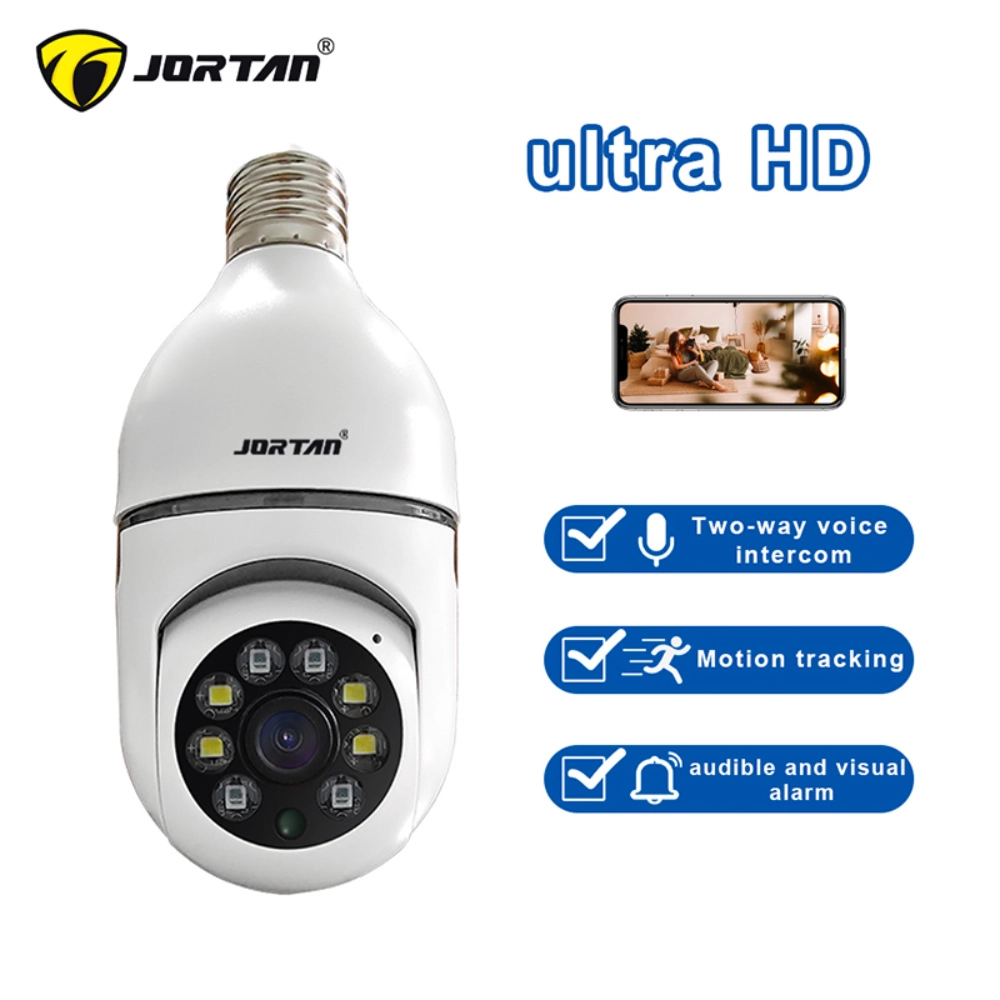
One clear demonstration emerges through the JT-8177 1080P IP camera, where refined processing delivers steady monitoring results while keeping data requirements modest. Such an equilibrium holds special importance for nonstop home-based monitoring.
Why Does Network Processing Enhance Detail Capture?
Network-connected devices incorporate noise suppression, wide dynamic range handling, and automatic exposure adjustment. These capabilities strengthen visibility in difficult lighting scenarios like entryways, parking areas, or strongly contrasted exterior views.
Network-driven processing furthermore enables immediate picture improvement prior to saving, thereby preserving meaningful details available for subsequent examination.
How Do Installation and System Expansion Compare?
The installation approach frequently decides whether monitoring equipment stays workable across extended periods.
Which System Is Easier to Expand Later?
HD CCTV growth generally demands supplementary coaxial cabling plus matching DVR capacity. Although feasible in modest projects, enlargement grows complicated and increases coverage requirements.
IP systems permit gradual addition. Fresh units link straight to network switches or routers, easing improvements without overhauling the complete infrastructure. This adaptability accommodates changing security demands, such as incorporating exterior zones or watching newly added spaces.
How Does Remote Connectivity Influence Modern Security?
Distant monitoring now represents the standard expectation instead of an optional enhancement. IP cameras enable portable viewing, online integration, and immediate notifications via specialized applications.
Digital platforms permit access to current footage, alert reception, and recording management from remote locations. Network traversal techniques maintain dependable distant interaction despite complicated network configurations.
What Role Do Intelligent Features Play in Modern Surveillance?
Contemporary monitoring depends more upon automatic evaluation than continuous human watching.
Why Is AI Detection Becoming Essential?
AI-driven person identification separates significant occurrences from unimportant motion triggers like animals or background shifts. Smart processing recognizes human presence and activates focused warnings, thereby raising response effectiveness.
Advanced systems examine activity patterns and dispatch prompt alerts upon detecting unusual behavior, shifting surveillance from simple capture toward forward-looking security.
How Do Multi-Lens and PTZ Capabilities Improve Coverage?
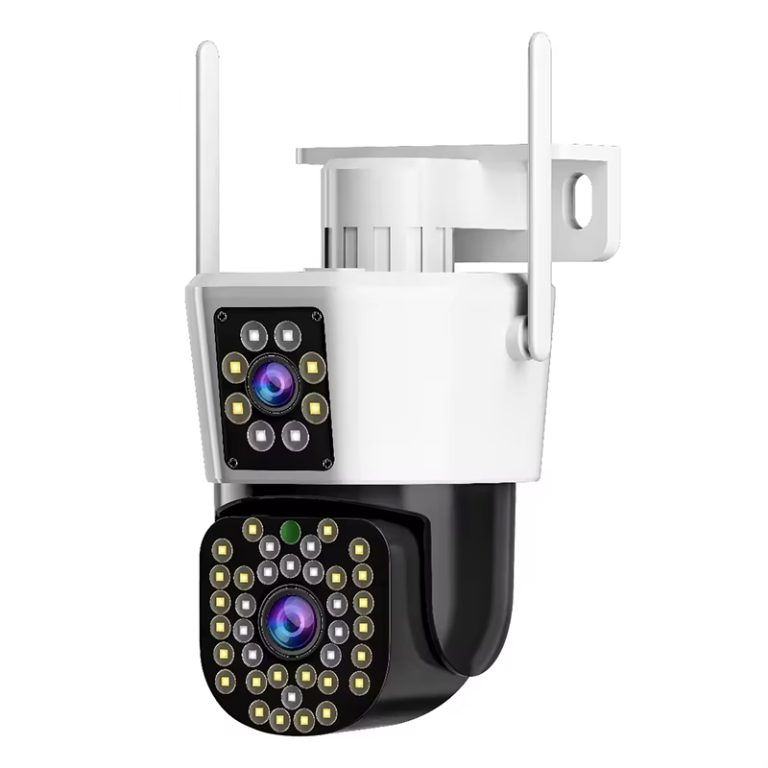
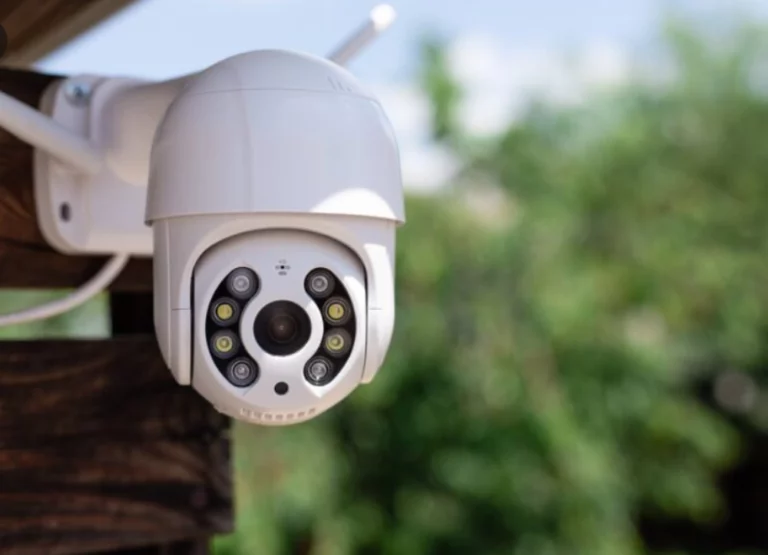
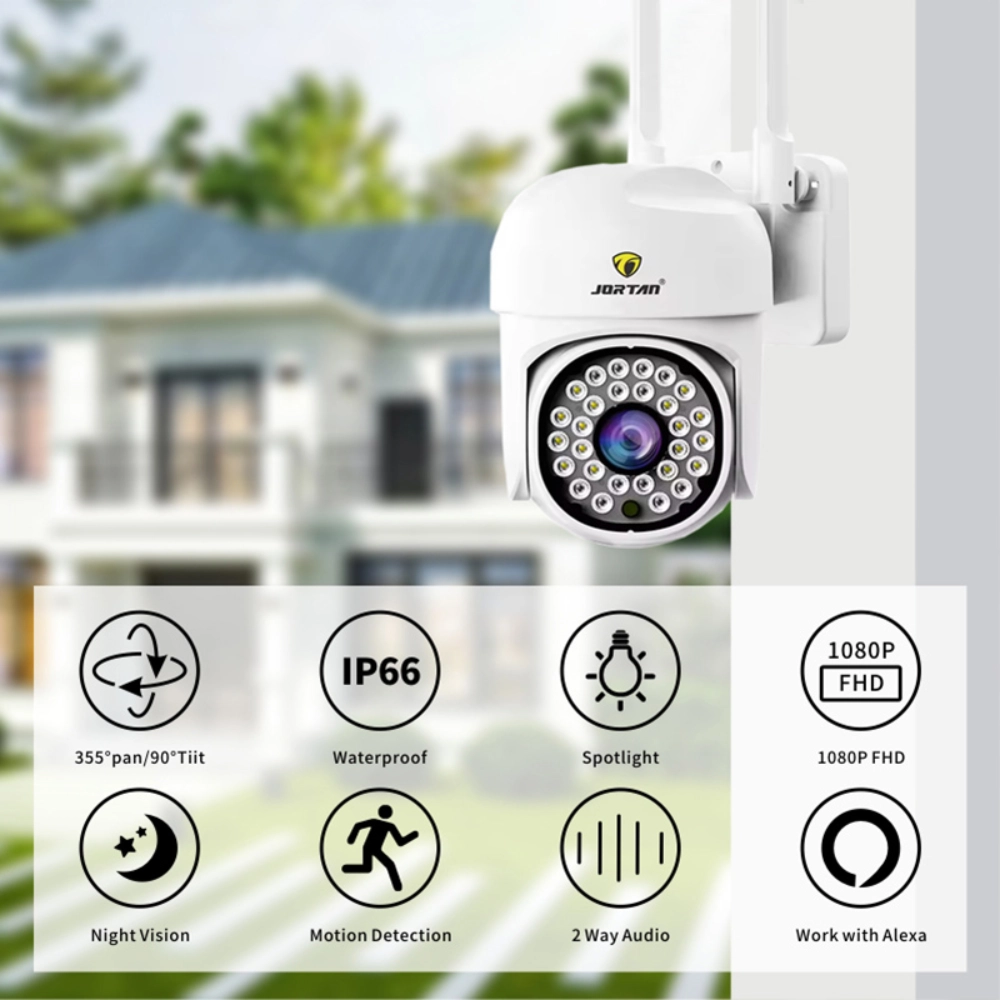
Multiple-lens devices merge steady monitoring with active following. PTZ movement allows broad-area watching without raising equipment numbers, thereby decreasing unseen zones while keeping precise attention.
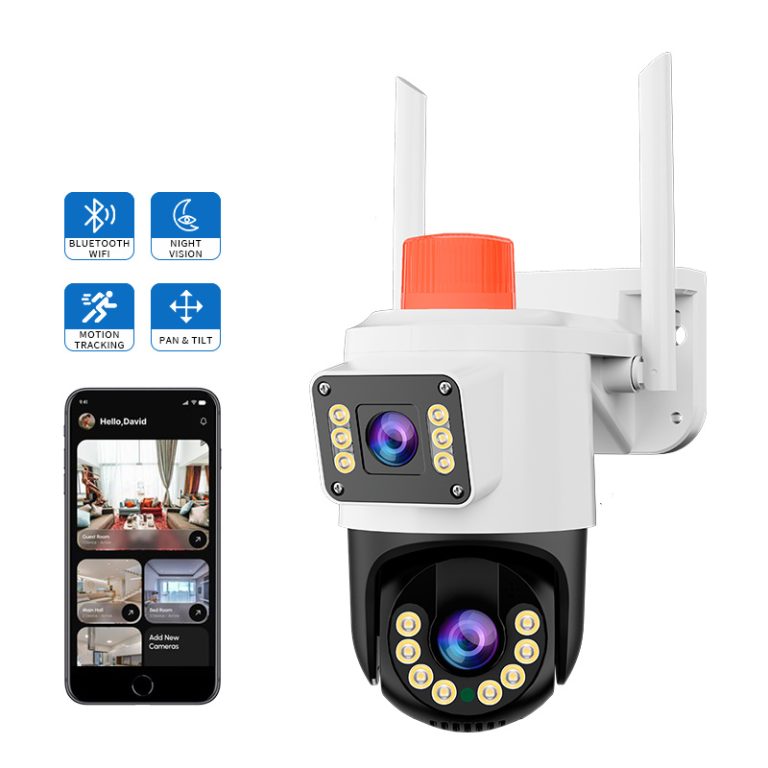
One typical instance involves the JT-8161QJ HD IP camera, which combines smart following features with flexible monitoring abilities to provide wider visual reach and effective situational understanding.
When Is HD CCTV Still a Practical Choice?
Even with ongoing technological progress, HD CCTV continues serving particular environments effectively.
Which Environments Benefit from Analog Simplicity?
Sites possessing pre-existing coaxial setups frequently gain advantages from keeping HD CCTV systems. Compact retail spaces, small workplaces, or older installations may favor economical operation and basic functionality over sophisticated analysis tools.
Analog systems, furthermore, supply consistent results where monitoring needs stay constant and future growth appears unlikely.
What Limitations Should Be Considered?
Nevertheless, HD CCTV systems generally miss advanced analysis features, versatile distant integration, and expandable network possibilities. As safety requirements continue rising, such constraints might hinder subsequent enhancements or automated intelligence.
Why Does Manufacturer Engineering Capability Affect System Reliability?
Equipment effectiveness frequently reflects underlying design principles and available development resources.
How Does Product Development Experience Influence Performance?
Specializing in continuous improvement in smart surveillance technologies, Jortan integrates product R&D, production, and support services into one unified security platform. Situated in Yiwu, our company focuses on developing monitoring systems that integrate cutting-edge imaging, AI detection algorithms, and efficient transmission technologies. Supported by modern manufacturing facilities and professional technical teams, our products, which comply with the international production standards, have the features of reliability, functional practicality, and long-term operational stability, and are widely used in residential and commercial environments. By aligning engineering precision with user-focused design, we are dedicated to providing surveillance solutions suitable for evolving global security demands.
Why Do Continuous Technology Upgrades Matter?
Regular processing improvements enhance recognition precision and overall system capability. Steady refinement ensures monitoring equipment adjusts successfully to fresh environments, emerging risks, and growing connection demands.
How Should You Decide Between IP Cameras and HD CCTV Today?
Selecting between these technologies rests upon deployment objectives beyond basic capability matching.
Which Factors Should Guide Your Decision?
Principal assessment elements encompass:
- Deployment environments
- Necessary smart capabilities
- Growth projections
- Distant monitoring requirements
Systems built for extended expandability typically gain advantages from a network-centered structure.
How Do You Balance Cost and Long-Term Value?
HD CCTV might lower starting expenditure, while IP systems commonly yield superior extended value through adaptability and automation. Decreased servicing complexity and improved capabilities frequently compensate for greater preliminary expenses over time.
Conclusion
IP cameras and HD CCTV systems each serve distinct roles within modern security strategies. HD CCTV remains practical for stable, limited installations, while IP cameras introduce scalability, intelligent analytics, and remote connectivity aligned with current monitoring demands. Selecting the right solution requires evaluating future expansion, operational efficiency, and functional requirements rather than focusing solely on initial cost.
FAQs
Q1: Are IP cameras always better than HD CCTV systems?
A: Not in every situation. IP cameras supply increased adaptability and advanced features, while HD CCTV continues performing adequately in smaller, unchanging installations.
Q2: Do IP cameras require advanced networking knowledge?
A: Elementary network configuration generally suffices, with numerous systems offering step-by-step guidance via portable applications.
Q3: Can existing HD CCTV systems transition gradually to IP cameras?
A: Certainly. Mixed implementations permit phased improvements without necessitating complete system replacement simultaneously.