A 4G security camera can be the right answer when a site has no fixed broadband, yet “offline” is not one single fault. The camera may have power but no cellular registration. It may register but fail to upload because the SIM plan is exhausted. It may record locally while the app cannot connect. Installers need to separate radio, account, power, software, and storage symptoms before replacing equipment.
4G is one transmission path alongside WiFi, network cable, coaxial, and optical fiber. It also treats storage and power as separate system choices. This matters because a cellular camera can keep capturing locally while its remote path is unavailable.
Identify Which Part Of the 4G Path is Down
Check the camera status, SIM registration, signal reading, carrier profile, data balance, antenna connection, and last successful upload. Then check local recording and the time of the most recent event. If the camera has fresh local clips, the image and storage path may be healthy even when remote access is not.
Read the Signal At the Final Mount
A signal reading from the workbench is not enough. Metal structures, concrete, cabinets, vegetation, and the camera direction can change the result. Test at the final height and repeat at different times. If an external antenna is used, inspect the connector, cable bend, weather seal, and mounting direction. Do not move the antenna or use a different carrier without recording the change.
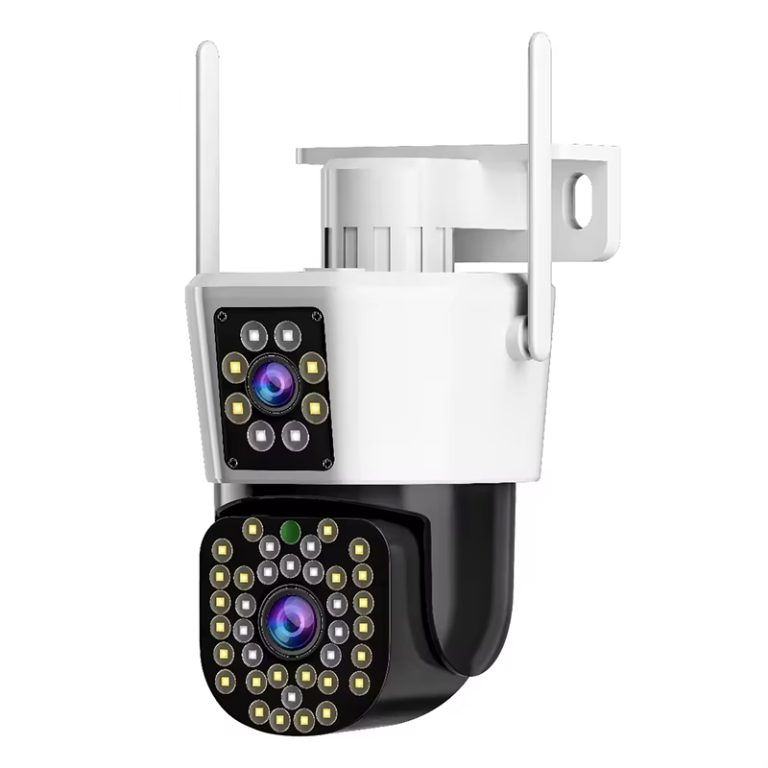
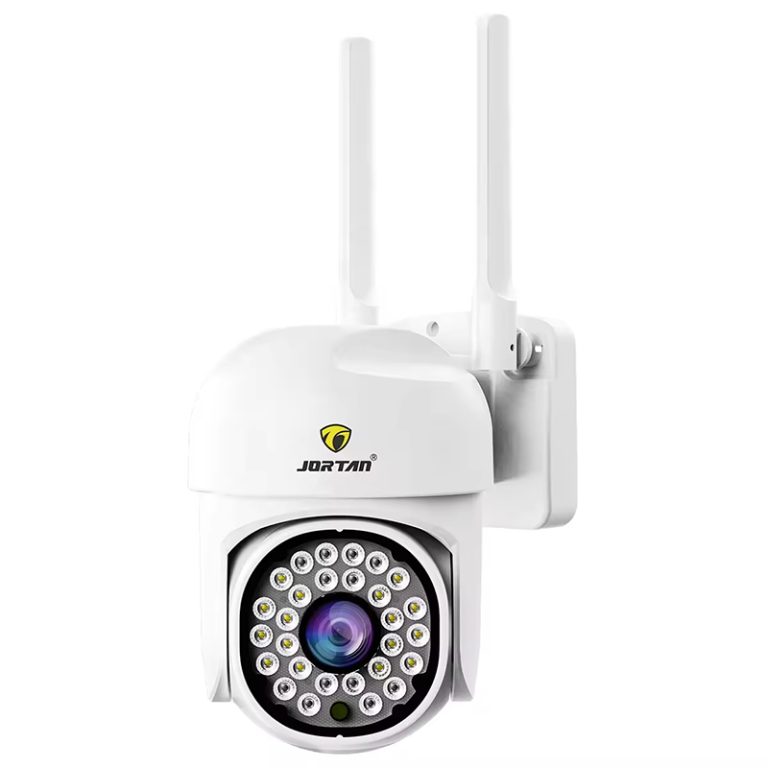
A cellular product such as the JT-9697QJ modelo de câmera should be checked with the intended SIM, carrier, antenna, firmware, and app. The relevant procurement question is not whether it is called an LTE camera, but whether the exact deployment route has been validated.
Check SIM Service umnd Data Policy
An active SIM can still fail to deliver service because the plan has expired, the data allowance is used, roaming is blocked, or the APN is wrong. Ask the carrier or supplier to confirm the supported network profile, activation status, and data policy for the installation region. Keep the account owner and renewal date in the project file.
Separate Data Exhaustion From Signal Loss
If the camera goes offline at a predictable time of month, inspect the data plan and upload pattern. Continuous live view, long clips, high bitrate, repeated alerts, and remote playback can consume more data than an event-led policy. If the outage follows movement to a new location, signal and antenna conditions deserve more attention.
A cellular camera should also have a local recovery path where the model supports it. Ask how the device reports low data, registration loss, SIM errors, and failed uploads. Do not promise that 4G coverage is universal. The installer must validate the carrier and site conditions for the actual location.
Poder umnd Reconnect Behavior Matter
A weak power source can imitate a cellular fault. Solar systems, batteries, long DC runs, and shared power supplies may restart the modem when load rises. Capture the time of the restart, battery level, event activity, and network status. If a short stable supply fixes the problem, the modem may be reacting to power instability rather than a poor network.
Test Recovery After A Planned Interruption
Disconnect the network path only under the approved test procedure, then observe whether the camera reconnects automatically, records locally, and sends a delayed event when service returns. Also reboot the camera and check whether the SIM profile, time, storage, and alert rules survive. The test should be recorded against the supplied firmware.
A higher-capacity reference such as the JT-8699T 4G câmera can support a comparison of power and cellular behavior. Keep the NVR or app constant where possible. Changing both camera and platform at the same time makes the result difficult to interpret.
Build umn Installer Recovery Checklist
The first-response order is local clip check, power check, SIM and account check, signal at the mount, antenna and cable inspection, APN or carrier profile, data balance, firmware, storage, and reconnect test. Record every change and the time it was made. This sequence helps the installer distinguish a remote-access issue from a camera that has actually stopped recording.
Escalate With A Timeline
Send the camera model, firmware, carrier, SIM status, data balance, signal reading, antenna position, power measurements, local clip evidence, and outage times. The cellular camera options can frame an alternative, while a 4G camera field-support request should include the timeline and site conditions.
For project buyers, the acceptance record should state what “online” means: app access, live view, event upload, local recording, playback, or all of them. Those are different services. A clear definition prevents a camera that is recording locally from being wrongly reported as a total product failure.
Define online in the project contract. It may mean app access, live view, event upload, local recording, or all four. The knowledge base treats 4G, WiFi, network cable, coaxial, and optical fiber as different transmission paths, while power and storage remain separate system choices. When those meanings are separated, the installer can restore the failed layer without disturbing the layers that are still working.
For a 4G camera, the acceptance file should define online as separate functions: cellular registration, app access, live view, event upload, local recording, playback, and automatic reconnect. 4G, beside WiFi, network cable, coaxial, and optical fiber are different transmission paths, while storage and power remain separate design choices. Test the SIM, carrier profile, antenna, final mounting position, battery or supply, and data policy as one approved combination. Keep a short timeline showing the last successful upload, local clip time, signal reading, and any restart. If the app is unavailable but local recording continues, record that as a remote-path failure rather than total camera failure. This definition gives installers a practical field asset and gives procurement teams a clearer basis for service commitments.
Conclusão
4G security cameras go offline for more reasons than weak signal. Installers should check local recording, power, SIM service, data policy, carrier profile, antenna, final-site signal, firmware, and reconnect behavior in that order. A timeline and field reading allow suppliers to support the actual failure instead of guessing from the word offline. JNo meio can frame the broader solution range.
Perguntas frequentes
Q1: Can a 4G camera record while the app shows it offline?
A1: Yes, if local storage and the camera power and image paths remain available while the cellular connection or remote service is unavailable. Check local clips before assuming total failure.
Q2: Does a stronger antenna solve every cellular camera outage?
A2: No. SIM service, data limits, APN settings, power instability, carrier coverage, firmware, and storage can cause the same symptom.
Q3: What should be tested at handover?
A3: Test signal at the final mount, live view, event upload, local recording, playback, data policy, power recovery, and automatic reconnect after an approved interruption.