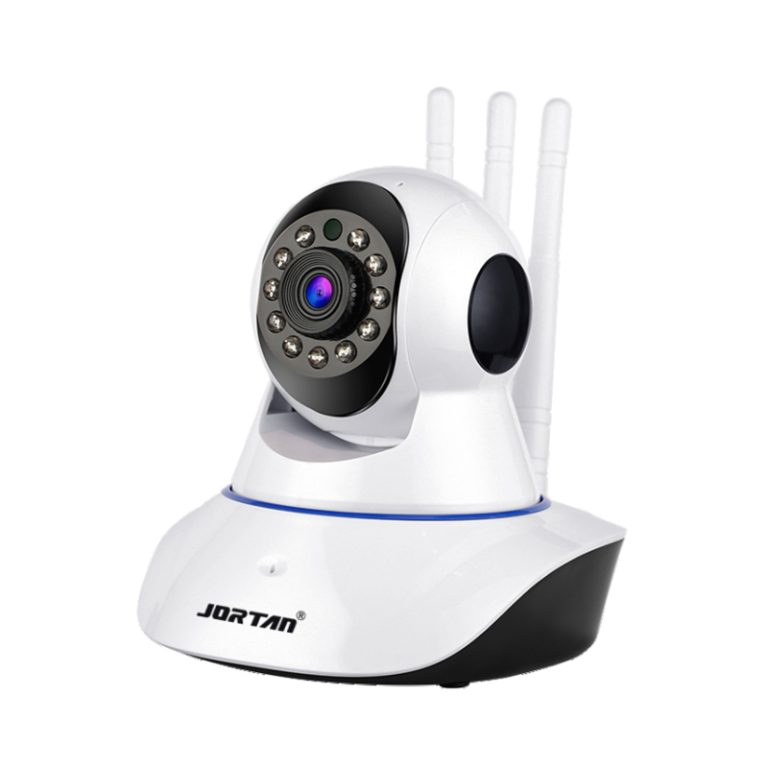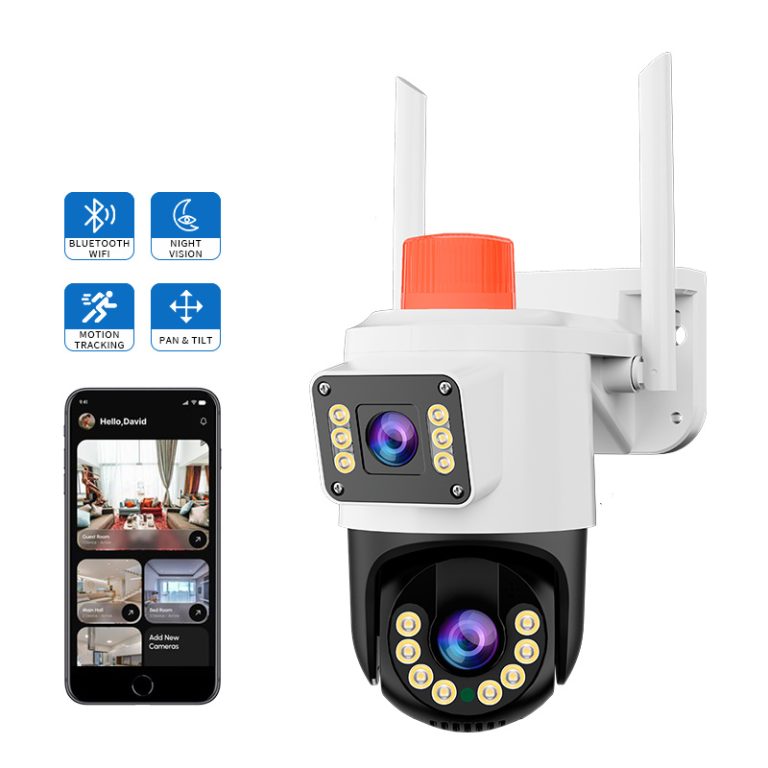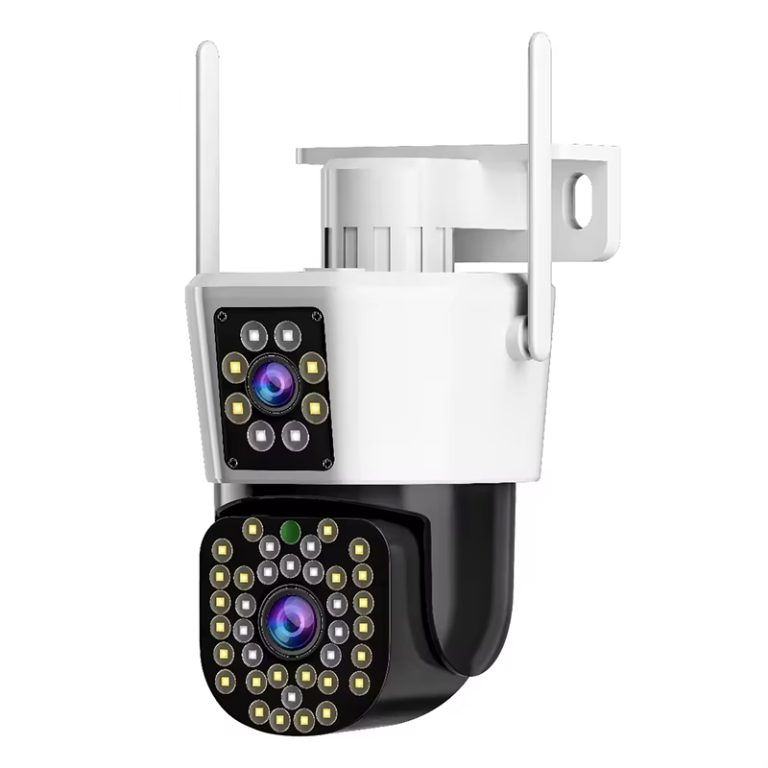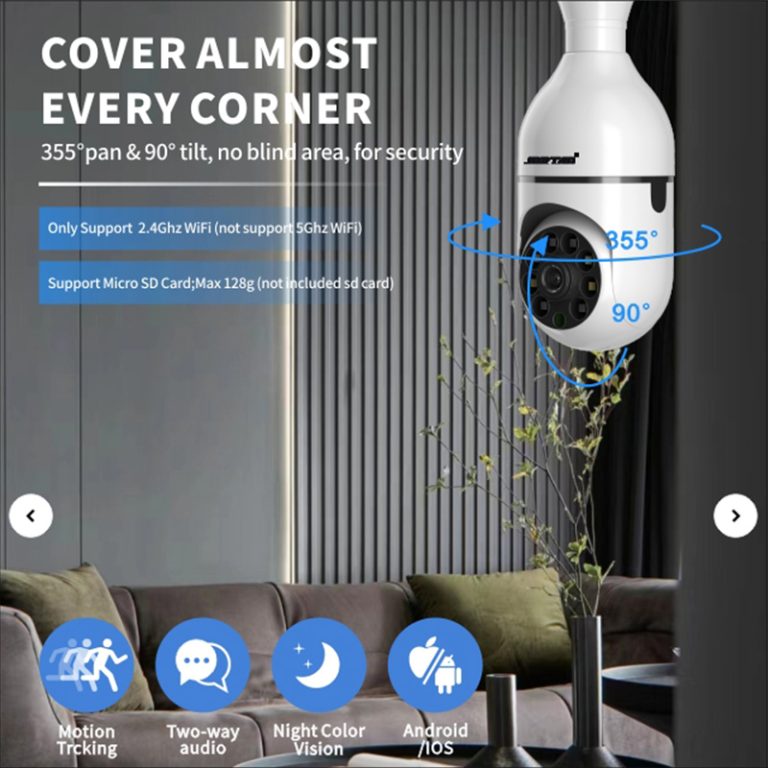
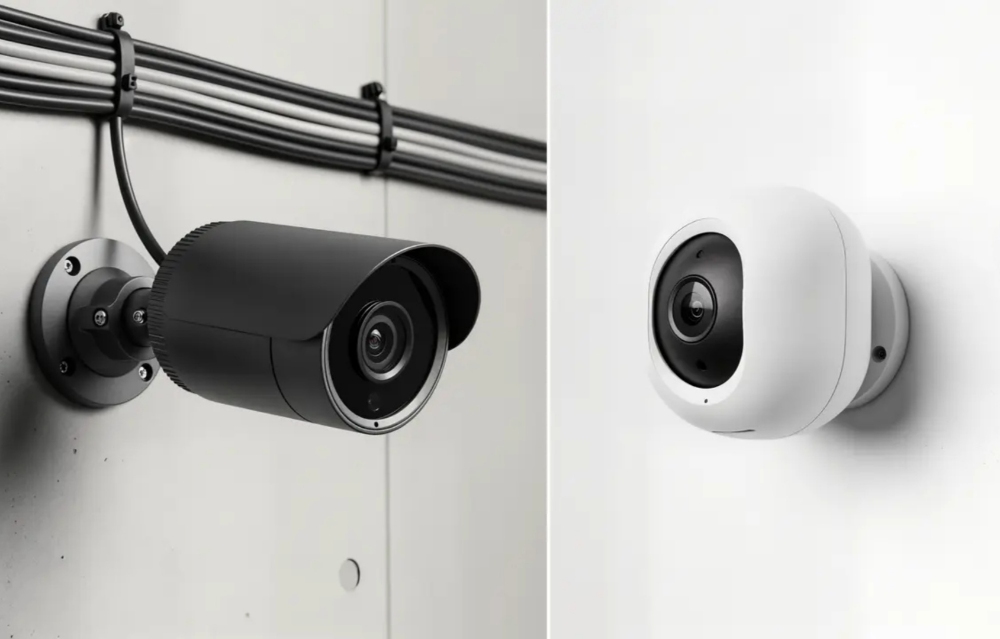
Ao escolher entre conexões com fio e sem fio câmeras de segurança, É importante levar em consideração o local onde as câmeras serão instaladas, a estabilidade da rede e como o sistema será mantido a longo prazo. Comparando as vantagens das câmeras de segurança com fio e sem fio, podemos ajudá-lo a escolher as câmeras de segurança mais adequadas para o seu ambiente.
Entendendo as principais diferenças entre câmeras de segurança com fio e sem fio
As câmeras de segurança modernas evoluíram muito devido aos avanços na área de redes e processamento de imagens. Embora os sistemas de câmeras de vigilância com e sem fio tenham o mesmo objetivo de monitoramento, seu projeto estrutural, instalação e uso a longo prazo podem variar bastante.
Definindo sistemas de câmeras com fio e sem fio
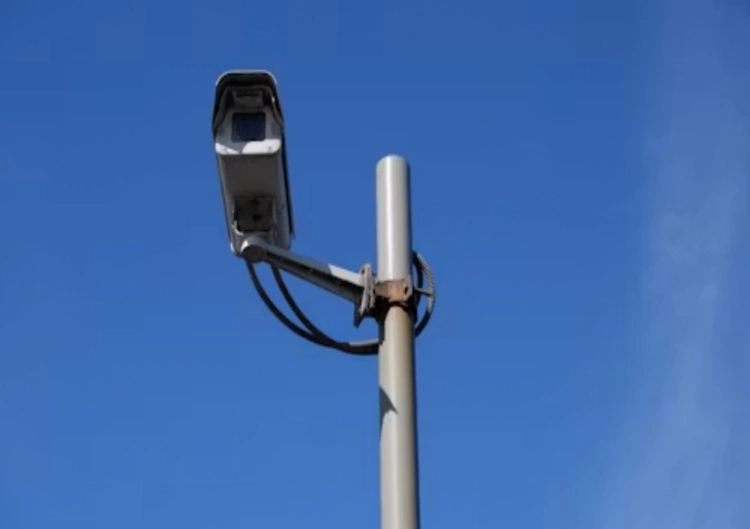
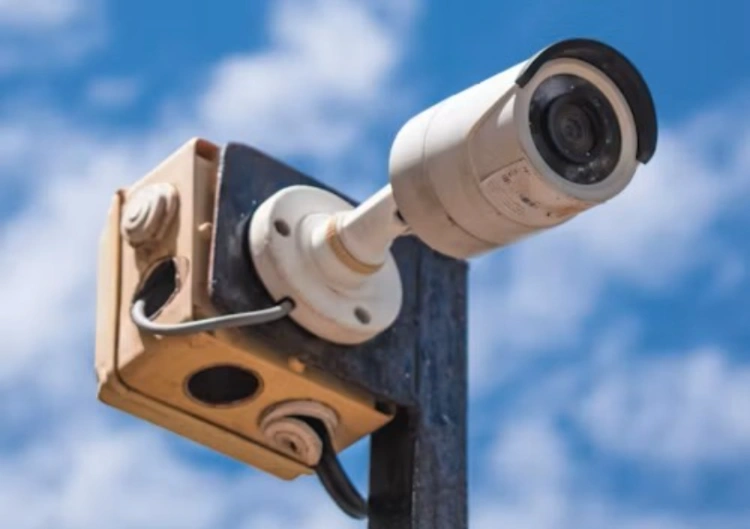
As câmeras com fio transmitem vídeo por meio de cabos físicos que se conectam diretamente a um dispositivo de gravação ou gravador de vídeo em rede (NVR). Isso garante uma conexão altamente estável com interferência mínima.
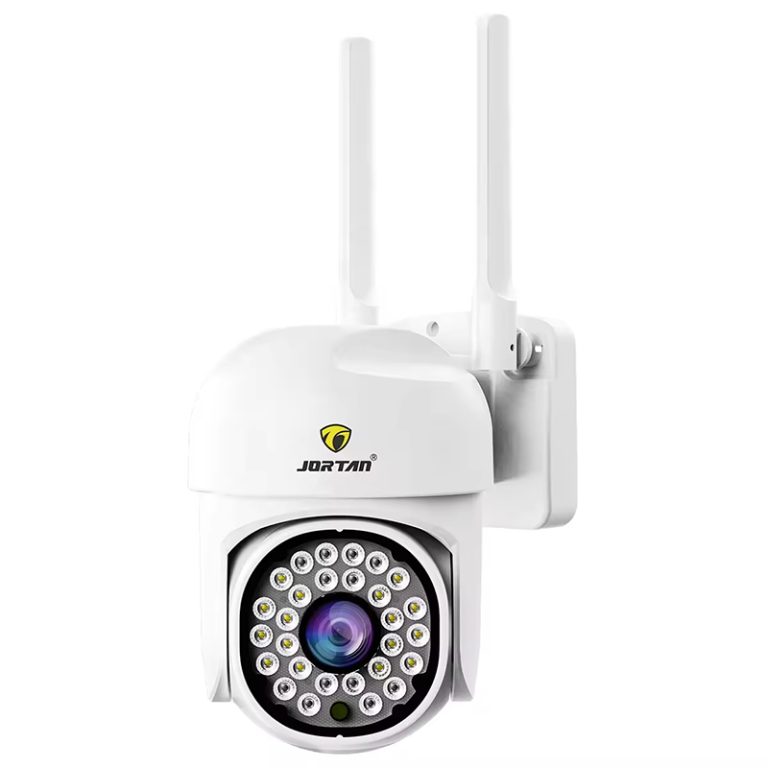
Em contraste, um câmera de rede sem fio Uma câmera de rede é uma câmera que transmite sinais de vídeo através de uma rede sem fio. A diferença entre uma câmera de rede e uma câmera de rede comum reside no método de transmissão do sinal de vídeo.
Além disso, existem dois tipos de câmeras de rede sem fio: uma é a câmera de rede Wi-Fi e a outra é a câmera de rede que utiliza sinais sem fio 4G de operadoras de comunicação móvel para transmissão de sinal. Esses sistemas são ideais para ambientes onde a instalação de cabos é difícil ou indesejável.
Os componentes dos sistemas de câmeras de vigilância usados em segurança perimetral de edifícios podem variar significativamente entre sistemas com fio e sem fio. Ambos, no entanto, geralmente consistem em um sensor de imagem, um codificador de vídeo, um servidor de rede ou outro meio para distribuição de vídeo e uma interface externa para contatos de alarme de dispositivos de segurança periféricos, como sensores de porta e sensores PIR.
Comparando os Requisitos de Instalação
Existem diferenças enormes em termos de complexidade de instalação entre sistemas sem fio e sistemas com fio.
A maioria dos sistemas com fio geralmente é instalada por profissionais, principalmente devido à necessidade de passar cabos pelas paredes e tetos, o que aumenta os custos de instalação. Por outro lado, as câmeras sem fio são muito mais flexíveis, por exemplo, devido à tecnologia sem fio com acesso 3D que pode facilmente compensar as deficiências do acesso por rede com fio. Como resultado, os sistemas sem fio são especialmente adequados para instalações temporárias e para locais com infraestrutura muito limitada.
A fonte de alimentação das câmeras de segurança também é um fator importante na escolha. Enquanto as câmeras com fio geralmente recebem energia via Ethernet (PoE), as câmeras de segurança sem fio são alimentadas por bateria ou energia solar. Se a sua região recebe bastante luz solar, recomendamos a instalação das câmeras de vigilância da série solar da [nome da empresa/marca]. Jordânia.
Considerações sobre desempenho e confiabilidade
Um conjunto de métricas de desempenho, como estabilidade, integridade do sinal e qualidade da imagem, para medir o desempenho de cada sistema em condições reais de operação.
Estabilidade da conexão e interferência de sinal
Cabos conectados por fio são mais robustos e podem se proteger de interferências ambientais. Mesmo em longas distâncias, esses cabos garantem uma transmissão de vídeo estável. Já a tecnologia sem fio 802.11n, com sua taxa de transferência de várias centenas de Mb/s, suporta aplicações sem fio rápidas, de alta qualidade e com grande capacidade de processamento. No entanto, sempre existe a possibilidade de o sinal ser afetado por sinais de outros dispositivos ou mesmo pela congestão de outras redes Wi-Fi.
Qualidade de vídeo e velocidade de transmissão de dados
A capacidade de banda de um sistema influencia a qualidade da imagem. Sistemas com fio possuem uma taxa de transferência de dados maior do que sistemas sem fio e são adequados para vídeos em ultra-alta definição (UHD) sem qualquer perda devido à compressão. Câmeras sem fio também podem alcançar bons resultados, dependendo da intensidade do sinal Wi-Fi.
Manutenção, segurança e proteção de dados
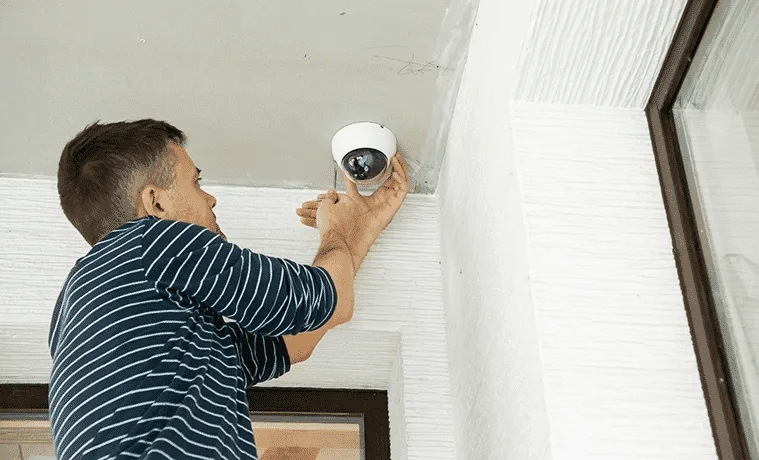
Independentemente de ser um sistema ou não, o funcionamento contínuo só é possível através de verificações e atualizações regulares.
Necessidades de manutenção e resolução de problemas do sistema
As câmeras de segurança com fio raramente precisam de atualizações de software e verificações ocasionais de desgaste dos cabos. Em contrapartida, as câmeras de segurança sem fio requerem, de tempos em tempos, atualizações de firmware para otimizar o desempenho ou solucionar problemas de compatibilidade. Câmeras de segurança sem fio, como a Câmera com Bateria Removível, também precisam ser gerenciadas em relação à recarga da bateria. A bateria removível e o design recarregável desta câmera de segurança permitem a instalação rápida e fácil de uma nova bateria, com tempo de espera ultralongo.
Riscos de cibersegurança e medidas de proteção
Sistemas sem fio, conectados por meio de redes abertas, são mais vulneráveis a ataques cibernéticos. No entanto, soluções de criptografia de alta qualidade, como WPA3, e configurações adequadas de roteadores oferecem proteção eficaz. Além disso, atualizações regulares de firmware para roteadores e outros dispositivos com conexão sem fio também protegem contra ataques atuais a dispositivos IoT.
Análise de custos: instalação, operação e valor a longo prazo
Ao comparar câmeras de CFTV com fio e sem fio em termos do valor total do investimento, é preciso levar em conta mais do que o investimento inicial. Também é necessário considerar os custos de manutenção a longo prazo.
Os sistemas com fio geralmente têm um custo de instalação mais elevado, pois exigem cabos, perfuração e mais trabalho de configuração fixa. No entanto, após a instalação, podem oferecer um desempenho estável a longo prazo. Os sistemas sem fio costumam ter custos de instalação mais baixos e são mais fáceis de expandir, especialmente para lojas, armazéns, estacionamentos e estabelecimentos comerciais temporários.
Para funcionar, as câmeras sem fio podem precisar de Wi-Fi mais potente, verificações de bateria ou planos de armazenamento em nuvem, enquanto os sistemas com fio podem exigir mais manutenção quando os cabos ou equipamentos fixos precisam de reparo. Em termos de valor a longo prazo, os sistemas sem fio costumam ser mais flexíveis para empresas em crescimento, pois novas câmeras podem ser adicionadas com menos interrupções e menor esforço de configuração.
Como escolher o sistema de câmeras certo para as necessidades da sua propriedade em 2026
Ao escolher um tipo de câmera de segurança para sua propriedade, há vários fatores importantes a serem considerados. Entre eles, estão o layout físico da propriedade, as condições ambientais ao redor, seu orçamento e seus planos de longo prazo para o sistema.
Grandes instalações industriais ou complexos com vários edifícios geralmente se beneficiam da confiabilidade das conexões cabeadas, onde o streaming de dados com alta demanda de banda é essencial em longas distâncias. Enquanto isso, apartamentos urbanos ou imóveis para aluguel preferem as opções de instalação flexíveis oferecidas por unidades conectadas por Wi-Fi, que não exigem modificações permanentes durante mudanças de configuração. Implantações híbridas — que combinam ambas as tecnologias — podem equilibrar estrategicamente estabilidade e adaptabilidade, garantindo a preparação para futuras transições tecnológicas, como... impulsionado por IA sistemas de monitoramento preditivo.
Perguntas frequentes
P1: Quais são as vantagens das câmeras de segurança com fio?
A1: As principais vantagens das câmeras de segurança com fio são a conectividade contínua que proporcionam para gravar em alta definição, sem atrasos ou interferências na gravação, sendo ideais para grandes instalações.
P2: Como as câmeras sem fio alimentadas por bateria aumentam a conveniência?
A2: As câmeras sem fio alimentadas por bateria aumentam a praticidade, funcionando com baterias e eliminando a necessidade de cabos. Isso permite que os usuários monitorem as imagens remotamente em seus smartphones. Elas não exigem a instalação de cabos, o que economiza tempo e esforço, além de eliminar preocupações e possíveis problemas com a fiação, garantindo segurança inteligente.
Q3: Qual sistema terá melhor valor a longo prazo para aplicações empresariais?
A3: Os sistemas sem fio geralmente oferecem melhor custo-benefício a longo prazo para aplicações empresariais, pois são mais fáceis de instalar, expandir e gerenciar em diferentes locais. Para empresas que precisam de cobertura flexível e proteção robusta, Jordânia8 É uma opção prática para empresas que precisam de cobertura sem fio flexível, monitoramento com lente dupla, acesso remoto e segurança externa confiável.