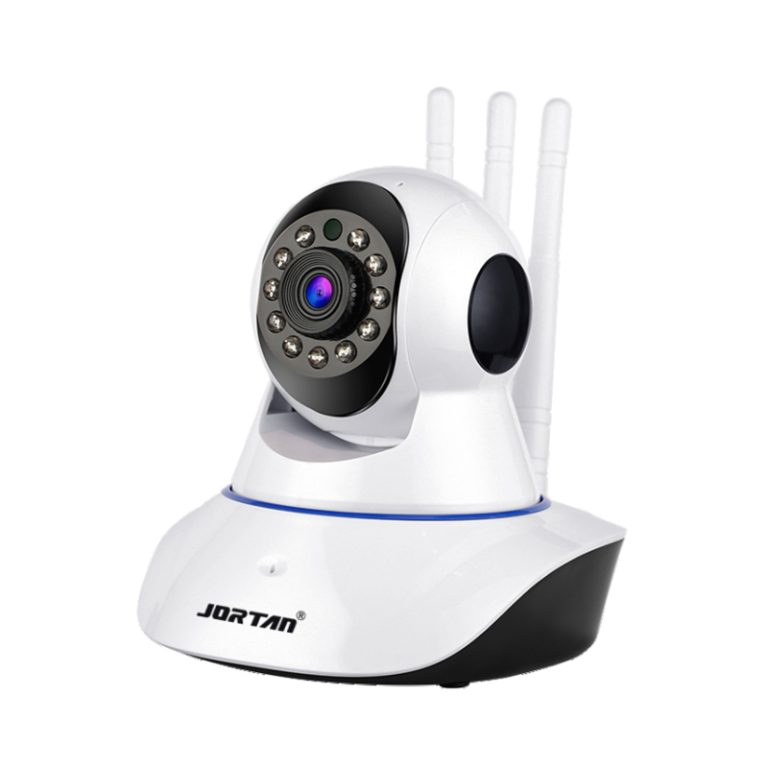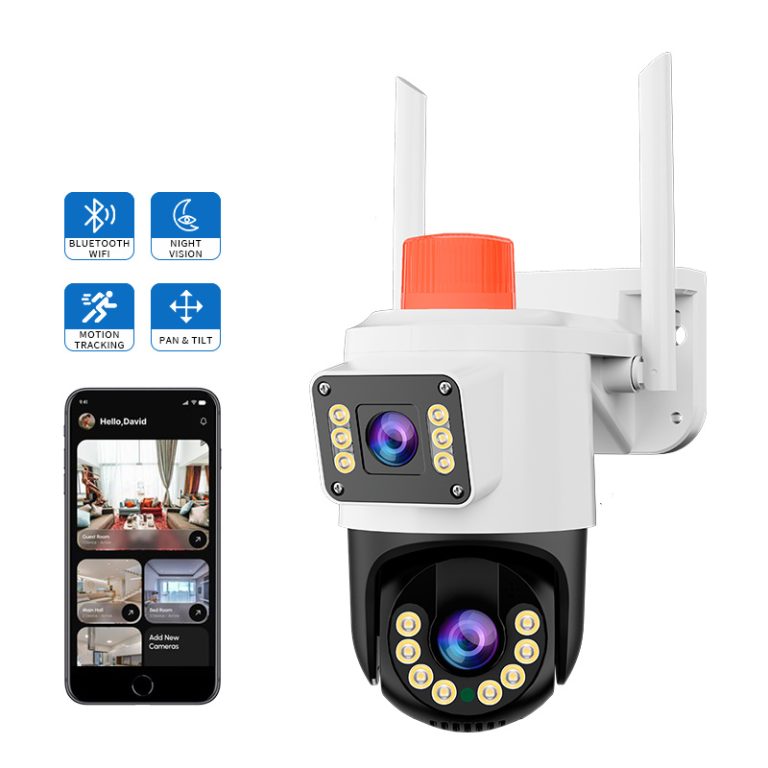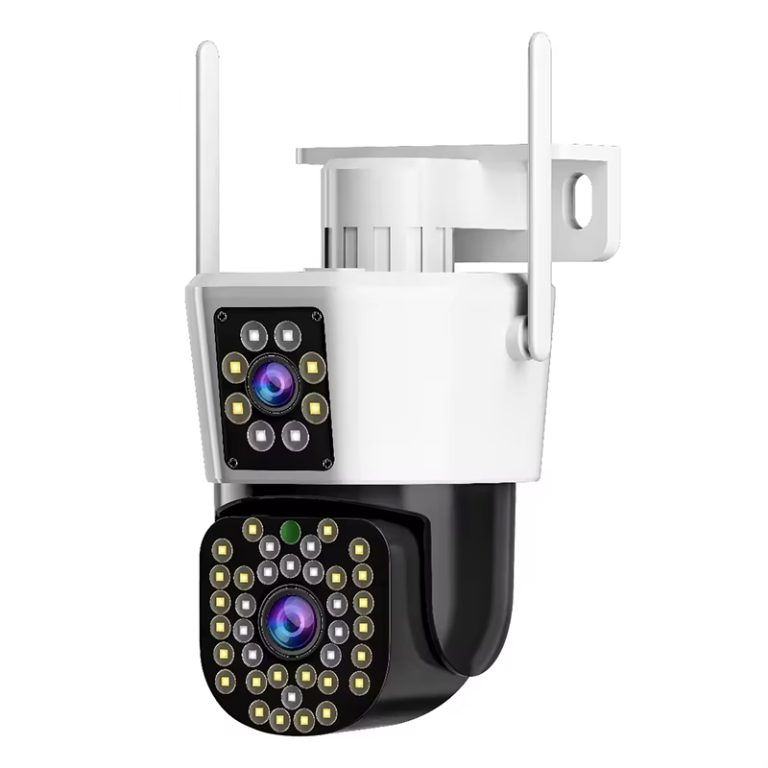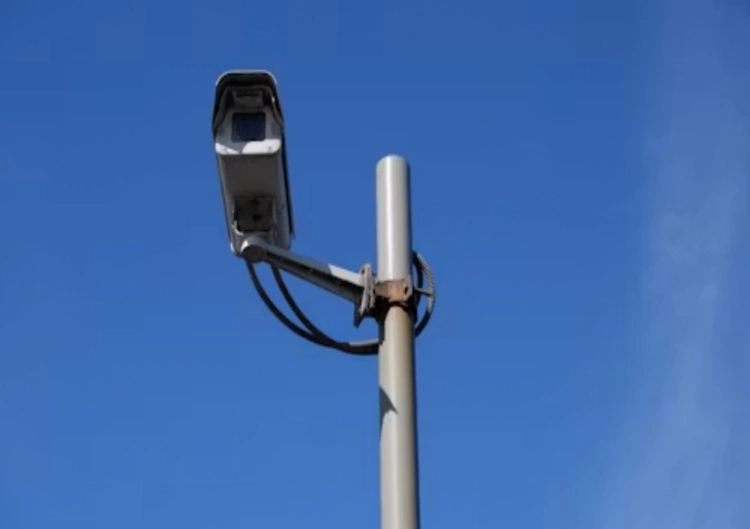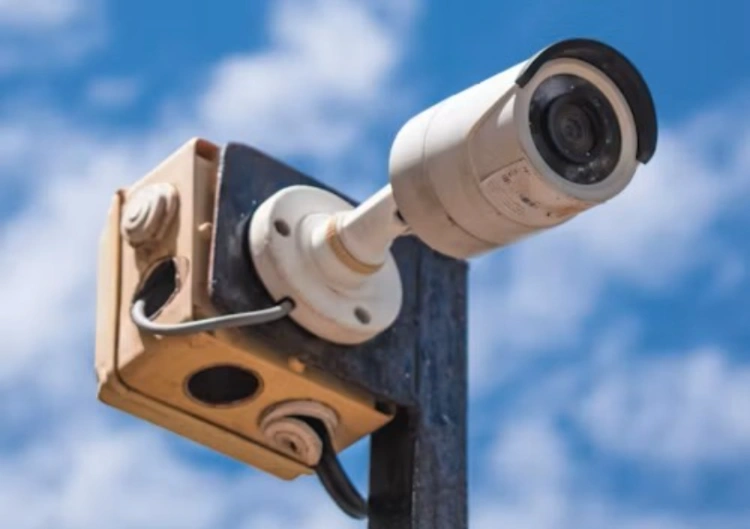
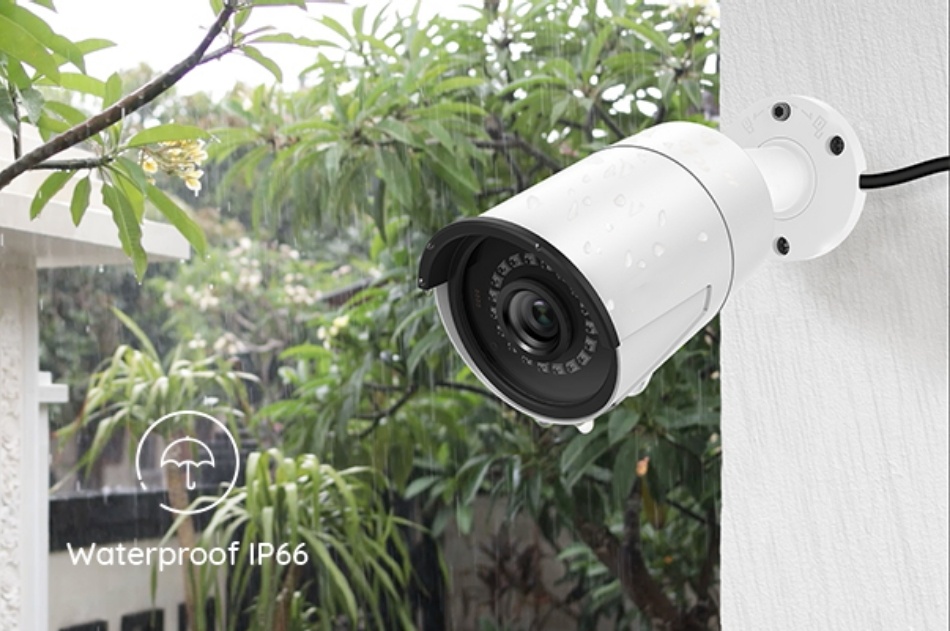
Classificações de resistência às intempéries em câmeras externas são um fator crucial para a maioria dos compradores. Como a maioria das câmeras é usada ao ar livre e fica exposta à poeira, chuva e outras condições climáticas adversas, é importante comparar o termo "resistente às intempéries" com classificações reais, como IP65, IP66 ou IP67.
A importância da classificação de resistência às intempéries em câmeras para uso externo
Por que a impermeabilização é importante para sistemas de vigilância externa
As condições climáticas externas podem ser imprevisíveis e afetar negativamente sua câmera. A proteção adequada contra intempéries garante o desempenho ideal da sua câmera em todas as circunstâncias e prolonga sua vida útil. Ao selecionar uma câmera externa, é fundamental conhecer a classificação IP para escolher um modelo que suporte as condições climáticas da sua região.
Conceitos errôneos comuns sobre rótulos "à prova de intempéries"
Quando as pessoas compram uma câmera, pensam que se ela for "resistente às intempéries", então ela aguenta qualquer coisa lá fora. Isso não é bem verdade. O termo "resistente às intempéries" é muito genérico. Uma câmera que aguenta chuva pode não funcionar bem em uma tempestade forte ou se ficar submersa por um curto período. É por isso que usamos classificações como IP65, IP66 e IP67 para descrever câmeras. Essas classificações indicam o quão bem uma câmera resiste à poeira e à água. Elas nos dão uma ideia do que a câmera realmente suporta.
Decifrando as classificações IP: O que são IP65, IP66 e IP67?
Antes de escolher uma câmera para uso externo, é preciso conhecer a estrutura básica das classificações de Proteção contra Intrusão (IP) para avaliar se a câmera é resistente o suficiente às condições climáticas externas.
A estrutura de uma classificação IP explicada
“IP” significa Índice de Proteção. Os dois números descrevem a proteção contra objetos sólidos, como poeira, e contra água. Podemos comparar diferentes modelos a partir de Jordânia.
O primeiro dígito: Níveis de proteção contra poeira
O primeiro dígito da classificação IP varia de 0 a 6, sendo o nível 6 totalmente à prova de poeira, adequado para uso em ambientes externos onde partículas finas de poeira são comuns. Os níveis de 1 a 5 permitem a entrada de quantidades variáveis de partículas sólidas, mas ainda são bastante adequados para uso em ambientes semi-protegidos.
O segundo dígito: Níveis de resistência à água
O segundo dígito indica a capacidade de um material repelir água. O nível 5 tolera respingos leves. O nível 6 é melhor, pois suporta grandes volumes de água e resiste à chuva. O nível 7 é o melhor, pois pode ficar submerso em água com um metro de profundidade por um curto período sem apresentar problemas.
Comparando as classificações IP65, IP66 e IP67 para câmeras externas.
Embora as três classificações indiquem resistência às intempéries e sejam adequadas para aplicações externas, cada uma possui diferenças sutis e seria mais apropriada para determinados ambientes e intensidades climáticas.
Principais diferenças entre essas três classificações
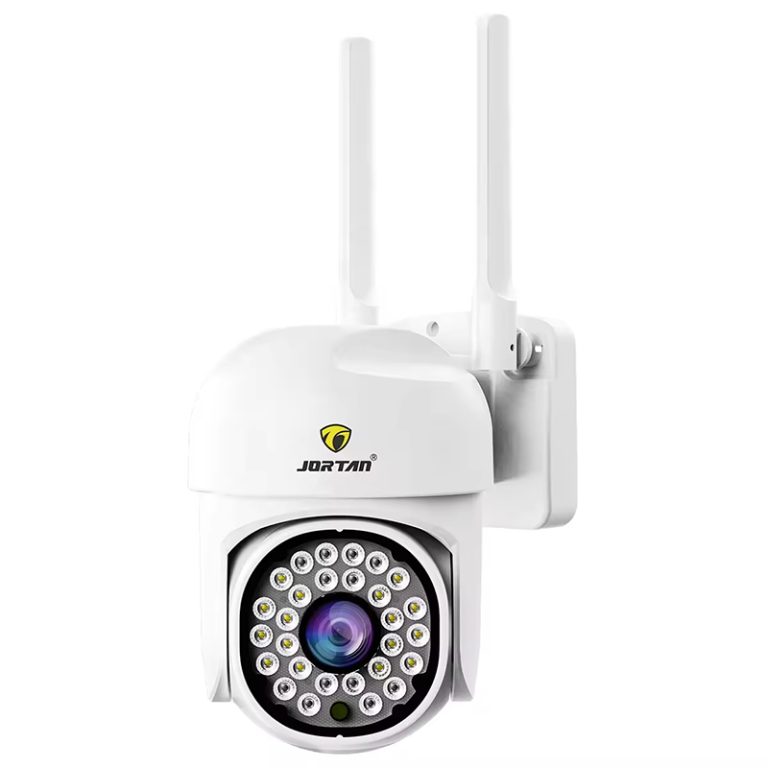
As câmeras com classificação IP65 são resistentes a jatos de água de baixa pressão, sendo adequadas para chuva, aspersores e instalações externas protegidas. A classificação IP65 protege a câmera da chuva e respingos leves, mas não foi projetada para suportar água de alta pressão, como a de uma mangueira. Se você pretende instalar sua câmera em uma parede aberta, um poste de cerca ou algo semelhante, precisará de uma câmera com pelo menos classificação IP66, como a da Jortan. JT-8177. Para câmeras de segurança externas expostas permanentemente às intempéries, é necessária uma câmera com classificação IP67.
Qual classificação é mais adequada para diferentes ambientes de instalação?
Ambientes residenciais e uso externo leve (IP65)
A câmera com classificação IP65 provavelmente seria suficiente para áreas protegidas, como varandas cobertas e beirais, já que a chuva não representa um problema. Ela também é adequada para conter poeira em caso de respingos ocasionais e até mesmo chuvas moderadas.
Áreas externas comerciais ou industriais (IP66)
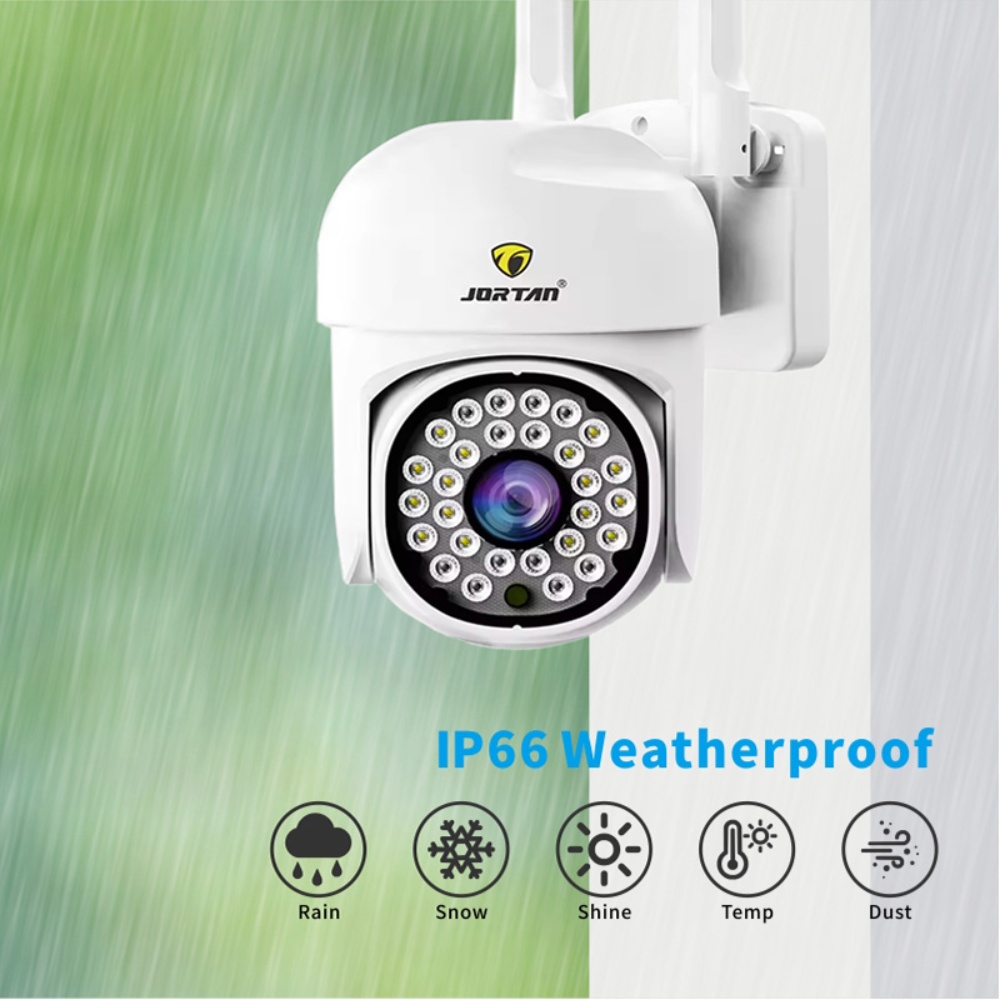
Ao instalar câmeras em áreas abertas, como estacionamentos ou fachadas de edifícios expostas à chuva forte ou a produtos de limpeza pulverizados ocasionalmente, a escolha inteligente é especificar uma câmera com classificação IP66, como a da Jortan. JT-8161QJEste dispositivo é capaz de resistir a tempestades severas e manter sua funcionalidade durante todo o período. A qualidade da imagem e a conectividade permanecerão inalteradas mesmo nas piores condições climáticas.
Ambientes de alto risco ou severos (IP67)
Câmeras para situações climáticas extremas, como áreas costeiras com maresia ou sujeitas a inundações, são adequadas para suportar submersão de curta duração em água. Exemplos dessas situações climáticas incluem áreas costeiras com maresia ou áreas propensas a inundações.
Fatores além da classificação IP que influenciam a durabilidade
Embora a classificação IP indique proteção contra sólidos e líquidos, outros aspectos do projeto desempenham um papel ainda maior para garantir a confiabilidade a longo prazo das câmeras externas em diversas condições climáticas.
Qualidade dos Materiais e Projeto de Construção
Caixas fabricadas com ligas de alumínio resistentes à corrosão ou com plástico durável, tratado para maior resistência, podem ser de grande valia em climas úmidos e no litoral, onde a corrosão causada pelo sal pode ser drasticamente acelerada. Além disso, os pontos de entrada dos cabos são equipados com vedações reforçadas para evitar qualquer infiltração de umidade que possa danificar o interior da caixa de controle com o tempo.
Tolerância à temperatura e resistência aos raios UV
Câmeras de vigilância externas de alta qualidade mantêm imagens nítidas mesmo em temperaturas extremas, como abaixo de zero no inverno e acima da média no verão. Além de capturar imagens sem distorção ou falhas de hardware, essas câmeras são fabricadas com materiais resistentes às intempéries, como plásticos com proteção UV, que não racham nem desbotam com o tempo, mesmo quando expostas ao sol por meses.
Práticas de manutenção que aumentam a longevidade
Rotinas regulares de limpeza e inspeção: Recomendamos a limpeza periódica das lentes, pois detritos ambientais, como pólen, podem se acumular rapidamente e arruinar as imagens. Além disso, verifique periodicamente as juntas de vedação quanto a sinais de desgaste. É fácil não perceber pequenas deteriorações na vedação, o que pode comprometer a impermeabilidade da caixa estanque.
Técnicas de montagem adequadas para proteção ideal: As câmeras não devem ser montadas em locais onde a água possa se acumular sobre a carcaça. O uso de suportes angulares e o design da caixa para promover drenagem e circulação de ar são essenciais para evitar danos causados por condensação.
Como escolher a câmera à prova d'água ideal para suas necessidades
Encontrar um equilíbrio entre custos e requisitos ambientais para garantir o valor do investimento a longo prazo é fundamental na seleção de câmeras resistentes às intempéries para diferentes finalidades.
Equilibrando custos, desempenho e exigências ambientais.
Conhecer o produto mais adequado para uma determinada aplicação, comparando sua classificação com o ambiente típico do usuário, garante que não se gaste muito dinheiro em um produto para protegê-lo de exposições além daquelas típicas do clima local e, ao mesmo tempo, permite que o produto seja usado por um longo período e em diversas situações.
Combinando as funcionalidades da câmera com os objetivos da instalação
Para manter a compatibilidade do seu sistema de segurança com outros dispositivos adicionados à rede, certifique-se de escolher uma fonte de alimentação compatível para as câmeras, como uma fonte PoE ou uma fonte de alimentação CC, bem como um software que permita monitorar as câmeras remotamente, se necessário. Em particular, procure câmeras de segurança com proteção reforçada para situações em que estejam expostas às intempéries, incluindo recursos adicionais como um sistema de notificação de alertas de longa duração ou maior resiliência para lidar com acidentes inesperados, além de transmitir imagens em alta definição da área circundante.
Perguntas frequentes
P1: O que significa realmente "resistente às intempéries" ao comprar câmeras para uso externo?
A1: O termo "resistente às intempéries" é, por si só, bastante vago e não se refere a nenhum conjunto específico de critérios. Se você quiser saber o que sua nova câmera suporta, sempre consulte as classificações IP oficiais (Índice de Proteção), que detalham o grau de proteção contra sólidos (poeira) e água da câmera em questão.
P2: Uma câmera IP67 é necessária para todas as instalações externas?
A2: Nem sempre; áreas protegidas normalmente exigem apenas um modelo IP65, enquanto locais totalmente expostos se beneficiam de opções de nível superior, como IP66 ou superior, dependendo da intensidade das condições climáticas locais.
P3: Qual produto oferece desempenho confiável em ambientes agressivos?
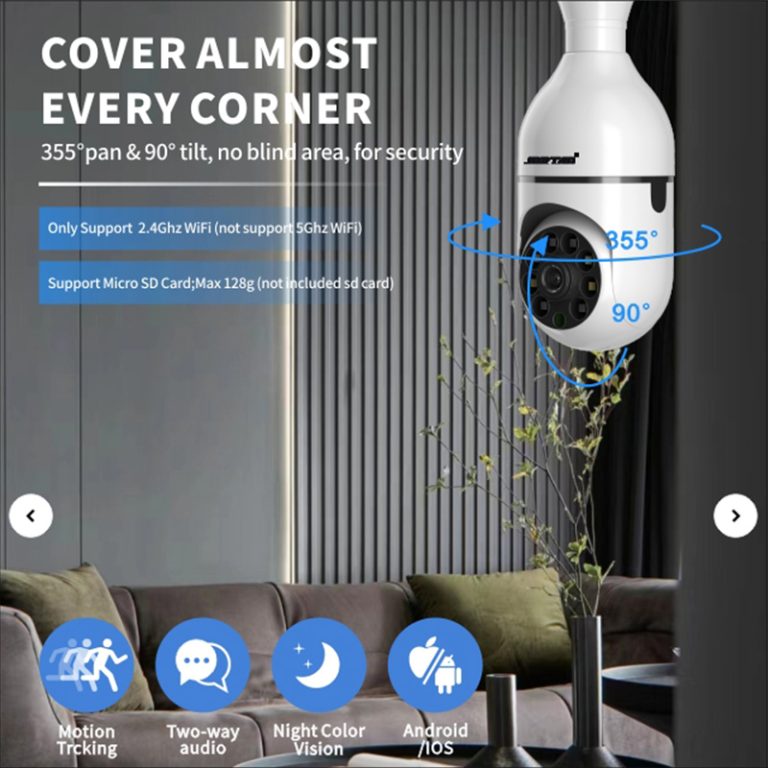
A3: De Jortan JT-9697QJ É uma opção confiável para ambientes externos adversos. Possui design à prova de intempéries IP66, visão noturna infravermelha colorida, áudio bidirecional, rastreamento de movimento humano e rotação horizontal de 355° com inclinação de 90° para uma cobertura de monitoramento mais ampla.