Picking outdoor security cameras takes a lot more than just looking at prices or pixel counts. Toughness against weather, steady network links, smart spotting, and care over time all shape how well they perform in daily use. Before you get into exact details, it’s smart to explain the main ideas that build a trustworthy outdoor watching system.
What Should You Know About Outdoor Security Cameras Before Making a Purchase?
Finding the correct outdoor security camera starts with thinking about its spot and the way you will set it up. The way each camera works relies strongly on where you place it, the view it has, and how well it handles outside conditions. These choices make a big difference in covering your whole area without gaps.
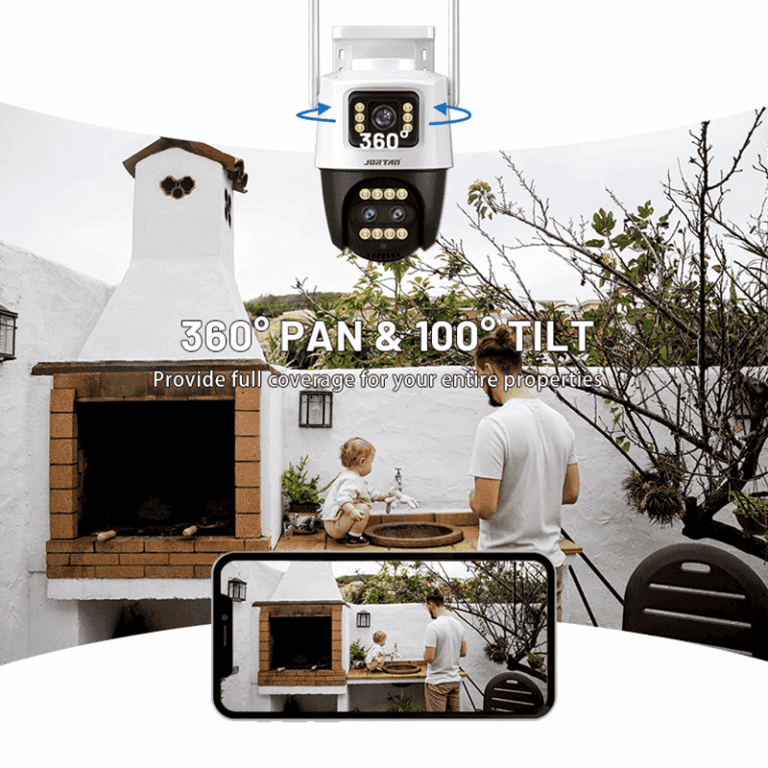
Why Camera Placement and Field of View Are Critical for Full Coverage
One key thing to check first is how your land is arranged. Various spots for watching need special kinds of lenses and views. Identify the areas that need to be monitored. First, you need to determine the area you need to monitor: indoors, at the entrance, or outdoors? Different areas require different types of surveillance cameras. For broad paths to your garage or big open spaces, a camera that has a wide-view lens helps a lot. It reduces spots you cannot see. But these lenses can sometimes bend things a little at the sides, making shapes look odd near the edges. So, when you choose, think about that small issue to get the best setup for your needs.
The level where you fix the camera affects how it does its job too. People suggest putting it at least 3.5 meters high for outside spots. This gives the best watch over the area and keeps it safe from people trying to mess with it. For cameras installed outdoors, if they can be attached to a building, use the corresponding mounting bracket for installation. If there is no suitable building for attachment, a special video surveillance pole is required. And the installation height should be no less than 3.5 m. Following these steps ensures your camera stays secure and covers what matters most.
How Do Weather Resistance and Build Quality Affect Long-Term Performance?
Places outside can get really rough on gear. Water from rain, ice from snow, bits of dirt, and very hot days or freezing nights can all harm how the camera runs if you do not deal with them right. Pick tools that score IP65 or more to block water and dirt well. The camera must meet IP66 protection to prevent the ingress of rain and dust. With that level, your device can face storms and dry spells without trouble.
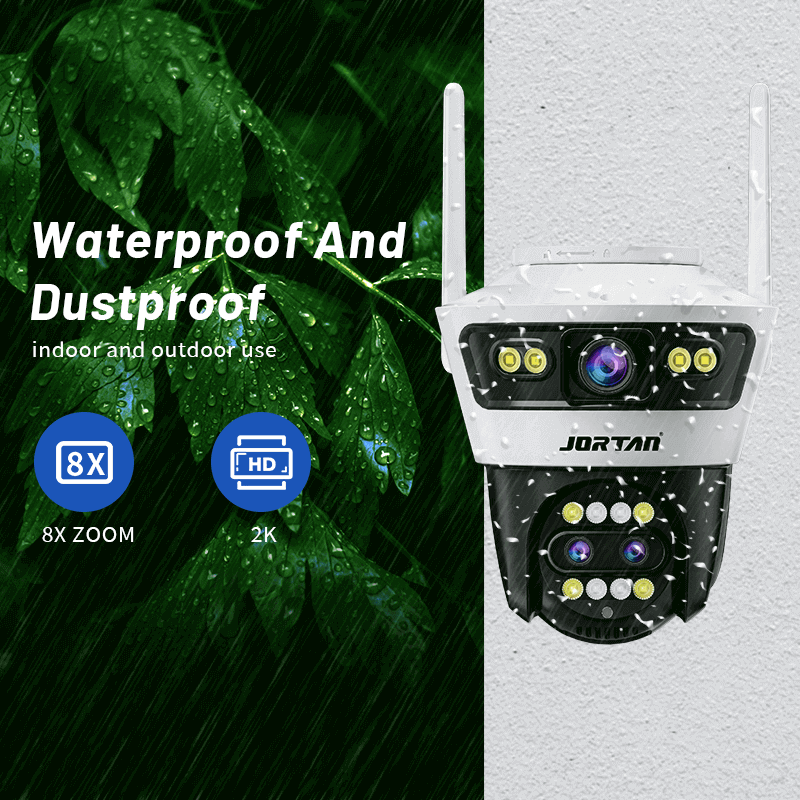
What the camera is made from counts a bunch as well. Boxes of metal or strong plastic stand up to bumps and rust much better than low-priced ones. Plus, how it deals with hot and cold should fit the weather where you live. This way, it avoids breaking down when seasons change a lot. Choosing right here means your camera lasts years without big problems.
How Important Are Video Resolution and Image Quality for Outdoor Surveillance?
Getting sharp videos means more than just nice pictures; it helps spot folks, cars, and strange actions in the spots you watch. Clear images let you see details that matter for safety.
What Resolution Should You Look for to Capture Clear Details?
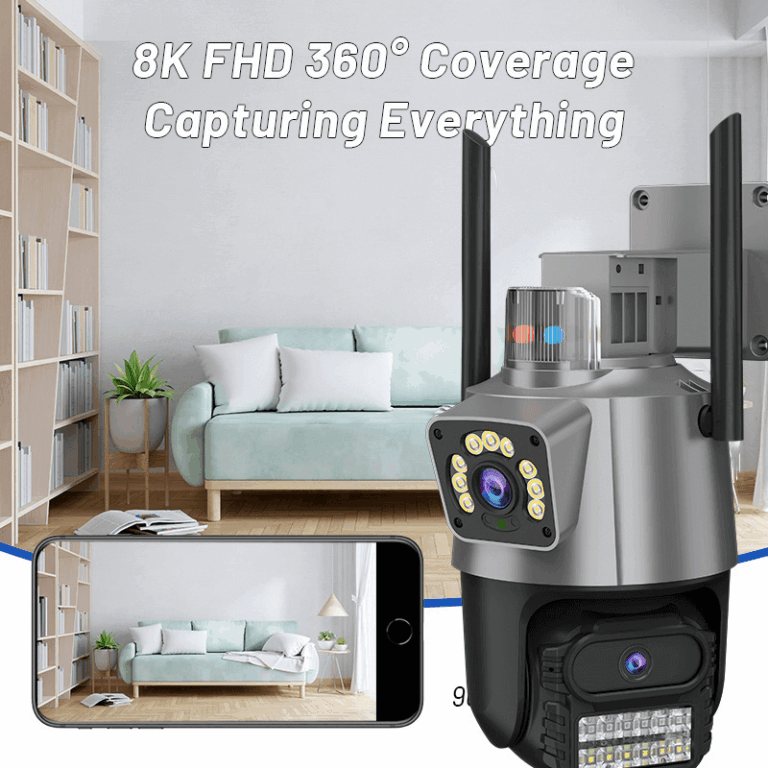
A 1080p level works okay for everyday looks, but going to 2K or 4K gives much clearer views for jobs like checking car tags or knowing faces from far off. Currently, cameras on the market have a minimum resolution of 2 megapixels (1080p). Higher resolutions include 3 megapixels (1296p), 4 megapixels (2K quality), and 5 megapixels (3K quality). And even higher still, 8 megapixels (4K quality). These options make sure you catch every small part in your recordings.
Going for a bigger resolution costs more, both in space to save files and in how much data it uses on your line. So, think about those parts based on what you need and what your setup can handle. Balancing this keeps things practical for long-term use.
Does Night Vision Technology Vary Between Models?
Yes, it changes quite a bit. Most types use lights from infrared LEDs to light up dark places, but how far they reach and how clear the pictures are can be very different. Some better models give night views in color. They do this by using light around them or lights built right in.
The tech called Smart IR stops too much light when things get close to the lens. It changes the infrared light strength as needed, which makes night pictures sharper without any bright spots washing them out. This feature really helps when you need to see well after dark.
Are Motion Detection and Alerts Really That Useful?
Warnings that come right away rank as top parts for active home safety, mainly when you are not there. They keep you in the loop on what happens outside.
How Can Motion Detection Reduce False Alarms and Improve Response Time?
New motion spotting goes beyond just any move; it looks for moves that mean something. Cameras that let you set zones for action help skip spots with usual safe shifts, like trees waving or cars driving past. You can tweak these to fit your yard perfectly.
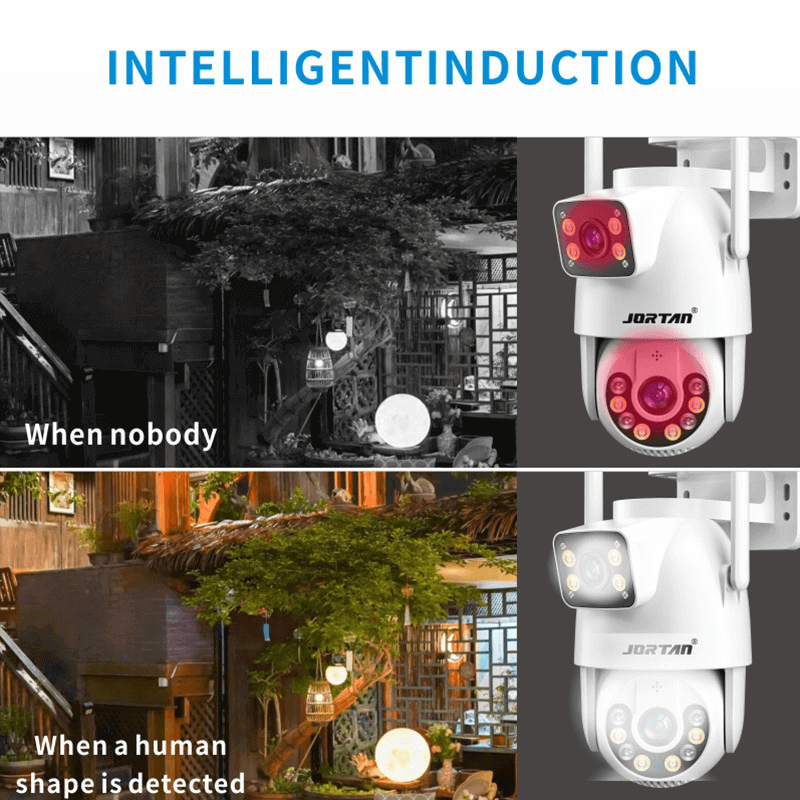
Systems that are more up-to-date use AI to tell apart people from pets and trucks. This cuts down wrong warnings by a good amount. At the same time, it makes sure you get news fast when real issues pop up.
Should Your Camera Integrate With Other Smart Home Systems?
Linking to your smart home plan can lift how things work overall. Take motion starts, for example; they can switch on outside lamps or start buzzers. Fitting with voice helpers lets you see live views with one easy order. Meanwhile, main apps pull all your tools into a simple spot to handle everything from one place. This setup saves time and makes control smooth.
What Role Does Storage Play in Your Security Strategy?
No good storage means even great videos go to waste. You have to choose between saving on-site or using cloud ways, or blending both for the best results. Each path has its own benefits to think about.
Is Cloud Storage Better Than Local Storage for Outdoor Cameras?
Saving in the cloud gives you ways to check from anywhere and back up files on their own. But it usually asks for fees each month. On-site saving, like with SD cards or NVRs, skips those bills and keeps things more private. However, it has less room to hold stuff.
Lots of new systems mix the two by saving on your device and sending key parts to the cloud for extra copies. Consider using a companion app or software to remotely access and manage your camera. This combo offers safety without too much hassle or cost.
How Much Footage Retention Do You Actually Need?
What you need comes from how you record and how busy the spot is. Saving only when motion happens saves room over recording all the time. In places with a lot going on, shoot for space that keeps at least a week’s worth. Tools that replace old clips keep it going without you deleting by hand. Picking the right amount fits your daily life and keeps records useful.
Can Installation and Power Supply Affect Camera Performance?
A camera set up well runs steadier and stays safer from meddling or stops. Good planning here pays off in the long run for your whole system.
Should You Choose Wired, Battery-Powered, or Solar-Powered Cameras?
Every way to power has its give and take.
- Wired cameras give steady juice but need pros to put them in.
- Battery-powered ones go up easy but call for charges often.
- Solar-powered camerasfit far-off spots with no plugs. Solar cell surveillance cameras offer triple innovations: energy self-sufficiency, network security, and intelligent defense.
Some solar kinds now have better battery packs that hold out up to 15 days with no sun. Weighing these helps match your spot and how much work you want to do.
What Installation Factors Impact Reliability and Security?
Fixing it safely at the right height blocks bad acts like breaking or taking it. Pick cable handling that fights weather to skip signal mix-ups or harm from being out. Think about Wi-Fi power where you put it too, as weak links cause slow videos or lost warnings. Power and signal connections for outdoor cameras must be collected outdoors and terminated in a dedicated waterproof box. Covering these bases makes your setup strong and dependable every day.
Is It Worth Investing in Advanced Features Like Two-Way Audio or AI Detection?
Past the basic watch jobs, extra tools can boost how easy it is to use and how well it guards. They add layers that make your home safer without much extra effort.
How Does Two-Way Audio Enhance Your Outdoor Surveillance Setup?
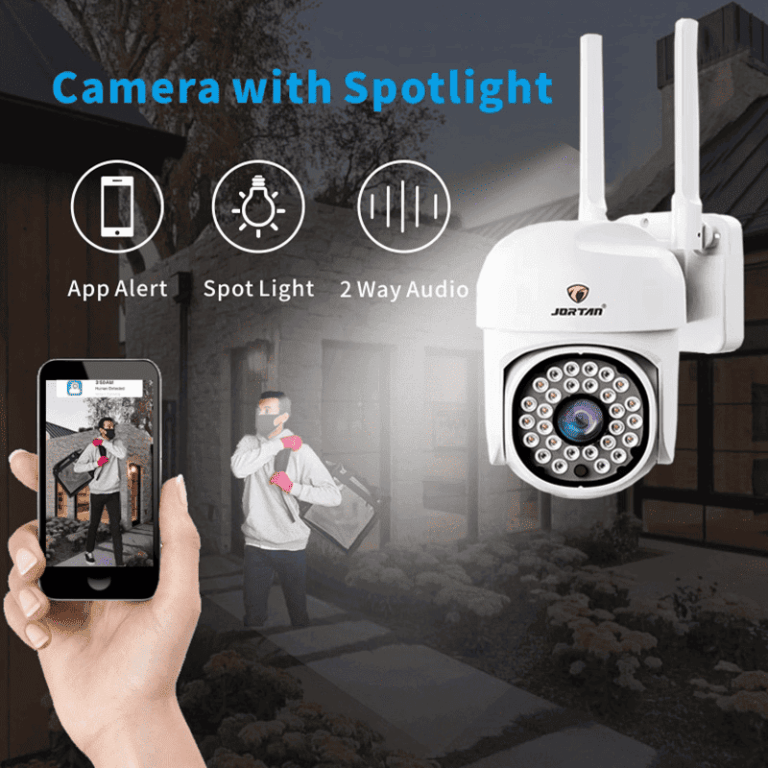
Sound that goes both ways lets you talk straight to people coming by, like helping a mail carrier or chasing off someone odd. It also helps run door spots without you being right there. This keeps things under control from afar.
The part brings ease and a clear stop sign too; anyone coming close knows someone watches them live. It turns your camera into an active helper, not just a quiet watcher.
Can AI-Driven Features Improve Both Security Effectiveness and User Experience?
Tools based on AI, like knowing faces, let cameras split family from unknowns. This drops too many alerts that tire you out. Spots for action focus watch on key areas such as doors or car spots. Spotting boxes works great if packages come often. These smart bits make alerts sharper and life simpler.
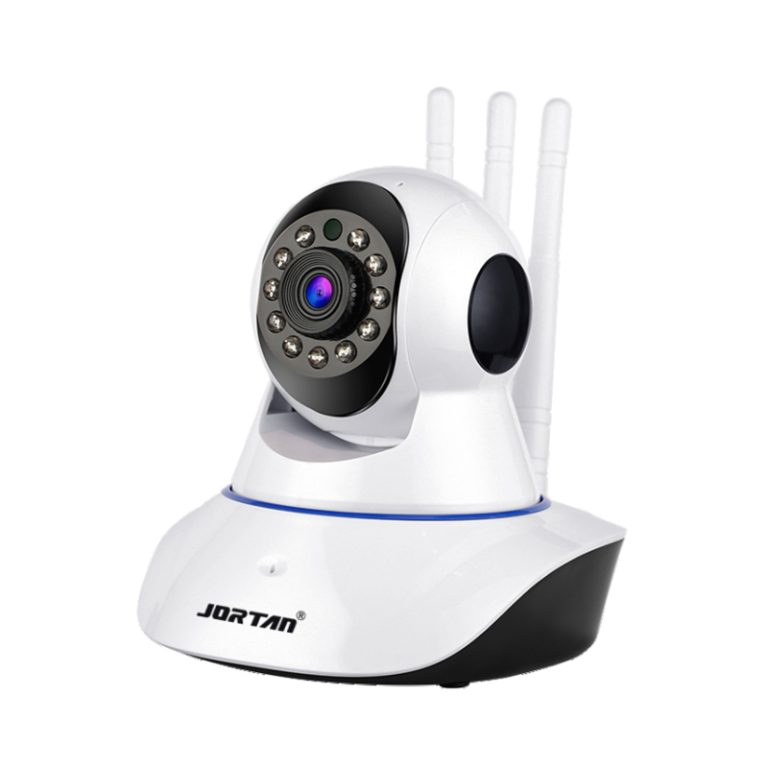
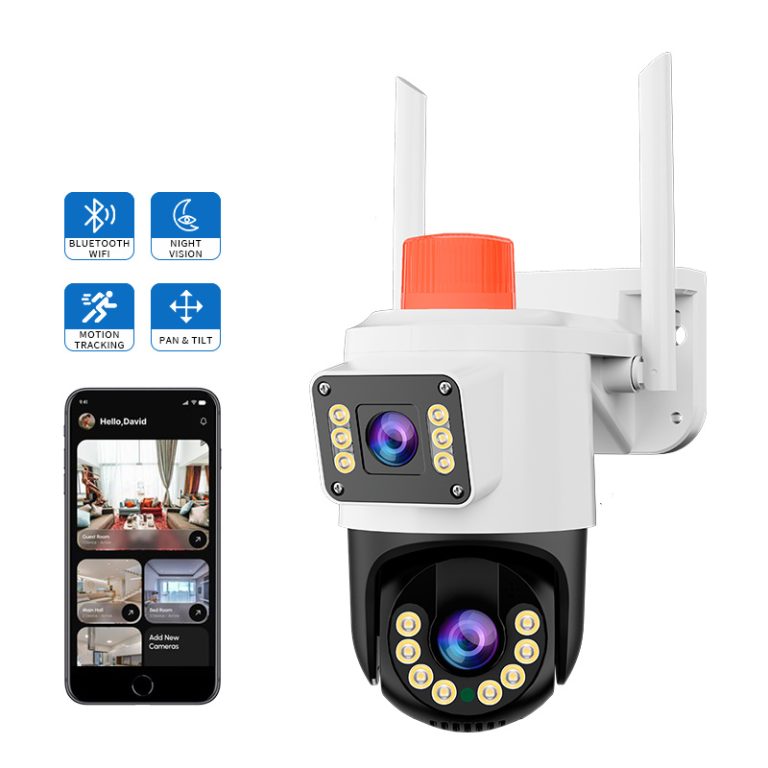
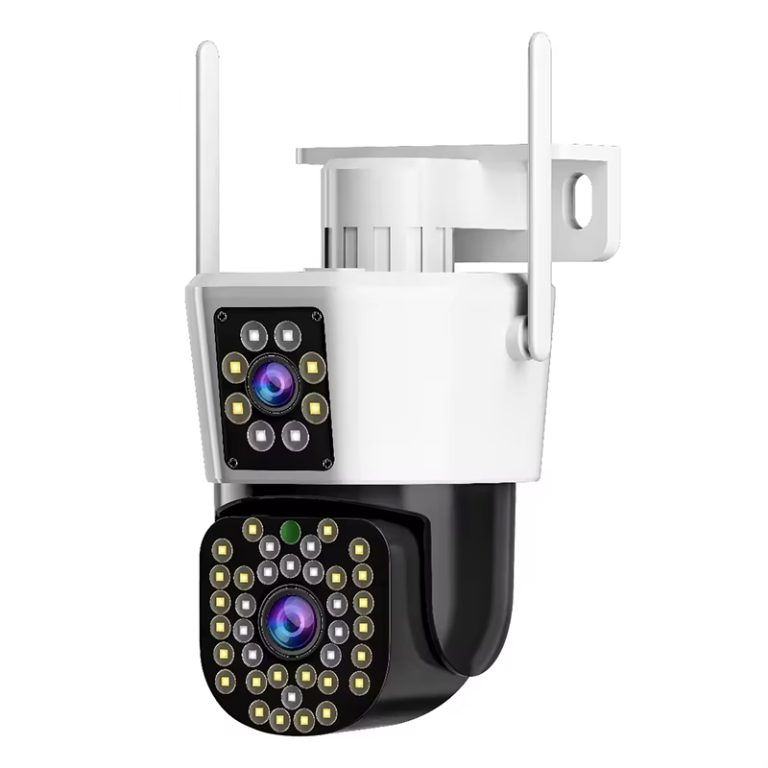
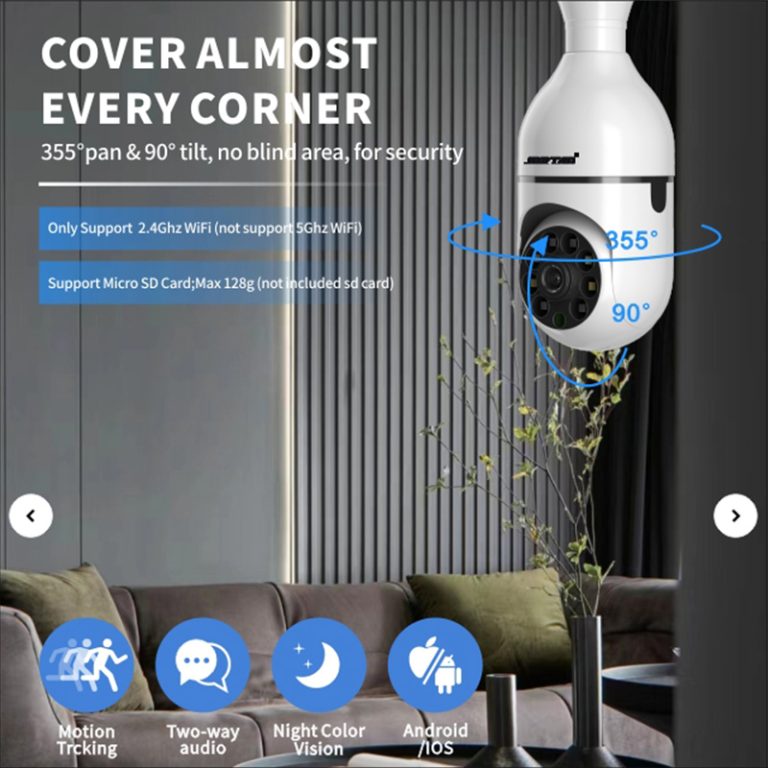
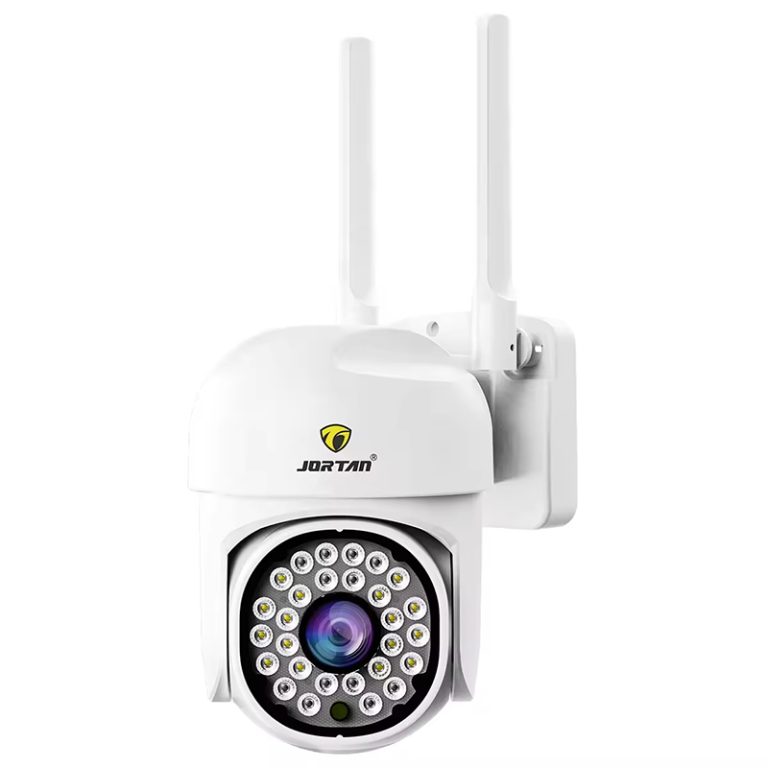
If you’re looking for an outdoor security solution that incorporates many of these features while remaining user-friendly, consider Jortan. Known for their professional-grade lineup tailored for modern surveillance needs, they combine weatherproof construction with intelligent motion detection, high-resolution video support, and flexible storage options. Their products stand out for blending tough builds with easy smart functions that fit busy lives.
FAQ
Q: Do I need a subscription to use cloud storage with most outdoor cameras?
A: Not always. Some models offer free limited cloud storage plans; others require monthly fees for extended history or advanced features. Check what each brand gives to match your budget.
Q: Will my outdoor camera still work during power outages?
A: Battery-powered or solar-charged models will continue operating during outages. Wired cameras may shut down unless connected to a backup power source. Picking the right type keeps you covered no matter what.
Q: Can outdoor security cameras be hacked easily?
A: With proper encryption protocols (like WPA2) and strong passwords, modern security cameras are difficult to hack. Regular firmware updates also enhance protection. Staying on top of these steps locks things down tight.