Outdoor wireless IP cameras rely a lot on their exact spots and setup in the network area. The position influences signal steadiness, coverage effectiveness, and the precision of warnings in everyday situations. Explaining these elements early builds a solid base before looking at particular arrangement plans.
Why Does Strategic Placement Matter for Your Outdoor Wireless IP Cameras?
Outdoor watching systems work at their peak only when each camera gets put up with a clear plan. Choices about where to place them impact both the sharpness of videos and the firmness of network sending. You must match the physical spots with weather surroundings and wireless reach to create a setup that stays trustworthy and safe.
Poor Camera Positioning Often Leads to Coverage Gaps and Signal Loss—How Can You Avoid This?
Before you fix your camera IP wireless exterior units in place, it is vital to study the land features of your land. Wrong spots—like pointing at a wall, putting them too near the ground, or overlooking hidden areas—can make your spending useless. Start by drawing a map of risky spots such as doorways, walkways, and storage spots. The watching coverage needs to focus on these places while keeping a clear, straight view between the devices and connection points.
The height of mounting counts too. Put cameras 8–10 feet up from the ground to get the best mix of view range and safety from damage or harm. Do not set cameras right next to shiny surfaces or swaying plants, as these might cause wrong movement warnings and hurt video clearness.
How Does Wireless Signal Strength Affect Outdoor Camera Performance?
Wireless IP cameras depend on solid and steady signals. The farther away from a connection point or router, the higher the chance of delays, lost data packets, or breaks in connection. Barriers like solid walls, iron barriers, and thick trees can greatly weaken the sending quality. Wireless standard: IEEE 802.11b, 802.11g, 802.11n; Frequency range: 2.4 GHz ~ 2.4835 GHz; Security: 64/128-bit WEP, WPA/WPA2, WPA-PSK/WPA2-PSK—understanding this lets you arrange the wireless setup keeping these limits in view.
Place connection points or outdoor-safe boosters in smart locations to keep data flow strong. Think about types with two-band options or outside antennas for improved reach over big lands.
What Role Does Network Architecture Play in Outdoor Surveillance Success?
The way cameras get arranged and signals get spread out shapes how dependable your watching system stays as time goes on. Whether you cover a large farm area or a setup with many buildings like a storage complex, the network build must cut down on disruptions and boost data speed.
Should You Use a Point-to-Point or Mesh Network for Your Exterior Camera Setup?
Picking the correct build relies on your surroundings. Point-to-point networks suit straight-line clear setups where gaps are wide but open—for example, from a safety gate to a main room. Yet, if you work in a spot with lots of blocks—such as barriers, fences, or dense plants—a mesh network adds backup by letting signals jump from one point to another.
Small wireless watching works in places like offices, plants, storage areas, and similar sites. It uses full and slim access points as the main hub and links with current wired setups to send videos. This idea fits outdoors too, as long as you adjust it with weatherproof connection points.
How Do You Ensure Seamless Connectivity Between Cameras and the Central System?
Employ aimed antennas for far-reaching focus and cut down on signal waste into unneeded areas. In spots where signals weaken from weather blocks or far distances, boosters can fill the space. Moreover, keep your watching network apart from usual web traffic—particularly in spots with heavy data use—to lower shakes and crowds.
For setups with several buildings or wide lands where digging for wires is not possible, try the Outdoor Wireless Bridge Kit to link IP cameras over distances without messing up the base structure.
Where Should You Install Power Sources and Mounting Hardware Outdoors?
You can trust your watching system only if its power setup is steady and the parts are made to handle tough weather. From far-off sheds to edge fences, power options often decide where cameras can truly get placed.
What Power Options Are Most Reliable for Wireless Exterior IP Cameras?
Power over Ethernet (PoE) works great for mixing power and data in one line—yet it needs guarding covers outside to stop weather harm. In far spots without power lines, sun-powered units give freedom but must fit the needs for times with little sun.
Battery-run cameras allow for full wireless links, which look nice and shift easily. They help a lot in areas without wire setups or short-term watching needs. Still, pair them with low-energy plans and battery care systems to make sure they last long.
Adding an extra battery setup guards against power cuts, so even in bad weather or line breaks, your wireless exterior IP camera system keeps going.
Which Mounting Surfaces Provide the Most Stability and Long-Term Durability?
Fix cameras on iron poles or stone walls for top strength in build. Iron poles ought to have shake-reducing parts, mainly in breezy areas. Stone walls fit well if the holds resist rust and stay dry.
Stay away from raw wood areas—they might bend or decay as years pass unless you cover them with weather-safe layers.
How Can You Optimize Field of View Without Compromising Network Stability?
A camera’s lens spread changes how much space it covers—and how much data it sends. Matching the sight range with network work makes sure your videos help without loading down your system’s data limit.
What Lens Angles Suit Different Outdoor Scenarios Best?
Broad lenses (90°–120°) fit open spaces like lots for cars or yard areas where getting the big picture matters over small details. For spots that need better spotting—like gates or spots for deliveries—a tighter lens (30°–60°) gives sharper details per picture point.
Lens choices: 2.1 mm, 6 mm, 8 mm, 3.25 mm – 88 mm, and 2.8 ~ 12 mm offer a bend when picking the right sight range. If you face changing spots such as load areas or turning paths for vehicles, look at cameras with moving zoom lenses that change with what happens.
How Does Camera Placement Affect Bandwidth Consumption?
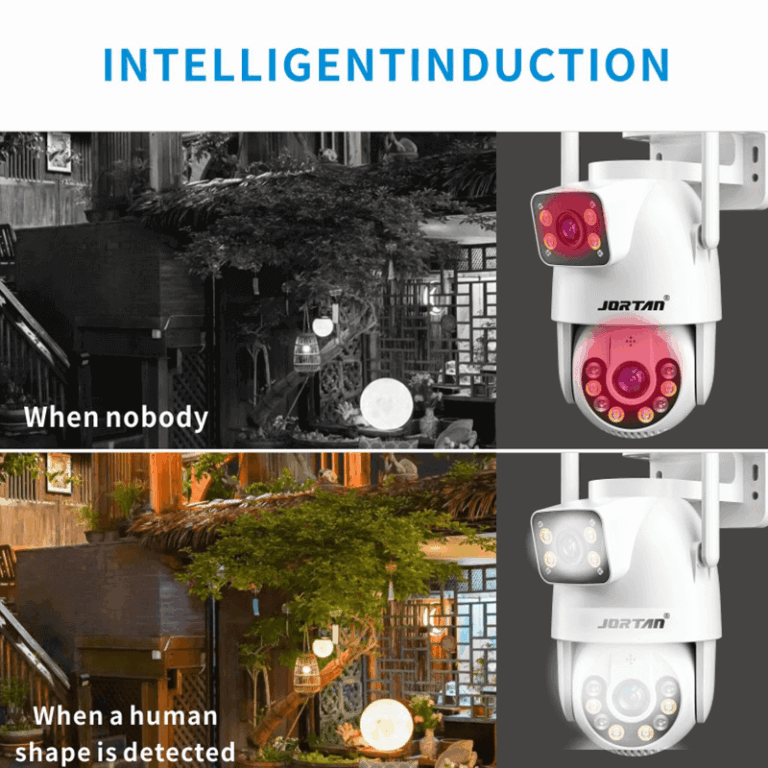
More movement means more sending—and more use of data space. Do not put cameras straight at roads with steady traffic or trees that move in the wind unless it is key for safety. Use areas that spot motion to limit saving to real actions only.
The code stream can change from 0.1 m to 1010 mbps; the rate can shift from 1 to 30/sec. Pick ways to squeeze video like H.265 that pack data well without losing sharpness.
What Tools Help You Monitor Performance Over Time?
To keep an outdoor watching system strong, steady checks matter a lot. Changes in weather and parts getting old can weaken work if you do not catch them soon.
How Do You Track Signal Quality and Device Uptime in Real-Time?
Watching boards show you details on each part’s running time, signal power, and trends in lost packets. Set auto warnings to tell you if a camera stops or if delays go over safe points. Updates to the base software are key too—they fix weak spots and better the part actions over time.
Support one-click wireless pairing to wireless NVR, wireless touch screen, and base station (gateway). This makes setup simple while letting you watch everything from one place through phone apps or web pages.
Why Should Environmental Factors Be Checked Seasonally?
Shifts in weather can move the fixes in place or hurt seals around power parts. Cold times might bring water drops inside covers; hot spells can weaken battery work.
Operating Temperature and Humidity: -10℃ ~ 50℃, Humidity < 95% (No Condensation)—knowing these bounds helps pick the right cover for harsh spots.
Do checks by season after big storms or hot times to make sure parts stay in line and keep water out.
Which Products Can Simplify Deployment While Ensuring Reliability?
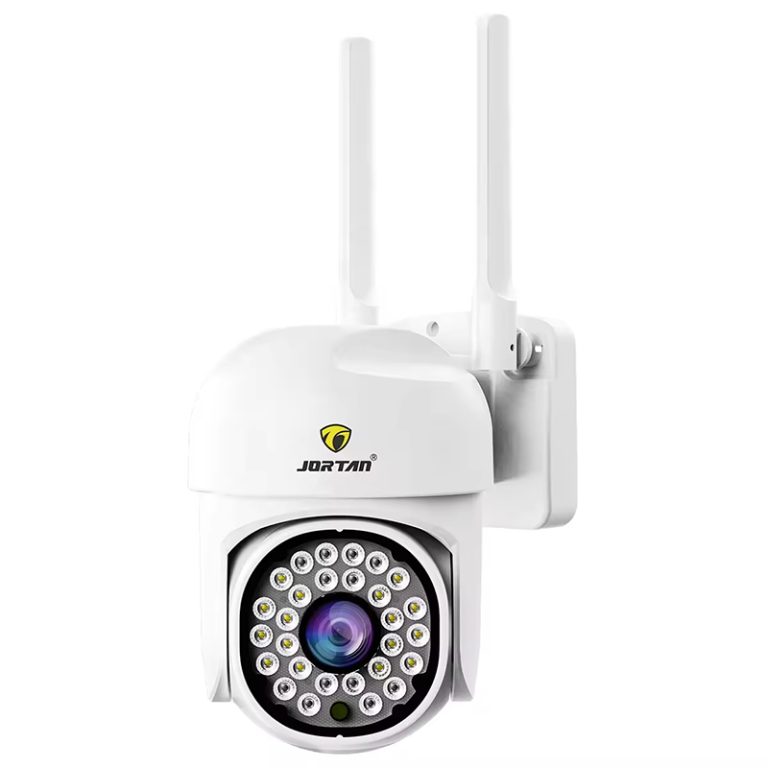
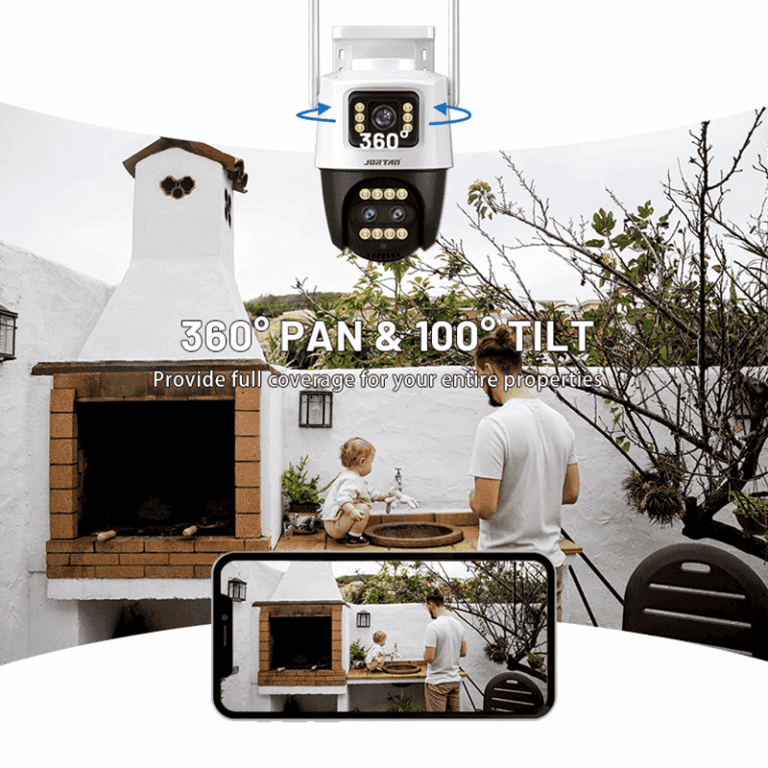
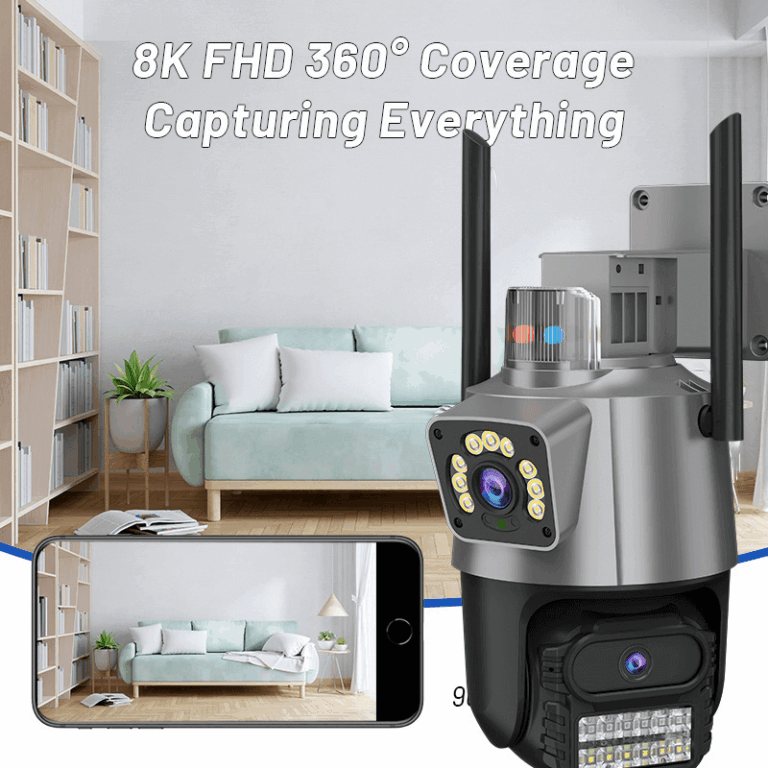
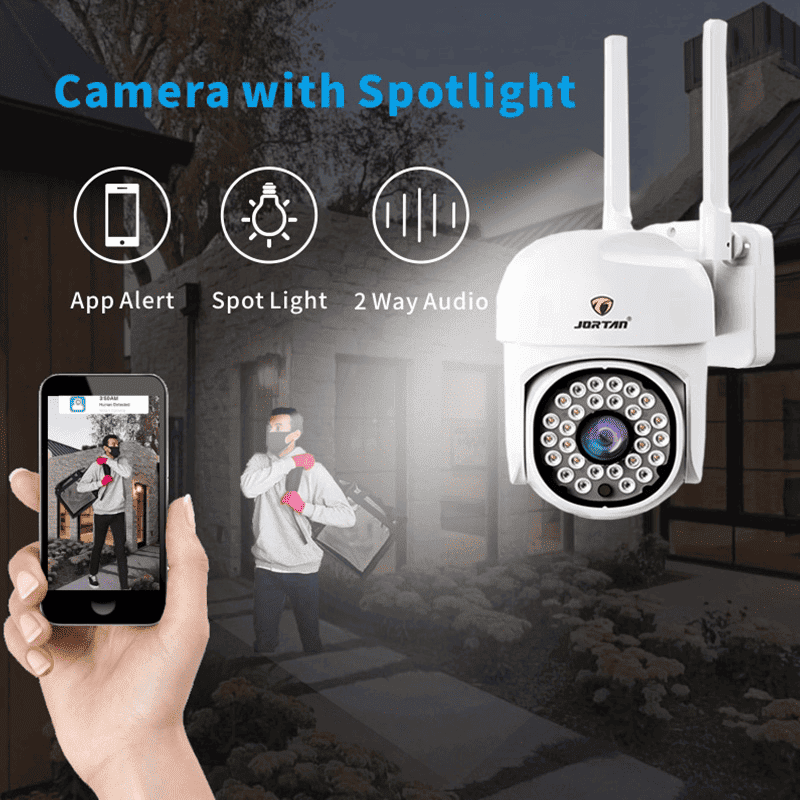
When choosing parts for outdoor jobs with camera IP wireless exterior setups, you seek steadiness without hard work. Jortan’s Wireless Exterior IP Camera Solutions are made for tough spots with easy-to-use traits like smart auto-linking and far-sending powers.
Their two-band links cut down on mix-ups, while changing data speed control keeps top video quality even when network states shift. Whether you guard a storage edge or a plant gate, these setups give room to grow that fits safety workers.
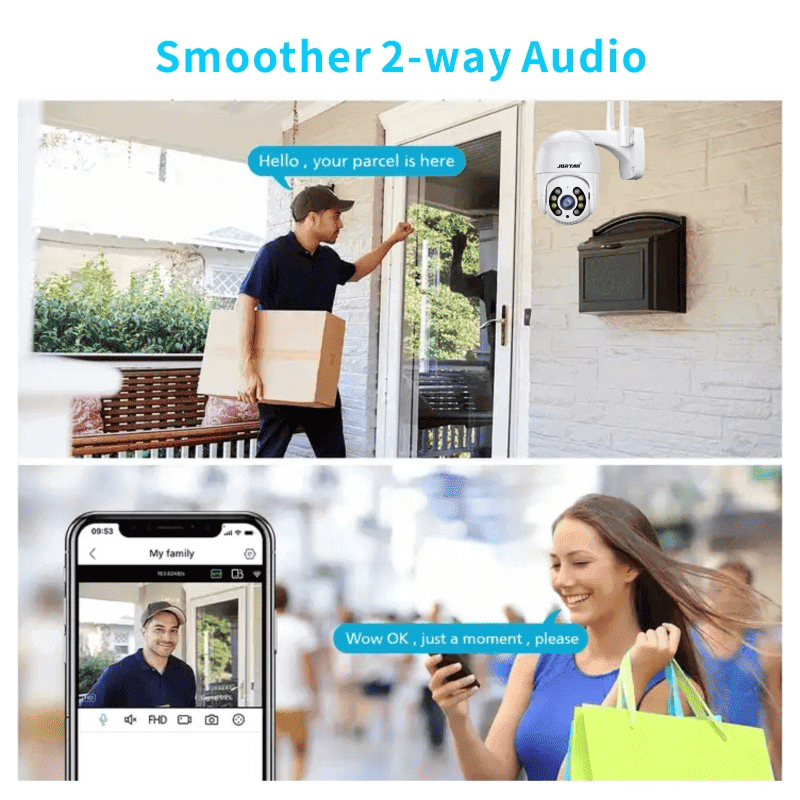
By mixing clever works with strong builds—and adding choices like talk-back sound links or PTZ control—you lower work costs and fix up issues while running.
FAQ
Q: Can I install wireless exterior IP cameras without drilling into walls?
A: Yes, many models support non-invasive mounting options such as strap brackets on poles or trees—ideal for preserving building integrity.
Q: How far can a wireless IP camera transmit video outdoors?
A: With clear line-of-sight conditions and proper antennas, some systems can transmit up to 1 km; however, obstacles like trees or walls will reduce this distance significantly.
Q: Do I need internet access at all camera locations?
A: Not necessarily—if using point-to-point bridges or local NVRs, video can be transmitted across nodes without requiring internet at each device location.