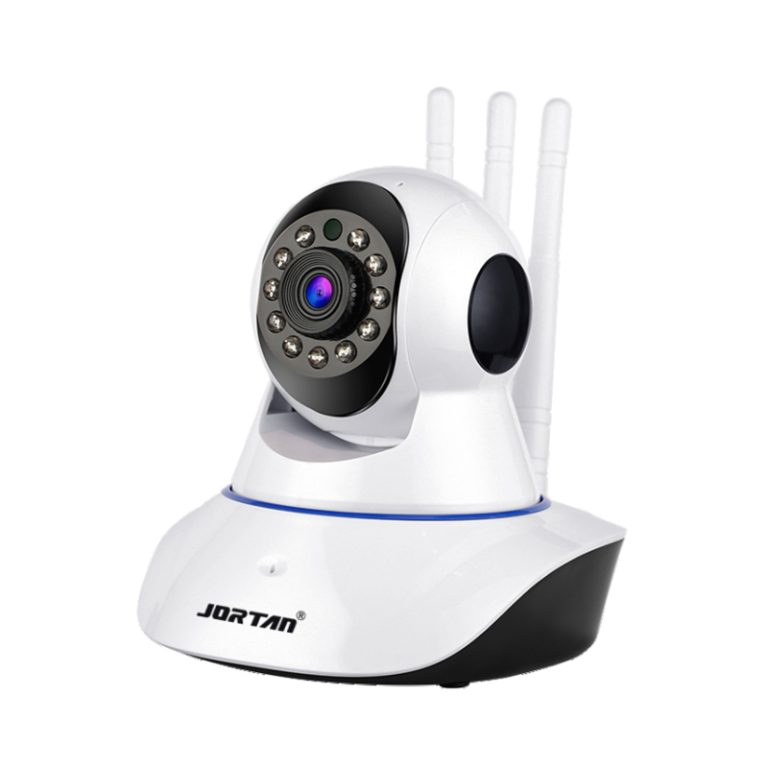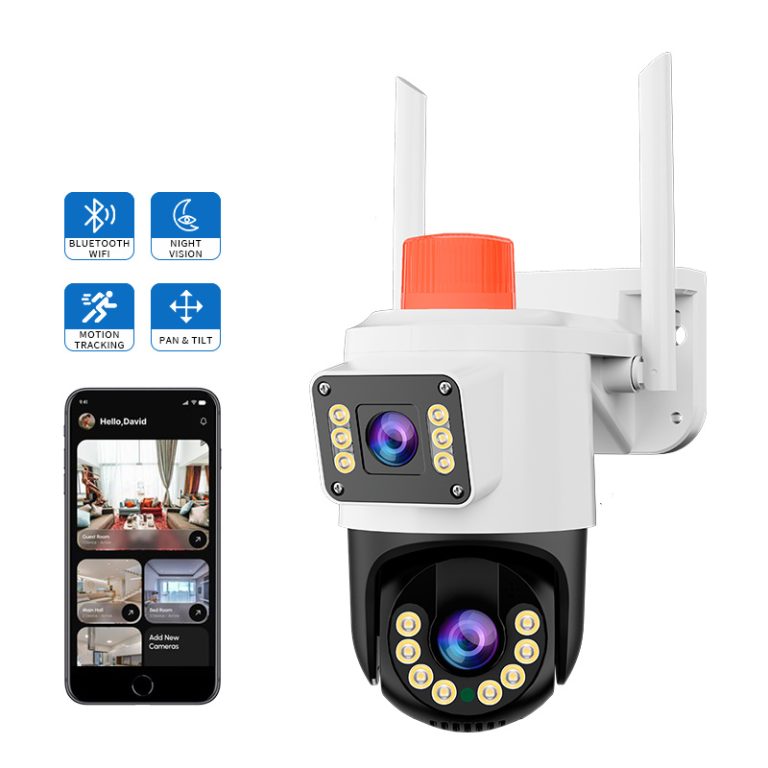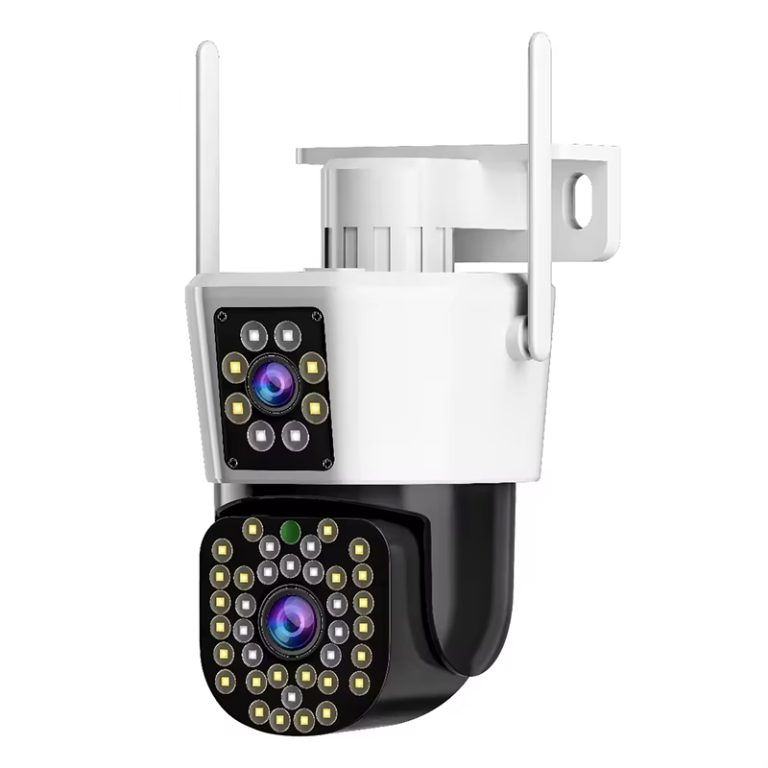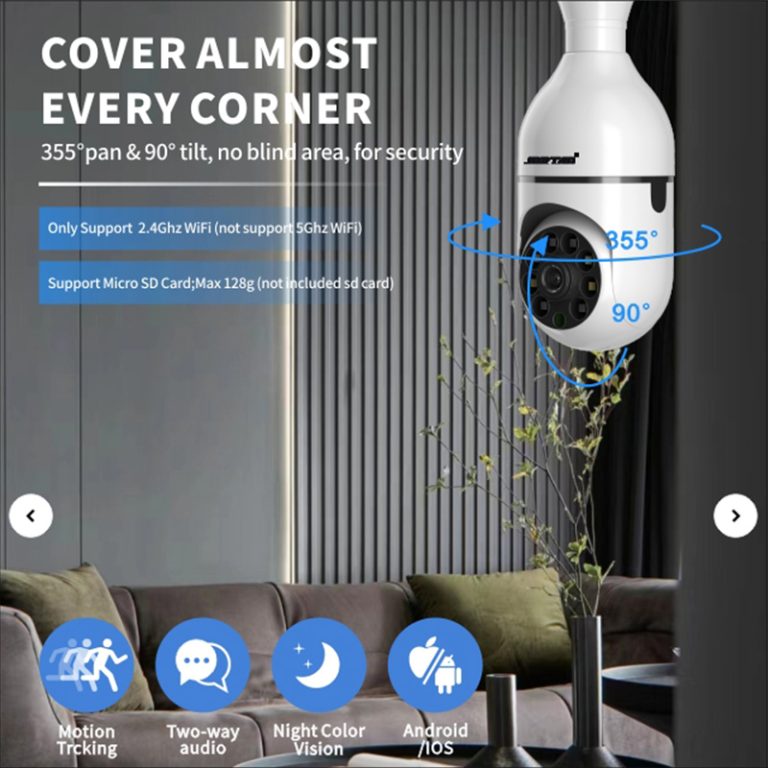
As we step into 2026, the world of surveillance tech is shifting fast. Think about how agent-based AI, like those advanced models from NVIDIA’s Nemotron series wrapping up in late 2025, is turning simple recording devices into smart thinkers that make choices on their own. NVR security camera systems and DVR security systems now do more than just capture footage—they analyze it in real time. But with global trade hitting over $35 trillion last year, new tariff hikes of 20% to 30% on imports are shaking things up for wholesalers and security camera manufacturers. These changes push costs higher, making smart sourcing a must. For folks in the security field, picking between NVR and DVR isn’t just about features anymore. Let’s dive into what this means for your business or home security.
AI Revolution Is Cementing NVR Market Dominance
NVR systems are grabbing the spotlight in 2026, thanks to AI that acts more like a helpful partner than a basic tool. Unlike older setups, these systems process data right where it’s captured, making decisions quicker and smarter. This edge gives NVR an upper hand over DVR in handling complex security tasks.
Intelligent Edge Processing
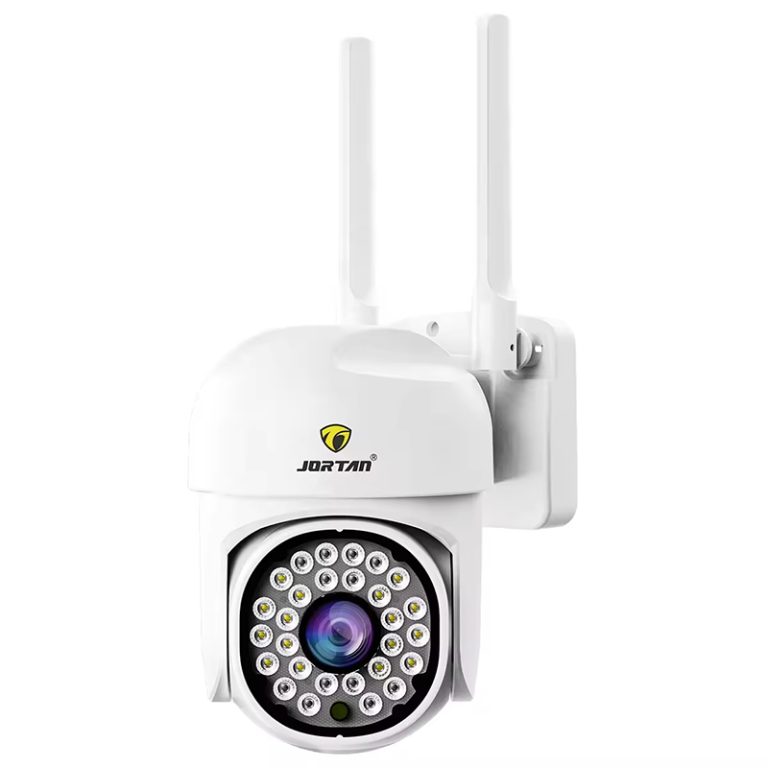
Edge processing in NVR security camera systems means crunching data on the device itself, not sending everything to a far-off server. This cuts down delays and boosts response times. For example, IP cameras linked to an NVR can spot unusual movements instantly, triggering alerts without lag. Reports from industry leaders predict that by 2026, over 70% of new surveillance installs will rely on this tech for better accuracy. Security camera manufacturers, including Jortan, are building this into their products. Take the Jortan camera line—the JT-8276-8PXM model supports ONVIF protocols, letting it work smoothly with various IP cameras. It’s not just about watching; it’s about reacting fast to keep places safe. Wholesalers see this as a game-changer, especially when tariffs make every efficiency count. In tests, edge AI has reduced false alarms by up to 50%, saving time and resources for users.
Shifting from basic detection, NVRs now tie into bigger virtual models that mirror real-world spaces. This connection opens doors to planning and testing security without real risks. As AI gets more integrated, digital twins become a natural next step for advanced surveillance, blending data from multiple sources into one cohesive view.
Seamless Digital Twin Integration
Digital twins create virtual copies of physical spaces, and in NVR systems, they pull in live feeds from IP cameras to simulate scenarios. This tech, as noted by Axis Communications, lets city planners or business owners test security layouts virtually. Imagine a warehouse where the twin spots are weak points in coverage— that’s the power here. Studies show digital twins can improve response times by 40%, drawing from sensors and IoT devices. Security camera manufacturers like Jortan make this easy with compatible hardware; their NVR packages support wireless protocols, ensuring smooth data flow. For wholesalers facing trade pressures, picking NVR with twin support means offering clients tools that adapt to 2026’s demands.
Beyond mirroring spaces, NVRs are stepping up with tools that look ahead. Predictive features use past data to guess future events, turning passive watching into active prevention. This evolution fits perfectly with agentic AI, where systems don’t just record but anticipate needs based on patterns. In conclusion, it builds on edge processing and twins, creating a full circle of smart security that DVR struggles to match.
Autonomous Predictive Analytics
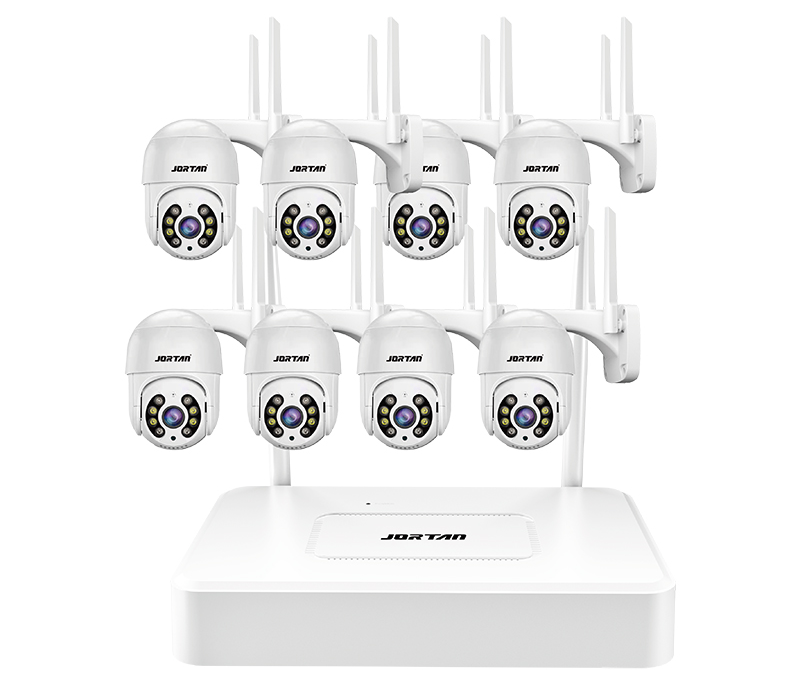
Predictive analytics in NVR lets the system forecast issues, like spotting potential break-ins from unusual patterns. By 2026, as per Reolink’s CES previews, over 60% of AI cameras will include this, analyzing footage autonomously. NVR security camera systems shine here, processing high-res data from IP cameras without constant human input. Jortan, as one of the security camera manufacturers pushing boundaries, embeds this in their NVR Jortan lineup—the JT-8276-8PXM handles 8 channels with AI-ready features like motion detection. For users, this means fewer missed threats and more peace of mind. Unlike DVR, which often needs manual reviews, NVR runs these checks on its own.
Re-adjust Sourcing Strategies to Hedge Trade Risks
With tariffs climbing, wholesalers can’t stick to old ways. NVR and DVR choices now factor in supply chain smarts, where picking reliable partners like security camera manufacturers from stable regions matters. This realignment helps dodge cost spikes and keeps stock flowing.
Building Tariff-Aware Supply Chains
Tariff-aware chains mean mapping out suppliers to avoid high-duty zones. The WTO forecasts global trade growth dipping to 0.5% in 2026 due to these hikes, so wholesalers are shifting to local or low-tariff sources. For DVR security systems and NVR security camera systems, this could mean sourcing from places like China but with backups in Vietnam. Jortan, based in Zhejiang, offers a steady supply with OEM options, helping buffer against 25% tariff jumps on electronics. Real cases show companies saving 15% by diversifying—think rerouting parts for IP cameras.
As tariffs reshape maps, wholesalers eye growth spots less hit by duties. High-growth regions offer fresh markets and safer sourcing. This ties into broader strategies, where blending tech like NVR with regional perks creates resilient plans.
Strategic Sourcing for High-Growth Regions
Market reports indicate that surveillance demand in high-growth regions like Southeast Asia is increasing by 20% annually. Wholesalers are sourcing NVR systems from these regions to circumvent US-China tariff barriers and capitalize on this market opportunity. However, careful selection of high-quality suppliers is crucial. Jortan, a leading Chinese manufacturer of security cameras, boasts its own production chain and large factories, exporting its products to over 100 countries worldwide and earning consistent praise from domestic and international partners. Therefore, a reliable brand is destined to stand out in regional sourcing. In short, it combines technology with a well-known brand, strengthening the supply chain and helping businesses navigate the uncertainties of 2026 with guaranteed quality and worry-free products.
GaN Technology Is Slashing Operational Power Costs
Power costs bite into surveillance budgets, but GaN changes that. This material amps up efficiency in NVR and DVR, cutting bills where it counts.
- GaN Powered Energy Efficiency: GaN devices handle power better, reducing loss by 80% in converters, as TI reports. In surveillance, this means IP cameras and NVR systems run cooler with less energy. Jortan integrates similar tech in their setups, like the JT-8276-8PXM‘s efficient PoE. Real savings: a system might drop from 50W to 30W daily.
- Lowering Total Cost of Ownership: Ownership costs include energy, maintenance, and upgrades. GaN cuts these by boosting density—smaller units mean cheaper shipping. For DVR security systems, this could save 20% over five years. Jortan’s models, with GaN-like efficiency, support this; the 6115AHD-8 runs at low power, fitting budgets.
Traditional DVR Security Systems Still Hold Value
DVR isn’t fading—it’s key for affordable security. In 2026, it complements NVR for mixed needs.

- Cost-Effective High Definition Analog: HD analog in DVR delivers clear footage at a low cost. Systems like Jortan DVR hit 2MP without breaking banks, supporting formats like AHD. Avigilon notes DVR suits budgets, with installs 30% cheaper than NVR. Upgrading without new wires keeps the DVR relevant. Retrofitting uses existing cables. This bridges to cost talk, where ease saves money.
- Retrofitting Success Without Recabling: No recabling means plug-and-play upgrades. Jortan’s 6115AHD-8 works with old coax, adding HD without digs. Cases show 40% time savings on installs.
- Hybrid Flexibility for Gradual Upgrades: Hybrids let DVR handle analog while easing into NVR. Jortan supports this with multi-format DVR, up to 8 channels. Users save 25% by phasing in.
Conclusion
In summary, 2026 will see a new battleground in the surveillance industry, pitting artificial intelligence, technological superiority, and energy efficiency against each other. Network video recorders (NVRs) dominate the high-end market, such as government projects, while digital video recorders (DVRs) dominate everyday sales and upgrades. As a leading manufacturer of security cameras, Jortan recommends combining NVR and DVR packages to meet diverse needs. For more information on security cameras, contact Jortan at kingjin@safejortan.com.cn for tailored advice—our team can guide you to stay ahead in this ever-evolving market.