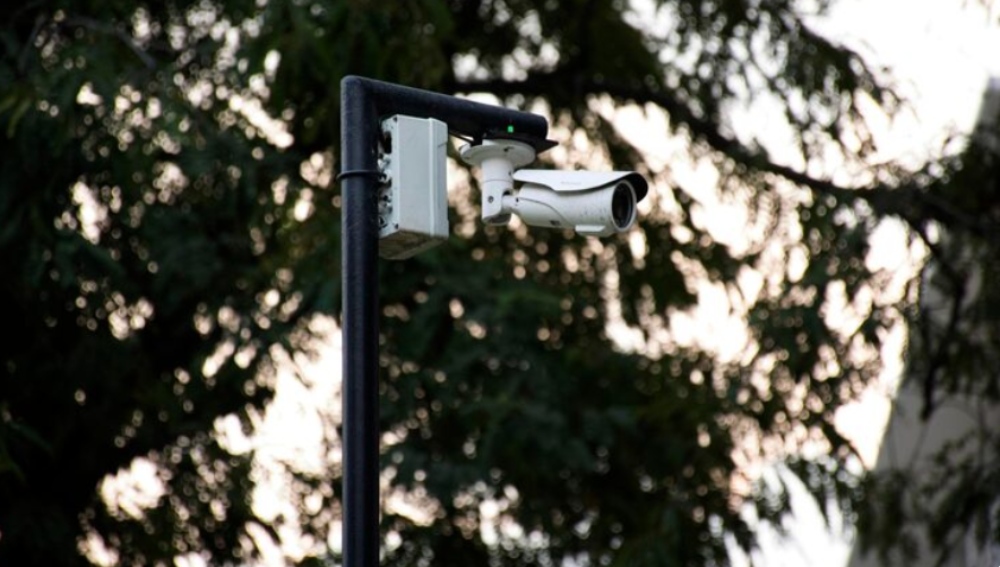
In outdoor wireless camera systems, image sharpness and advanced detection features frequently receive the most attention, but sustained functional stability relies equally upon consistent network performance. Unstable WiFi connections result in postponed notifications, interrupted video capture, and diminished recognition precision, particularly in outdoor scenes where radio conditions are naturally more variable.
Preserving strong WiFi performance, therefore, is an integrated system requirement instead of merely the upgrading of single equipment. It can be achieved by the coordination among signal propagation characteristics, overall network structure, device transmission patterns, energy management approaches, and continuous upkeep activities.
This article explores practical methods for establishing and preserving dependable wireless connectivity specifically suited to real outdoor wireless camera installations.
Why Do Outdoor Wireless Cameras Commonly Suffer from Unstable WiFi Connections?
Outdoor installation makes wireless equipment exposed to limitations seldom present in interior environments. These influences accumulate gradually and exert a direct impact upon transmission consistency.
How Do Distance and Physical Obstacles Weaken Signal Quality?
Radio signal strength diminishes quickly as separation increases, especially whenever cameras sit considerable distances from primary routers or access points. Structural barriers, including brickwork, metallic fencing, concrete reinforcements, and thick plant growth, either absorb or scatter electromagnetic waves. Partial blockages alone suffice to disrupt signal trajectories, producing inconsistent data rates instead of total link failure. Across extended ranges, interference in the Fresnel zone additionally compromises signal quality, resulting in variable response times and repeated packet resending.
Why Does Environmental Interference Increase Packet Loss?
Outdoor environments generate considerable electrical noise. Nearby electrical cables, operating machinery, lighting systems, and wireless networks introduce competing electromagnetic signals across shared frequency bands. Weather conditions, including heavy rain or high moisture levels, further attenuate signal power. Combined effects increase packet discard rates, compelling devices to re-transmit information and raising overall bandwidth consumption.
How Does Network Architecture Affect Outdoor Camera Connectivity?
Strong device specifications cannot overcome fundamentally flawed network organization. Structural choices largely determine whether wireless performance remains dependable during active usage periods.
Why Is Router Placement More Important Than Router Power?
Elevating broadcast strength fails to compensate adequately for suboptimal positioning. Routers situated indoors at lower heights frequently produce unreliable outdoor reach because of signal blockage effects. Strategic placement nearer exterior boundaries, elevated above ground level, and directed toward coverage zones yields markedly steadier signals compared with merely amplifying transmission output.
When Should WiFi Extenders or Mesh Systems Be Used?
Supplementary extenders and mesh node systems are necessary once the required coverage exceed the capabilities of individual routers. Mesh architectures demonstrate particular effectiveness outdoors through smooth transitions between connection points, thereby minimizing disruptions as cameras associate with the closest available nodes. Careful frequency allocation avoids channel overlap among devices and prevents internally generated interference.
What Role Do Camera Hardware and Encoding Play in WiFi Stability?
Wireless effectiveness depends not solely on infrastructure quality but equally on efficient data creation and delivery by the camera units themselves.
How Do Antenna Design and RF Sensitivity Influence Connection Strength?
Antennas featuring elevated gain characteristics and carefully tuned radio frequency components enhance reception capability under difficult conditions. Proper directional alignment is equally significant, as incorrect positioning diminishes achievable performance even when measured signal levels appear sufficient. Devices incorporating superior receiver sensitivity sustain connections longer before noticeable data loss emerges.
Why Does Video Encoding Efficiency Reduce Network Load?
Contemporary compression algorithms minimize transmitted data volume while preserving essential visual information. Effective encoding lowers typical data rates and moderates abrupt traffic increases triggered by scene transitions or detected activity. Reduced bandwidth requirements directly enhance wireless reliability through decreased network contention and fewer re-transmission requirements.
How Can Power Supply Choices Impact Wireless Performance?
A stable electrical supply maintains a close relationship with consistent network behavior, especially in outdoor deployments.
Why Are Solar and Battery Systems Sensitive to Network Fluctuations?
Cameras relying upon solar panels or rechargeable batteries continuously adjust power usage patterns. During periods of reduced energy reserves, transmission frequency may decrease, or radio components enter low-power states, thereby increasing reconnection frequency. An unstable network amplifies this situation, resulting in repeated connection attempts under marginal conditions.
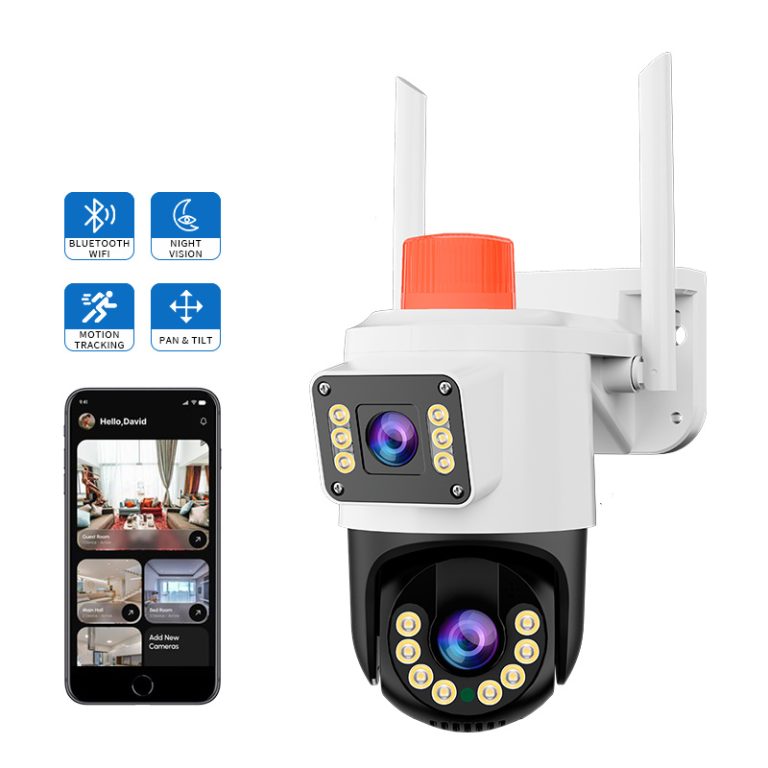
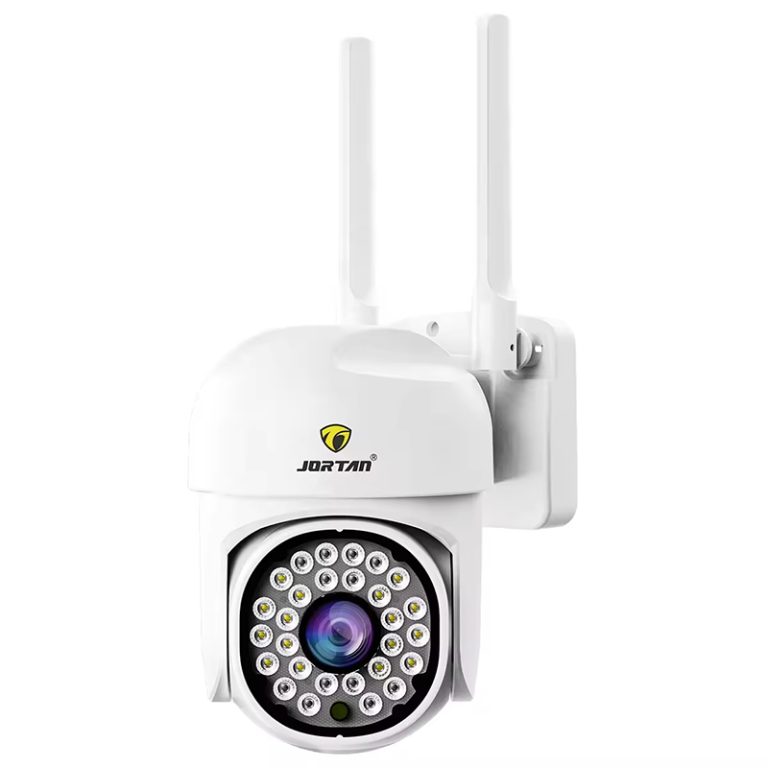
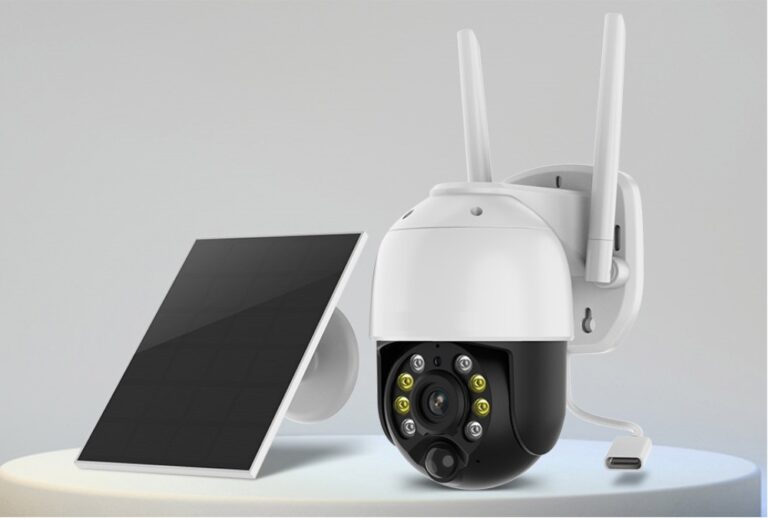
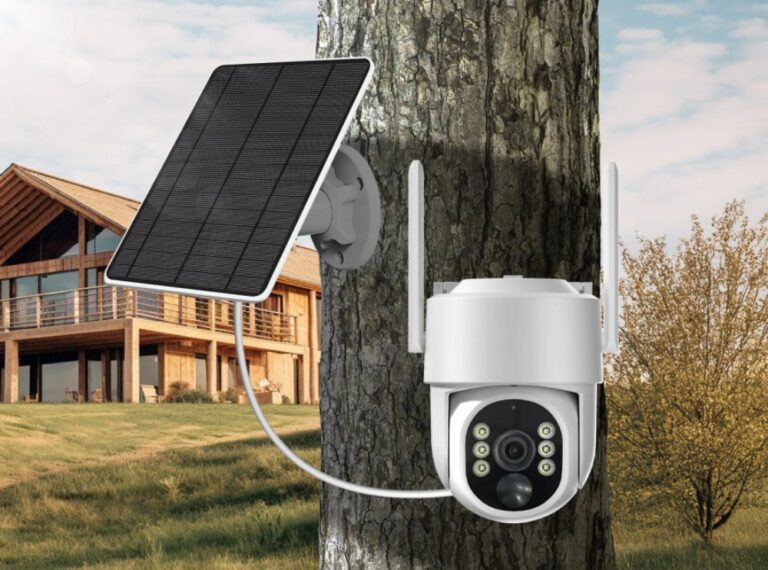
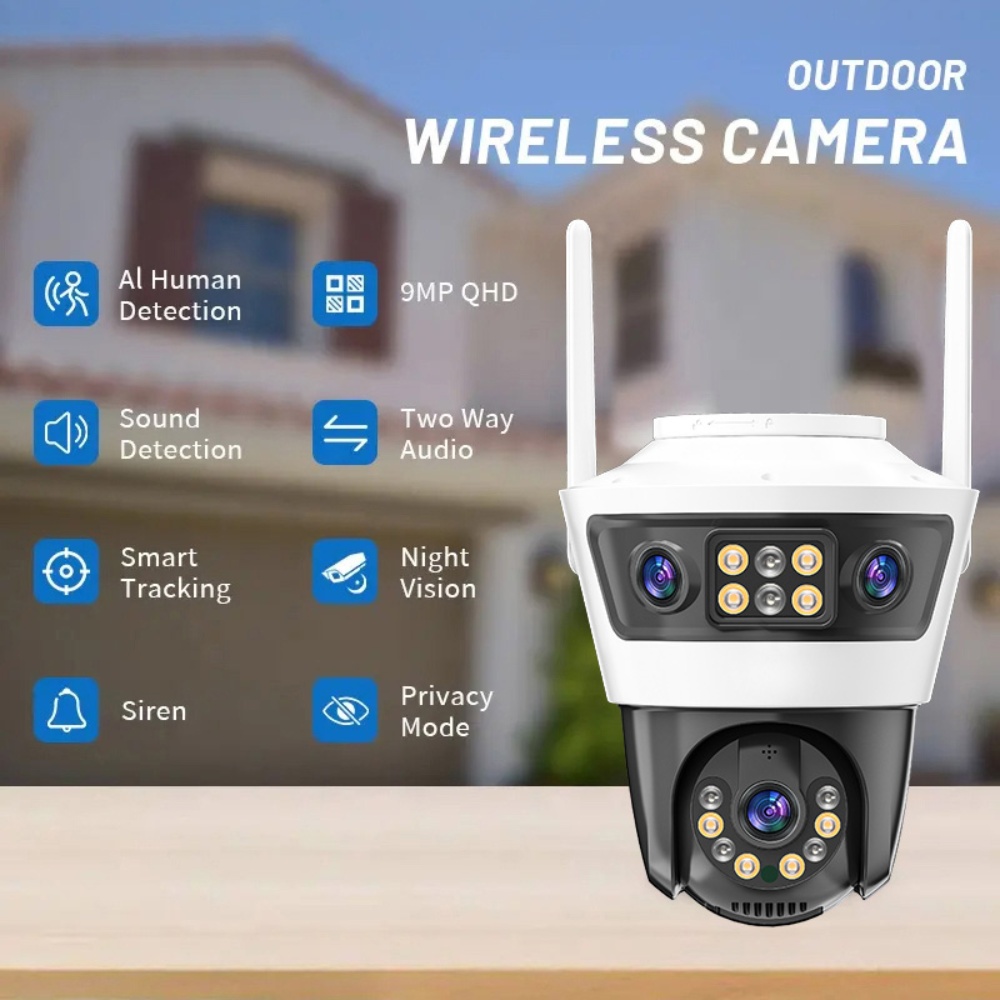
In solar-powered cameras, the coordination of energy management and network performance is essential. The Jortan 6 outdoor WiFi solar camera incorporates balanced artificial intelligence processing, transmission timing adjustments, and power optimization features, thereby minimizing unnecessary activation cycles that often cause disconnections during energy-constrained operation.
How Do Built-In Network Features Improve Reliability in Outdoor Scenarios?
Contemporary outdoor cameras increasingly embed capabilities designed to counteract brief connectivity interruptions.
Why Is AP Hotspot Mode Useful During Network Interruptions?
Activation of access point hotspot functionality permits direct interaction with devices independent of the primary network infrastructure. This feature facilitates local troubleshooting, parameter adjustment, and limited-range monitoring whenever conventional connectivity becomes unavailable. Although unsuitable as a permanent remote access replacement, it maintains basic visibility during temporary service disruptions.
How Does Intelligent Reconnection Reduce Downtime?
Sophisticated reconnection mechanisms enable devices to automatically search available channels, complete authentication procedures, and restore streaming operations without requiring manual intervention. Continuous session management substantially shortens recovery periods after momentary signal interruptions commonly experienced in outdoor wireless environments.
Who Supports Stable Wireless Camera Design at the Manufacturing Level?
Connection consistency tends to come from product development stages well before physical deployment, rather than solely relying on the installation circumstances.
Why Does Integrated R&D and Manufacturing Matter?
Producers possessing radio frequency technology, software refinement, and assembly standards address wireless performance concerns systematically rather than through subsequent remedies.
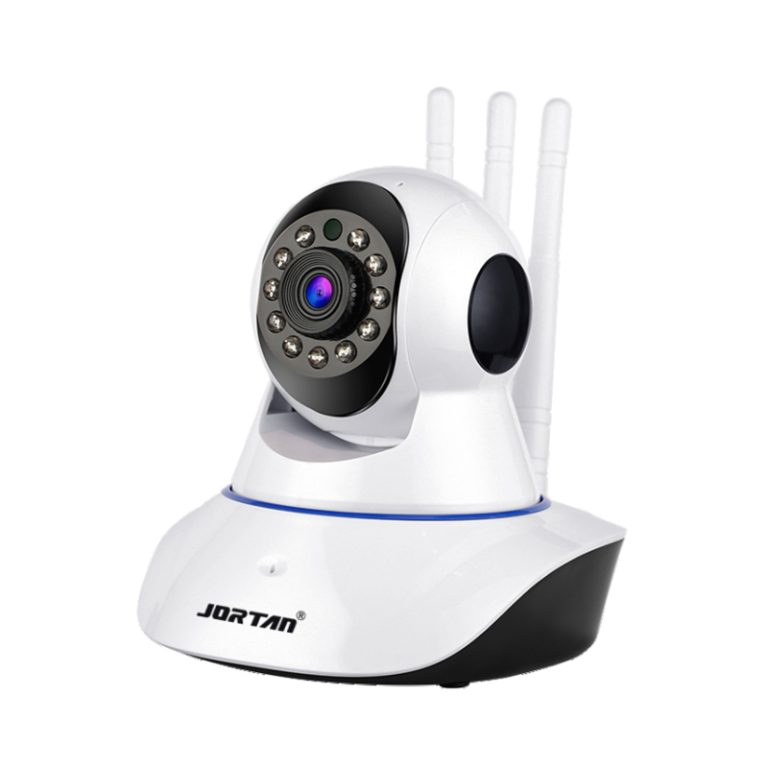
In the field of outdoor wireless monitoring cameras, Jortan combines product design, R&D, production, and testing throughout our monitoring products. In the stage of design, we emphasize stable signal transmission, optimized data compression, and flexible power utilization patterns, thereby supporting installations subject to variable WiFi conditions arising from separation distances, ambient interference, or climatic exposure. Such a unified method enables installation teams and operators to attain foreseeable, long-term performance instead of repeated network modifications.
How Should You Configure Cameras for Long-Term WiFi Stability?
Appropriate parameter settings ensure that inherent device capabilities convert into practical operational consistency.
Which Network Settings Reduce Disconnections?
The selection of dedicated fixed channels diminishes interference originating from automatic frequency changes. Allocation of priority bandwidth reservations for camera streams reduces competition during periods of heightened network activity. Disabling nonessential background processes additionally preserves available throughput specifically for video delivery.
Why Should Firmware and Network Parameters Be Updated Regularly?
Periodic firmware releases commonly incorporate radio optimizations, protocol enhancements, and corrections addressing reconnection mechanisms. Maintaining current software versions across both cameras and routing equipment ensures continued compatibility with changing network environments while preventing progressive capability degradation.
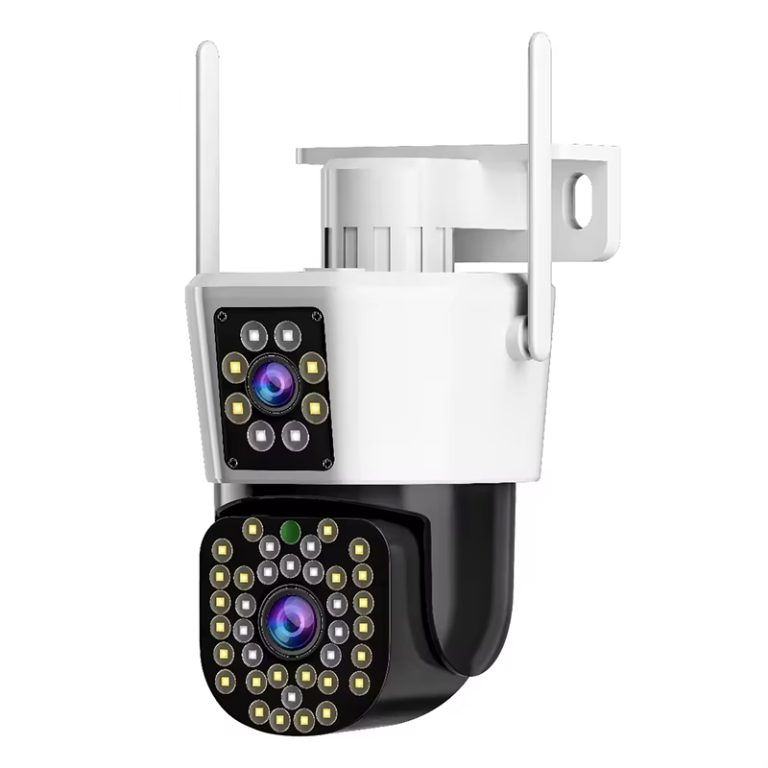
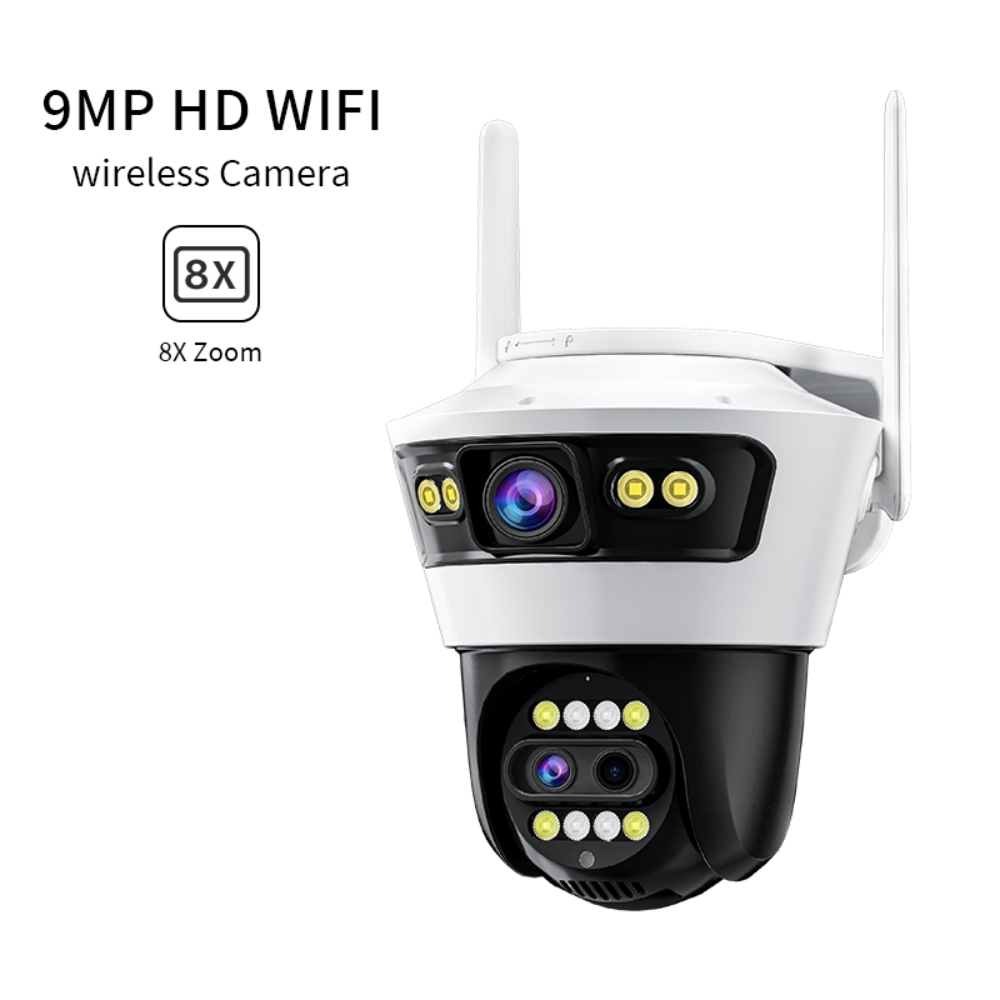
In outdoor monitoring systems that keep working with high resolution output, the Jortan 5 outdoor WiFi IP camera can maintain reliable performance by effective compression techniques and adaptive connectivity management despite high requirements for image.
What Maintenance Practices Prevent Gradual WiFi Degradation?
Wireless capability deteriorates incrementally without an evident breakdown, rendering proactive care indispensable.
How Often Should Signal Quality Be Reassessed?
Evaluation of signal conditions should occur at regular seasonal intervals or following significant environmental modifications such as construction additions or vegetation development. Systematic assessments detect emerging interference patterns prior to noticeable service impact.
Why Does Physical Inspection Still Matter?
Exterior antennas and associated connectors remain constantly exposed to atmospheric stresses. Moisture penetration, surface oxidation, or gradual misalignment directly impair radio frequency effectiveness. Consistent examination and appropriate cleaning activities preserve transmission quality and prolong overall installation durability.
Conclusion
Achieving dependable WiFi performance for outdoor wireless cameras demands comprehensive planning rather than isolated corrections. Consistent operation results from appropriate network organization, efficient device characteristics, carefully balanced energy strategies, and systematic upkeep procedures.
Through proper alignment of these components, outdoor wireless cameras provide steady live monitoring and trustworthy notification capabilities, even in demanding weather circumstances.
FAQs
Q: Can upgrading to a higher-power router alone solve outdoor WiFi instability?
A: No. Strategic router positioning, interference mitigation measures, and camera transmission characteristics hold comparable importance.
Q: Why do outdoor cameras disconnect more frequently at night?
A: Elevated nighttime imaging requirements increase data transmission volumes, while energy conservation transitions and interference sources frequently reach maximum intensity during evening hours.
Q: Is AP hotspot mode suitable for continuous monitoring?
A: This feature serves primarily for temporary access and diagnostic purposes rather than sustained remote monitoring requirements.