Outdoor monitoring is no longer limited to simple perimeter recording. Current property security strategies require devices that can work stably in changing weather, different lighting levels, and unstable network environments, and provide effective alerts and clear recording evidence. In monitoring residential compounds, warehouses, farms, parking areas, or mixed commercial sites, the key to selecting a proper outdoor camera lies in whether it can adapt to the real challenges in various environments.
The guide outlines the practical decision logic behind choosing outdoor security cameras that provide enduring effectiveness and reasonable installation and maintenance demands.
What Security Risks Should Outdoor Cameras Address First?
The comparison of devices should follow a thorough evaluation of potential threats rather than precede it. Monitoring hardware cannot overcome unclear protection priorities.
Which Outdoor Areas Create the Highest Exposure?
Access points for pedestrians and vehicles, concealed corners, loading zones, and material storage locations generally represent the most susceptible sections. Exterior monitoring ought to concentrate initially upon these spots since they encounter both legitimate passage and possible unauthorized entry efforts. Extensive properties commonly experience gaps in coverage, so directing attention toward convergence points of human and vehicular traffic produces more substantial protective outcomes.
How Do Weather and Environment Affect Risk Levels?
Vulnerability rises noticeably during reduced visibility, heavy precipitation, intense direct sunlight, or other circumstances that impair conventional camera effectiveness. Airborne particles, moisture buildup, and temperature swings further influence overall system dependability. Devices engineered specifically for persistent exterior placement preserve consistent functioning despite frequent environmental variations.
How Do Outdoor Conditions Change Camera Performance Requirements?
Exterior-mounted cameras face environmental stresses absent from interior installations.
Why Does Weather Resistance Matter More Than Resolution?
Image detail loses practical value once moisture penetration or particle accumulation compromises optical components over long periods. Outdoor units require elevated protection standards against water ingress and dust accumulation to sustain reliable operation across rainstorms and seasonal transitions. Sturdy enclosure construction prolongs service life while decreasing service frequency.
How Does Temperature Impact Image Stability?
Elevated heat levels frequently introduce additional visual interference and diminish sensor responsiveness, while severe low temperatures sometimes delay activation or impose mechanical strain. Devices featuring thoughtful thermal management maintain steady image quality throughout yearly climate changes, thereby supporting uninterrupted monitoring without requiring frequent adjustments.
What Role Does Night Monitoring Play in Outdoor Security?
The majority of unauthorized access attempts happen under diminished illumination, rendering after-dark capability especially significant.
Which Night Vision Modes Fit Outdoor Scenarios Best?
Infrared illumination guarantees ongoing coverage during complete darkness, while color-capable low-light recording enhances detail when movement triggers supplemental lighting. Context-sensitive mode transitions optimize power usage and visibility, allowing discreet but capable operation. This adaptability enables preservation of important visual information without persistent artificial lighting that could disturb nearby areas.
How Can Lighting Integration Improve Deterrence?
Built-in illumination serves dual purposes by enhancing visibility and actively discouraging questionable behavior. Activation of lights triggered by detected motion, frequently paired with audible warnings, often prevents escalation before any damage occurs. Consequently, monitoring evolves from mere passive documentation toward active prevention measures.
How Important Is Detection Accuracy in Outdoor Environments?
Constant background activity generated by breezes, wildlife, or distant traffic makes precise differentiation particularly necessary outdoors.
Why Does Human Detection Matter Outdoors?
Elementary movement sensing produces overwhelming notification volumes within exterior settings. Recognition specifically targeting human forms effectively eliminates non-relevant disturbances, ensuring notifications align closely with actual incidents. Substantial reduction in unnecessary alerts follows, accompanied by improved response efficiency.
How Does Intelligent Tracking Improve Evidence Quality?
Pursuit mechanisms maintain focus upon subjects in motion throughout the monitored field, thereby retaining essential visual information. Automated following capabilities minimize requirements for manual repositioning and guarantee continued documentation even as activity relocates within observable zones.
How Should You Evaluate Connectivity for Outdoor Cameras?
Consistent data transmission remains essential to guarantee prompt access to both live feeds and stored recordings.
When Is Wireless More Practical Than Wired?
Cable-free installations are advantageous wherever physical wiring involves prohibitive expense or logistical difficulty, particularly across expansive grounds or detached structures. Such arrangements permit straightforward relocation whenever site configurations evolve.
How Does Signal Stability Affect Long-Term Use?
Transmission dependability exerts direct influence upon real-time monitoring quality and recording continuity. Devices accommodating temporary hotspot functionality or combined connection methods preserve protective coverage during temporary network disruptions.
Which Outdoor Camera Designs Match Different Property Types?
Matching structural design to specific placement requirements helps prevent expensive subsequent modifications.
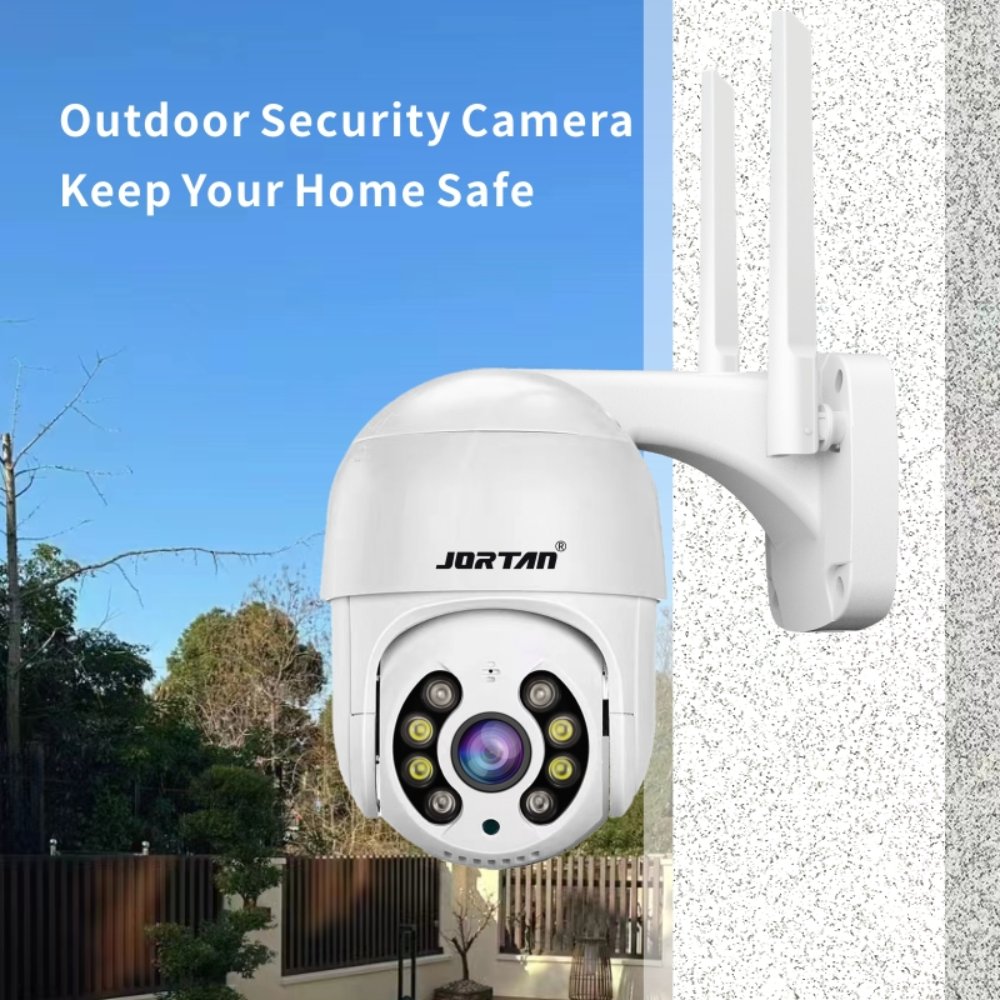
How Does a Wireless Outdoor Camera Support Flexible Deployment?
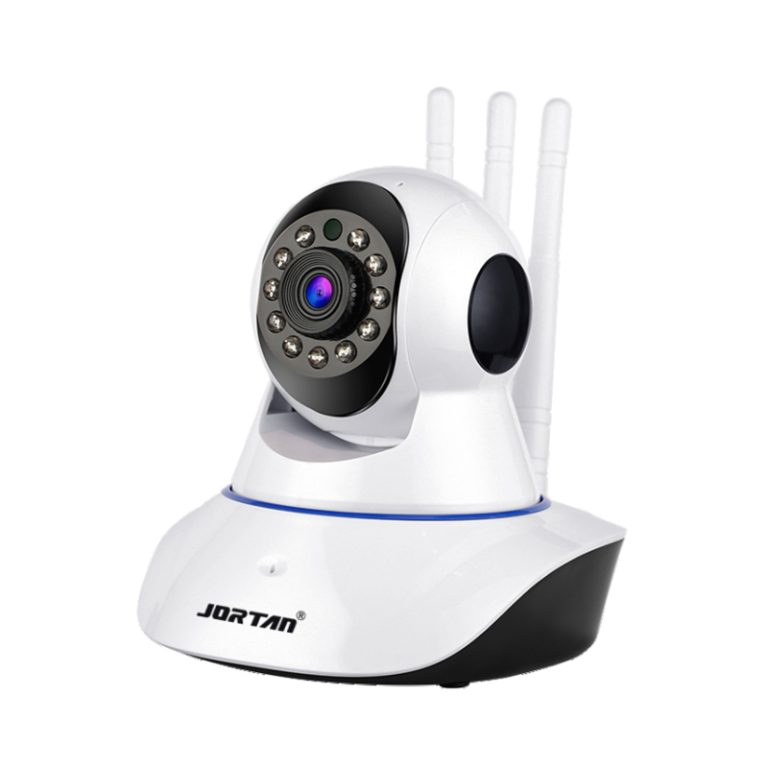
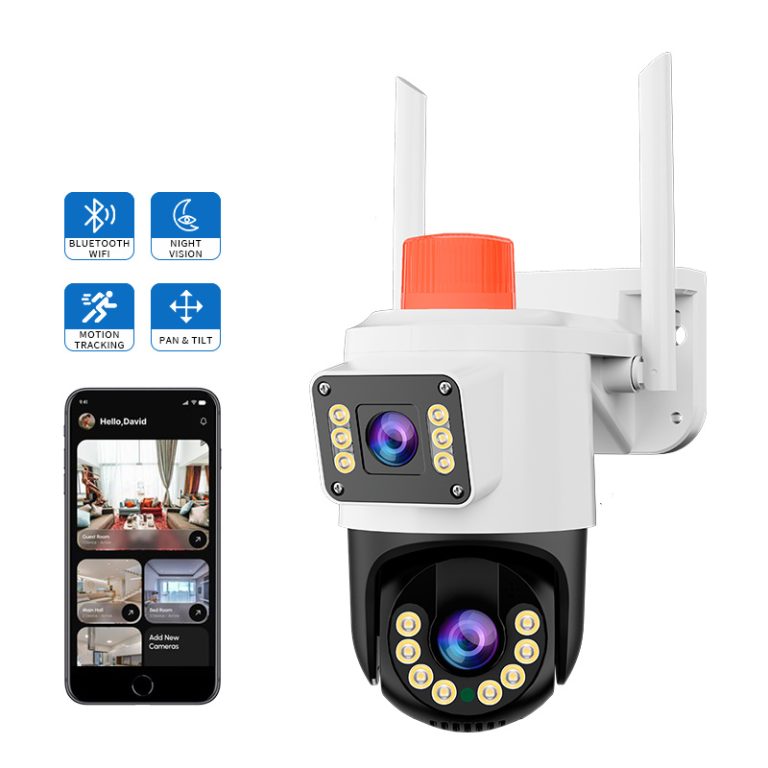
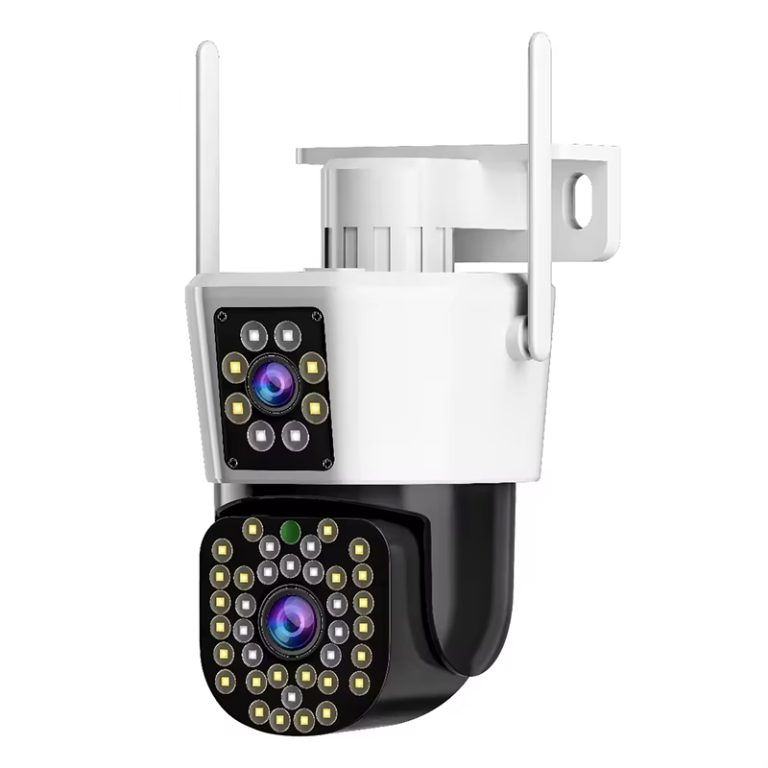
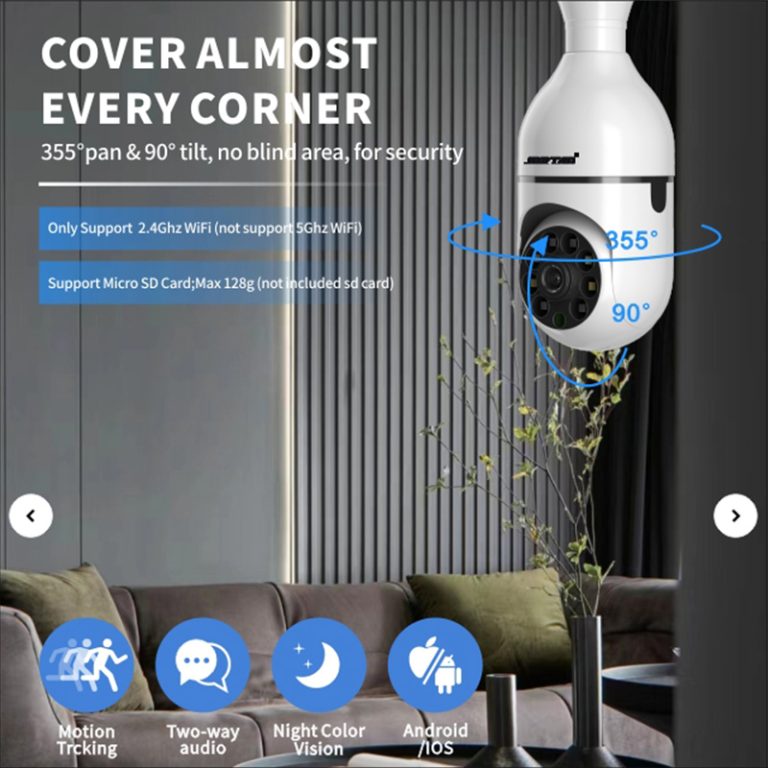
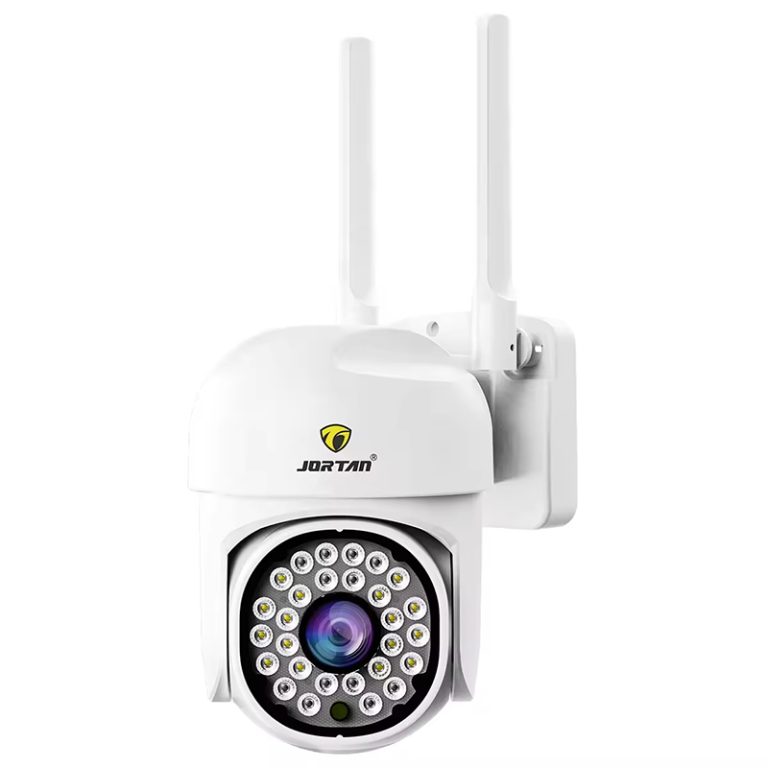
For properties that require adaptable installation without complex wiring, the JT-8176XM outdoor wireless security camera delivers a wide monitoring range and intelligent alerts, so it is suitable for perimeter and yard monitoring. Wireless deployment contributes to the future adjustment and supports the mobile device access and intelligent event detection.
When Does a WiFi-Based Outdoor Camera Perform Better?
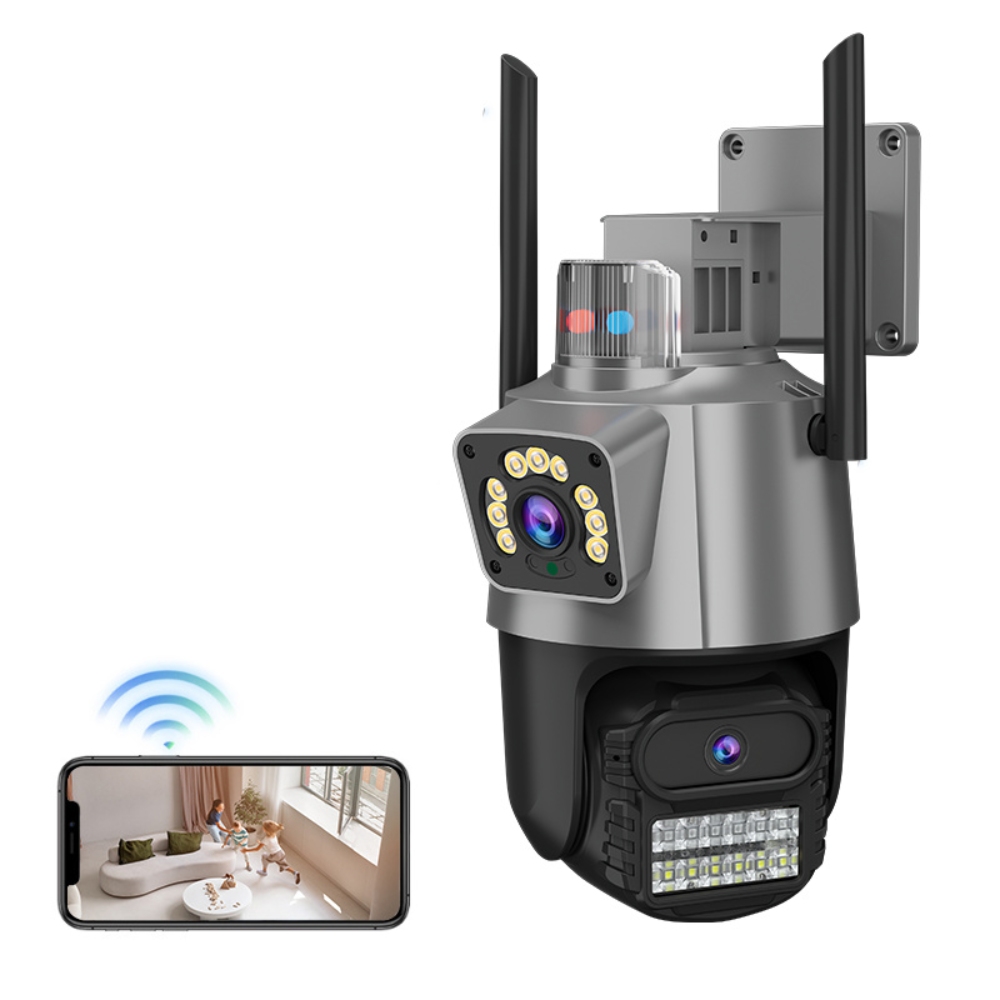
In locations with stable networks, WiFi outdoor cameras are particularly efficient in remote management and shared access to multiple users. The JT-9687PRO outdoor WiFi security camera effectively balances smart detection, night imaging, and simple configuration, making it well-suited to residential compounds and small- and medium-sized commercial sites where continuous connectivity is essential.
Who Builds Reliable Outdoor Security Systems at Scale?
Stable technological performance relies upon manufacturers that have the capacity for large-scale production. Located at Yiwu, Jortan incorporates design, development, production, and after-sales services into one comprehensive system. Our approach combines intelligent detection, adaptable connectivity, and durable outdoor construction, enabling the effective performance of our devices in real monitoring circumstances instead of idealized testing conditions. Due to the emphasis on practical function and consistent production standards, we support reliable installations in both residential properties and commercial projects where long-term operational stability is quite important.
What Final Checks Ensure Long-Term Outdoor Security Value?
A thorough assessment of sustained operational feasibility before purchase helps secure improved returns upon investment.
How Can You Avoid Frequent Replacement?
The selection of monitoring devices that support ongoing software upgrading and compatible management systems can continue to work as network and monitoring needs develop over time. Durable hardware generally has greater overall value compared with repeated component replacement.
What Maintenance Habits Improve System Lifespan?
Proper mounting height, regular cleaning of lenses and panels, and balanced sensitivity settings help preserve image sharpness while reducing false alerts. Consistent preventive maintenance promotes long-term functional reliability and reduces periods of device faults.
FAQs
Q1: What matters most when choosing an outdoor security camera?
A: Resistance to environmental factors and precise recognition capabilities generally outweigh basic resolution specifications within exterior applications.
Q2: Are wireless outdoor cameras reliable enough for permanent deployment?
A: Yes. When designed for outdoor conditions and paired with proper storage and connectivity strategies, wireless cameras can operate reliably long term.
Q3: How many cameras are needed for outdoor property protection?
A: Required quantity depends primarily upon physical arrangement, identified vulnerability points, and potential unobserved sections instead of solely upon overall dimensions. Purposeful positioning commonly achieves enhanced coverage utilizing fewer units overall.