Picking an appropriate 1080p CCTV camera is no longer a simple purchase decision. Although full HD resolution now serves as a standard in many monitoring systems, reliable performance mainly depends on precise alignment between camera capabilities and actual monitoring requirements, recording approaches, and long-term functional objectives.
Modern security systems commonly cover diverse environments, including interiors and exterior areas, demand for distant access, fluctuating connectivity stability, and strict expectations on image sharpness and alert reliability. Consequently, the selected device directly influences setup installation efficiency, maintenance cost, evidence quality, and user satisfaction.
The article explores how to select a proper 1080p CCTV system that aligns effectively with the real working environments, and puts an emphasis on the practical aspects of current surveillance deployment practices.
Why Is 1080p Resolution Still Relevant in Modern Surveillance?
Although superior pixel counts have become available, 1080p continues to enjoy widespread application throughout business premises and domestic properties since it achieves a reasonable equilibrium among visual performance, network load, and memory consumption. However, pixel quantity by itself rarely assures dependable monitoring outcomes.
Does 1080p Provide Sufficient Detail for Security Monitoring?
Across the majority of locations, full HD resolution records facial features, activity patterns, and vehicle movements with adequate clarity provided placement occurs thoughtfully. Entrances, passageways, retail spaces, vehicle storage areas, and storage buildings commonly obtain satisfactory evidence material through properly situated 1080p devices.
Success hinges primarily upon optical component quality, sensor light sensitivity, and accurate mounting distance instead of sheer resolution figures. Appropriately located 1080p equipment regularly outperforms higher-resolution alternatives installed suboptimally.
How Do Compression and Encoding Affect Video Quality?
Current surveillance systems depend upon sophisticated compression methods to preserve visual fidelity while alleviating pressure upon storage resources. Progressive encoding approaches enable extended continuous capture periods without overburdening transmission pathways.
Additional processing features addressing image noise suppression and handling of varying brightness levels contribute substantially toward maintaining sharpness, particularly in spaces featuring intense backlighting or dim illumination. Devices incorporating refined compression techniques deliver more fluid distant playback and steadier archived material preservation.
Which Camera Features Matter Most Beyond Resolution?
Dependable surveillance equipment needs to maintain consistent operation through changing illumination levels, climatic variations, and network fluctuations. Careful feature evaluation determines whether recorded material retains practical value during genuine security occurrences.
How Important Is Night Vision Performance?
The largest proportion of security incidents takes place during nighttime hours or in reduced lighting. Equipment must shift automatically between infrared illumination and color-capable low-light modes according to environmental conditions.
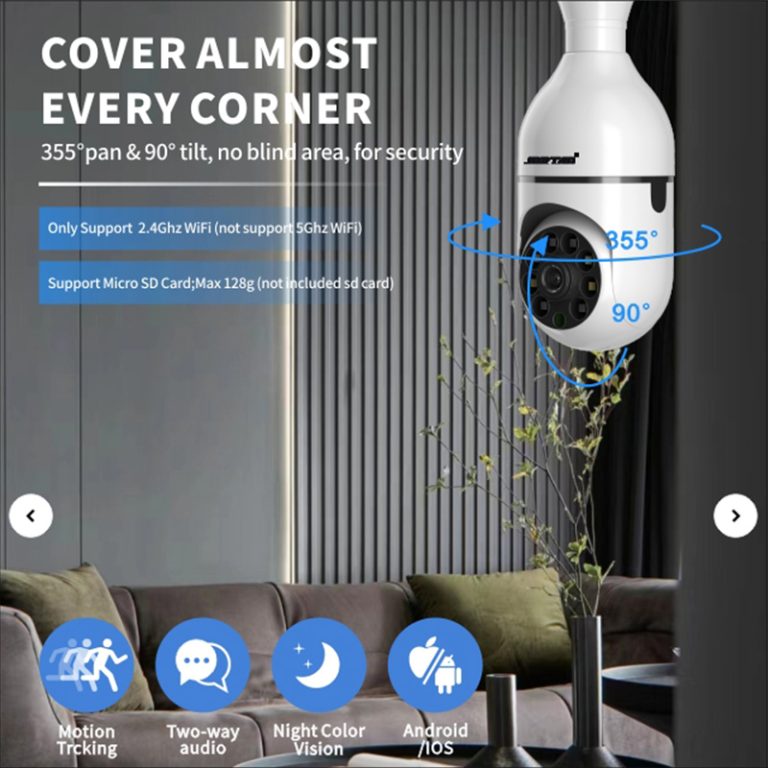
Advanced color night vision and context-aware mode transitions preserve important details upon detecting movement. Units exhibiting robust performance under minimal light conditions minimize unobserved regions and enhance identification precision in darkened environments.
Do Motion Detection and Smart Alerts Improve Security Efficiency?
Present-day monitoring arrangements have largely moved away from requiring permanent staff attention. Sophisticated activity recognition decreases manual oversight demands and generates notifications exclusively during relevant occurrences.
Refined recognition processes effectively distinguish unimportant disturbances—such as precipitation, wildlife, or illumination shifts—from genuine concerns. Dependable notification mechanisms ensure responsible personnel receive information solely when warranted, thereby accelerating response intervals while diminishing unnecessary alert frequency.
How Do Installation Environment and Connectivity Influence Choice?
Technical specifications hold genuine importance exclusively when reliable performance manifests in the intended placement environment.
Should You Choose Wired, Wireless, or Hybrid Systems?
Cabled connections deliver consistent information transfer, although demanding physical conduit installation. Cable-free alternatives streamline placement procedures yet remain susceptible to signal disruptions inside intricate building layouts.
Arrangements supporting combined connectivity methods or multiple transmission pathways offer valuable adaptability during network configuration changes, facilitating phased system growth without necessitating complete structural modifications.
What Happens in Areas with Limited Network Access?
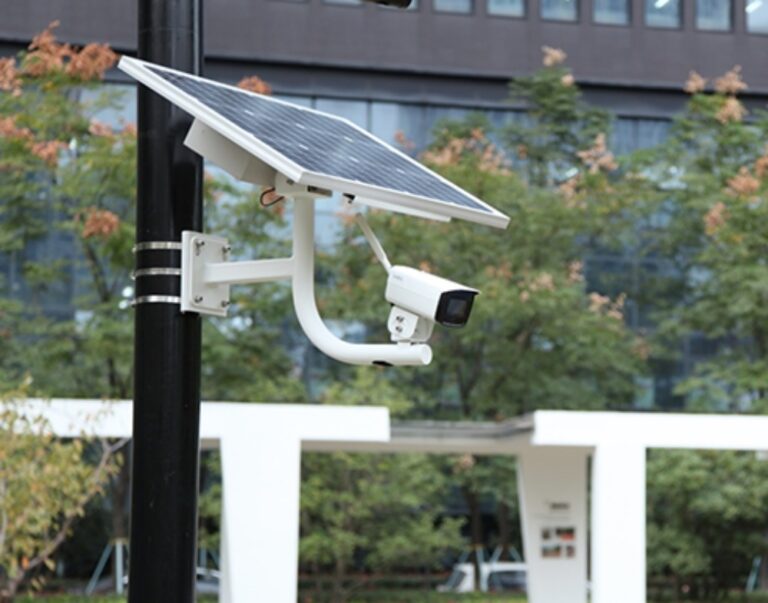
Certain deployment locations possess restricted or unreliable broadband availability. Devices equipped to function via temporary hotspot configurations or integrated cellular transmission modules sustain ongoing monitoring irrespective of permanent internet provision.
Such adaptability assumes particular significance across agricultural properties, large storage facilities, vehicle parking compounds, active construction zones, and distant operational sites where communication infrastructure frequently is inadequate or unstable.
Can One Camera Replace Multiple Monitoring Devices?
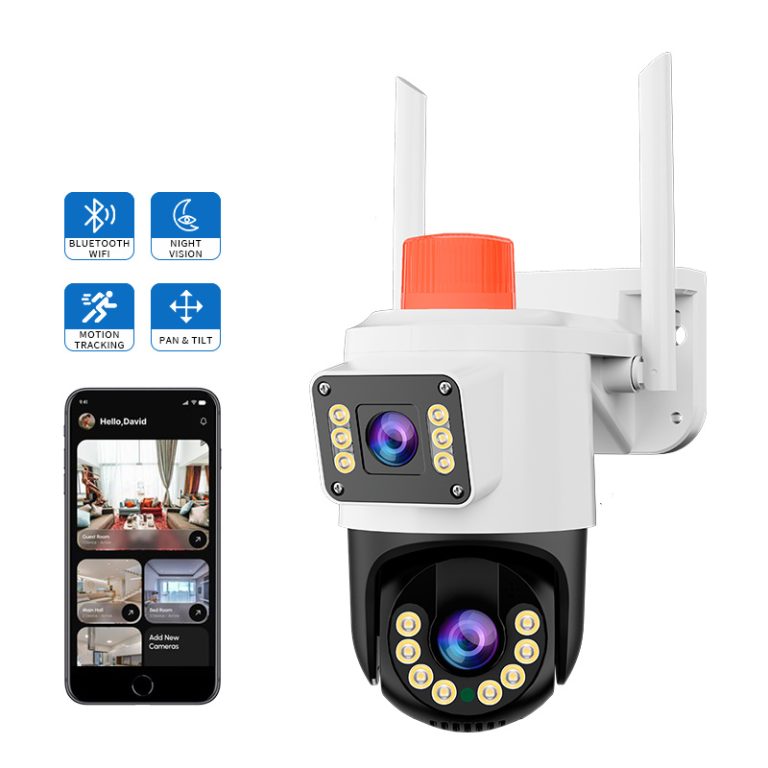
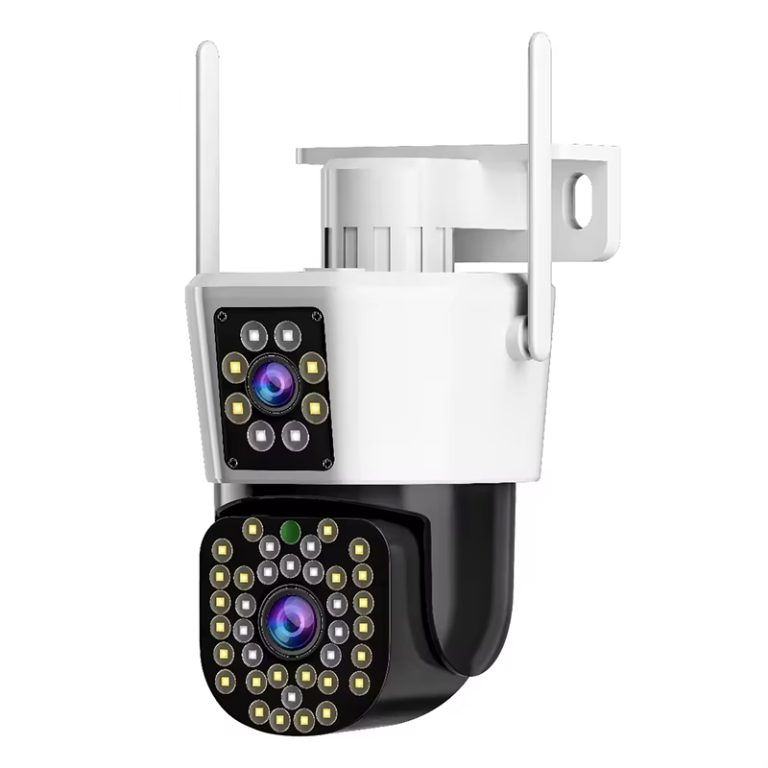
Expansive regions commonly necessitate numerous monitoring points to eliminate uncovered areas. Nevertheless, recent developments incorporating multiple imaging sensors and adjustable positioning mechanisms decrease overall device requirements while preserving comprehensive visibility.
How Do PTZ and Multi-Lens Cameras Reduce Blind Spots?
Pan-tilt-zoom assemblies enable equipment to sweep across extensive regions through rotational capability. Configurations featuring several optical units simultaneously capture broad contextual perspectives and magnified detail views.
Approaches of this nature enhance operational effectiveness, simplify mounting procedures, and reduce capital expenditure on hardware, especially suitable in enclosed courtyards, parking facilities, or warehouse access points.
Which Manufacturer Capabilities Support Long-Term Reliability?
Camera hardware is only a part of the overall plan. Manufacturing experience, engineering capacity, and after-sales services exert considerable influence on long-term stable performance.
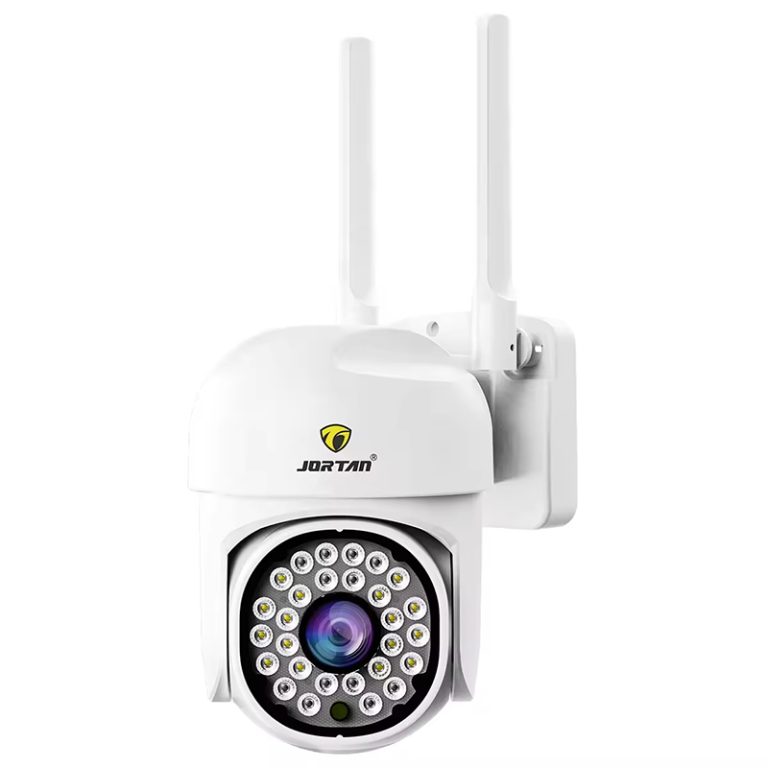
Now, it is worth noting how a manufacturing background shapes product reliability. Many professionals prefer companies that integrate R&D, manufacturing, and system integration experience. Jortan is the manufacturer operating large-scale production facilities with long-term involvement in surveillance and electrical technologies. When developing new products, we focus on stable operation, intelligent monitoring, and practical installation needs in residential, commercial, and industrial environments. Continuous refinement in imaging systems, network compatibility, and user-friendly configuration make our products widely used in diverse deployed environments, and consistent manufacturing quality contributes to long-term operation.
Which 1080p Models Suit Different Security Needs?
Even among devices sharing identical resolution specifications, structural variations accommodate differing monitoring priorities.
When Is a Fixed Camera Enough?
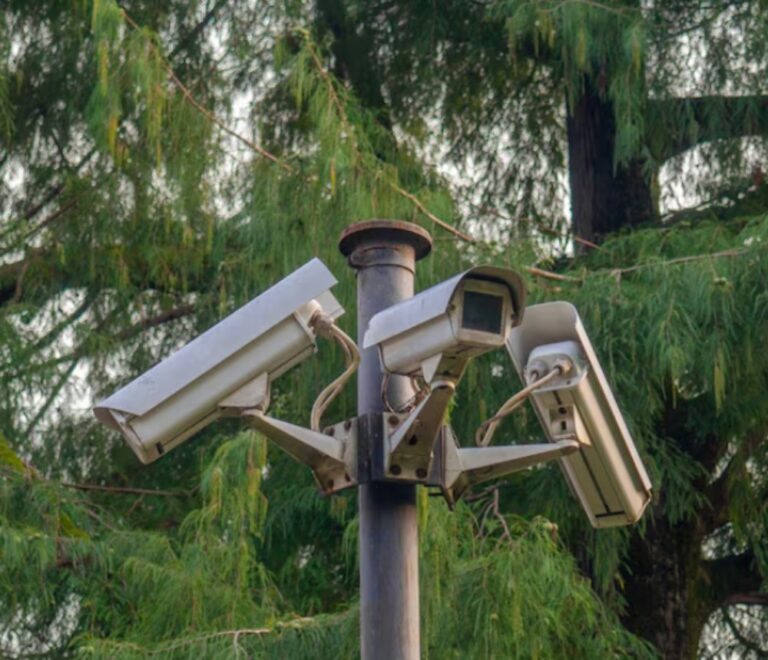
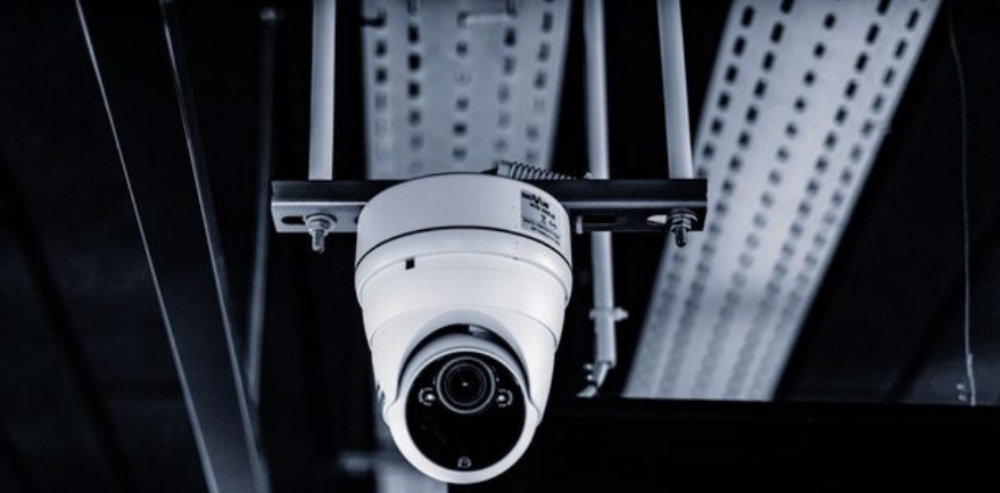
Fixed units are adequate for doorways, internal corridors, and clearly delineated monitoring zones featuring predictable activity directions. Such equipment typically offers cost-effective operation and straightforward servicing requirements.
These models perform effectively whenever steady oversight of a single defined area suffices.
When Do You Need PTZ or Intelligent Tracking Cameras?
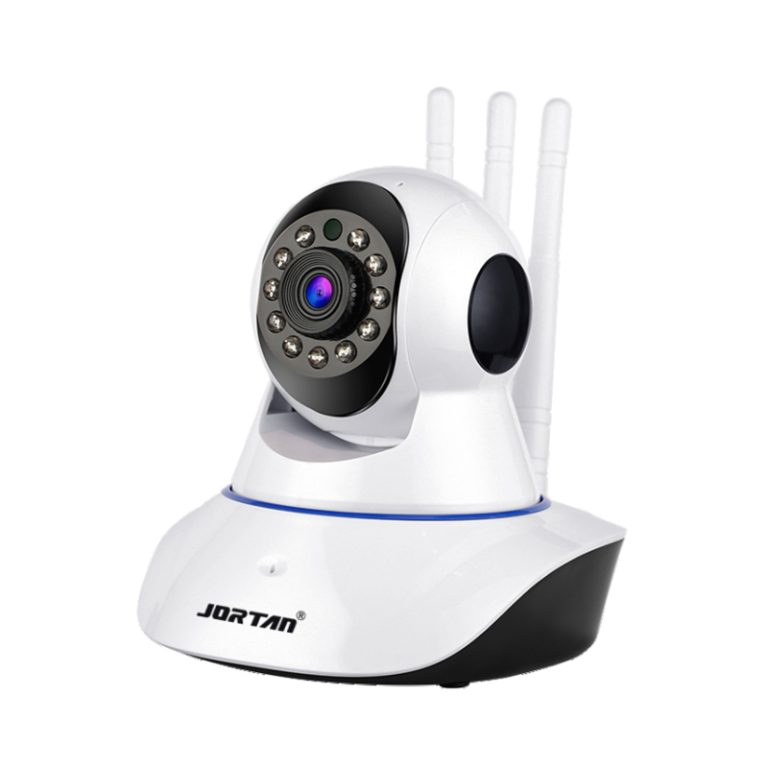
In scenarios where the direction of personnel movement is constantly changing, devices that can automatically track or remotely control the direction are more suitable.
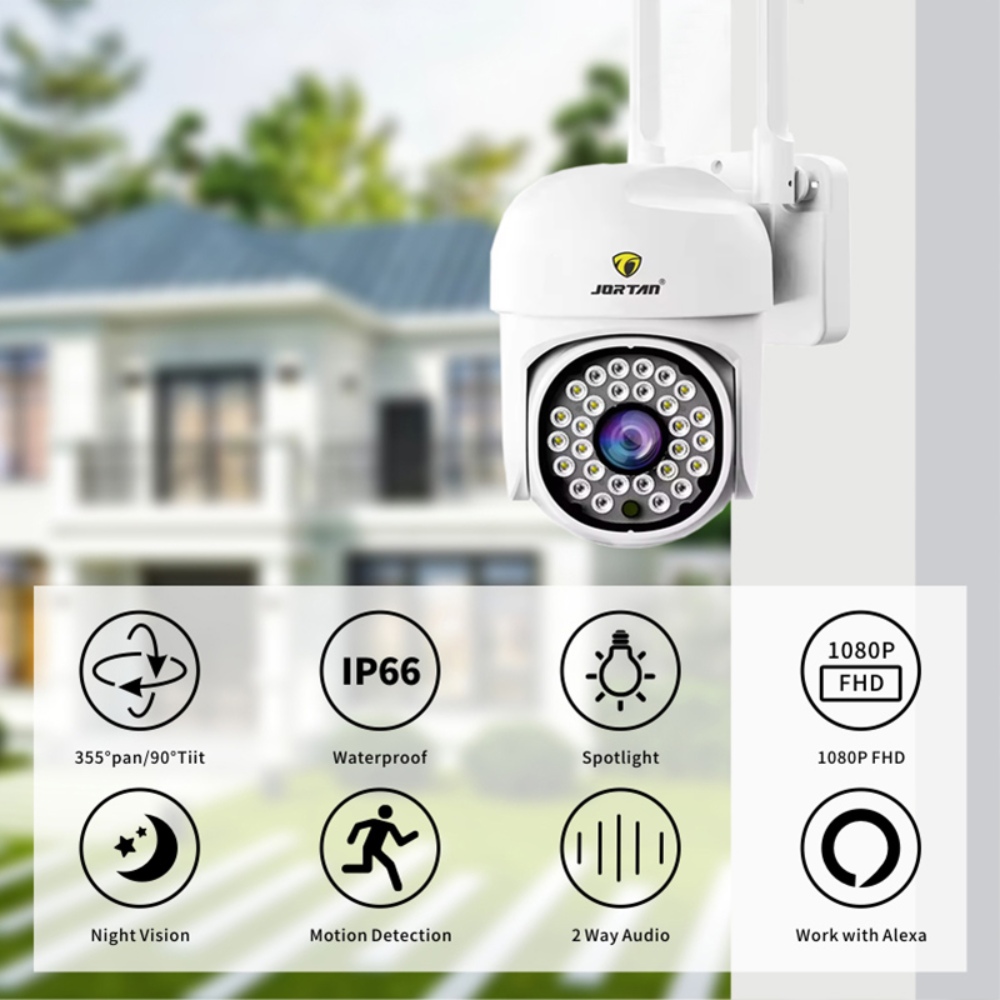
For example, the JT-8161QJ IP CCTV security camera, integrating effective control of pan-tilt-zoom, intelligent alerts, and two-way audio, can expand coverage without compromising visual sharpness. These devices can be applied in parking, commercial entrances, storefronts, and residential complexes where movement patterns vary.
How Should Budget and Future Expansion Be Considered?
Decisions driven exclusively by initial expenditure frequently result in elevated replacement expenses over extended periods.
Arrangements designed with scalability in mind accommodate subsequent addition of monitoring points or incorporation of updated management software. Equipment supporting established communication standards and cloud-based connectivity maintains compatibility throughout evolving protection frameworks.
Careful equilibrium between upfront financial commitment and upgrade adaptability helps prevent untimely hardware obsolescence.
Conclusion
Selecting a proper 1080p CCTV camera relies on the great coordination of technical parameters and the real operational environments. Although resolution is quite important, night vision quality, intelligent alerts, installation flexibility, and system scalability ultimately determine the overall monitoring quality.
Through systematic assessment of environmental conditions, transmission alternatives, coverage patterns, and supplier strength, property owners and installation specialists can establish a stable monitoring system, which can provide stable performance and continued adaptability for changing safety requirements.
FAQs
Q1: Is 1080p resolution still enough for modern property surveillance?
A: Affirmative. In most entrance areas, interior spaces, and business environments, full HD resolution supplies clear monitoring capability while maintaining reasonable demands upon storage capacity and network resources.
Q2: Do wireless cameras perform as reliably as wired ones?
A: Cable-free arrangements function effectively, provided network stability remains consistent, although cabled connections continue providing superior transmission dependability across locations experiencing heavy data traffic.
Q3: How often should CCTV cameras be maintained?
A: Periodic examination at intervals of several months preserves optical cleanliness, secures stable connections, and ensures current firmware implementation, thereby sustaining uniform operational quality throughout extended service periods.