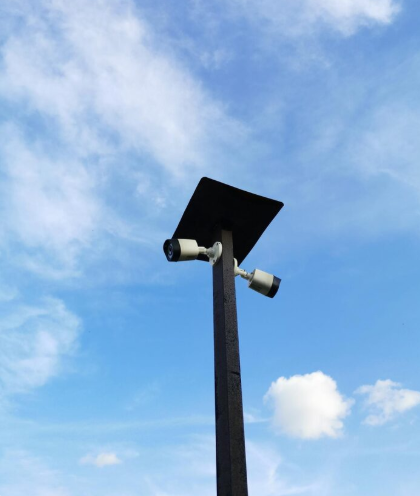
When you protect remote property, the problem is rarely image quality alone. The real challenge is how a surveillance system continues to operate when grid power, fixed networks, and routine maintenance are unavailable. Solar security cameras with SIM cards address this challenge by combining autonomous energy supply with cellular communication, forming a self-contained monitoring system. For expert users, the value of this architecture lies in system reliability, predictable behavior, and long-term operational stability rather than feature density.
This article examines how such systems work from an engineering perspective, focusing on communication logic, energy design, and deployment realities in remote environments.
How Does a Solar Security Camera with SIM Cards Operate Without Local Network Infrastructure?
Remote properties often lack routers, fiber connections, or stable WiFi coverage. In these environments, surveillance viability depends on eliminating dependence on local networking.
How Cellular-Based Data Transmission Replaces Traditional Local Networking in Remote Surveillance Systems
A SIM card transforms the camera into a cellular endpoint rather than a peripheral device. Video streams, alarm signals, and device telemetry are transmitted directly through mobile networks to remote servers or management platforms, which removes the need for local gateways, repeaters, or on-site configuration.
From a system perspective, cellular connectivity offers predictable coverage in areas where wired or WiFi solutions fail. More importantly, it supports bidirectional communication, which means that you can receive alerts, modify parameters, and perform diagnostics remotely. For unattended properties, this architecture minimizes operational uncertainty and reduces dependency on site access.
How Does Solar Power Sustain Cellular Surveillance Equipment Over Long Periods?
Cellular transmission changes the power profile of a camera. Energy design must therefore be approached as a closed system rather than a simple power source.
How Solar Input, Battery Storage, and Cellular Load Form a Stable Energy Loop
Solar panels provide intermittent energy, while cellular modules introduce periodic transmission spikes. A viable system balances these elements through controlled charging, sufficient storage capacity, and load scheduling.
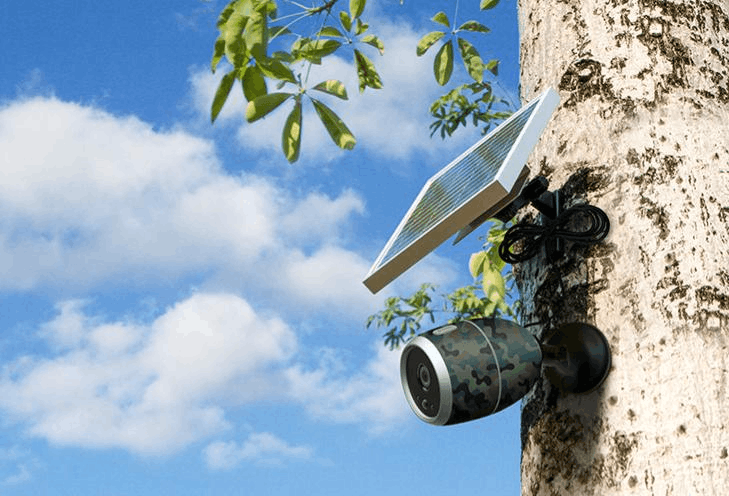
During daylight hours, surplus solar energy replenishes the battery while supporting active operation. At night or during low-irradiance periods, stored energy sustains imaging, detection, and communication. The system’s stability depends on conservative assumptions about sunlight availability and data transmission frequency. When these assumptions are realistic, solar-powered cellular cameras can operate for months or years without manual intervention.
Why Is Energy Management More Critical in SIM-Based Solar Cameras Than in WiFi Systems?
Not all wireless cameras consume energy in the same way. Cellular transmission introduces unique constraints that must be addressed explicitly.
How Cellular Transmission Patterns Reshape Power Consumption and Runtime Planning
Unlike WiFi, cellular communication requires higher transmission power and more frequent network handshakes. Background signaling, heartbeat messages, and alarm uploads contribute to cumulative energy use even when no video is streamed.
For this reason, energy management becomes a central design variable. Efficient systems reduce unnecessary transmissions, rely on event-driven reporting, and compress data intelligently. In practice, lowering total consumption often yields greater reliability gains than increasing panel size. This approach extends runtime, protects battery health, and stabilizes long-term operation.
How Do Low-Power Camera Architectures Enable Reliable Remote Property Protection?
In remote deployments, design inefficiencies cannot be corrected easily after installation. Low-power architecture is therefore a prerequisite rather than an optimization.
How Imaging, Processing, and Data Transmission Are Optimized for Solar Cellular Use
Energy demand is distributed unevenly across camera subsystems. Image sensors typically consume modest power, while encoding, illumination, and cellular transmission dominate usage. Optimized architectures minimize processor activity, adjust resolution dynamically, and reduce frame rates when conditions allow.
From an engineering standpoint, the goal is not maximum visual output at all times, but sufficient evidentiary quality under strict energy constraints. Cameras designed for solar cellular use treat power as a finite resource, allocating it selectively based on risk, time of day, and detected activity.
How Does a Solar SIM Camera Maintain Security Coverage During Nighttime?
Nighttime operation combines the absence of energy generation with elevated security risk. This phase determines whether a system is viable in real conditions.
How Night Vision Control and Event Logic Preserve Continuous System Availability
Infrared illumination and auxiliary lighting significantly increase power consumption. To remain operational, solar SIM cameras employ adaptive night strategies—switching between monochrome and color modes, limiting illumination duration, and prioritizing motion-triggered capture.
These mechanisms are not compromises but control strategies, ensuring that critical events are recorded while preventing unnecessary energy drain. The objective is continuous availability rather than constant maximum performance, which aligns with the realities of remote property protection.
What Makes Integrated Solar SIM Cameras More Reliable Than Modular Deployments?
System complexity increases failure probability, especially in unattended environments. Integration plays a decisive role in reliability.
How System Integration Reduces Failure Points and Deployment Uncertainty
Each additional interface—external batteries, third-party controllers, separate modems—introduces loss, configuration risk, and potential failure. Integrated solar SIM cameras consolidate power regulation, storage management, imaging, and communication under a unified control logic.
This integration reduces variability between deployments and simplifies diagnostics. For large-scale or long-term remote monitoring, fewer assumptions are left to installers, and system behavior becomes more predictable over time.
How Can You Apply These Principles When Selecting a Solar SIM Camera for Remote Property?
Selection should be based on system coherence rather than isolated specifications.
How System-Level Design Simplifies Real-World Selection and Deployment Decisions
You should evaluate whether energy input, storage capacity, and cellular communication have already been matched at the design stage. Systems that require extensive field tuning increase risk and maintenance burden.
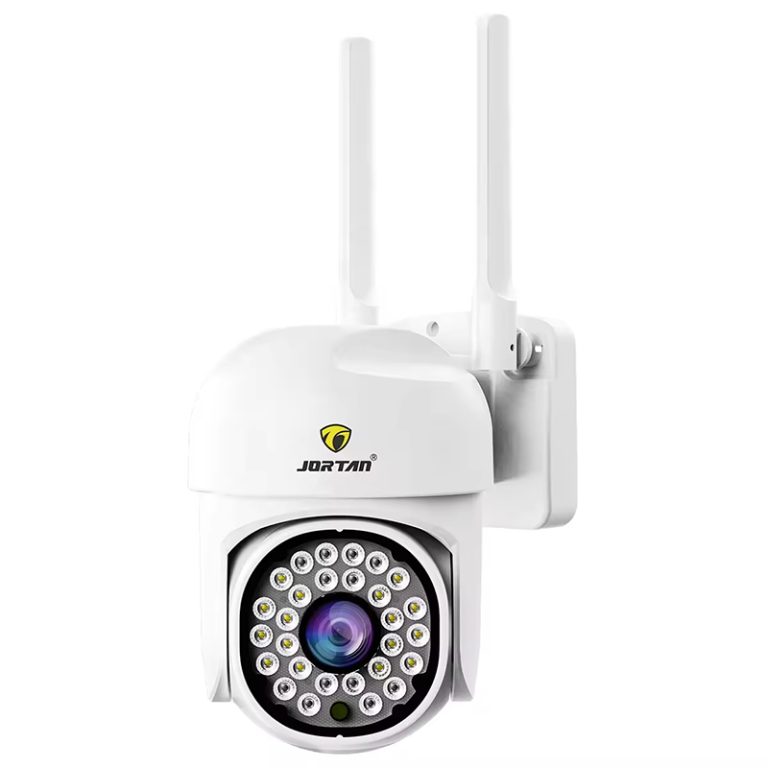
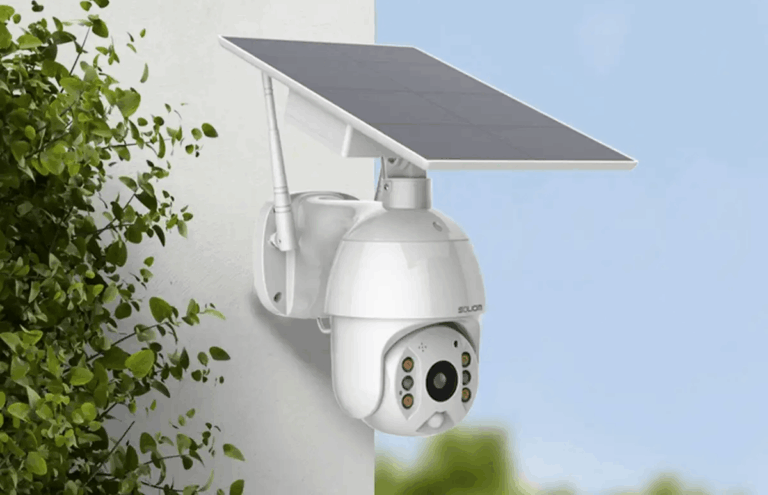
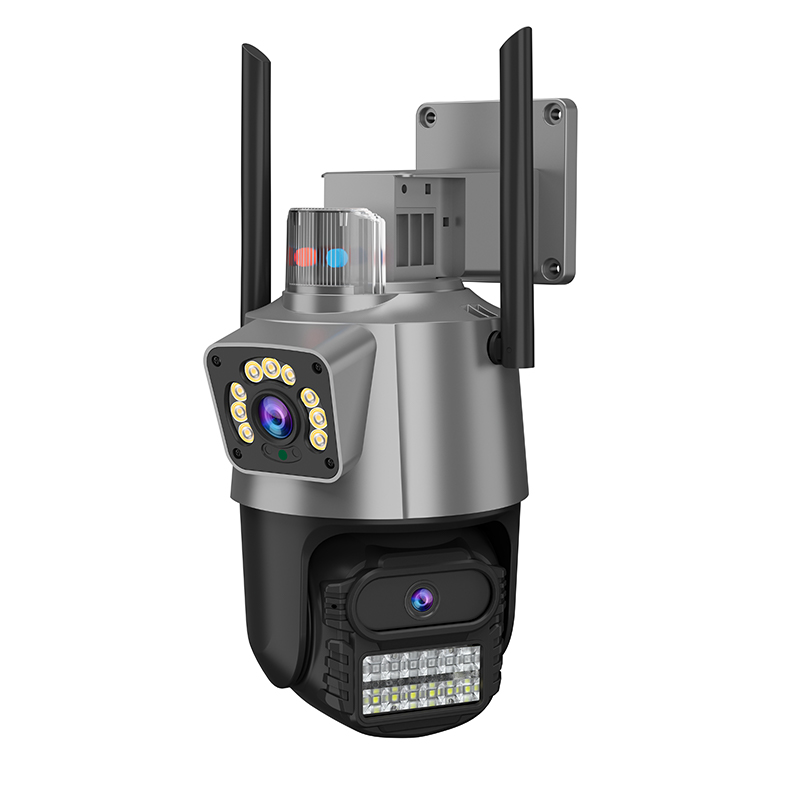
Within this framework, solutions such as the JT-9687 Pro solar camera reflect a design philosophy where low-power imaging, regulated solar input, and cellular transmission are engineered together. This reduces uncertainty during deployment and improves long-term stability in unattended environments.
Where Does Jortan Fit in the Engineering Logic of SIM-Based Solar Surveillance?
When you assess solar SIM surveillance systems from an engineering standpoint, the most capable suppliers are not those emphasizing isolated parameters, but those treating energy and communication as coupled constraints.
Jortan operates within this system-first logic by aligning low-power camera architecture, controlled solar charging, and cellular communication into cohesive designs intended for long-term, grid-independent operation. Rather than positioning solar power as an accessory, our products reflect a power-first approach that mirrors how remote surveillance functions in practice.
For expert users who require customization or large-scale deployment, our OEM & ODM services allow system-level adaptation without sacrificing reliability. This capability is particularly relevant when surveillance requirements vary across geography, climate, or regulatory environments.
FAQs
Q: Can solar security cameras with SIM cards operate reliably year-round in remote locations?
A: Yes, provided that solar input, battery capacity, and cellular transmission behavior are designed as a unified system with conservative energy assumptions.
Q: Are SIM-based solar cameras more suitable than WiFi cameras for remote property protection?
A: In environments without stable local networks, cellular-based systems are typically more predictable and easier to manage remotely.
Q: What is the most common cause of failure in solar SIM camera deployments?
A: Treating energy supply and cellular communication as separate decisions rather than as interdependent system variables.