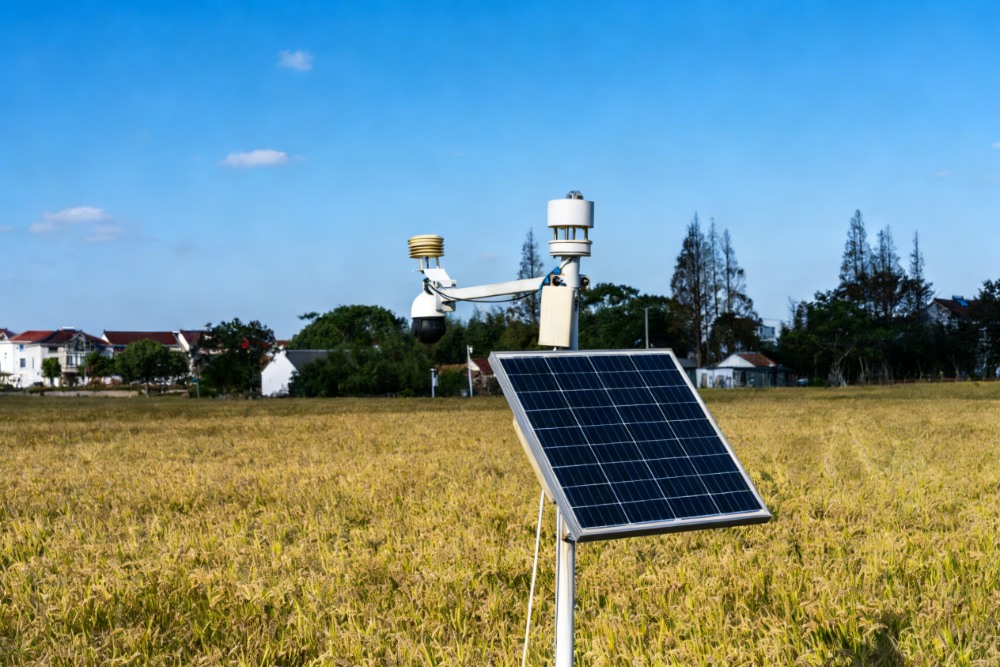
In recent years, there has been a huge change in the way people view energy. This shift comes from the increasing price of electricity affecting small businesses, or the demand for eco-friendly certifications in major company deals. Everyone now seeks methods to lessen waste. In the field of security, this trend has caused a notable transformation. The era is over when installing a camera required digging deep ditches for electrical lines or hiring an electrician to spend hundreds of dollars wiring a distant spot on a farm. These days, solar security cameras appear frequently on building sites, fruit farms, and city homes. Such devices are no longer merely a neat device for isolated lifestyles. Instead, they form an essential element in safeguarding property while avoiding contributions to global carbon issues. By relying on sunlight for power, users do not just cut a bit from their regular bills. They also alter the approach to monitoring for the positive.
The Green Revolution in Surveillance Technology
Standard security setups consume a lot of energy. They operate nonstop, day and night, every week of the year, drawing steady electricity from the main supply. A single camera may appear minor. However, a setup with 16 or 32 units in a big storage building can result in a large electricity usage over 12 months. In many regions, most of that energy still derives from coal or oil sources. This situation opens the door for solar powered CCTV. Businesses can shift their protection needs away from the grid by adopting a setup that creates its own energy. It is a straightforward change, yet it delivers a strong effect on nature.
Discussing eco-friendly protection options involves the entire duration of the item. This goes beyond the power it draws when fixed on a surface. It includes the substances used and the environmental cost during setup. Since these setups avoid thick copper cables or large power units, they prove far kinder to the environment right from the start.
Cutting the Cord on Traditional Energy Grids
A major advantage for the surroundings is the complete elimination of the electrical cable. Producing each length of copper wire involves environmental costs from extraction and creation processes. Selecting a wireless solar camera removes the requirement for hundreds of meters of insulated wiring. For an extensive farm or cattle ranch, this could save kilometers of resources. Moreover, it spares the fuel and effort from machines that would dig channels to place those lines underground.
The Shift Towards Zero Carbon Monitoring
True zero carbon monitoring is now a reality thanks to improvements in battery and panel tech. In the past, solar cameras were unreliable because they would die after two days of clouds. But modern units like the JT-8258T use high-efficiency lithium iron phosphate batteries that can hold a charge for a long time. These batteries are more stable and can be recycled up to 2,000 times, which is much better for the earth than older battery types. When you combine this with the fact that the sun is a free, infinite resource, you get a security system that leaves almost no footprint behind during its years of operation.
How Solar Security Cameras Actually Work for the Planet
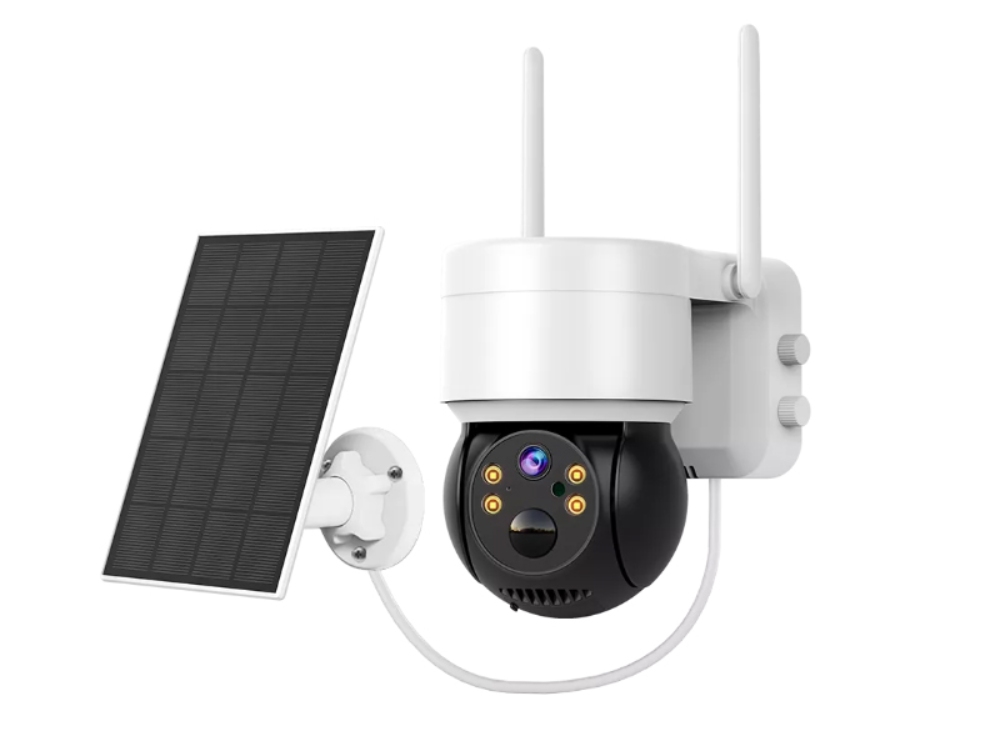
It is helpful to understand what happens inside the box to see why these tools are so green. It isn’t just about sticking a panel on top of a camera. It is a complex dance between hardware and software. A high-quality solar security cameras system has to be incredibly smart about how it spends its energy “budget.” If it wastes power on useless tasks, the battery will die, and the security fails. This constant battle for efficiency is what actually makes these devices better for the planet than regular plugged-in models.
The engineering that goes into a Jortan camera is all about doing more with less. By using clever chips and sensors, we can make a camera that stays awake and alert while using less power than a small LED nightlight. This efficiency is the secret sauce that makes sustainable security solutions reliable enough for professional use in 2026.
Harnessing Clean Energy via High-Conversion Panels
The first step is catching the sunlight. Most of our solar powered CCTV kits use monocrystalline silicon panels. These are the “black” panels you see on high-end roofs, and they are much better at converting light into power than the cheaper “blue” ones, especially on cloudy days. Even in a place with only 4 or 5 hours of good light, a 5W or 7W panel can generate enough power to keep the camera running and top up the battery for the night. This means that even in winter, your wireless solar camera is still pulling its weight and keeping your carbon footprint low.
Intelligent Power Management and AOV Technology
The real breakthrough in zero carbon monitoring is a tech called AOV (Always on Video). Old cameras used to “sleep” until someone walked by, but that meant they often missed the first few seconds of a crime. AOV tech allows the camera to keep a “heartbeat” going at a very low frame rate—about 1 frame per second—while using only about 40mW of power. When the AI sees a person or a car, it instantly jumps to full speed. This “algorithm prediction + hardware collaboration” means you get 24-hour protection without needing the massive power draw of a standard 24/7 camera. It is a smarter way to stay safe without wasting energy.
Practical Benefits Beyond Environmental Impact
For most B2B clients, the “green” aspect is a great bonus, but the bottom line is usually what drives the purchase. The good news is that what is good for the earth is also very good for the wallet. When you are looking at a large-scale project, the cost of labor to run power lines can be three times the cost of the actual cameras. By choosing a wireless solar camera, you are cutting out that labor entirely.
These systems are also much easier to move. If you are a construction company, you can move your solar security cameras from one site to another as the project grows. This flexibility saves time and money, and it reduces the waste of pulling out old wiring every time a job is done. It is a win-win for the business owner and the environment.
Massive Cost Savings on Wiring and Electricity
Let’s look at the numbers. To run a power line to a gate 200 meters away, you might spend $1,500 on labor, conduit, and cables. A solar powered CCTV unit like the JT-8258T costs a fraction of that and installs in ten minutes. Over five years, that same camera will save you another $50 to $100 in electricity costs. For a distributor selling to hundreds of clients, these savings are the ultimate selling point. You are selling a product that pays for itself through energy independence and zero carbon monitoring.
Flexibility for Remote and Off-Grid Locations
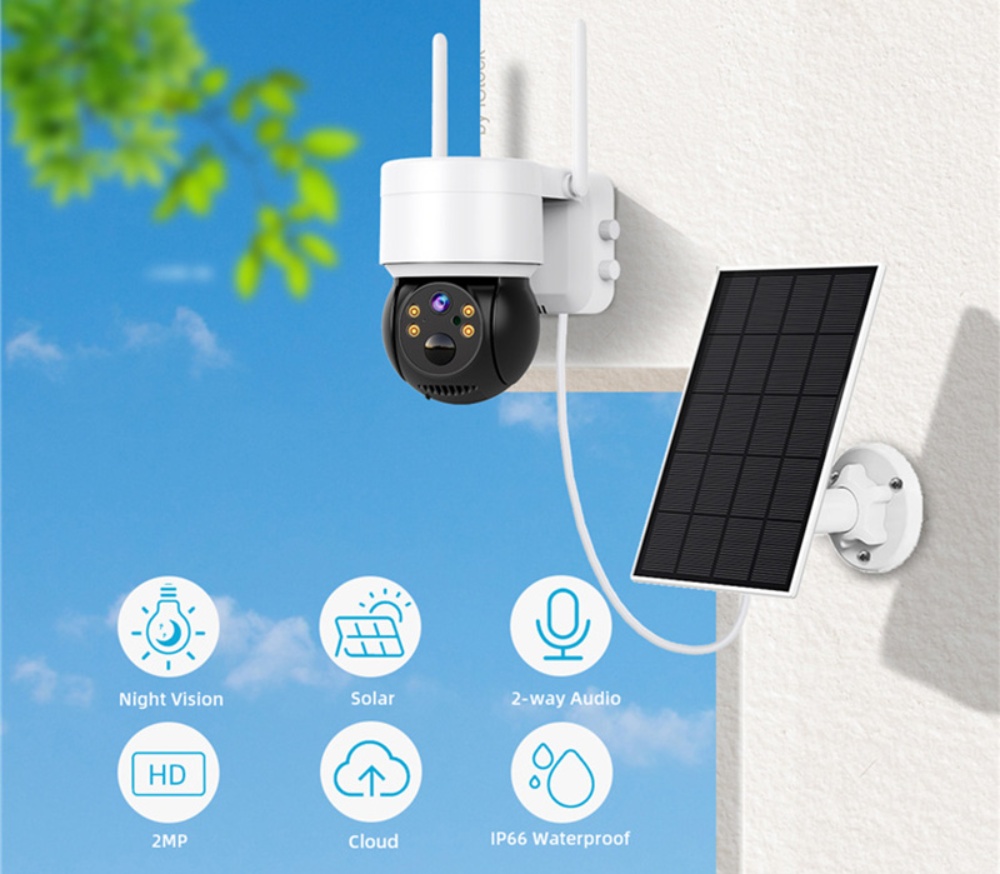
Certain areas remain out of reach for conventional cameras. Examples include fish farms, thick orchards, or highland posts. In those locations, no electrical network exists for connection. A solar camera manufacturer like Jortan crafts these units to endure harsh, isolated conditions. Featuring IP66 water resistance and operation in temperatures from -30°C to 60°C, they support security in such spots. This allows protection of natural areas and personal holdings in far-off places. Importantly, it does so without damaging the landscape through posts or cables.
Choosing a Responsible Solar Camera Manufacturer
The market overflows with low-priced solar items that fail after initial bad weather. For business partners, this poses a serious danger. A battery that quits after half a year harms your standing as well. Thus, partnering with a committed solar camera manufacturer is crucial. This one should own its production site and research group. You require a collaborator who grasps energy holding science and AI ISP (Image Signal Processing). This ensures sharp footage even during dark, stormy nights.
At Jortan, our 30,000-square-meter plant in Yiwu focuses on building lasting, sustainable security solutions. We go beyond simple assembly of pieces. We subject the units to prolonged tests in hot rooms at 65°C. This verifies they withstand strong sunlight without breaking. Such thorough oversight makes a professional wireless solar camera a sound choice.
Industrial Quality and Rigorous Testing Standards
A genuine solar camera manufacturer recognizes that basic performance falls short for battery reliability. We apply advanced SoC (System on Chip) layouts that oversee power at the core level. As a result, every bit of sunlight gets stored and applied properly. Our AOV gun-ball units face surge protection trials and detailed water resistance evaluations. They ensure ongoing zero carbon monitoring for years, rather than mere months. Purchasing from a controller of the full production process brings assurance.
Scalable Sustainable Security Solutions for Global Markets
Whether you are in Southeast Asia, Europe, or the Americas, the need for green tech is growing. Jortan provides 4G global communication modules that cover almost every frequency band in the world. This means a distributor in Brazil or a wholesaler in Poland can offer the same high-quality solar powered CCTV to their local customers. We also offer OEM and profit-sharing models for our 4G data plans, allowing our partners to grow their business while helping the world move toward a more sustainable future.
Conclusion
The transition to solar security cameras is about more than just technology; it is about taking responsibility for how we use energy. By choosing solar powered CCTV, we can protect our homes, businesses, and remote lands without relying on dirty power grids or wasting miles of copper wire. As a leading solar camera manufacturer, Jortan is proud to help B2B partners around the world deliver these sustainable security solutions to their clients. If you are ready to upgrade your security while helping the planet, contact us today at kingjin@safejortan.com.cn to find the perfect wireless solar camera for your next project.