Managing a construction site these days calls for more than simple watching. You require adaptable and dependable watching that functions in varying and often distant spots. Solar construction cameras provide a fresh answer by mixing ease of movement, freedom from electrical networks, and steady work.
How Do Solar Construction Cameras Revolutionize Site Monitoring?
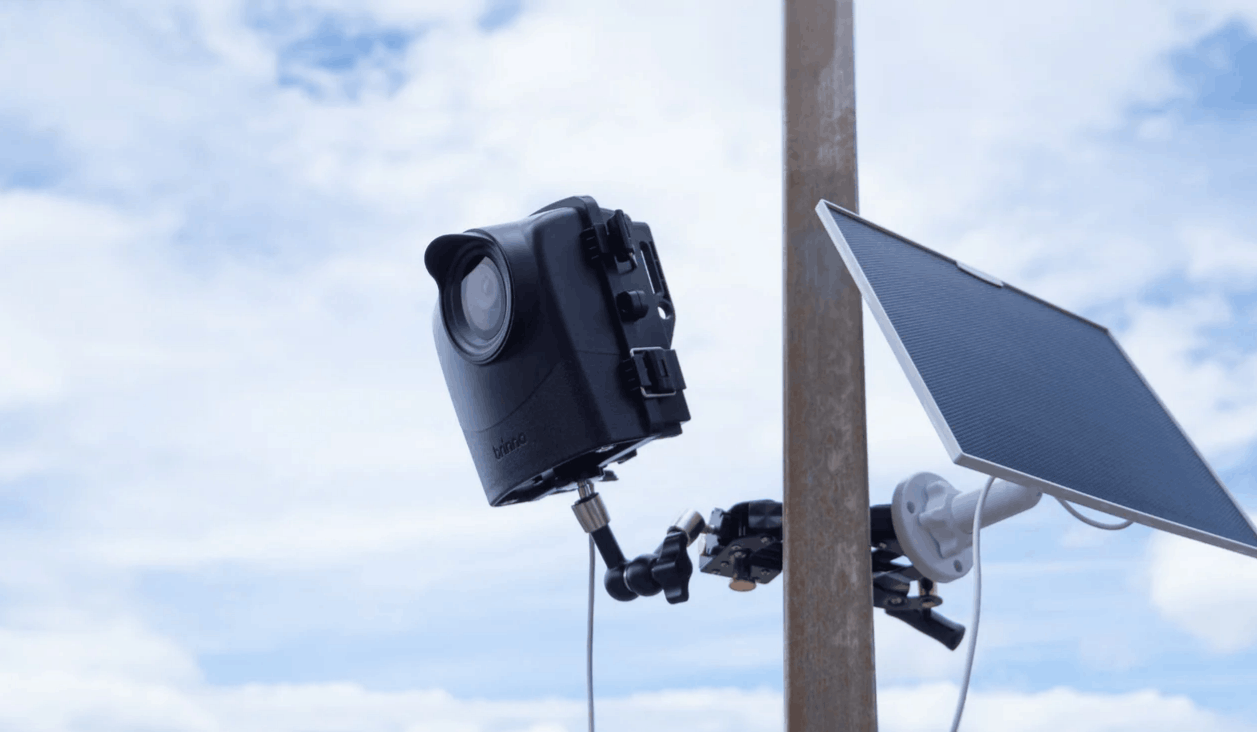
The growth of solar construction cameras has changed the way you handle and protect construction sites. By joining clean power with smart watching tools, these setups give ongoing watching even in the farthest places. And with steady progress in the watching field, people now value and apply watching more and more. It has moved from cables to WiFi and then to 4G, making things more useful in daily life.
This shift brings real changes. For instance, you can now keep an eye on sites without worrying about power cuts. The cameras run on solar energy, so they stay active day and night. Moreover, teams can share updates quickly, which cuts down on mistakes. In short, these tools make site management smoother and safer for everyone involved.
What Are the Advantages of Using Solar-Powered Cameras on Construction Sites?
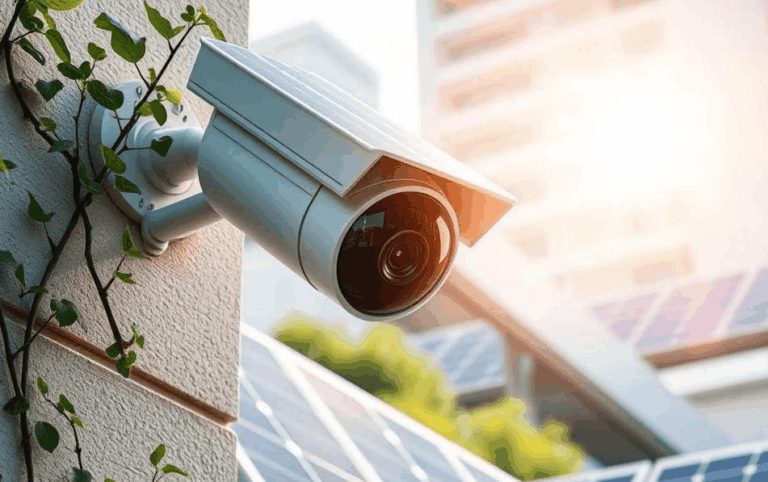
Solar-powered cameras offer many good points that fit well with today’s building areas. A key benefit is their skill to work without usual power supplies. Freedom from the power grid means no need for wires or electrical links. And this works great for places like country yards, fruit gardens, grazing lands, building spots, far-off hills, and other areas without steady power. So, this freedom keeps work going without stops, even where basic setups are missing.
These cameras also offer easy placement choices, so you can set them up on posts or short-term builds without tough wiring. Because no wiring setup is needed, installation works quickly on current posts like street lamps or signal poles. It finishes in just 30 minutes, which saves about 70% of setup costs. This ease makes them ideal for busy building spots where plans often shift.
Besides ease, solar cameras support green ways. They cut down on harmful air output. For example, in a grazing land’s “pastoral-solar mix” plan, it lowers air pollution by 40%. By picking pure energy over power from fuels, you help with kind-to-earth building habits. At the same time, you lower running expenses. Overall, these cameras blend smart choices with care for the world.
How Do Solar Construction Cameras Improve Project Efficiency?
Work speed on a building site relies a lot on quick facts and teamwork among groups. Solar-powered watching fixes give instant views that allow fast fixes for any problems or danger risks. A built-in 4G/5G IoT card lets far-off data be sent without wide internet lines. So, it creates “no-network watching.” Therefore, you can view live pictures from any web-linked tool.
Better sight through clear picture quality helps track progress and keep records, while leaders can review daily videos to confirm job finishes or spot hold-ups early. This openness supports proper planning, reduces delays caused by poor talks or missed details, and builds trust among workers and bosses alike. Plus, solar cameras with AI spotting tools improve smart running by finding moves or odd actions on their own, so hand-check needs are lowered. Yet they still keep tight safety rules over big projects, and as a result, sites run smoother with less effort from people.
Why Should You Consider Integrating Advanced Features in Your Site Watching?
As tech grows, adding smart parts to your site and watching setup turns vital for ahead-of-time handling instead of after-the-fact checks. Parts like move spotting and clear picture quality raise both safety and speed on building sites. And they help teams stay one step ahead of issues.
What Role Does Motion Detection Play in Enhancing Security?
Motion detection changes quiet watching into quick guard actions. When not-allowed moves happen after work hours or in no-go zones, auto notices tell you right away through phone apps or web spaces. It must include active alert jobs like AI person/car spotting, zone entry spotting, and sound spotting to cut wrong notices. These skills lower false signals. Meanwhile, they make sure real dangers get fixed fast.
On top of that, smart move-started saving cuts energy use because it starts only when needed, which matters for sun-powered setups away from grids. Through very-low-energy standby and AI event-started saving, it reaches full-day ongoing watching, while the energy lasts much longer than old battery types. For example, it can keep going for 7–15 days in rainy weather, so you get steady safety without hurting power use.
Furthermore, this setup lets you focus on big-picture tasks, while workers feel safer because alerts come quickly. Managers also save time on checks, which helps boost overall site flow.
How Can High-Resolution Imaging Benefit Your Construction Projects?
Clear picture quality plays a big part in recording steps right and finding possible troubles soon. The picture sharpness should be at least 3K, like 8 million dots. It needs to back full-color dark sight or heat dark sight. And the dark watching reach must go over 10 meters. Such sharpness makes sure every small bit, from tool spots to supply use, gets caught exactly for checks or client reports.
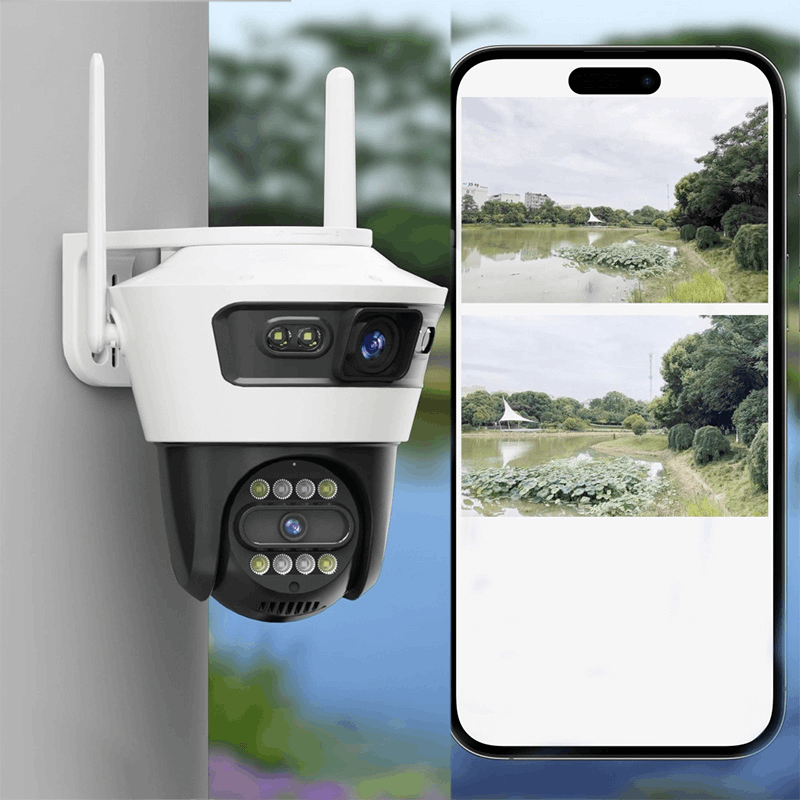
The dark sight skill extends watching into black times without extra light builds so sites can stay visible when natural light is no longer enough. Full-color dark sight uses a heat-plus-warm-light two-way fill light fix, and this skill lift keeps color match above 90% within 10 meters at night. This promises sure sight all day and night, no matter the light setup, so projects stay on track even after sunset.
In practice, this helps spot small errors before they grow. Teams can review footage easily, which aids in better planning and fewer surprises.
How Can You Optimize the Use of Solar Construction Cameras?
To get the most from your solar camera setup, correct placement and care matter a lot. Smart spots give full watching while keeping good power from sun boards, and regular checks ensure long-term reliability.
What Are the Best Practices for Positioning and Installation?
When setting up solar construction cameras, place them to cover key spots like doors or supply hold areas, while avoiding blocks like big machines or high tools. These obstacles may shade sun boards, so smart placing helps give full cover of main areas and makes sure nothing important gets missed.
For steady work in cloudy skies, set the best slant for boards based on your area’s place, because single-crystal sun boards charge fully in 5-6 hours. They also support dim-light charging and hold up in tough spots, which helps cut short stops from weak charge turns and keeps the system running smoothly through seasons.
How Do You Maintain and Troubleshoot Solar Construction Cameras?
Care work keeps your setup trusty over long building times, and cleaning sunboards often helps stop dirt buildup that might slow charge work. Normal looks help find damage signs before they turn into big breaks, so small fixes prevent larger headaches.
If tech problems pop up, like link loss or picture twists, check fix guides for quick get-backs with little stop time. Regular care checks stop tech troubles and stretch camera life. In the end, this saves money and keeps sites secure.
Why Is Jortan the Right Choice for Your Solar Construction Camera Needs?
Picking a sure helper is key when putting money into smart site-watching systems made for hard spots.
Introducing Jortan’s Innovative Solutions
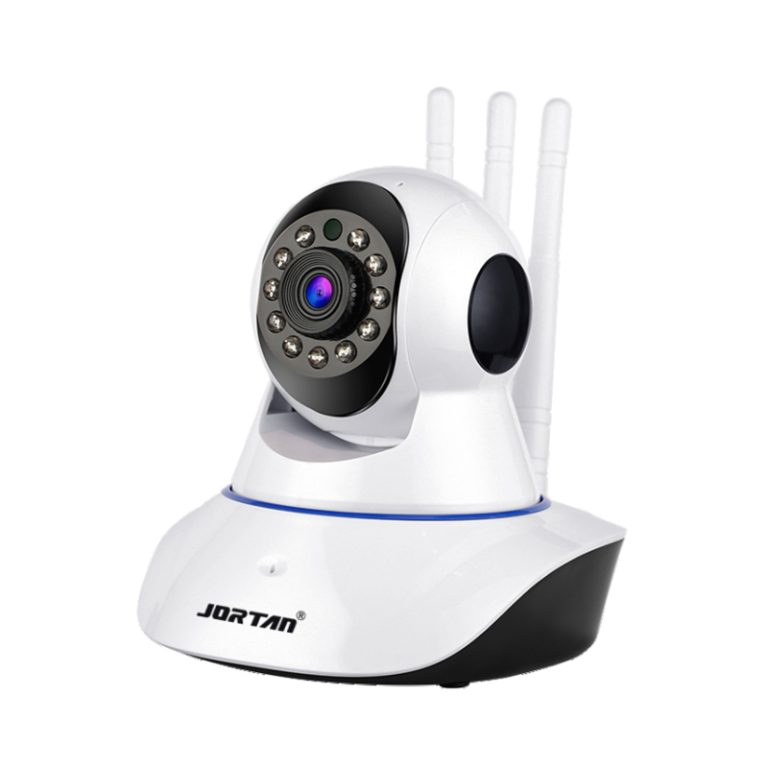
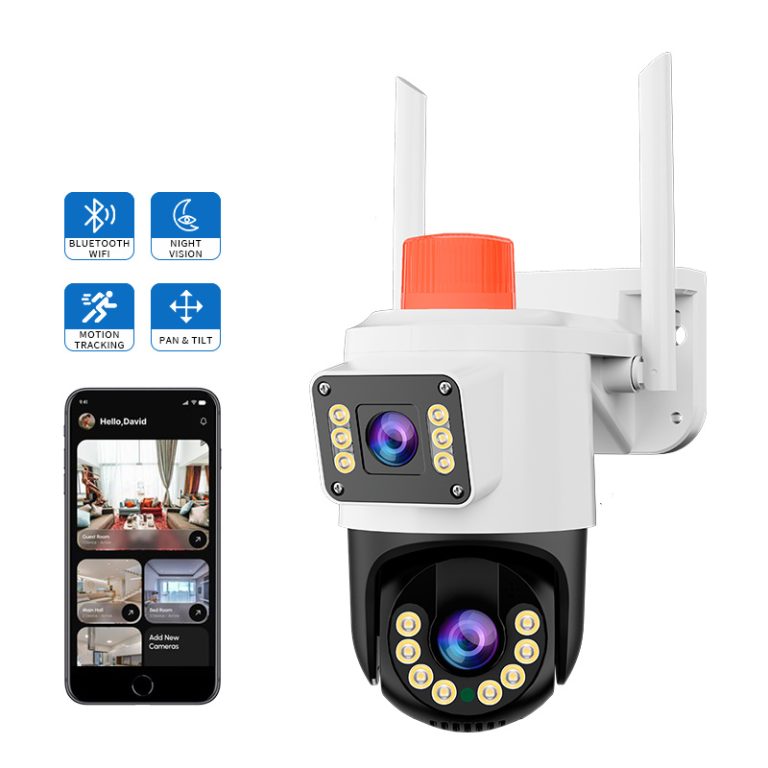
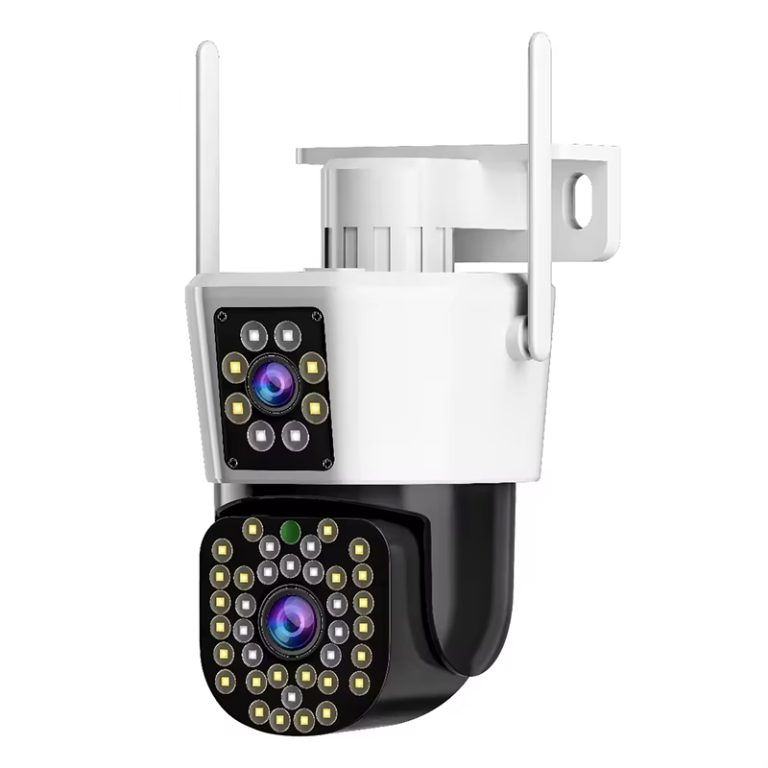
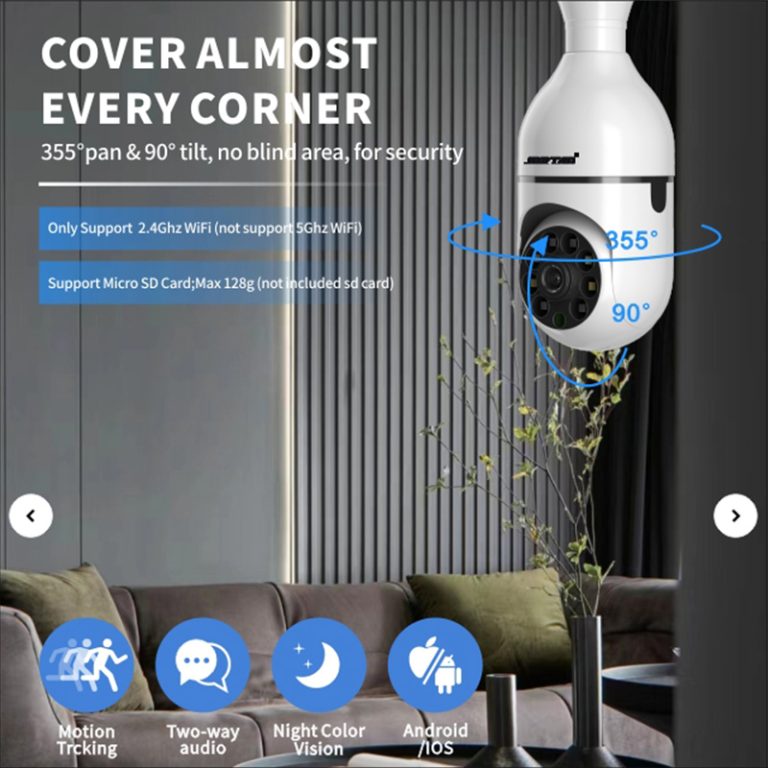
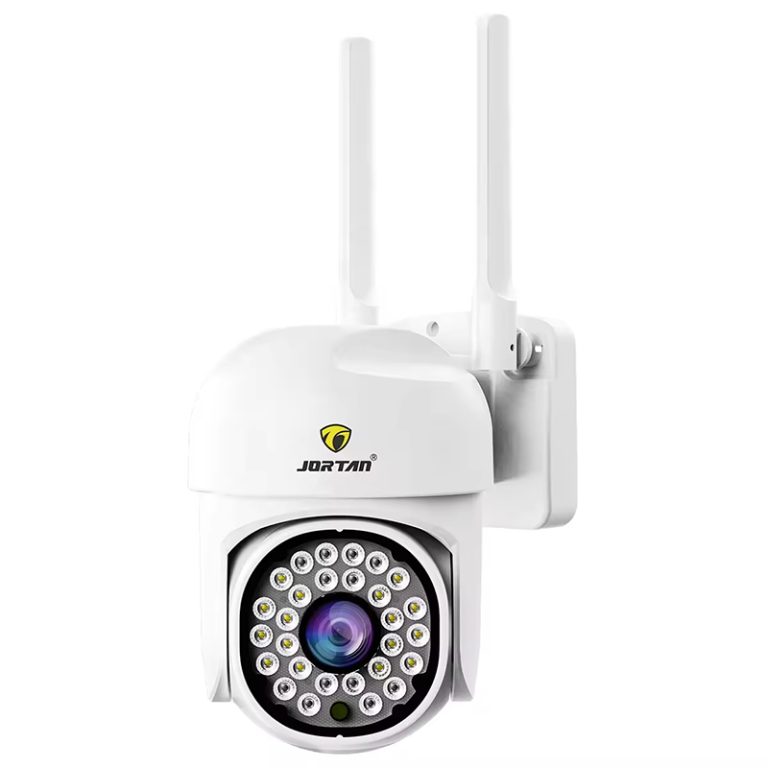
Jortan brings top-new solar cameras built just for work uses like yours. The firm shapes its goods around good work, strong build, and smart parts. It offers joined skills like AI move check, far-off reach via phone setups, and high-clear pictures fit for outside weather.
Their group of items has growable picks right for small fix jobs up to many-site builds needing main watch boards run by web number checks. Each tool stresses green ways through clean power use mixed with a tough IP67-rated guard against bad weather.
Jortan’s build team aims at making setup simple through part-by-part plans that allow fast put-up without big build money. This fits well with now green-aware building rules pointed at cutting air marks over world work fields. And with Jortan, you get tools that last and perform in real-world tests.
FAQs
Q: Can solar construction cameras operate in low-light conditions?
A: Yes, many models include infrared or full-color night vision features, ensuring clear visibility during nighttime operations.
Q: Are solar construction cameras weather-resistant?
A: Most units come with IP66/IP67-rated enclosures capable of resisting heavy rainstorms or dust exposure effectively over extended periods.
Q: How do I ensure my solar panels remain efficient?
A: Clean them regularly using non-abrasive materials while keeping surfaces angled correctly toward sunlight throughout seasonal changes for consistent performance levels.