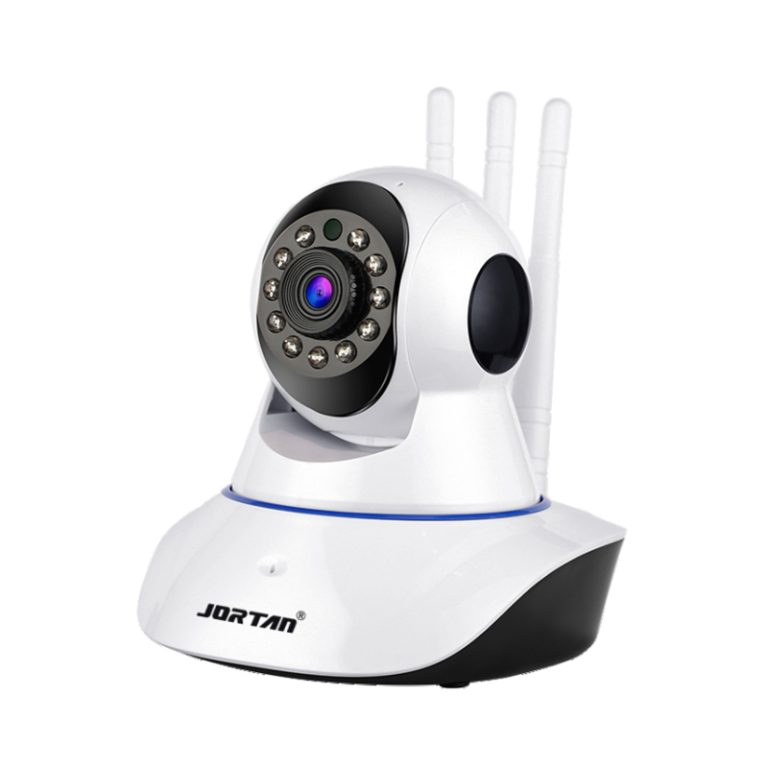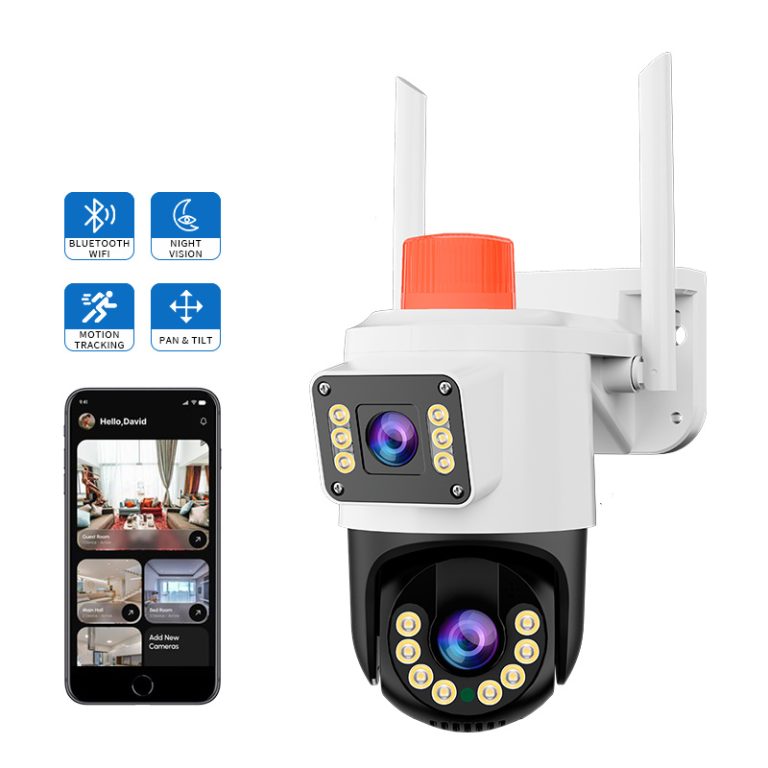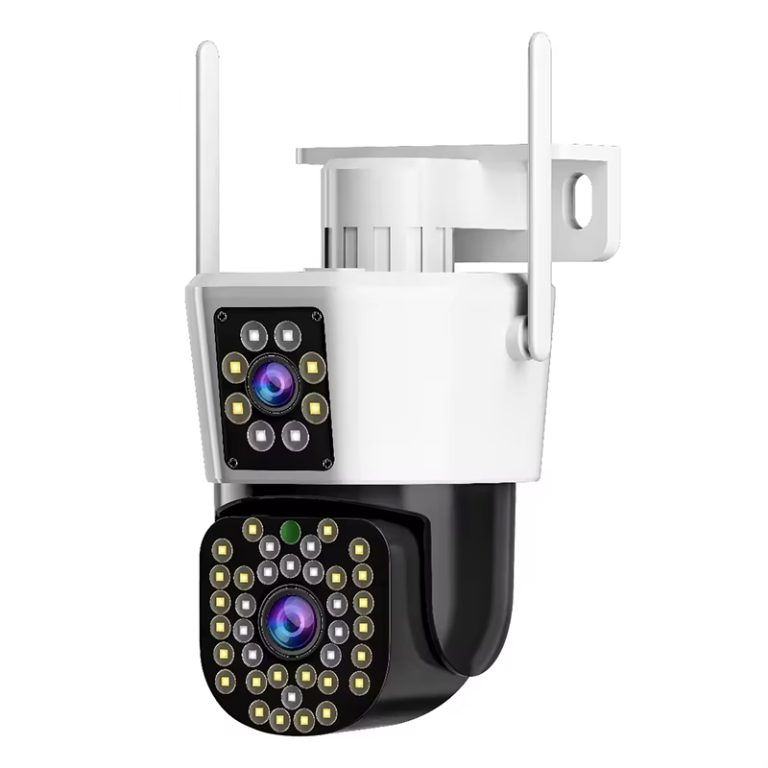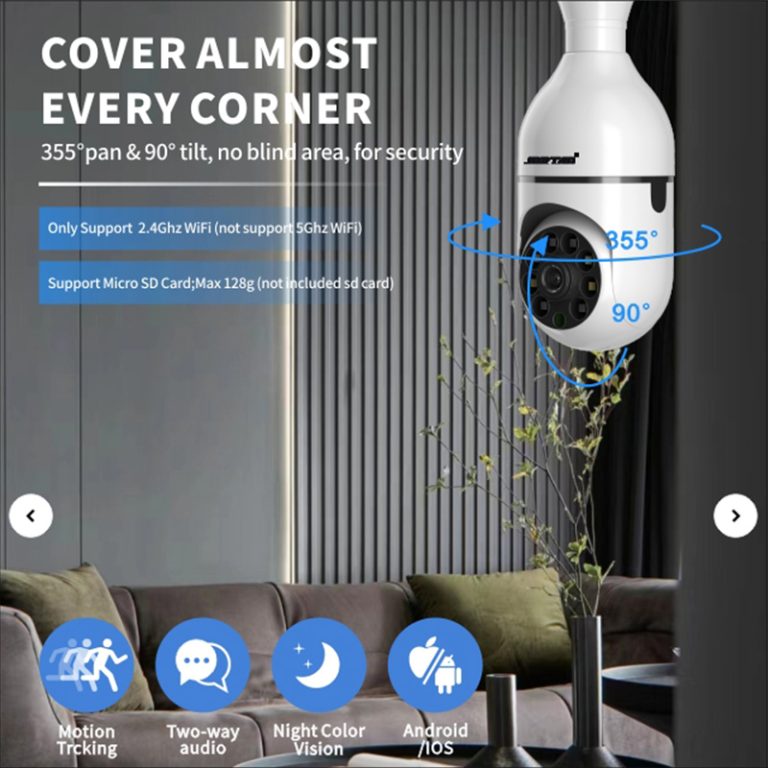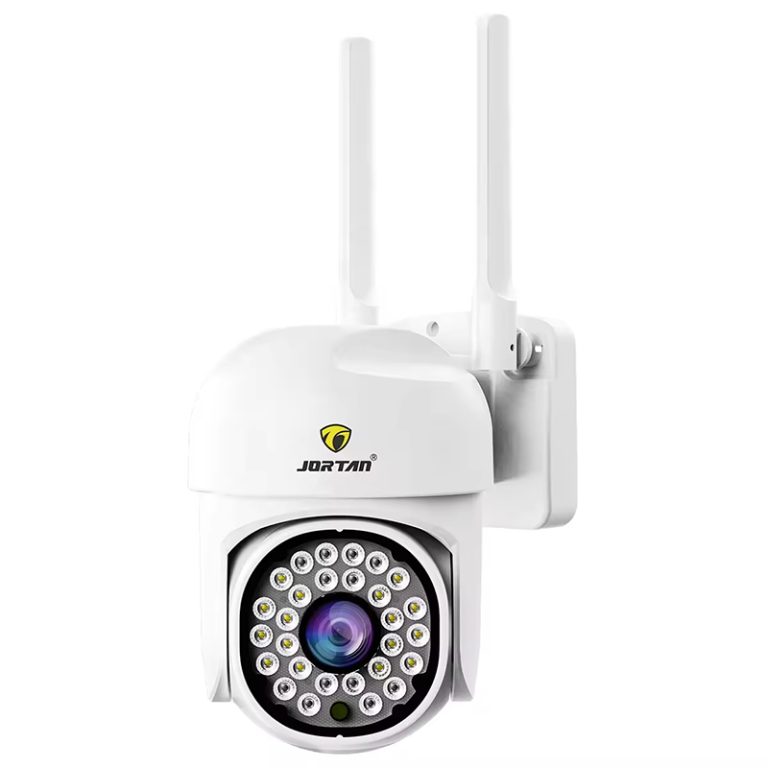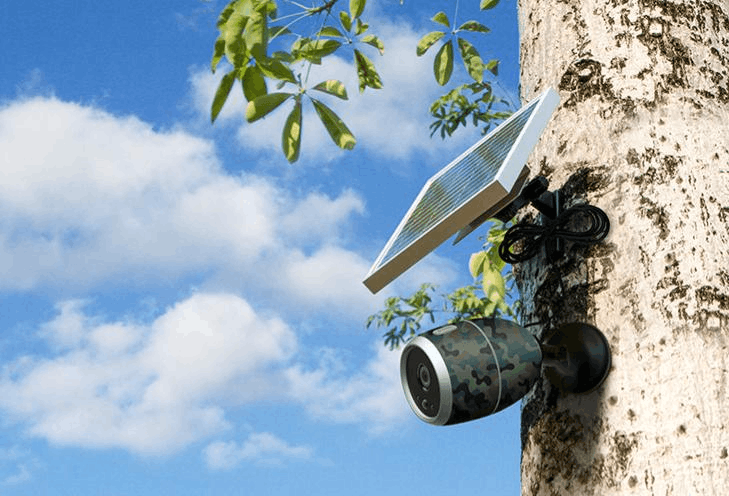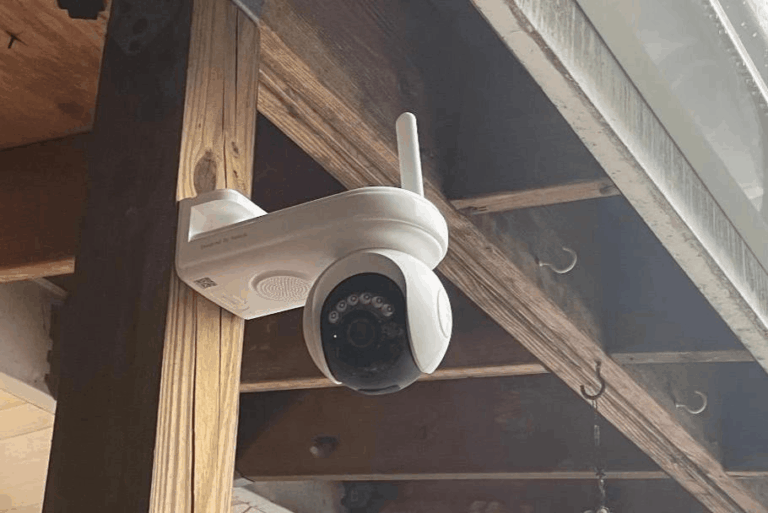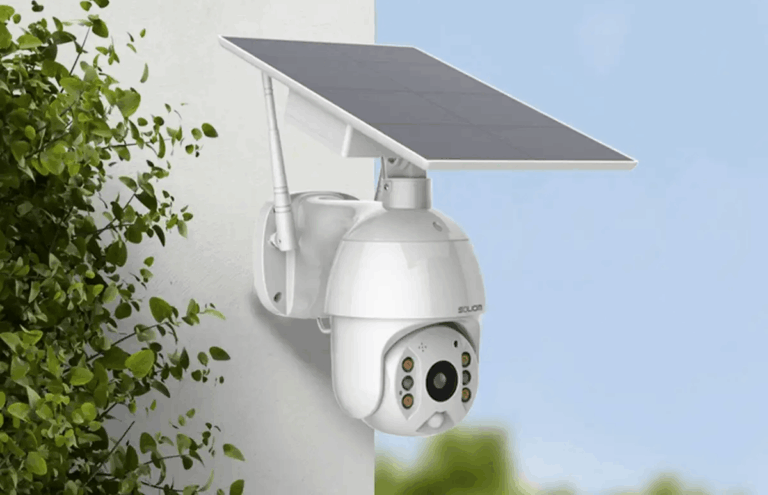
Ever feel like your security setup has blind spots all over the place? You put up a couple of fixed cameras around the house or office. But then a package disappears from the front steps. Or you overlook a weird car hanging around in the driveway. Those empty spots bother you a lot. This happens especially on long nights when darkness hides too many things. A pan tilt zoom camera helps fix that. It lets you scan large areas without needing to drill more holes or get a bunch of extra devices. The camera turns and zooms. It handles more space than a camera that stays still ever could.

What Is a Pan Tilt Zoom Camera?
Pan tilt zoom cameras, or PTZ for short, make up a big part of today’s security plans. They mix mechanical turns with clever lenses to deal with larger spots than cameras that don’t move. You get side-to-side panning for scans across the width. Up-and-down tilting covers heights. And zoom brings far-off details right up close. The main pieces are the camera housing, motors that drive the moves, and a lens setup that changes focus quickly. Lacking these, you end up with small views that skip over plenty of what happens.
Definition and Core Components
Deep down, a PTZ camera grabs light with an image sensor. This works just like in other watching tools. Then add motors. One handles the pan. Another takes care of the tilt. The zoom lens changes its focal length. This makes the view narrow for close looks or broad for big pictures. Sensors deal with dim light using infrared or white LEDs. They pull out clear pictures even when the sun goes down. Ball-shaped covers shield these parts outside. They reach IP66 levels against water and dirt. Oh, and sometimes folks forget how those little LEDs can flicker in heavy fog, but that’s rare with good brands.
Evolution in Security Surveillance
These cameras began as heavy machines for huge places like plants or warehouses. Old versions used analog signals through thick coax wires. They only worked over short distances. These days, digital wires send high-definition video to any spot. AI even spots folks or cars by itself. From those old CVBS setups to sharp 4K flows, the shift lets you follow one person’s face through a whole parking area. Not just fuzzy outlines anymore. Setups with gun and ball cameras team up fixed wide views with zooming balls. This leaves no empty patches.
Jortan’s Commitment to Innovative PTZ Design
If you want equipment that holds up, turn to Jortan. They’re based in Yiwu and mix making, planning, and help since way back. They build monitors and lights across more than 30,000 square meters of space. Tech groups adjust things for tough real-life use. They put quality at the top. You see it in their papers and sales around the world. Their PTZ models slide right into homes or outdoor areas. They offer OEM changes if you need something special. Take a look at their background to see how they keep prices low but bump up the good stuff. Strong help wraps it up. This includes tips for setup and quick repairs. One guy I know in retail said their support line fixed his glitch in under an hour—beats waiting days.
What Factors Influence PTZ Camera Coverage Area?
What you cover depends on the situation. Not every setup fits all. The height counts a bunch. Mount it low on a wall, and it sticks close to surfaces. Raise it on a pole, and you see farther out. The lens picks the base view. Wide ones work for groups of people. Narrow ones suit gates or doors. Bad weather messes things up too. Fog slices the distance like a thick blanket. Always try it in your own area first. Otherwise, you end up hunting shadows on the screen. And hey, birds nesting on the housing can throw off aim sometimes—annoying but fixable with a quick clean.
Lens Focal Length and Field of View
Lenses with short focal lengths, say 2.8mm, open up wide views. They might hit 100 degrees across. Ones with longer lengths, like 12mm, squeeze the view to 30 degrees. But they reach out farther when zooming. Some systems use multiple lenses. They connect views for full circle shots with no breaks. In a school playground, a wide 2.8mm catches the whole swing set area at once.
Sensor Resolution and Image Quality
Larger pixels give better clearness when zooming. A 2MP sensor stays good up to 50 meters. 4K ones push to 200 meters with details holding strong. Tools to cut noise help clean up shots in low light. This keeps faces easy to see when lamps dim. From my chats with installers, 4K really shines in rainy evenings—cuts through the blur better than lower res.
Environmental Conditions and Installation Height
Rain bounces light around and halves what you see. Put it at 3 meters for backyards. Go to 10 meters for open lands. Wind shakes flimsy models. So solid stands make a difference. In coastal spots, salt air eats at cheap metal fast—go for coated ones if you’re near the sea.
How Far Can a Typical PTZ Camera Monitor Effectively?
How far it watches changes with the place. Inside, 20 meters suits entry halls well. Outside, zoom reaches 300 meters on sunny days. But bushes cut that in half easy. Tests in the real world show 50-meter clear night sight with solid LEDs. Past that, things turn to vague forms. Choose based on your property edge. Not just sales talk.
Indoor Applications and Close-Range Limits
Inside houses, PTZ covers kitchens up to 15 meters. It sweeps hallways fully. This grabs kids playing or strangers sneaking fast. In an office break room, it watches from corner to corner without blind walls.
Outdoor Scenarios and Long-Distance Reach
Backyards go to 100 meters with 10x zoom power. Road watchers handle streets at 500 meters. But for home use, 200 meters tops for sharp details.
Real-World Examples from Jortan Deployments
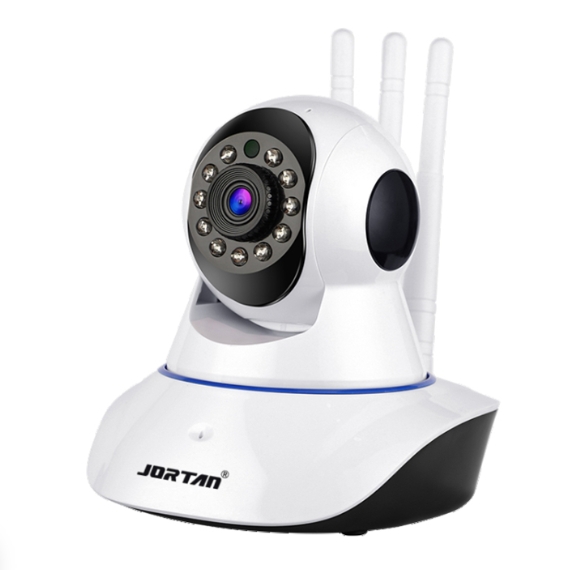
Look at the JTZ-160B. It spins full turns in store parking areas. It grabs license plates at 80 meters out. People connect it to apps for far-off checks. No rushing to the driveway anymore. A small business in Texas used three of them to cover a 5-acre lot—dropped their theft reports by 70% in a year.
Why Choose Jortan’s JTZ-160B for Expanded Coverage?
This version stands out in everyday mixed areas. It blends simple use with strong output. You get two streams for easy app running. Plus tools to trim noise for clear dark shots. It’s plain looking. But it steps up when things get serious. Like noticing a slow driver before issues start. Hook it to buzzers, and the watch feels active. In quiet suburbs, it pairs well with porch lights—motion flips them on just right.
360-Degree Pan and 90-Degree Tilt Specifications
The pan goes around without end. Tilt reaches from ground level to ceilings. Forget twisting your neck at odd spots.
20x Optical Zoom for Versatile Monitoring
Drag faces from field ends close. Then spread out in a snap. It keeps videos handy. Not only nice to look at.
Integration with Smart Home Systems
It hooks to wireless centers. Sends phone warnings on moves. Cloud saves clips. So storage cards don’t overflow fast. With Alexa, voice commands pan to the garage—handy after dark.
What Makes the JT-9689UQJ Ideal for Large-Scale Surveillance?
For heavy tasks, this model pulls hard. 4K grabs every bit into focus. Even along the sides. Seals against weather last through bad storms. AI follows without constant watch. Ever dropped a video to bugs? This one fights back. It saves on site or in the sky. A warehouse chain rolled out 50 units and cut response times to alerts by half—real efficiency gain.
High-Resolution 4K Imaging Across Vast Areas
4K covers 300-meter scans with fine points. Groups of people show clear faces. Not mushy dots.
Weatherproof Design for Outdoor Durability
IP67 ignores heavy rains and grit. It hangs on for full seasons. Not just a few months. In Florida hurricanes, these held up while others quit.
AI-Enhanced Tracking for Continuous Coverage
It tails people walking. Ignores blowing papers. Warnings land on phones clear and quick. During a festival, it locked on pickpockets through crowds—security loved it.
How to Maximize Coverage with Jortan PTZ Solutions?
Begin with sketches. Mark spots for mounts that overlap a bit. Apps set up paths. They scan main areas in repeats. Check zooms each day. Lenses can mist up now and then. Blend types like the JT-9689UQJ for big yards. Use the JTZ-160B inside. Adjust how touchy it is. Set too high, and pets set off noise.
Strategic Placement and Multi-Camera Setup
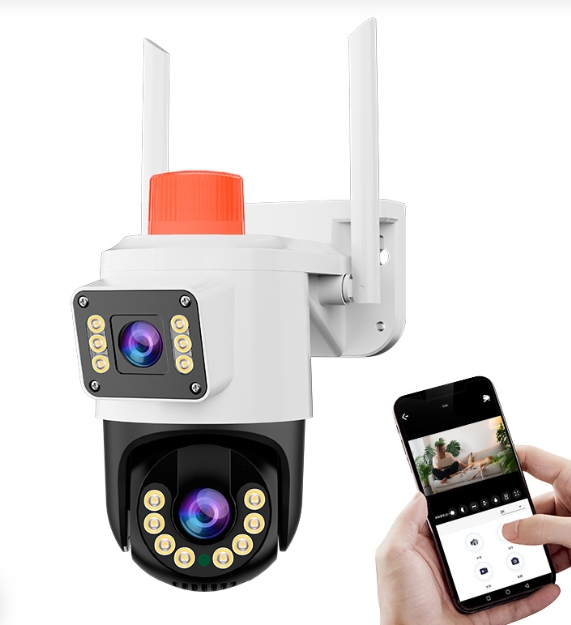
Lift them high for broad sights. Point down walkways. Join two for full rounds without joins.
Software Optimization for Seamless Operation
Apps send buzzes and keep videos. Refresh the software. Old versions slow down. Link to email for overnight clips—wakes you if needed.
OEM/ODM Customization for Tailored Needs
Their OEM/ODM services let you tweak the basics—swap in a 12mm telephoto lens for sharper zooms or add extra IR lights for 50-meter glow in pitch black.
FAQ
Q1: Can a PTZ camera work without internet?
A: Yes, it saves videos on local cards up to 128GB. Use a mobile hotspot for close looks. No full WiFi required. Great for cabins off-grid.
Q2: How often do PTZ motors wear out?
A: Solid ones go five years with daily turns. A bit of oil keeps them quiet. Weak motors groan sooner. Check every six months if it’s outdoors.
Q3: Does zoom lose quality at max?
A: Optical holds sharp. Digital fades after 10x. Go optical for clear tags. In tests, 20x optical nailed details at dusk.