Today’s security setups need more than simple picture taking. They count on steady ways to send, handle, and link data over networks. IP wireless and wired camera systems mix clear digital pictures with easy connection options. This setup allows firm watching in many kinds of places. Before we look closely at how well they work, it helps to grasp how these systems fit into a larger security setup.

What Makes IP Wireless Wired Camera Systems Effective for Modern Security?
The growth of current security tools has come to a stage where ease, sharpness, and links are basic needs. They are no longer just extras. IP wireless wired camera systems provide a smart mix of tools that meet key watching tasks. At the same time, they cut out old setup problems. This mixed design is changing the way people protect homes, shops, and buildings.
Why Combine Wireless and Wired Technologies Enhances Surveillance Reliability
Wireless video watching works best in spots where normal wires are hard to use. Wireless methods with full access in three ways can fix wire issues easily. This helps cover the weak points of wired network links. Wireless cameras use Wi-Fi, 4G/5G, or microwave links to allow simple placement in tough or far-off areas.
Still, even top wireless plans face issues like signal blocks, data speed limits, or power needs. Here, wired methods come in strong, especially Ethernet or Power-over-Ethernet (PoE). These give a solid base for data and power flow. When the NVR handles this method, it cuts down a lot on wires and power needs for the cameras. That matters in places where customers are around.
With a mixed IP wireless-wired camera system, you get the strength of wired parts for power and data flow. You also gain the ease of wireless for far-off links and simple growth. Such systems work well in blended spots, like stores with inside and outside watching needs.
How IP Technology Improves Image Quality and Data Management
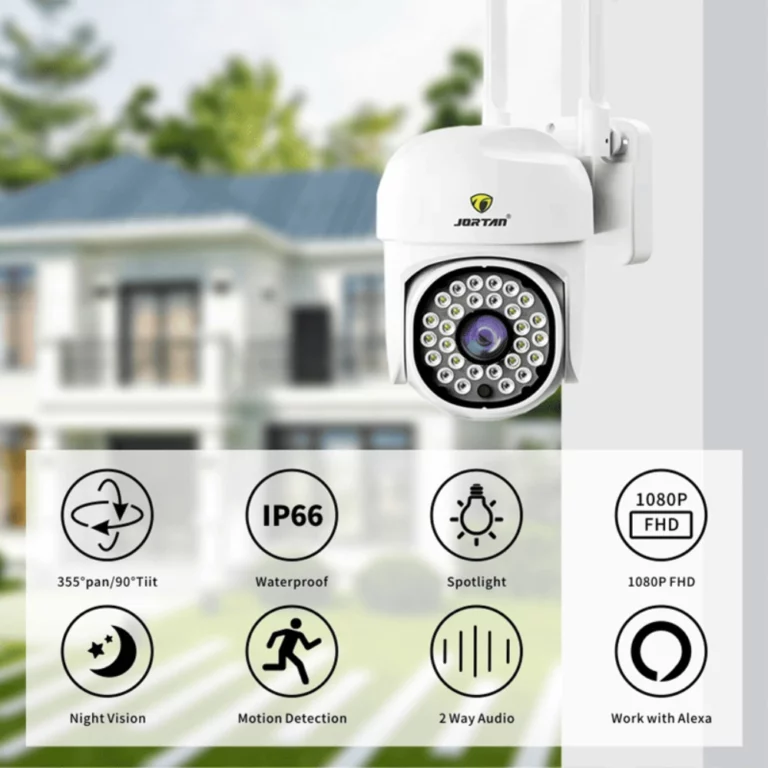
The core of these systems is IP (Internet Protocol) tech, which sends digital video over network lines. This brings big gains in video sharpness. Many IP cameras now catch in 1080p or better. 1080P high-definition picture quality, automatically activates infrared mode in low light, ensuring excellent visibility even at night.
Digital sending also allows setup from afar and live views through safe apps or web pages. Tools like dual-streaming help you watch live in lower detail while saving full HD or even 4K clips. Smart squeeze methods, such as H.265, cut down on storage space and data use without losing clear details.
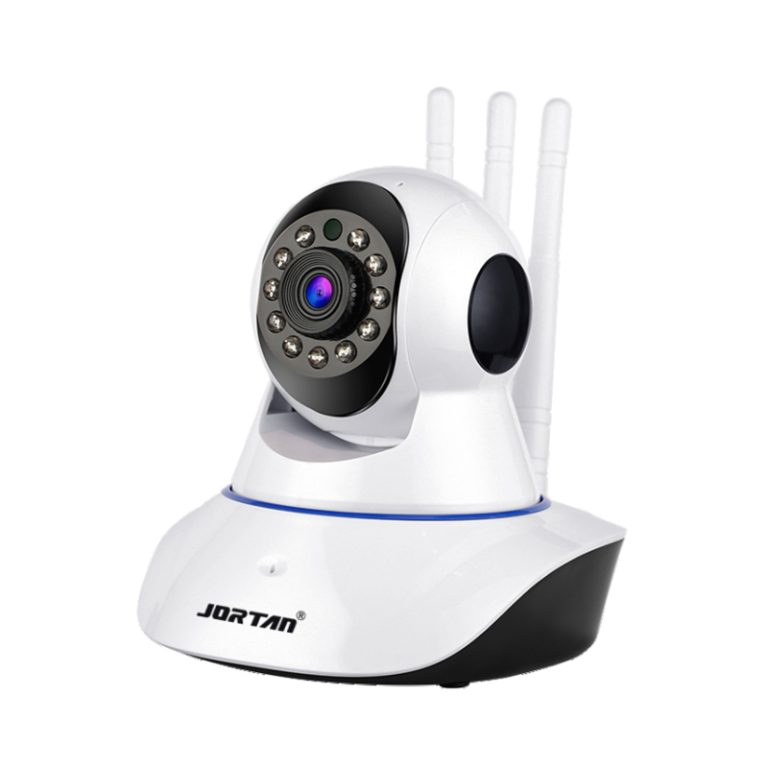
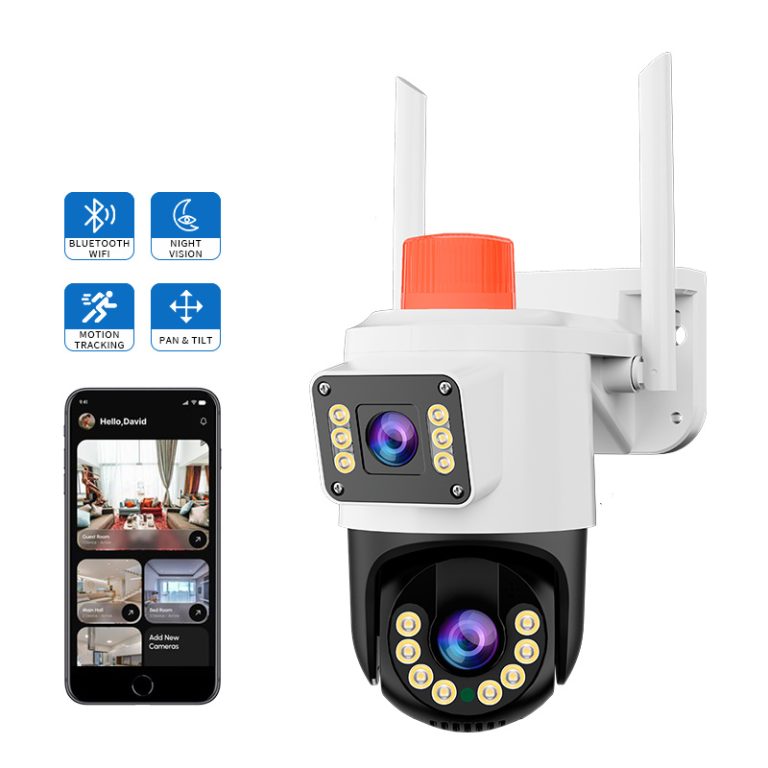
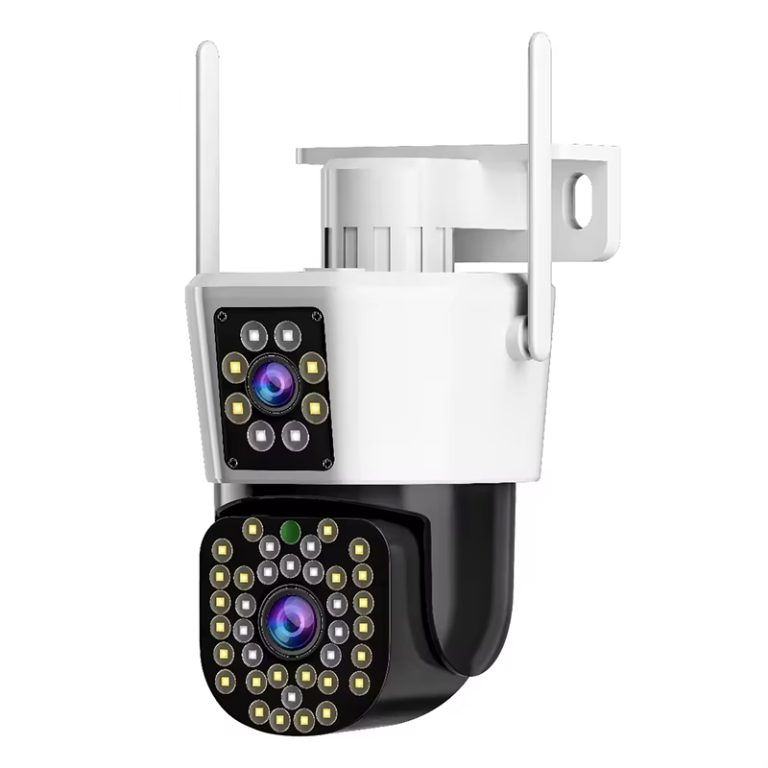
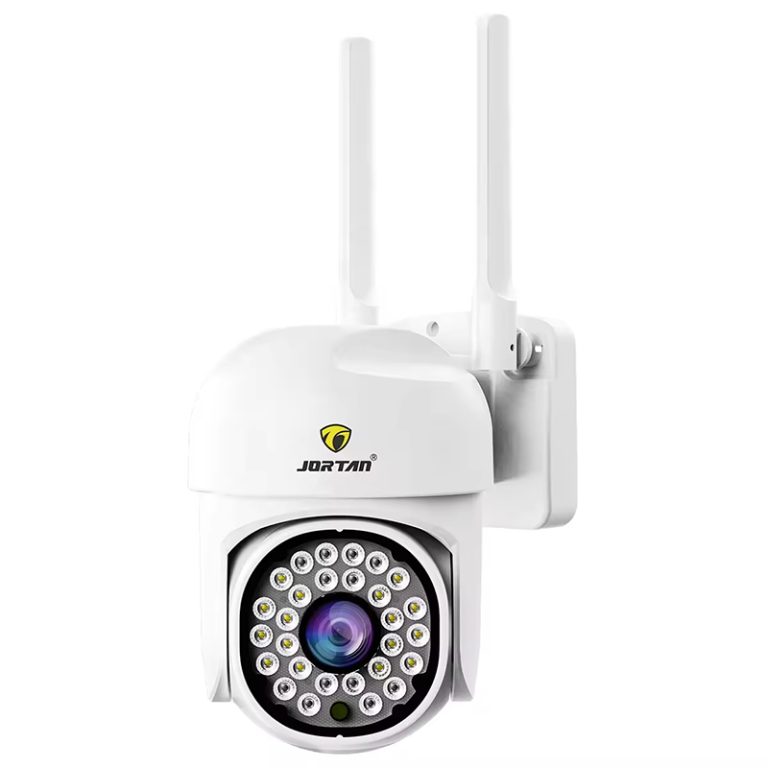
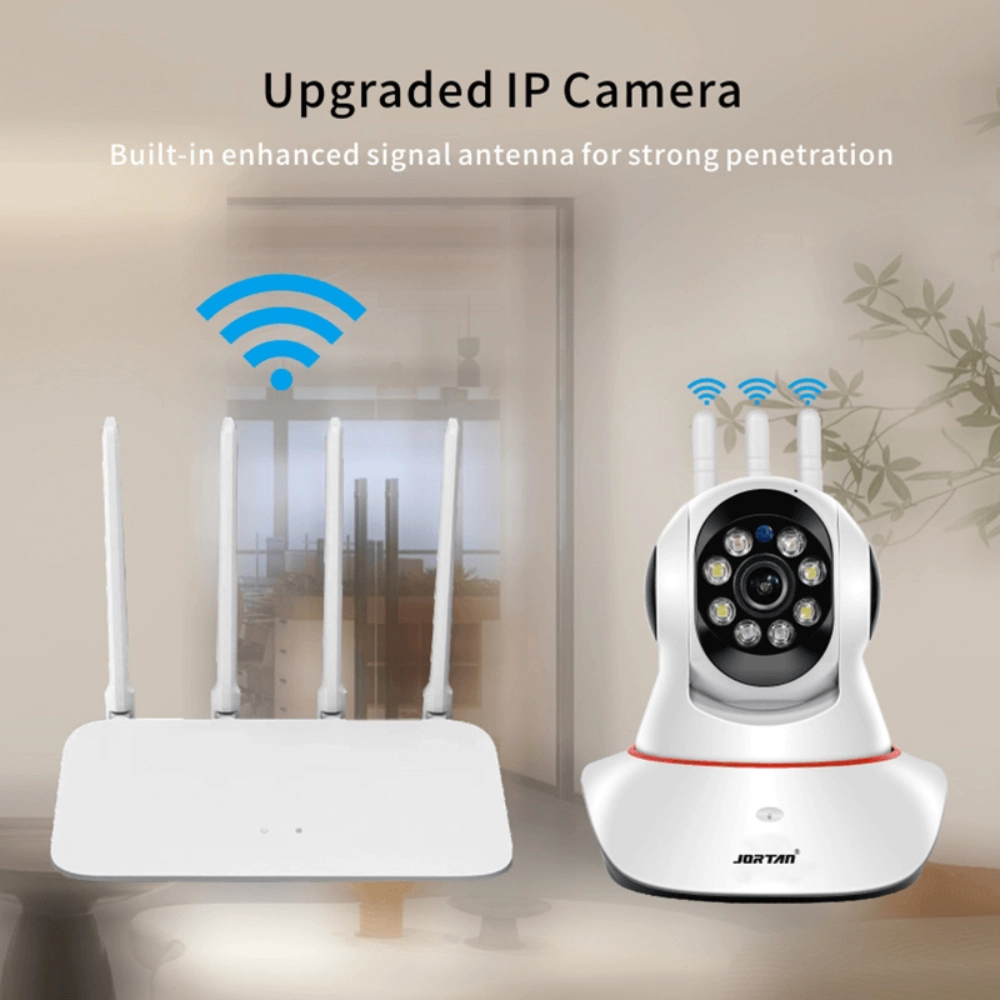
One product that does great in this field is the Jortan’s outdoor camera. It handles both Ethernet and Wi-Fi links. It gives night vision up to 30 meters, motion spot alerts, and smooth ties with NVRs. This makes it a top pick if you want easy setup with strong work.
How Do These Camera Systems Operate in Real-Time Environments?
After setup, mixed IP cameras do not just record quietly. They react to changes around them and to what users ask. Their skill to work well in active settings is what makes them useful in security networks.
What Happens When the Camera Detects Motion or Sound?
These cameras use smart sensors to spot moves or odd sounds. By using PIR technology and motion detection, alarm accuracy is improved, and device wake-up quickly starts recording. This way, only key events start saves or send notes to your phone.
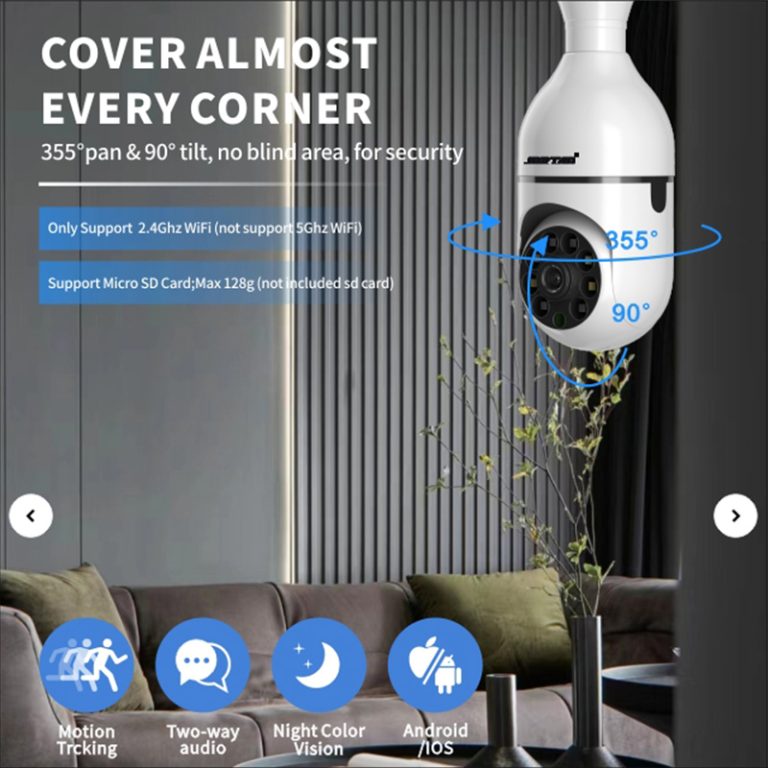
Many types also have built-in mics and speakers for talking back and forth. The device has a built-in microphone and speaker, supporting two-way voice communication, allowing you to stay connected with family anytime. You can say hello to a delivery worker or scare off someone unwanted. This adds a way to interact in your security plan.
Time marks and event notes make checking clips simple because they show just when things happened. This is key for home checks and shop record keeping.
How Do Cameras Handle Network Communication and Storage?
Mixed systems link through Wi-Fi or Ethernet to local network video recorders (NVRs) or cloud spots. Supports one-click wireless pairing with wireless NVRs, wireless touchscreens, and base stations (gateways). Dual-streaming support allows simultaneous real-time monitoring and high-resolution recording.
Save choices go from TF cards up to 128GB to built-in cloud help. Supports TF card storage data, has a built-in TF card slot, and can support up to a 128G memory card to achieve long-term recording and storage of images and videos. Most plans give safe, far-off access through locked phone apps or web views. So, you can stay in touch no matter where you are.
Why Should You Choose a Hybrid IP Security Solution Over Purely Wireless Ones?
While only-wireless systems bring ease, they have limits that can hurt your safety. Mixed designs fix these problems with a fair way forward.
What Are the Practical Limitations of Fully Wireless Cameras?
All-wireless cameras often use battery power, which needs regular refill or swap. Battery-powered cameras: No wiring required, but require regular charging. Signal power can drop from walls, far spots, or gadget blocks, mainly in shops or tall buildings.
Save limits are another worry. Onboard TF cards help, but they hold little space. This raises chances of lost or covered clips in long events.
How Do Wired Features Solve These Issues While Keeping Flexibility?
Power-over-Ethernet (PoE) fixes power problems by sending power through the same line as data. Another approach is to have cameras support PoE (Power over Ethernet). If the NVR supports this technology, it can significantly reduce the cabling and power supply required for the cameras.
Wired links also handle more data speed for sending full 4K video flows without squeezing. Wireless nets may not keep up with that all the time. The best part is you still get far-off access through wireless apps. At the same time, your main system stays strong against breaks.
Which Features Should You Prioritize When Selecting a System Like This?
Picking the right IP wireless wired camera means looking at parts that give real safety gains, not just showy numbers.
Why Resolution, Night Vision, and Storage Options Matter Most in Critical Scenarios
High-detail sharpness lets you see small things like car plates or faces in bad times. Paired with infrared lights or dim sensors, you keep sight even in full dark. 1080P high-definition picture quality, automatically activates infrared mode in low light, ensuring excellent visibility even at night.
Growable save space means you won’t miss key clips from full limits. Seek choices that handle local TF cards and cloud saves for the most ease.
How Smart Integration Enhances Surveillance Efficiency and Response Time
Today’s top systems do more than save; they check actions with AI tools. Motion follow, item spot, and pattern see help find risks early.
Ties with smart locks or bells boost your quick-fix power. Push notes let you act right away from your phone. That could mean turning on a bell or calling for help.
Who Can Benefit Most from Installing These Advanced Camera Systems?
From guarding a home to a shop or public spot, mixed IP camera systems give fit answers that grow with what you need.
Why Businesses, Homeowners, and Institutions All Gain from This Setup
Shop owners use these to watch front areas, stop thefts in storage, and keep buyers safe. For home folks, it means guarding drive spots, doors, and yards from any place in the world through phone apps. They do not require cable layout, eliminating the trouble of cable layout and making security more convenient and intelligent.
Places like schools or health centers use them for live checks of halls, doors, and exit paths. This raises safety for workers and guests.
If you seek a pro-level mixed system that blends toughness with smarts, think of Jortan as your sure guide. Their group gives high-detail clearness, strong wireless-wired ties, and new smart parts made for homes and shops.
FAQ
Q: Can I install an IP wireless wired camera system myself without professional help?
A: Yes. Many hybrid systems are designed for DIY installation with step-by-step app guidance and intuitive interfaces.
Q: Will the system continue recording if the internet goes down?
A: Absolutely. If connected via Ethernet or PoE to a local NVR, your system will continue recording even without internet access.
Q: Is it possible to expand my system later by adding more cameras?
A: Yes. Most hybrid systems support multiple camera channels so you can scale your surveillance coverage without needing to replace existing hardware.