
Have you ever gone through security footage after an incident, only to find the key moment happened just out of frame? Or dealt with monitoring a vast outdoor area where power lines and cables create huge gaps in coverage? These blind spots can turn a solid security setup into a weak link, leaving properties exposed to risks. Dual lens solar cameras step in as a smart fix. They blend wide-angle views with detailed close-ups, all powered by the sun for reliable, off-grid operation. No more worrying about blackouts or wiring hassles. For businesses and homeowners alike, this tech means fuller protection without the usual headaches. In this post, we’ll dive into how these solar powered security cameras eliminate vulnerabilities while fitting seamlessly into modern needs. Whether you’re securing a warehouse or a backyard, understanding dual lens tech could change how you approach surveillance.
Dual Lens Advantage: See Wide and Close Simultaneously
Dual lens cameras mark a shift in how we handle security monitoring. Instead of relying on one view that might miss edges or details, these systems capture both broad scenes and focused shots at once. This approach suits anyone tired of piecing together incomplete footage from traditional setups. As more properties turn to wireless options, the appeal grows—think fewer devices needed for the same coverage. Now, let’s look closer at what makes this technology tick.
Core Technology and Working Principle
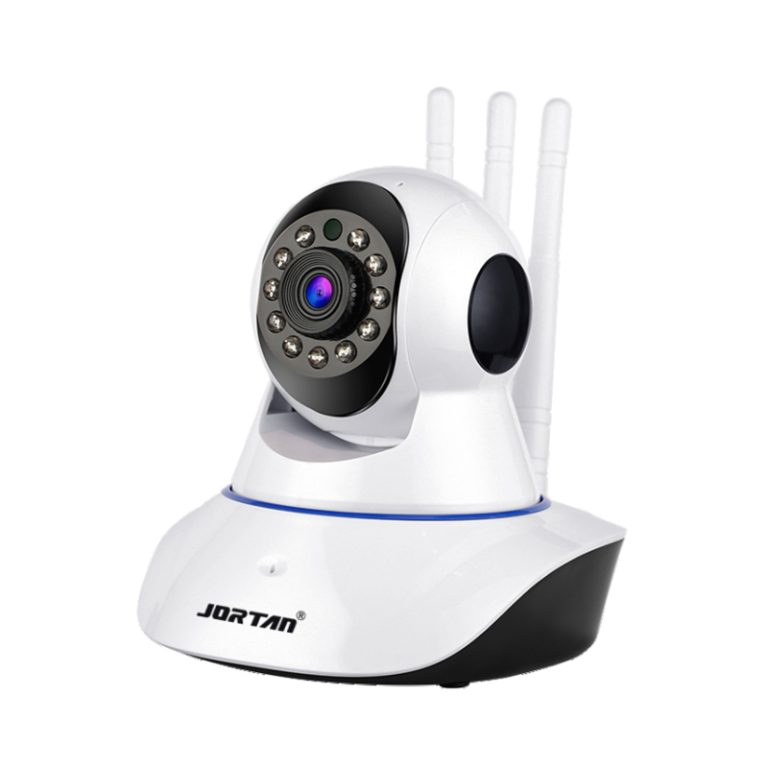
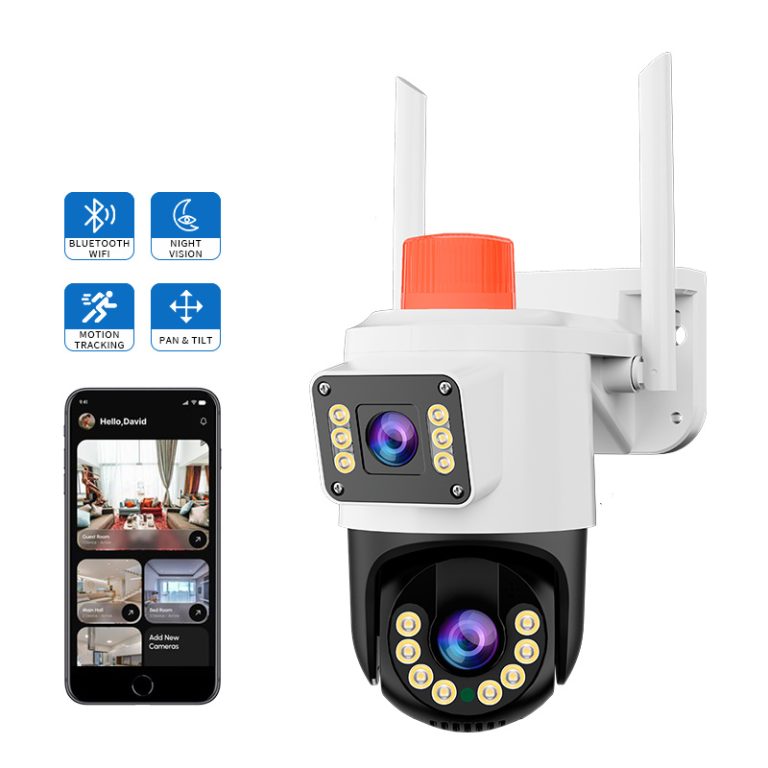
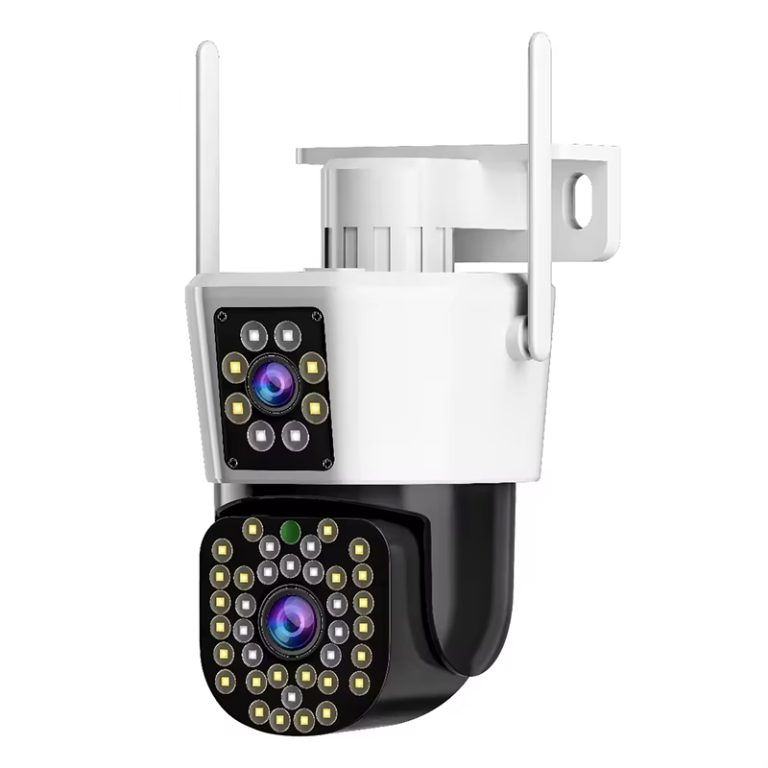
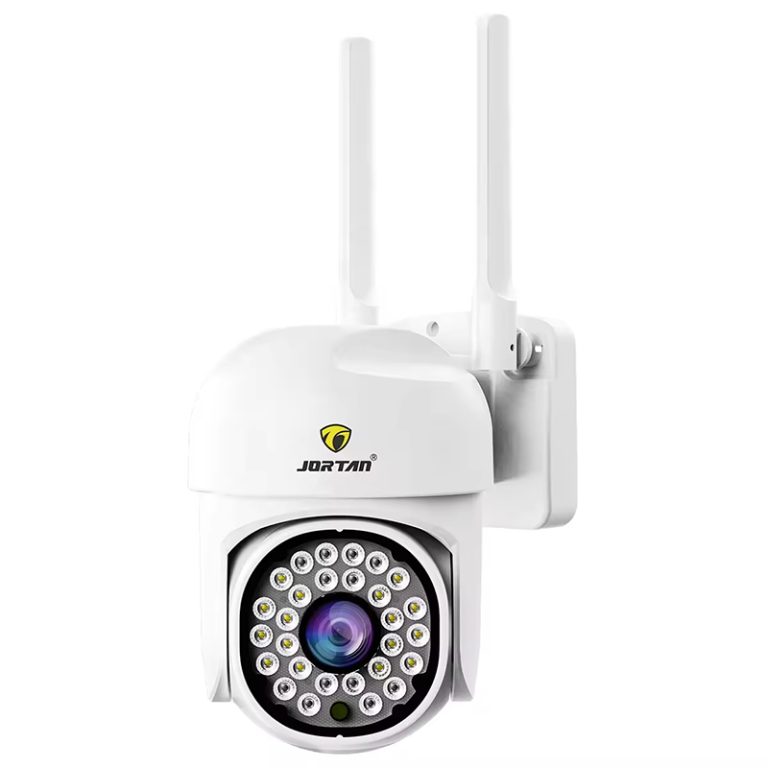
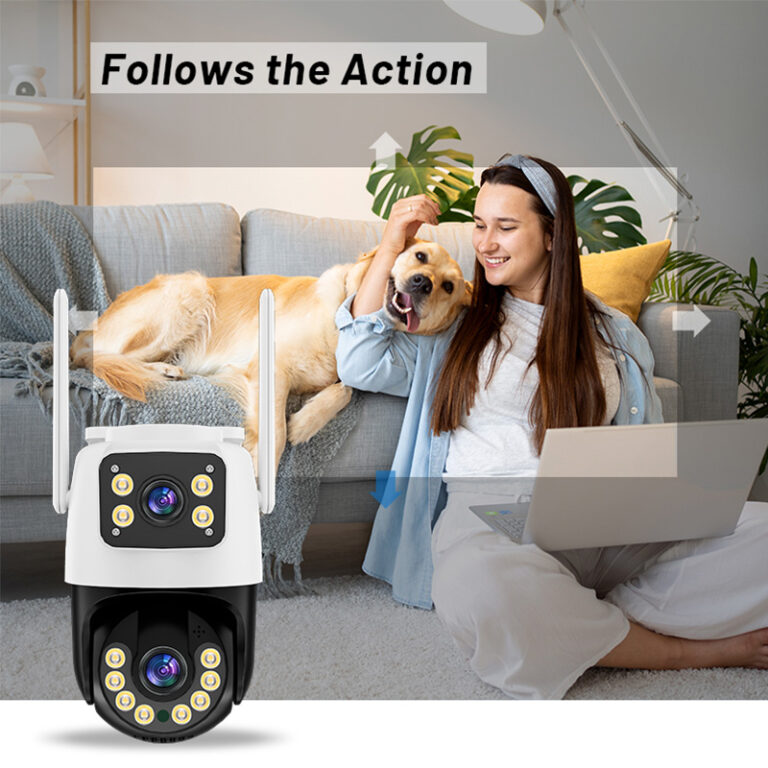
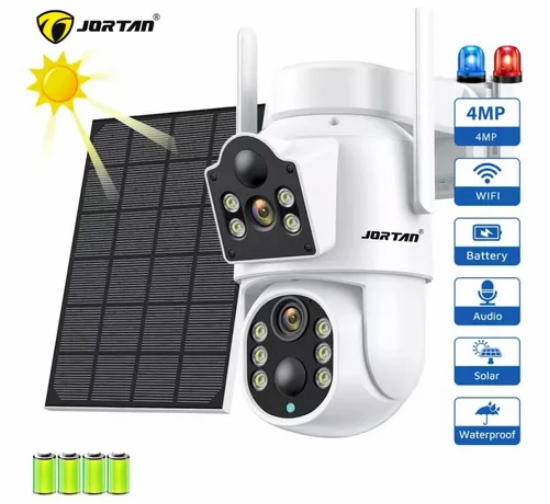
At the heart of a dual lens solar camera lies two separate lenses working in tandem. One handles wide-angle coverage, often spanning 120 degrees or more, while the other zooms in for clarity on specific areas. In models like the Jortan full color smart camera, each lens clocks in at 3MP resolution with a 3.6mm focal length. This setup stitches images together seamlessly via apps like ICSEE, creating a unified feed without distortion.
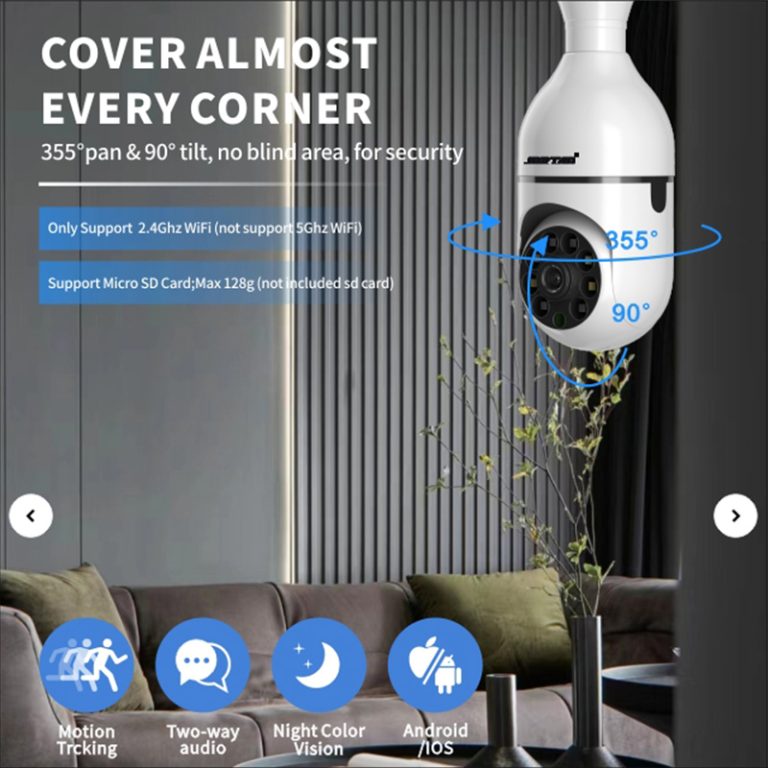
Power arrives from built-in solar panels. For example, a 7.5W unit works with an 10800mAh battery pack. Sunlight fills the system during the day. It saves energy for night use. Motion spotting starts with PIR sensors and radar. They notice movement up to 12 meters away. Add PTZ controls for 355-degree side panning and 120-degree up-down tilt. You get a wireless 360 panoramic camera that changes quickly. Night vision shifts between infrared for black-and-white views up to 30 meters. And full-color mode uses white LEDs for better small parts in dim light.
This is not only about parts. It is how all things connect. WiFi links let users see live feeds from far away. Two-way audio lets direct talk. For a solar-powered outdoor security camera, this means no cables running over your land. Just put it up and let the sun handle the job.
Shifting from basics, it’s worth noting how this stacks up against older single-lens models. Many users report frustration with limited fields of view that force extra cameras—and extra costs. Dual lens designs cut through that noise, offering real gains in everyday use.
Concrete Benefits Over Single-Lens Systems
Single-lens cameras often leave gaps; studies show up to 40 percent of monitored areas can end up as blind spots in standard setups. A dual lens solar camera fixes this by overlapping views—one lens grabs the big picture, the other drills down. Coverage jumps by about 60 percent, per industry reports from sources like FS.com.
Take low-light scenarios. Traditional cameras might wash out details at dusk, but dual setups with color night vision—like in the Jortan wifi camera—deliver crisp images even after sunset. Users see colors and faces clearly, aiding quick identification. In addition, with fewer units needed, installation drops—some estimates peg savings at 30 to 50 percent on hardware alone.
In practice, this translates to peace of mind. For a small business owner, it means catching shoplifters from multiple angles without blind alleys. Homeowners appreciate the wireless freedom, knowing their solar security camera won’t fail during outages.
Solar Power: Enable True Wireless and Sustainable Security
Building on dual lens strengths, solar power takes things further by ditching dependencies on grids or batteries that need constant swaps. This makes solar-powered security cameras ideal for remote spots where running wires isn’t feasible. As environmental concerns rise, these systems also appeal to those wanting greener options. They run clean, cut costs over time, and keep watch without interruption. Let’s explore how they overcome location barriers first.
Breaking Free from Infrastructure Limits
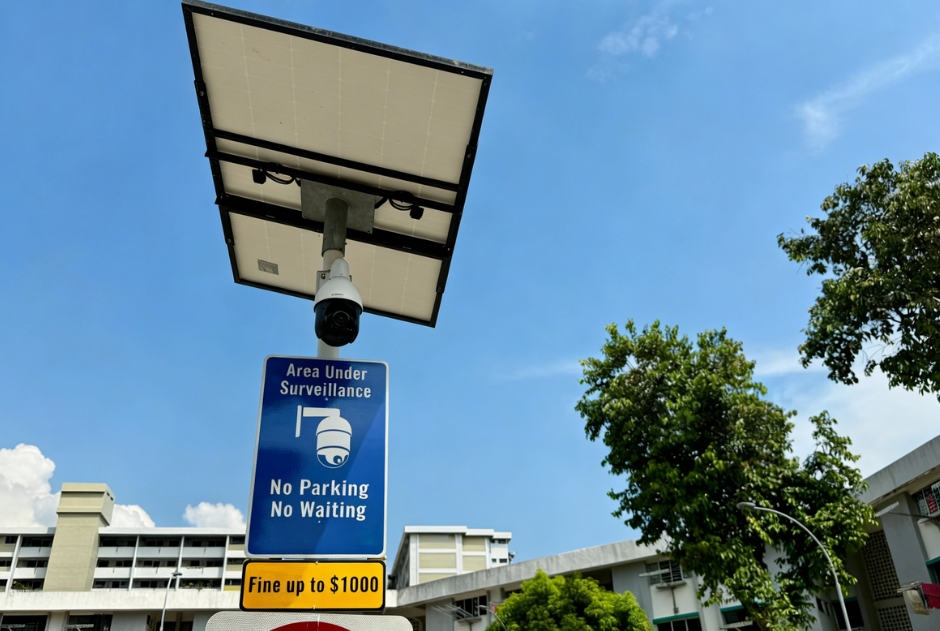
Solar-powered outdoor security cameras shine in places without easy power access. Mount them on a fence, a rooftop, or even a construction site—they pull energy straight from sunlight. A typical setup, like the dual lens solar camera from Jortan, uses a 7.5W panel to recharge its 10800mAh battery daily. That ensures 24/7 operation, even on cloudy days, with standby power as low as 5mA.
Installation is quick and simple. No trenches for cables, no permits for electrical work. Reports from WCCTV note that mobile solar units deploy in hours, versus days for wired systems. This flexibility suits farms, where a wireless 360 panoramic camera can oversee livestock across acres, or urban lots needing temporary surveillance.
Uninterrupted monitoring comes built in. During tests, these cameras maintain feeds for up to 5 days without sunlight, thanks to efficient batteries. For Jortan wireless camera users, this means reliable alerts via app, no matter the spot.
With freedom from wires covered, it’s natural to think about the bigger picture. Solar tech doesn’t just solve practical issues; it ties into broader goals like sustainability, making it a smart choice for forward-thinking operations.
The Green Credential of Modern Security
Switching to solar security cameras cuts carbon footprints significantly. Each unit avoids about 200 kg of CO2 emissions yearly by skipping grid power, according to environmental studies from AVer. This aligns with ESG goals—environmental, social, governance—helping companies show real commitment to green practices.
For businesses, it’s a positive statement. Retail chains using solar powered security cameras report better public perception, as they reduce energy use by up to 50 percent site-wide. Jortan full color smart solar cameras, for example, harness renewable energy without compromising on features like HD video.
Beyond emissions, these systems minimize waste. No disposable batteries piling up; rechargeable ones last years. In corporate reports, firms note this boosts their sustainability scores, attracting eco-conscious clients.
The Business Case: Beyond Security to Strategic Value
Solar and dual lens tech isn’t just about watching—it’s a tool for smarter business. From slashing expenses to sharpening decisions, these cameras add layers of value. As costs rise everywhere, finding efficiencies matters more than ever. Users often see returns quickly, making the switch worthwhile. Now, consider the hard numbers behind the savings.
Tangible Cost Savings and Efficiency Gains
Upfront, a dual lens solar camera might cost $100 to $200, but payback hits fast. Installation savings alone reach 87 percent versus wired options, per JER Technology data. No electricians needed; just bolt it on and connect via WiFi. And about the ongoing. Electricity bills vanish. Homeowners save $50-100 yearly per camera, while businesses with multiple units see thousands. ROI often lands in 3-5 years, including tax incentives for solar gear.
Efficiency shows in operations, too. Motion-triggered recording cuts storage needs by 60 percent. For a warehouse, this means less time reviewing footage—AI handles highlights. From savings, the focus shifts to broader impacts. These tools don’t stop at cost-cutting; they empower better risk handling and daily workflows.
Enable Smarter Operations and Risk Management
With real-time data from a solar powered outdoor security camera, managers spot issues early. In logistics, dual views track shipments across yards, reducing theft losses by 25-40 percent, as per Linovision reports.
AI features in models like the Jortan wireless camera analyze patterns—flagging unusual activity before it escalates. This proactive edge turns security into a strategic arm, aiding compliance and insurance discounts up to 15 percent. For risk, full coverage means fewer claims. Businesses report 30 percent drops in incidents thanks to no blind spots.
Real-World Applications and Resilience
Seeing theory in action helps. Dual lens solar cameras prove their worth across sectors, handling tough conditions while delivering results. This resilience makes them versatile, from city edges to rural expanses. As demands grow for reliable tech, these systems stand out. Let’s examine where they’ve made a difference.
Proven in Diverse and Critical Sectors
In critical infrastructure, like utilities, solar security cameras monitor remote substations. Logistics hubs use them for vast warehouses. A Jortan full color smart camera oversees loading docks, reducing pilferage—industry stats show 20-30 percent efficiency gains. Retail and business parks benefit too. Boutiques install dual lens solar cameras to watch entrances, dropping shoplifting by 35 percent in case studies from LS Vision. These examples show adaptability, fitting needs from power grids to stores.
Durability ensures they thrive anywhere. Weather and time test gear, but these cameras hold up, keeping performance steady.
Built for All Environments
Rated IP66, a solar powered security camera withstands rain, dust, and extremes from -30°C to 60°C. Jortan models endure this, with users reporting zero failures over the years. The infrared and color modes effectively cover a range of 30 meters and operate reliably both day and night. In foggy or stormy weather, radar detection keeps alerts accurate. This toughness suits outdoor demands, ensuring consistent protection.
Conclusion
In conclusion, dual lens solar cameras represent a significant leap forward in security technology. They directly address the core of blind spots and deployment limitations by offering complete visual coverage and operational freedom from the grid. More than just cameras, they are a strategic asset that combines unmatched surveillance capability, high cost and operational efficiencies, and a strong alignment with sustainable development goals.
If you are planning to upgrade your surveillance equipment, please contact Jortan at kingjin@safejortan.com.cn to learn how our wireless solutions can effectively secure your space.