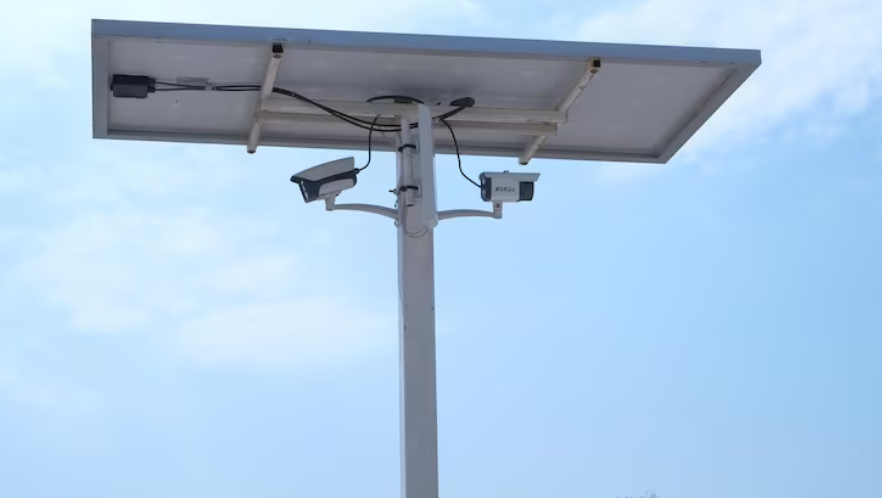
Why Real Outdoor Conditions Change How Solar Cell CCTV Cameras Must Be Designed
When a camera is installed in outdoor environments, the main challenge is to keep the stable performance of the whole system amid inadequate sunlight, changing temperatures, sudden weather changes, and restricted maintenance conditions. Many potential problems in the real outdoor environments seldom happen in lab experiments or product details. A solar cell CCTV camera has to function as an integrated system instead of a combination of independent components.
In practice, outdoor surveillance faces a number of restrictions, including restricted energy supply, unsteady networks, irregular patterns, and long exposure to natural pressures. If one part fails to adapt, the whole system turns out unreliable, which explains why solar-powered cameras cannot be evaluated just by panel size or battery capacity. You need to assess how power generation, energy storage, image capture, communication, and enclosure design work together over long periods.
This article examines how a solar cell CCTV camera actually functions when exposed to real outdoor environments. Instead of focusing on abstract specifications, it explains how each subsystem responds to daily operational pressure and how system-level coordination determines whether the camera delivers usable security value.
Who Is Jortan and Why Its Solar Cell CCTV Design Fits Real Outdoor Deployment?
Jortan approaches solar-powered surveillance from the perspective of long-term outdoor operation rather than short-term feature appeal. Our product design logic centers on how cameras behave when installed in locations without reliable grid power, fixed broadband, or frequent human intervention. Instead of prioritizing constant high output, the focus is placed on stability, energy discipline, and predictable behavior under constrained conditions.
In real deployments, you do not benefit from excessive resolution if the system cannot remain powered through poor weather or prolonged low-light periods. Our solar cell CCTV designs emphasize balanced energy intake, controlled consumption, and event-driven operation, which allows the camera to stay active across varying daylight conditions while preserving enough reserve power for critical recording and transmission tasks.
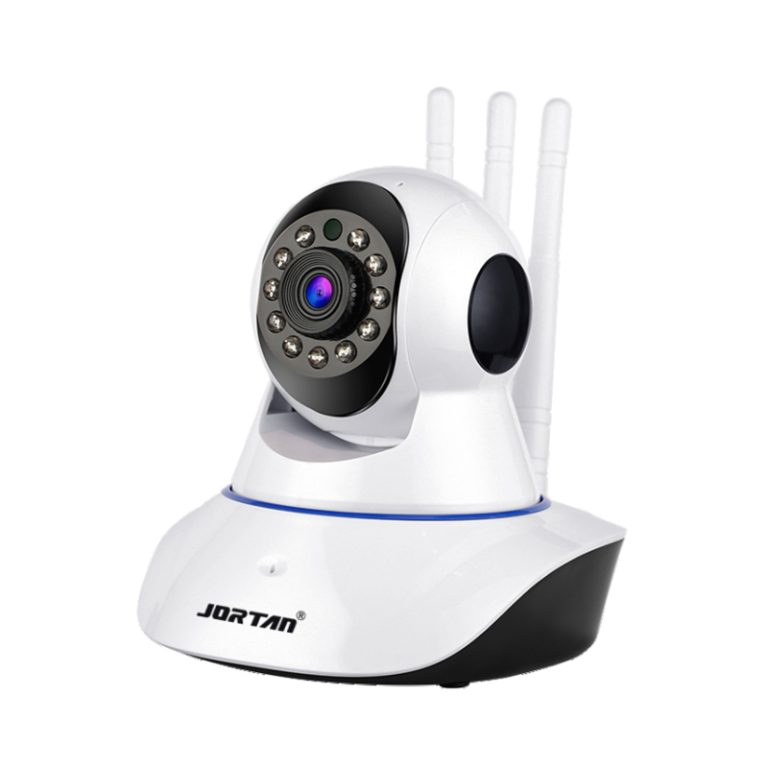
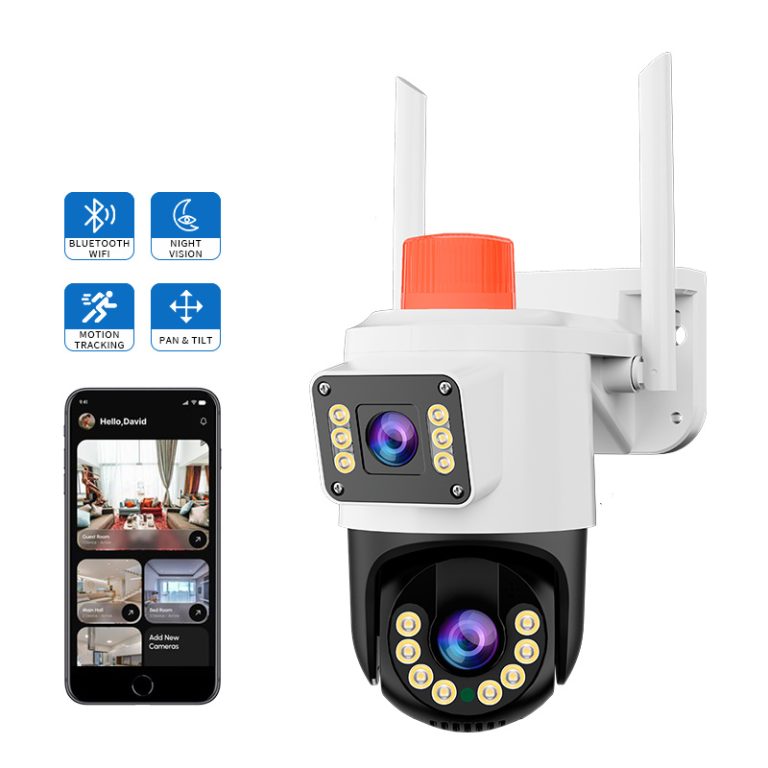
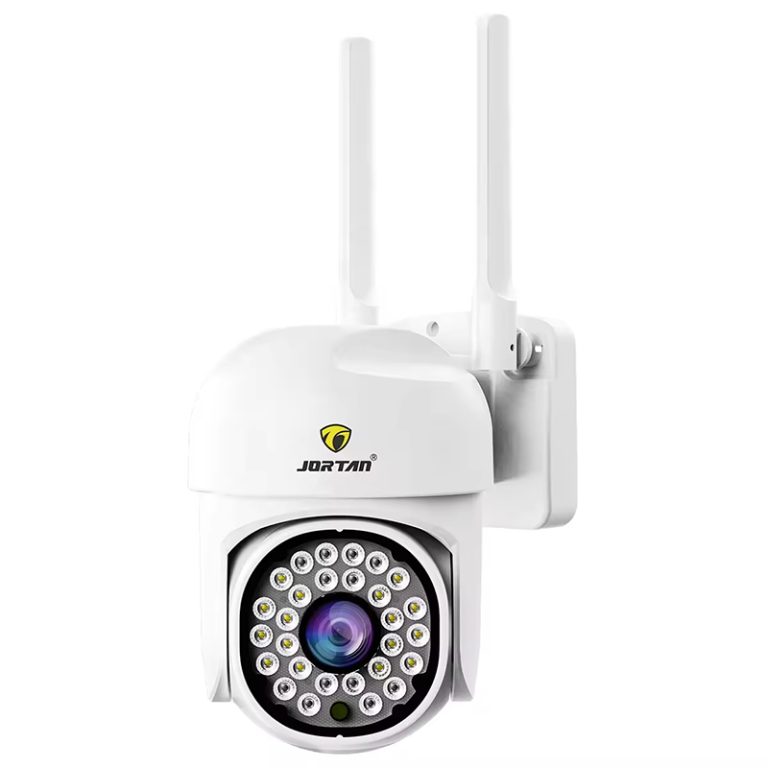
A representative example of this approach can be seen in the JT-8699T solar cell CCTV camera. Its structure shows a focus on low-power scheduling, flexible recording rules, and externally prepared construction rather than continuous high-load operation. The outcome is a system that values reliability over peak performance, which is frequently the key factor in remote areas or environments that lack infrastructure.
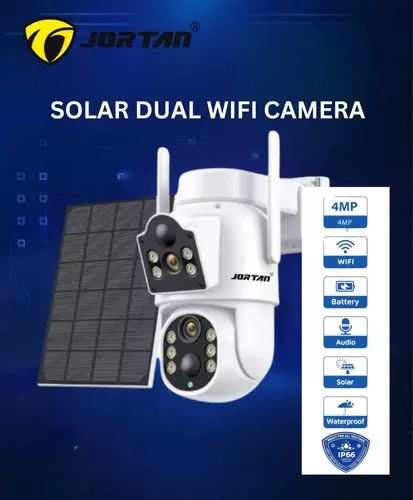
How Does a Solar Cell CCTV Camera Generate and Manage Power in Unstable Outdoor Light?
How solar panels, energy storage, and power scheduling work together under changing sunlight conditions
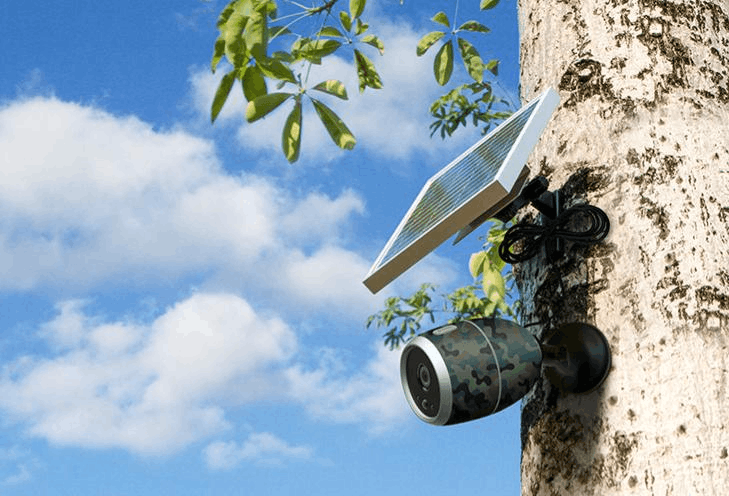
In outdoor conditions, solar energy is never continuous. Cloud cover, seasonal variation, panel orientation, and physical obstructions all reduce effective power supply. Due to it, a solar cell CCTV camera cannot depend only on instant generation. Instead, it runs via a combination of intermittent gathering, buffered storage, and planned consumption.
Solar panels turn available light into electric power, but this supply is easy to change throughout the day. Energy storage components take in excess generation amid good times and release it when light drops. The critical factor is how consumption is regulated. A camera designed for outdoor use does not run all subsystems at full power simultaneously. Instead, it prioritizes essential functions and places others into standby or low-power states.
Power scheduling governs when image sensors activate, when wireless modules transmit, and when processors perform analysis. This approach allows the system to stretch limited energy across longer operational windows. Without this coordination, even a large solar panel cannot prevent frequent shutdowns during extended low-light conditions.
How Does the Camera Maintain Image Quality When Light, Weather, and Motion Are Unpredictable?
How imaging systems adapt to low light, glare, rain, and moving targets in outdoor environments
Outdoor imaging quality is influenced less by resolution and more by adaptability. During daylight, glare, shadow contrast, and reflections challenge the sensor. At night, limited ambient light and weather interference affect visibility. A solar cell CCTV camera must maintain usable imagery while consuming minimal power.
Image sensors and processing algorithms are tuned to adjust exposure, noise reduction, and color balance dynamically. Instead of pushing maximum brightness, the system aims to preserve recognizable shapes, movement patterns, and contextual detail. This ensures that recorded footage remains actionable rather than visually impressive but energy-intensive.
Weather adds another layer of complexity. Rain, fog, and dust degrade image clarity. Optical components and processing logic must compensate without triggering continuous high-power correction cycles. In real deployments, consistency matters more than perfection. You benefit more from stable, interpretable footage than from occasional peak-quality frames that drain energy reserves.
How Does Motion Detection Work Without Draining Limited Solar Power?
How event-triggered recording and intelligent filtering reduce unnecessary energy consumption
Continuous recording is incompatible with solar-powered outdoor systems. The energy cost of constant image capture, processing, and storage quickly exceeds available input. As a result, solar cell CCTV cameras rely on event-driven operation.
Motion detection systems act as gatekeepers. Instead of recording everything, the camera remains in a low-power monitoring state until activity crosses predefined thresholds. Intelligent filtering helps distinguish relevant movement from background noise such as vegetation, shadows, or weather effects.
Once a valid trigger occurs, the system temporarily allocates power to image capture, analysis, and storage. After the event concludes, it returns to a reduced consumption state. This cycle preserves energy while ensuring that critical moments are documented. The effectiveness of this approach depends on detection accuracy. Excessive false triggers waste power, while overly strict thresholds risk missing events.
How Does a Solar Cell CCTV Camera Stay Connected in Remote or Unstable Networks?
How wireless transmission strategies are adapted for locations without fixed broadband
Network instability is common in outdoor environments. Fixed broadband is often unavailable, and wireless signals fluctuate. A solar cell CCTV camera must handle intermittent connectivity without compromising data integrity.
Rather than assuming continuous transmission, the system buffers recorded data locally and schedules uploads when network conditions permit. This prevents repeated reconnection attempts that would otherwise drain power. In some cases, lower data rates or delayed synchronization are preferable to real-time streaming.
Communication modules are activated selectively, aligning transmission windows with available energy and signal quality. This approach ensures that critical footage eventually reaches remote access points without exhausting the power budget. Reliability can be gained through patience rather than immediacy.
How Does Weather Exposure Influence Housing, Sealing, and Long-Term Reliability?
How enclosure design, waterproof ratings, and thermal tolerance affect the real outdoor lifespan
Outdoor environments apply continuous physical strain. Rain, dust, temperature swings, and UV exposure break down materials over time. A solar cell CCTV camera must protect internal components while permitting heat release and stable optical performance.
Sealed enclosures stop moisture and particulate entry, while thermal design handles interior heat without active cooling. Passive heat control reduces energy consumption and cuts down the risk of breakdown. Structural integrity also affects alignment— even slight shifts can compromise imaging accuracy.
Extended reliability hinges on how these physical protections match internal system behavior. A well-sealed camera that becomes too hot will break down as certainly as one exposed to moisture. A balance between protection and thermal stability is essential.
How Does System-Level Design Matter More Than Individual Specifications?
Why power, imaging, communication, and enclosure must be evaluated as a single operating system
In outdoor surveillance, individual specifications rarely tell the full story. High resolution, large batteries, or strong wireless modules offer limited value if they are not coordinated. A solar cell CCTV camera succeeds only when all subsystems operate within shared constraints.
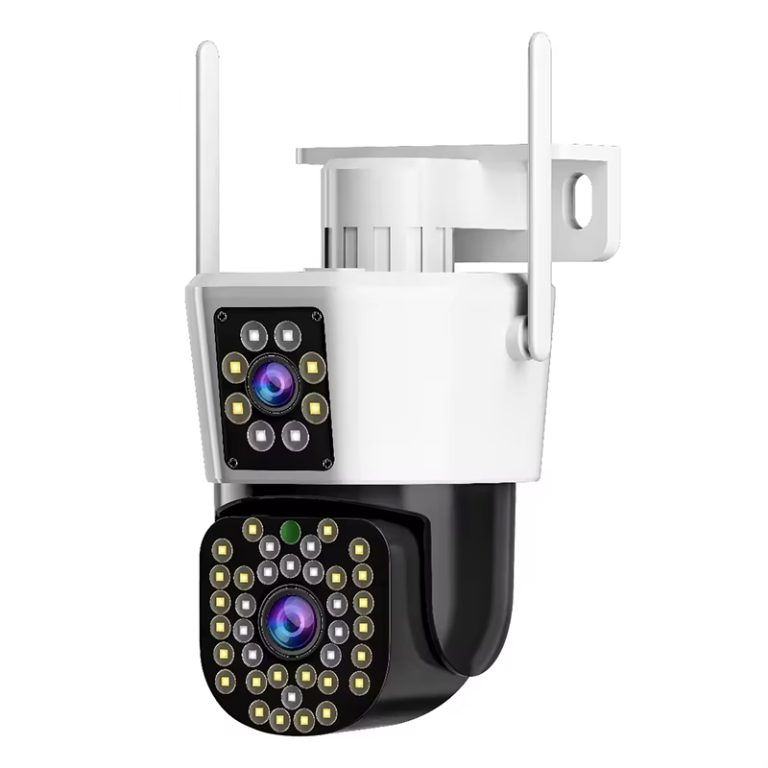
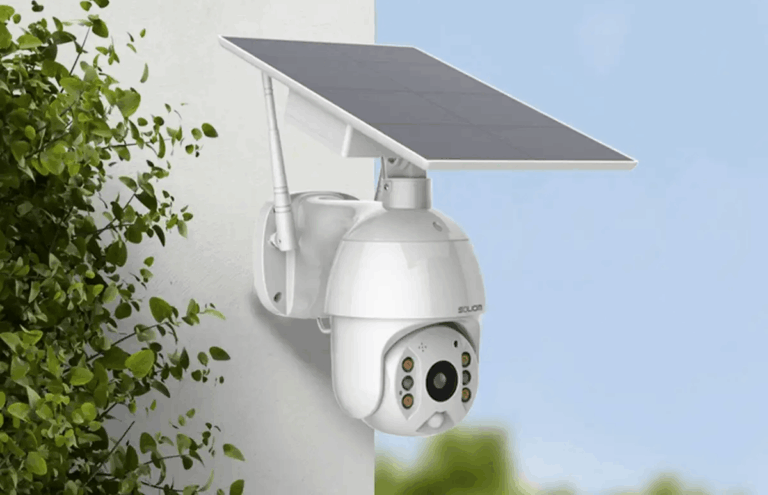
System-level design aligns power availability with sensing demand, communication timing, and environmental exposure. Each component supports the others rather than competing for resources. This philosophy is evident in solutions such as the JT-8258T solar cell CCTV camera, where energy management, imaging behavior, and connectivity are treated as interdependent functions rather than isolated features.
When you evaluate outdoor cameras, you should look beyond peak numbers. Stability, predictability, and resilience under constraint define real-world performance far more than isolated metrics.
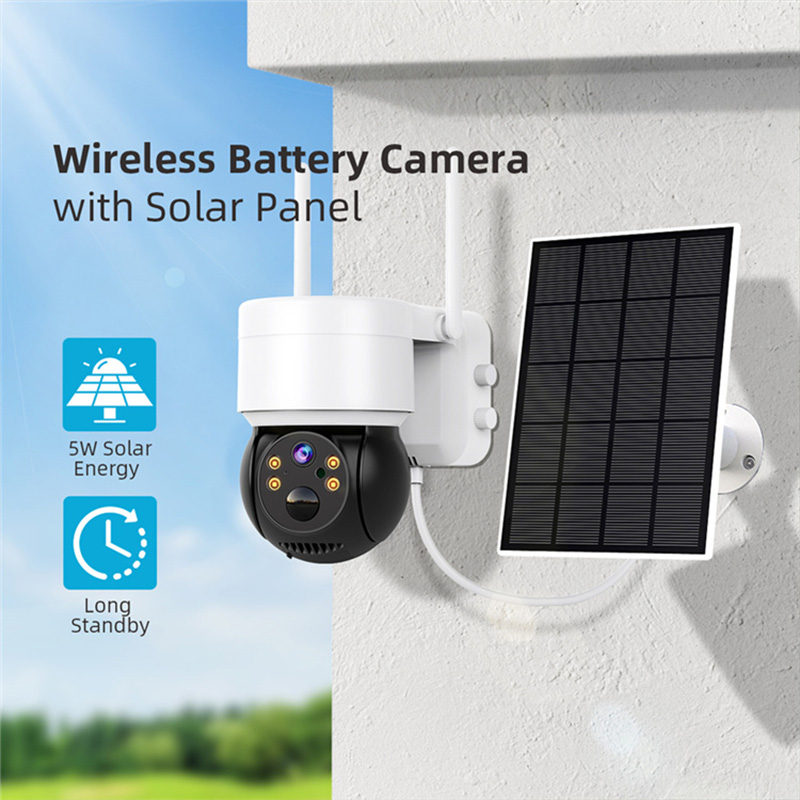
What You Should Evaluate Before Deploying a Solar Cell CCTV Camera Outdoors
Before installing a solar cell CCTV camera outside, assessing the performance of the system when situations turn unfavorable is quite essential. Energy balance, event reliability, communication tolerance, and structural durability are more important than the main details.
Outdoor surveillance favors designs that honor limitations and manage trade-offs intelligently. By stressing the overall coordination of the system instead of single components, you improve the likelihood that your deployment remains operational, informative, and dependable over time.
FAQs
Q1: Can a solar cell CCTV camera operate reliably during extended periods of low sunlight?
A: Yes, provided the system uses buffered energy storage, low-power scheduling, and event-based operation rather than continuous recording.
Q2: Does solar power limit image quality in outdoor CCTV systems?
A: Image quality is shaped more by adaptive processing and system coordination than by the power source itself. Stable, usable footage is achievable with efficient design.
Q3: What is more critical for outdoor deployment, solar panel size or system power management?
A: Power management is usually more important. Intelligent scheduling and subsystem coordination often outperform simply increasing generation capacity.