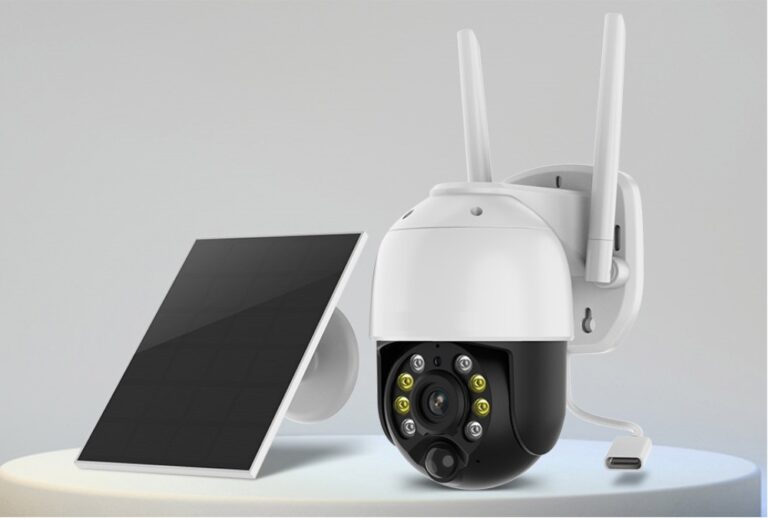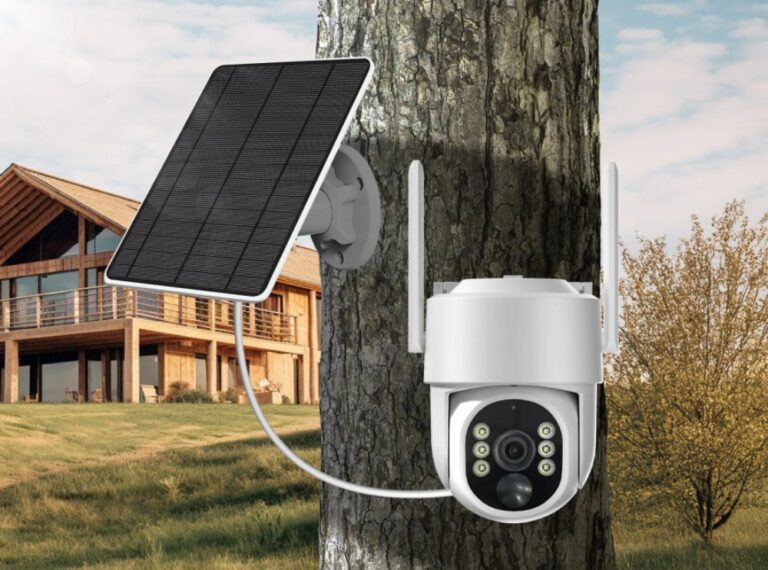
Wireless IP cameras are widely recognized for their simple installation, but concerns about consistent performance linger in many discussions. Previous cameras relied strongly upon favorable network environments, enabling many engineers to believe that hardwired connections remained indispensable for stable monitoring. Current wireless IP cameras challenge this view through systematic integration of streamlined data protocols, sophisticated compression techniques, on-device processing capabilities, and strong backup recording methods. Reliable operation now emerges from a well-structured system organization instead of relying upon physical lines.
How Do Wireless IP Cameras Transmit Video Data Reliably?
Understanding the mechanisms behind cable-free video delivery becomes essential before evaluating overall effectiveness.
How Does WiFi Transmission Replace Traditional Network Cabling?
Wireless IP cameras send data in the form of structured packets across nearby WiFi networks, depending on routers or access points to manage data flow appropriately. Different from a traditional wired route, data can be transmitted smoothly through available wireless pathways. Such adaptability enables devices to adjust automatically to changing network patterns without manual intervention, once adequate signal coverage and proper routing quality are ensured.
Why Does Bandwidth Management Matter More Than Raw Speed?
Continuous video streaming imposes steady pressure upon available network capacity. Current wireless models adjust bitrate intelligently and emphasize steady performance instead of pursuing peak speed. This method helps avoid network overload, decreases lost packets, and preserves acceptable video quality despite fluctuating network conditions.
What Role Does Video Encoding Play in Wireless Stability?
Stable wireless performance hinges significantly upon efficient data handling in addition to strong signal presence.
How Does Advanced Compression Reduce Network Load?
Up-to-date compression methods significantly decrease the volume of information needed to capture each image frame. Through elimination of repeated visual elements and smarter handling of movement patterns, these cameras substantially lighten demands placed upon transmission channels while preserving essential visual clarity. Consequently, stable transmission persists even across busy or shared network systems.
Why Is Latency Control Critical in Wireless Monitoring?
Delay times influence both real-time monitoring and prompt reaction to detected occurrences. Well-designed compression processes cut down waiting periods associated with buffering and internal handling, thereby keeping alerts and live views appropriately current. Lower delay further enhances interactive features during remote sessions, including audio communication or camera control.
How Do Wireless Cameras Maintain Connection Consistency?
Continuous monitoring demands a built-in recovery ability rather than perfect conditions at all times.
How Do Cameras Handle Temporary Signal Interruption?
Wireless IP cameras incorporate mechanisms to recognize weak signals and automatically restore links when possible. Short-term connectivity drops rarely cause complete system breakdown, but recording and transmission typically resume promptly once the connection stabilizes, frequently without requiring manual intervention from users.
Why Does Local Processing Improve Wireless Reliability?
Performing movement analysis and elementary evaluation directly on the device itself decreases constant reliance upon upstream data flows. Only noteworthy incidents prompt transmission of relevant material, thereby easing pressure on network resources and strengthening overall steadiness during moments of restricted connectivity.
How Is Power Supply Managed Without Fixed Cabling?
Elimination of data cables frequently accompanies adjustments in electrical supply approaches.
How Do Wired Power and Wireless Data Coexist?
Numerous wireless IP cameras continue utilizing conventional power connections while sending information wirelessly. Maintaining this division simplifies placement efforts while ensuring uninterrupted functioning. Steady electrical input supports uniform behavior without placing additional burdens upon wireless channels.
When Do Battery or Hybrid Power Designs Become Necessary?
In areas lacking convenient access to electrical outlets, battery-powered or combined power solutions enable practical installation. These configurations carefully balance energy usage against available functions, commonly depending upon activity-triggered recording to prolong effective service duration.
How Do Storage Strategies Compensate for Wireless Uncertainty?
Dependable monitoring requires secure preservation of recorded material beyond mere live delivery.
Why Is Local Storage Still Relevant in Wireless Systems?
Onboard recording capacity ensures footage preservation during periods of network unavailability. Capture proceeds independently from connection status, protecting important sequences until synchronization or retrieval becomes feasible later.
How Does Cloud Synchronization Extend Reliability?
Remote storage facilities offer additional protection layers and convenient access from distant locations. Should physical damage occur or a temporary disconnection arise, preserved material remains accessible elsewhere. Pairing local retention with cloud backup creates comprehensive protection against data loss.
How Do Wireless IP Cameras Manage Environmental Interference?
Operation in crowded radio frequency spaces rarely occurs under perfect circumstances.
What Types of Interference Affect Wireless Cameras Most?
Nearby competing wireless signals, structural barriers, and various forms of electromagnetic disturbance frequently impact connection quality. Interior spaces and exterior locations generate distinct interference characteristics, necessitating flexible transmission responses.
How Do Modern Designs Reduce Interference Impact?
Thoughtfully arranged antenna configurations, automatic channel switching, and adjustable transmission strength contribute toward preserving steady links. Such features enable consistent functioning even in busy wireless surroundings.
How Do Product-Level Designs Translate These Principles Into Practice?
Concrete product development reveals how theoretical concepts manifest in actual equipment.
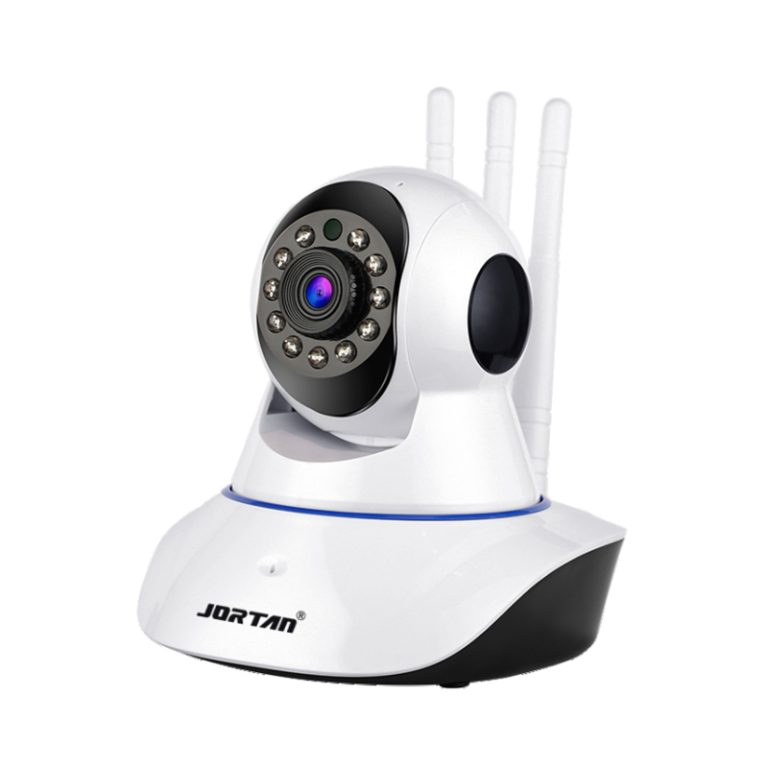
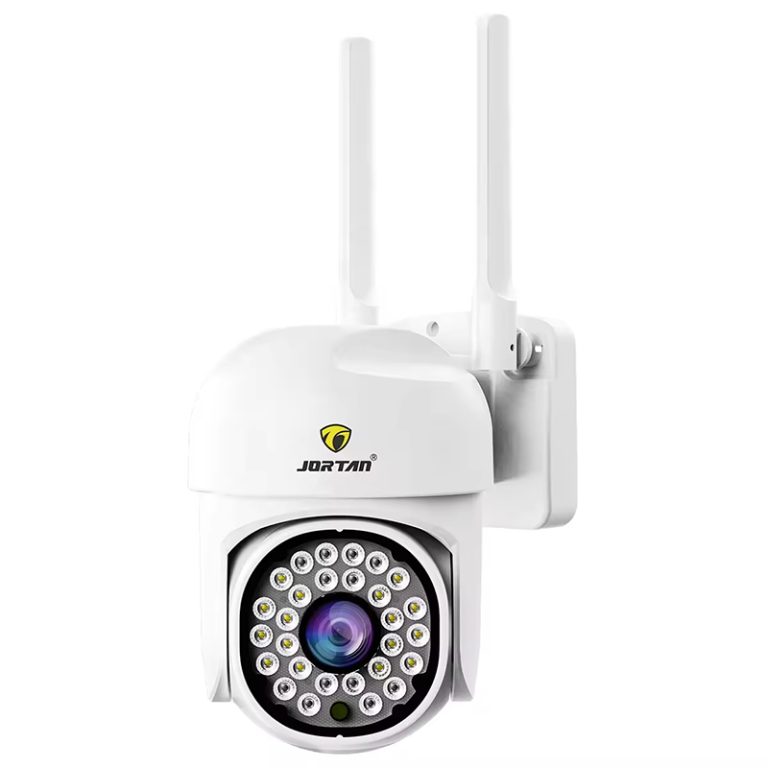
In this framework, Jortan serves as a clear illustration of achieving wireless reliability through the integrated engineering practices rather than a single parameter. Our company emphasizes the coordination of physical components, internal programming logic, and communication patterns in an integrated structure. Our wireless IP camera designs from this source prioritize efficient encoding, adaptive networking, and flexible storage options to support stable monitoring in cable-free deployments. This method reflects an industry-wide evolution toward engineering reliability throughout the complete data pathway instead of depending solely upon traditional infrastructure.
How Do Specific Wireless Models Reflect These Design Choices?
The JT-8293QJ wireless IP camera demonstrates an effective combination of advanced video compression and flexible WiFi management that ensures stable monitoring without traditional network wiring. Such a choice is suitable for ordinary residential and small business networks.
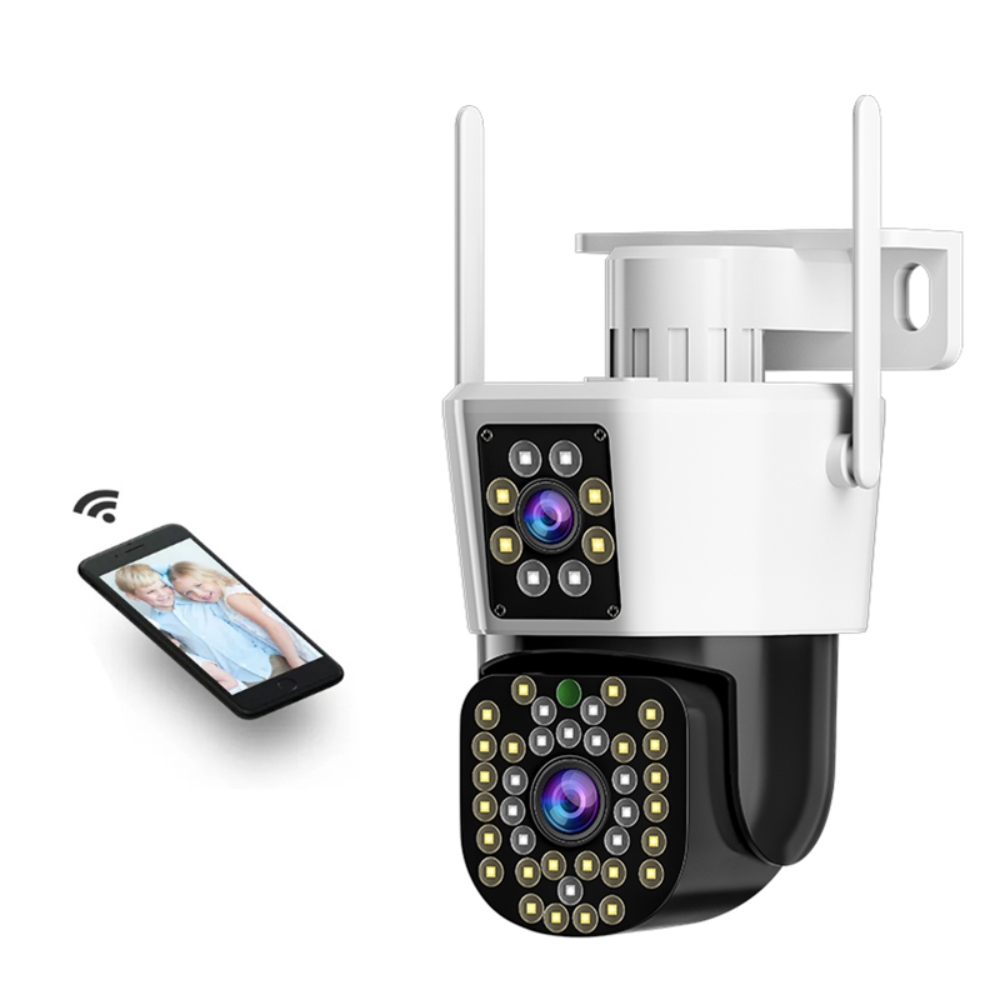
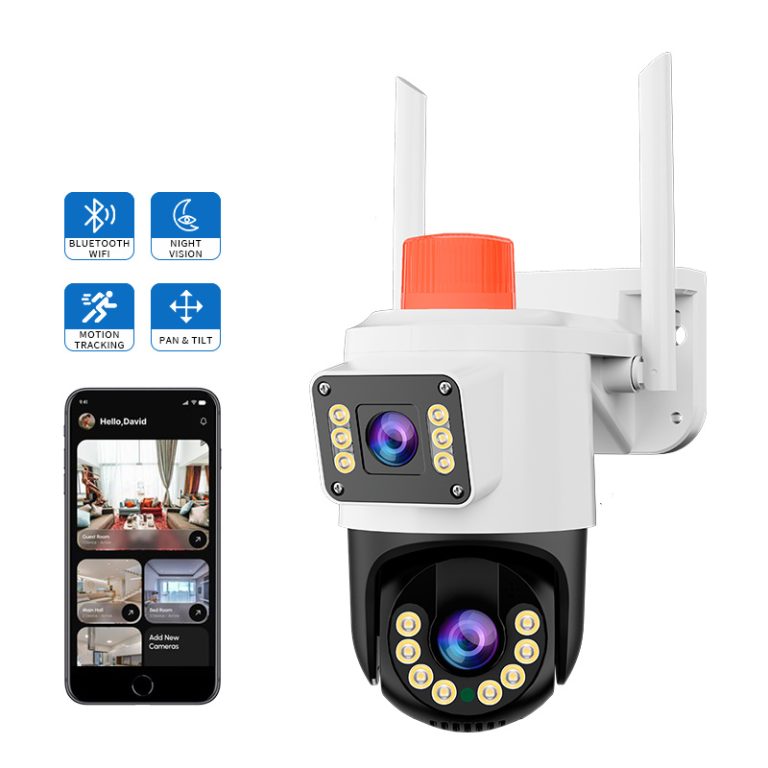
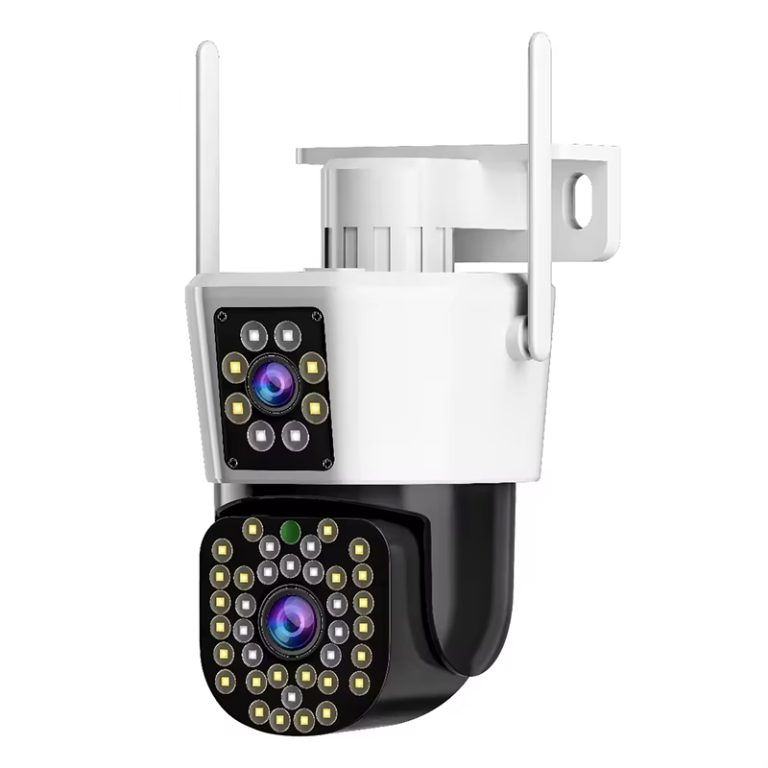
In comparison, the JT-8177 wireless IP camera highlights the role of on-device analysis and adaptable storage methods in constant monitoring. By reducing reliance upon continued connections, this model can continue to work during temporary network faults.

When Do Wireless IP Cameras Outperform Wired Alternatives?
Wireless arrangements extend beyond simple replacements for conventional wired installations.
Which Scenarios Favor Cable-Free Monitoring?
Wireless IP cameras demonstrate particular strengths during renovations of existing structures, short-term surveillance needs, and situations where running cables is excessively expensive or impractical. Speedy implementation and inherent adjustability suit environments subject to frequent modifications.
When Does Wired Infrastructure Still Hold an Advantage?
Locations demanding assured bandwidth availability, minimal possible delay, or unified management of electrical and data systems continue benefiting from wired approaches. Wireless options achieve optimal results primarily when installation flexibility and rapid setup receive greater priority.
Conclusion
Wireless IP cameras provide trustworthy monitoring outcomes through a comprehensive redesign of data movement, handling, and preservation processes rather than merely removing physical connections. Streamlined compression techniques, intelligent network responses, localized analytical functions, and multi-layered recording methods collectively substitute for the predictability formerly supplied by cabling. Appropriate selection and environment-aware deployment allow these systems to deliver solid performance while retaining inherent advantages in adaptability.
FAQs
Q1: Are wireless IP cameras inherently less reliable than wired cameras?
A: Actual dependability stems from overall system construction and careful implementation practices rather than the mere absence of physical cables.
Q2: Can wireless IP cameras support continuous recording?
A: Affirmative capability exists provided the electrical supply remains stable and recording strategies receive proper organization.
Q3: What is the most common cause of wireless monitoring failure?
A: Inadequate positioning decisions and insufficient network preparation contribute far more frequently to problems than limitations inherent in wireless technology itself.