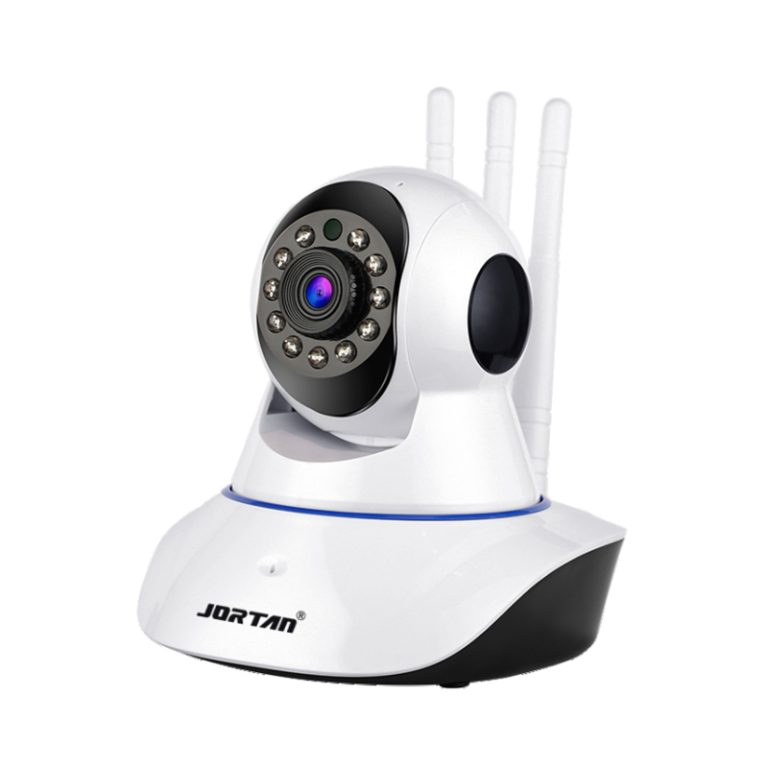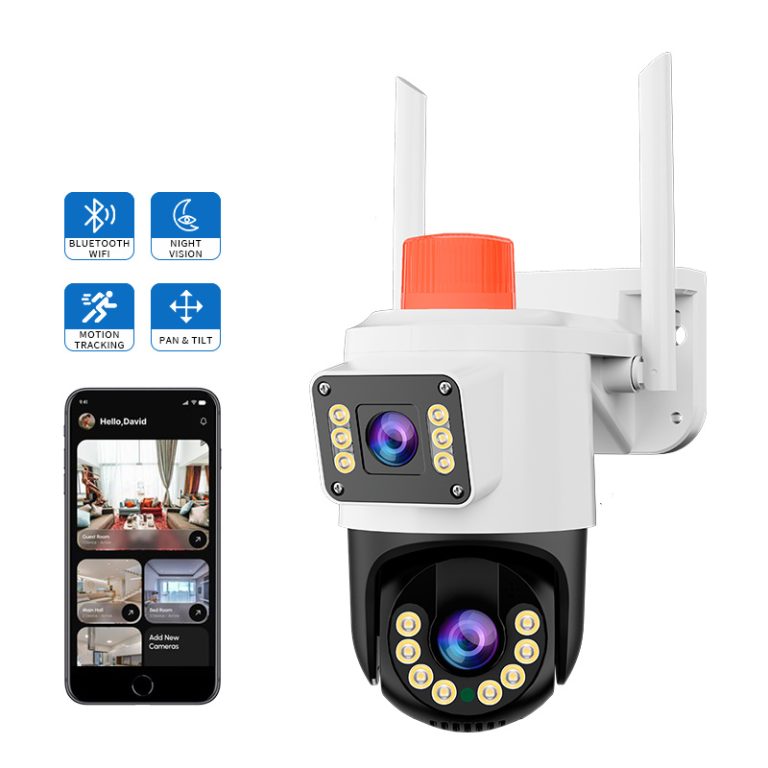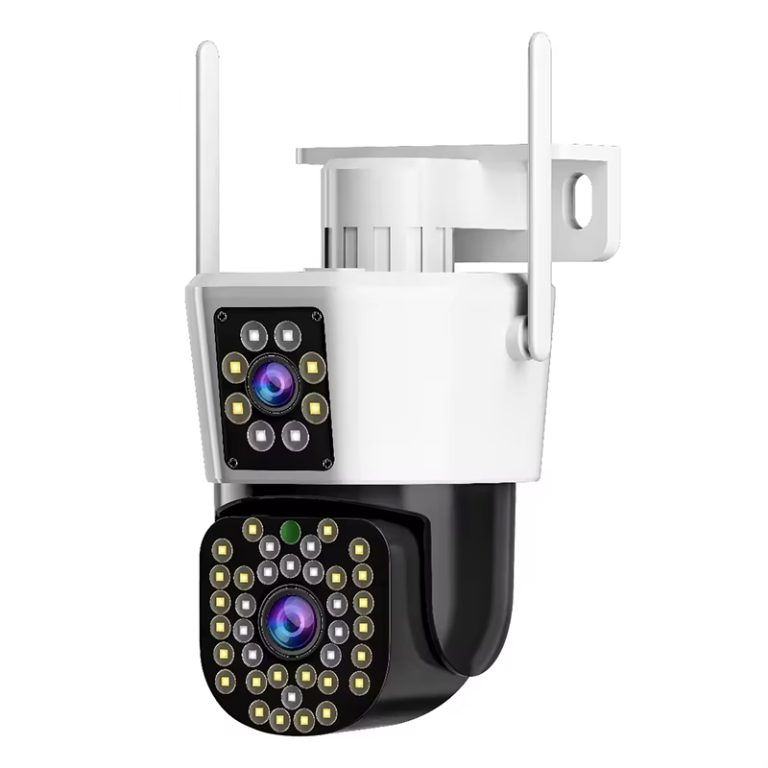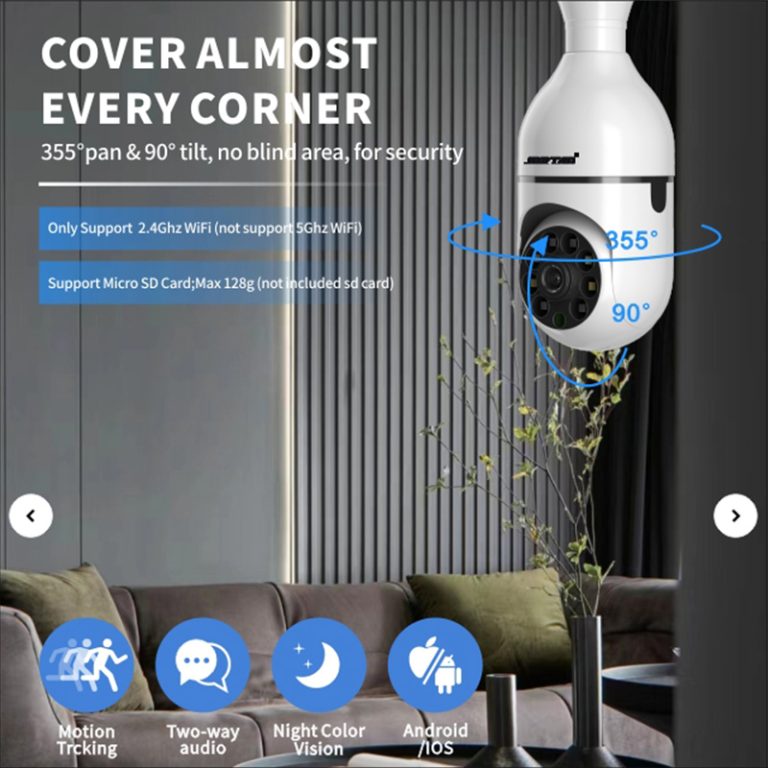
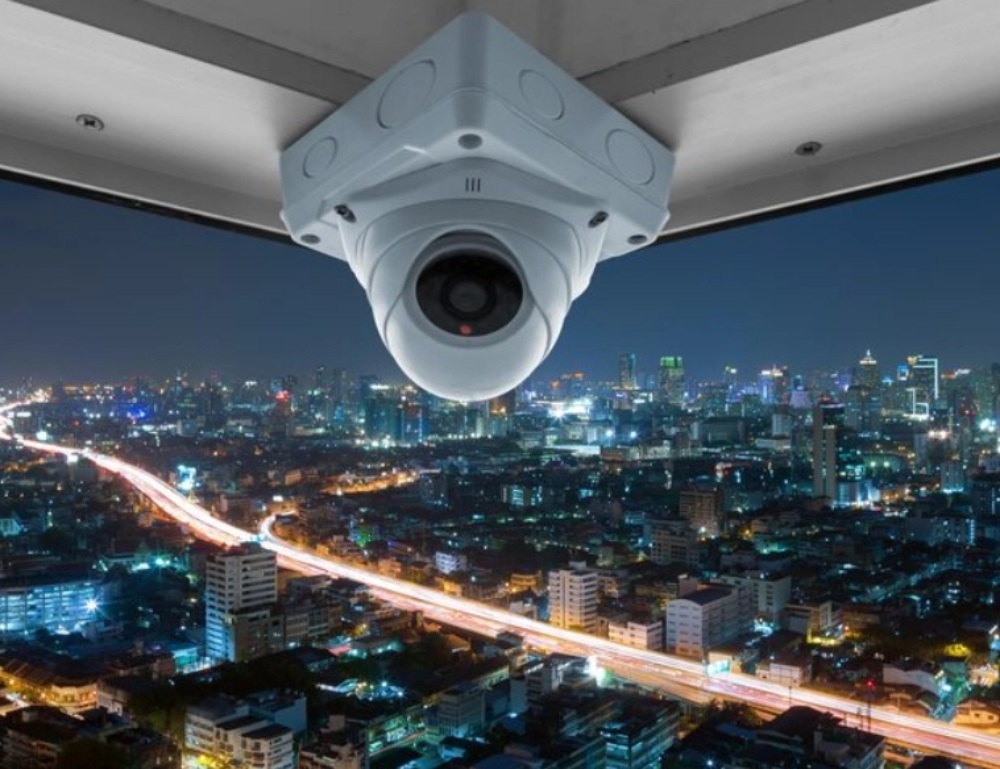
After-dark monitoring creates challenges for security systems that differ greatly from daytime surveillance. Scarcely any ambient light, higher uncertainty in human actions, and slower reaction periods together reveal weaknesses that remain unseen during daylight hours. In these conditions, image clarity, system stability, and response speed matter more than raw resolution figures or marketing claims.
Wireless CCTV cameras equipped with night vision are designed to address these constraints at a structural level. Rather than treating night operation as a secondary mode, they integrate low-light imaging, adaptive illumination, and flexible deployment into a single system logic.
This article explores how wireless CCTV cameras with night vision enhance nighttime monitoring in practical ways and stresses changes in image quality, deployment strategy, detection accuracy, and instant reaction once daylight disappears.
How Does Night Vision Technology Change What You Can Actually See After Dark?
Night surveillance is not simply about making darkness visible. It is about preserving usable detail, motion context, and subject separation under poor lighting.
Why infrared and full-color night vision reduce visual ambiguity
Infrared night vision offers steady grayscale images in total darkness by lighting scenes with wavelengths unseen by human eyes, thus maintaining visibility without added ambient light that might alert intruders or disturb surroundings. The benefit is demonstrated that shapes, movement paths, and object boundaries remain detectable even at zero lux.
Full-color night vision extends this capability by introducing controlled white-light illumination when conditions allow. Color information adds context—clothing contrast, vehicle paint, and carried objects—that infrared alone cannot provide. In after-dark surveillance, this reduces ambiguity during event review and supports more confident decision-making when incidents require escalation or reporting.
How intelligent night modes adapt to changing light conditions
Static night modes struggle in environments where lighting changes. Smart night vision systems make a shift actively between infrared, full-color, or mixed modes based on scene brightness and detected activity. When no movement appears, the camera might stay in low-impact infrared mode. However, once activity enters the view, it can switch to full-color imaging to capture key details.
This adaptive behavior reduces overexposure, unnecessary light activation, and missed information during brief but important events. It also improves image continuity across dusk, nighttime, and early morning hours without manual intervention.
Why Does Wireless Architecture Matter More at Night Than During the Day?
At night, deployment limitations translate directly into surveillance gaps. Wireless architecture changes how and where coverage can be achieved.
How wireless deployment removes blind spots in after-dark layouts
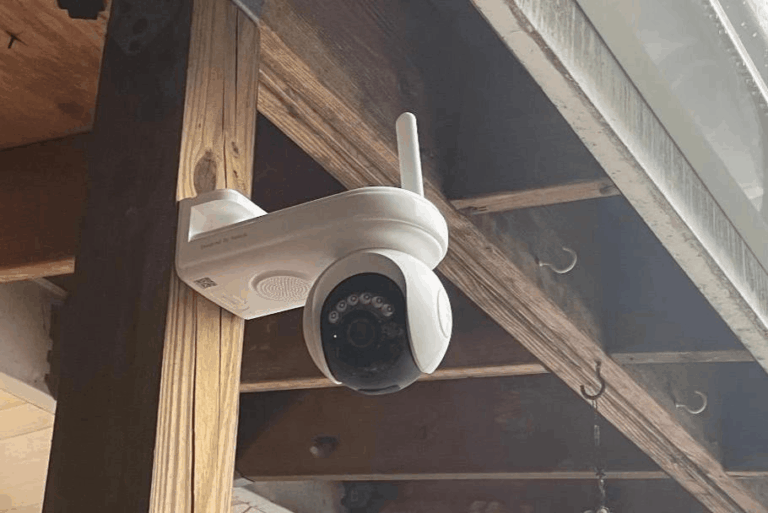
High-danger areas such as back entrances, boundary fences, alleys, and detached buildings often lack good service from wired systems due to cabling limits. Wireless cameras allow for positioning based on danger level. This flexibility lets you position night vision coverage exactly where visibility drops and intrusion likelihood increases after dark.
In temporary or evolving sites, such as construction areas or reconfigured commercial spaces, wireless deployment avoids downtime caused by infrastructure changes. You gain the ability to adjust coverage without compromising nighttime protection.
How stable wireless transmission supports continuous night recording
After-dark incidents often unfold quickly. Interrupted transmission or unstable connections can result in missing footage during the most critical moments. Modern wireless CCTV systems use optimized encoding and buffering to maintain stable night recording without excessive bandwidth demand.
When combined with local storage and optional cloud backup, wireless transmission ensures footage stays accessible even if links vary, which leads to fewer gaps in nighttime evidence and greater trust in long-term monitoring.
How Do Night Vision Cameras Improve Motion Detection Accuracy After Dark?
False alarms undermine the value of any surveillance system. At night, image quality becomes the foundation of reliable detection.
Why clearer night images reduce false alarms
Motion detection relies on consistent visual input. Poor low-light images exaggerate noise, shadows, and minor environmental changes, leading to frequent false alerts. Night vision cameras that deliver sharper contours and controlled illumination provide cleaner input for detection algorithms.
Clearer night images allow the system to distinguish between irrelevant motion—such as insects or foliage—and genuine human activity, which means fewer interruptions and more actionable alerts.
How AI-assisted detection works better with night vision support
Human-shape detection and intelligent tracking depend on recognizable body outlines and movement patterns. Night vision imaging that preserves edge definition and contrast enables these features to function effectively after dark. Rather than compensating for poor visuals, the algorithm can focus on behavior analysis. This synergy between night vision and intelligent detection improves alert precision and supports features such as region-based monitoring and targeted notifications, even in low-visibility conditions.
How Does Wireless Night Surveillance Improve Real-Time Response?
Recording events is only part of after-dark security. Timely response often determines outcomes.
How mobile access keeps you connected after hours
Wireless CCTV systems are designed for remote areas. At night, when on-site monitoring is scarce or absent, mobile connectivity becomes necessary. Live feeds, alert inspection, and assessing the situation become possible in real time without physical presence.
This continuous access reduces response delays and allows you to decide whether an incident requires intervention, escalation, or simple logging.
How two-way audio and active deterrence work at night
Two-way audio adds an interactive layer to night surveillance. When combined with night vision, it enables detecting individuals directly, verifying intent, or issuing warnings to be possible. In many cases, this active presence is enough to stop wrong actions before escalation. The systems shift from passive observation to controlled engagement, mainly in residential or small commercial environments.
Where Do Wireless Night Vision Cameras Fit Best in Real-World Security Scenarios?
Not all environments place the same demands on night surveillance, but certain scenarios benefit consistently from wireless night vision systems.
Why residential and small commercial sites benefit the most
Homes, retail stores, warehouses, and offices often experience the highest vulnerability outside operating hours. Wireless night vision cameras offer balanced coverage, manageable installation effort, and scalable expansion for these environments.
Sufficient nighttime visibility can be gained without the complexity of enterprise-grade infrastructure, while retaining features such as intelligent alerts and remote access.
How outdoor and semi-outdoor environments gain reliability
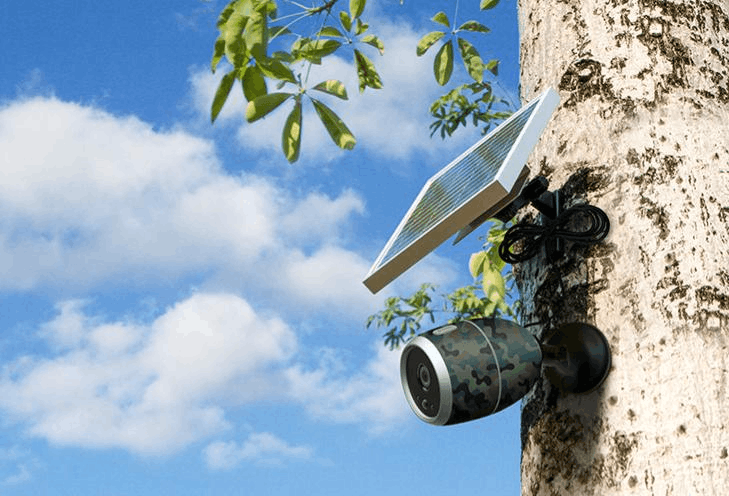
Outdoor locations introduce weather, dust, and lighting variability. Night vision systems designed for these conditions maintain performance despite rain, fog, or uneven illumination. Wireless connectivity avoids exposed cabling that can degrade over time, indicating dependable after-dark surveillance across entrances, yards, parking areas, and transitional spaces.
Why Jortan’s Wireless Night Vision Cameras Fit These Needs?
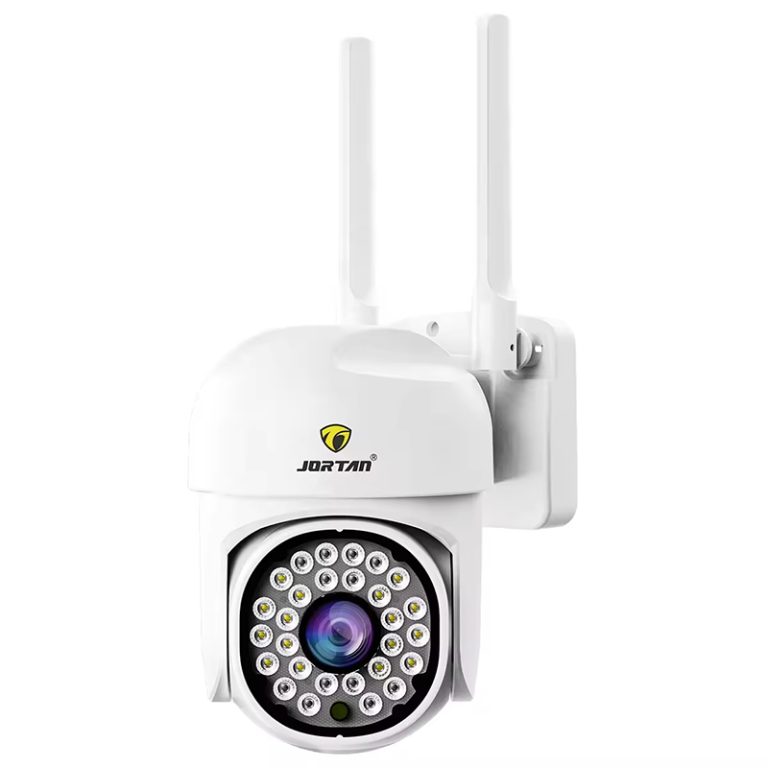
Jortan designs cameras to operate consistently across variable lighting, network, and environmental conditions, which are most evident during nighttime use. Our focus on integrated night vision modes, stable wireless transmission, and intelligent motion processing reflects practical deployment realities rather than laboratory scenes. Besides, the service of OEM & ODM can make products better meet your needs and standards, which can provide a greater consumers’ experience.
The product design emphasizes adaptive imaging, human-centered detection logic, and simplified deployment for both indoor and outdoor applications. By aligning hardware design, software behavior, and usage scenarios, we position our wireless CCTV solutions as tools for sustained nighttime monitoring rather than occasional use.
How Do Specific Wireless Night Vision Models Address Different Use Cases?
Different surveillance needs require different system emphases. Wireless night vision cameras are not one-size-fits-all.
JT-8177 Wireless CCTV Security Camera for focused night monitoring
The JT-8177 wireless CCTV security camera is suited for scenarios where defined areas require dependable after-dark visibility. Its night vision system prioritizes stable imaging and consistent detection within a fixed field of view. This makes it appropriate for entrances, corridors, storage rooms, or perimeter points where clarity and reliability matter more than wide-area coverage.
Its wireless architecture supports flexible placement, while night imaging remains effective across changing light conditions, helping you maintain dependable surveillance without constant adjustment.
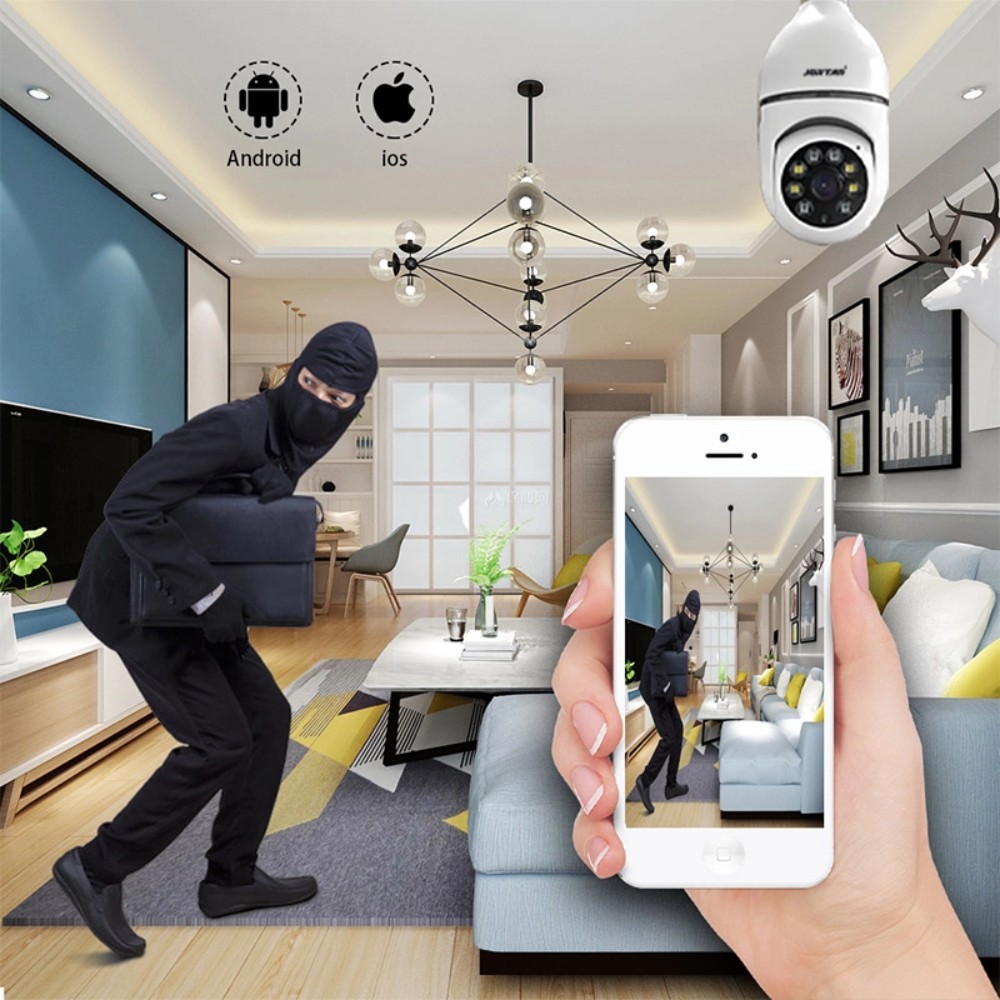
JT-8293QJ Wireless CCTV Security Camera for wider after-dark coverage
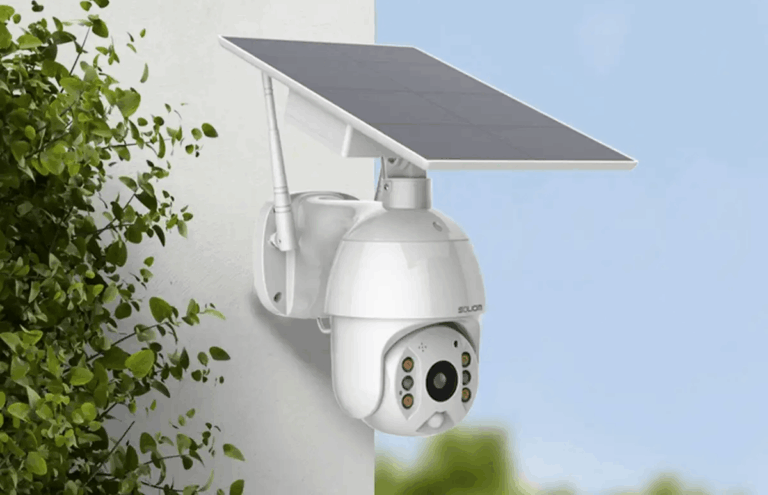
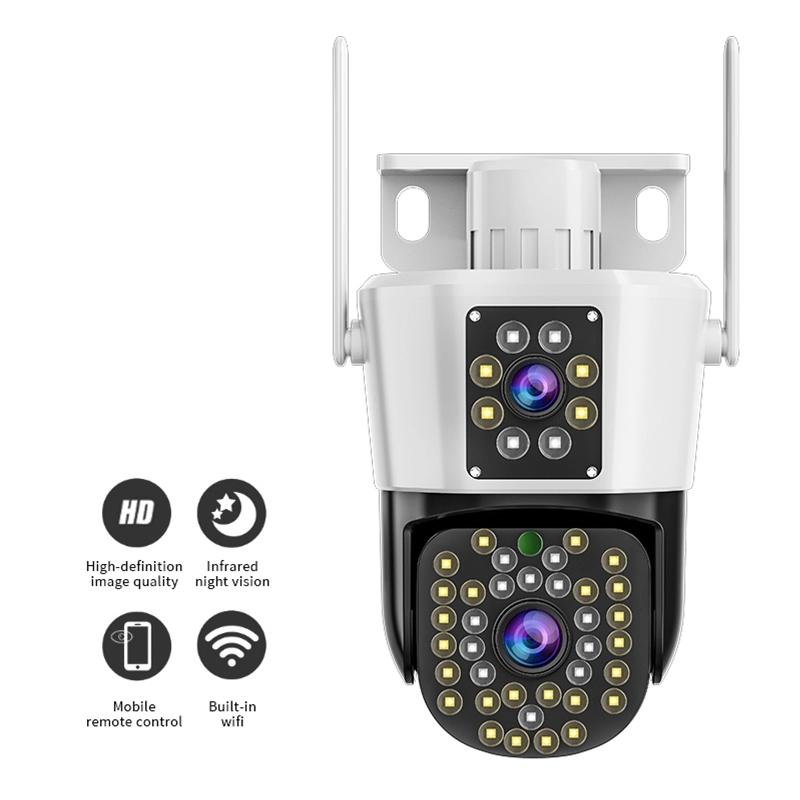
The JT-8293QJ wireless CCTV security camera addresses broader or more dynamic environments. Designed for extended coverage, it combines wireless connectivity with night vision capable of maintaining detail across larger scenes. This suits yards, open commercial spaces, or semi-outdoor areas where activity may occur across multiple directions. This model supports wider situational awareness after dark while preserving image usability for detection and review.
Conclusion
Wireless CCTV cameras with night vision enhance nighttime monitoring by reshaping how visibility, deployment, and response work together once daylight disappears. In short, the advantage rests in consistent visual clarity, flexible placement, and useful alerts when visibility is lowest and dangers are greatest. When night vision is treated as a main system capacity rather than an accessory, surveillance becomes more trustworthy, responsive, and effective across real conditions.
FAQs
Q: Can wireless night vision cameras replace wired systems for night surveillance?
A: In many residential and small-to-medium commercial scenarios, wireless night vision cameras provide sufficient stability and coverage, provided network conditions are properly planned.
Q: Do night vision cameras increase false alarms at night?
A: High-quality night imaging typically reduces false alarms by delivering clearer input for motion and human detection algorithms.
Q: What should you prioritize when selecting a wireless night vision camera?
A: Focus on night image consistency, adaptive illumination behavior, wireless stability, and how well the system aligns with your specific after-dark monitoring environment.