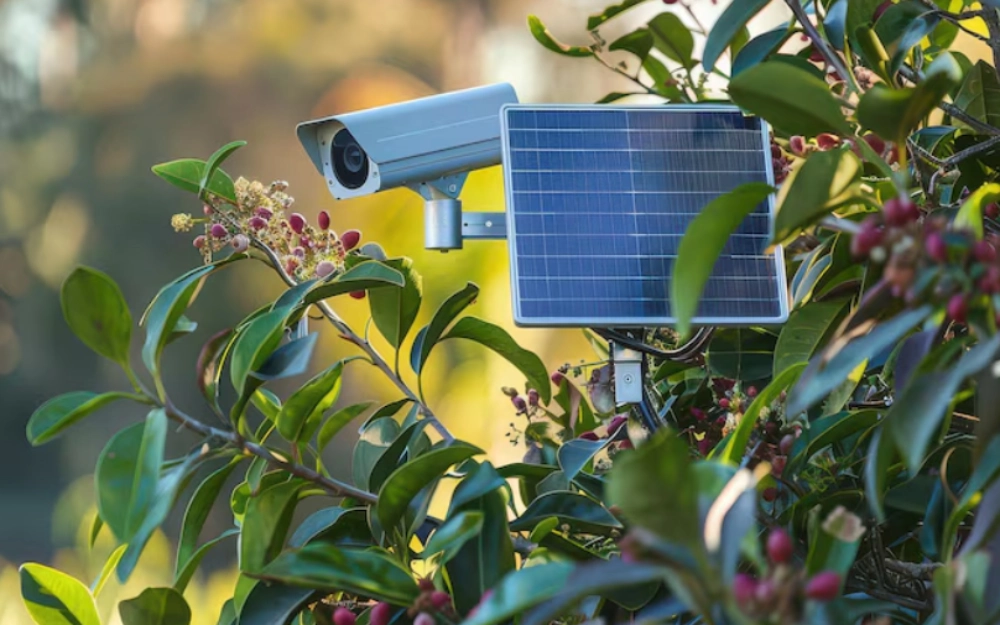
Urban transportation networks face mounting challenges. Vehicle volumes continue to climb, enforcement personnel stay stretched thin, and infrastructure needs to meet rising environmental standards. Within this setting, solar-powered traffic cameras represent far more than an alternative energy choice. They fundamentally alter placement strategies, operational durability, and information integration across intelligent urban systems.
In contrast to traditional grid-connected setups, solar-operated surveillance units function free from electrical network limitations. They permit swift setup along newly developed roadways, short-term work sites, remote rural routes, and busy city crossings where digging trenches or running cables would postpone progress. When paired with artificial intelligence analysis, smart compression methods, and wireless links, these devices transform into proactive elements of traffic safety oversight instead of mere recording instruments.
The article explores the ways solar-powered traffic cameras strengthen roadway protection, the way in which advanced capabilities enhance enforcement accuracy, and the essential technical standards for incorporating them into intelligent municipal environments.
Why Are Solar-Powered Traffic Cameras Critical for Modern Smart Cities?
Intelligent urban areas depend on widespread sensor networks. Traffic monitoring units do not stand alone, but channel data into congestion control centers, policing databases, and rapid-response frameworks. Solar-driven versions reinforce this scattered structure by eliminating reliance on municipal electricity supplies.
How Does Off-Grid Operation Improve Deployment Flexibility?
Placement of surveillance equipment across extensive city growth zones or outlying expressways frequently encounters power provision as the primary obstacle. Solar configurations remove requirements for excavation work, utility connection permissions, or supplementary electrical infrastructure.
This approach achieves:
- Quick establishment at locations prone to collisions
- Short-term monitoringamid roadway construction activities
- Adaptable repositioning as vehicle movement patterns shift
- Expanded coverage throughout the countryside or hilly territories
Through a combination of efficient solar collector surfaces with durable lithium iron phosphate energy reserves, solar traffic cameras deliver consistent functionality across periods of diminished sunlight and successive wet weather spells. Clever energy-conservation features, including motion-activated activation and dormant phases, prolong reliable operation further.
How Does Energy Autonomy Enhance System Reliability?
Interruptions in electrical service commonly impair conventional monitoring systems. Solar-based systems function separately from regional power fluctuations. When equipped with weatherproof IP66 enclosures and subjected to rigorous high-temperature endurance evaluations (continuous operation at 65°C for extended cycles), these units sustain performance under severe climatic pressures.
Within intelligent municipalities, dependable operation remains non-negotiable. Any surveillance gap during intense precipitation or extreme heat directly compromises community well-being. Independent energy sources diminish such susceptibilities.
How Do Intelligent Detection Features Reduce Traffic Accidents?
Energy sourced from sunlight by itself fails to elevate protection levels. True advancement stems from sophisticated image analysis and precise incident recognition.
How Does Human and Vehicle Detection Increase Enforcement Precision?
Contemporary traffic oversight platforms must differentiate routine activity from infractions. Algorithms focused on artificial intelligence for identifying human forms and following objects heighten alert reliability while minimizing erroneous notifications.
Across roadway environments, this capability supports:
- Recognition of pedestrians traversing beyond marked pathways
- Identification of vehicles occupying prohibited lanes
- Detection of irregular halting patterns
- Monitoring of crowd formation in vulnerable zones
Progressive compression standards like H.265AI decrease data transmission demands while preserving sharp image quality. Consequently, detailed video feeds reach municipal systems without straining the communication infrastructure.
How Does Multi-Lens Architecture Expand Monitoring Coverage?
City junctions demand broad visibility and precise close-range detail simultaneously. Systems featuring paired lenses and coordinated pan-tilt-zoom mechanisms provide comprehensive scene monitoring and focused magnification through single units.
Such a combined viewing approach enables:
- Complete area surveillance at crossroads
- Enlarged capture of registration plates
- Continuous tracking of vehicles moving between lanes
- Preservation of evidentiary material with distinct clarity
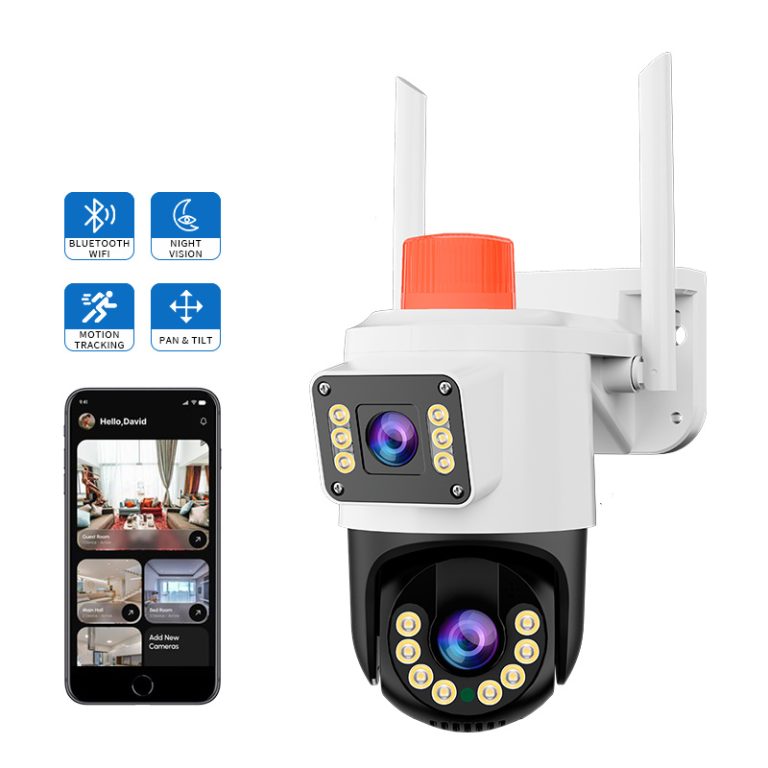
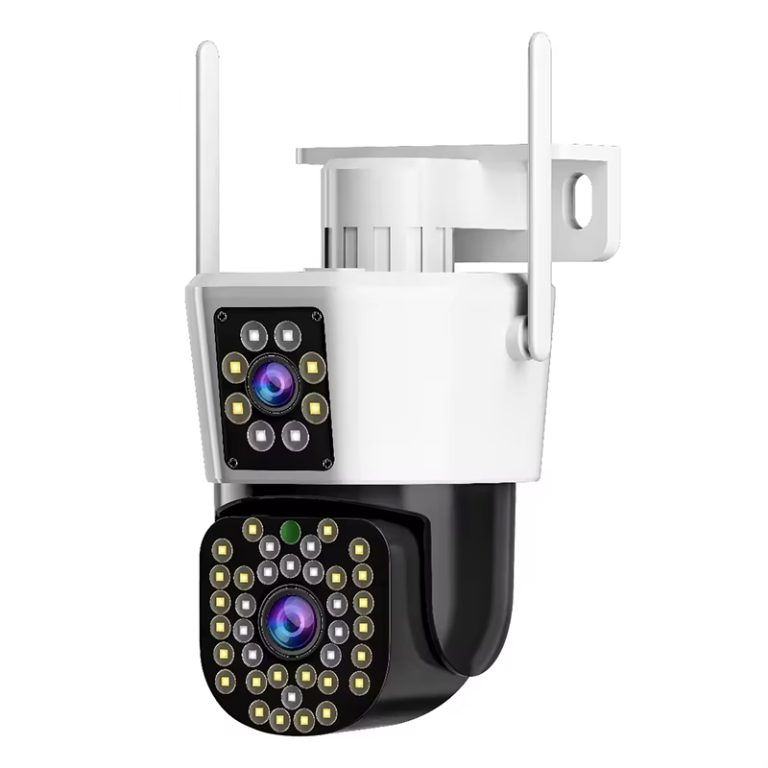
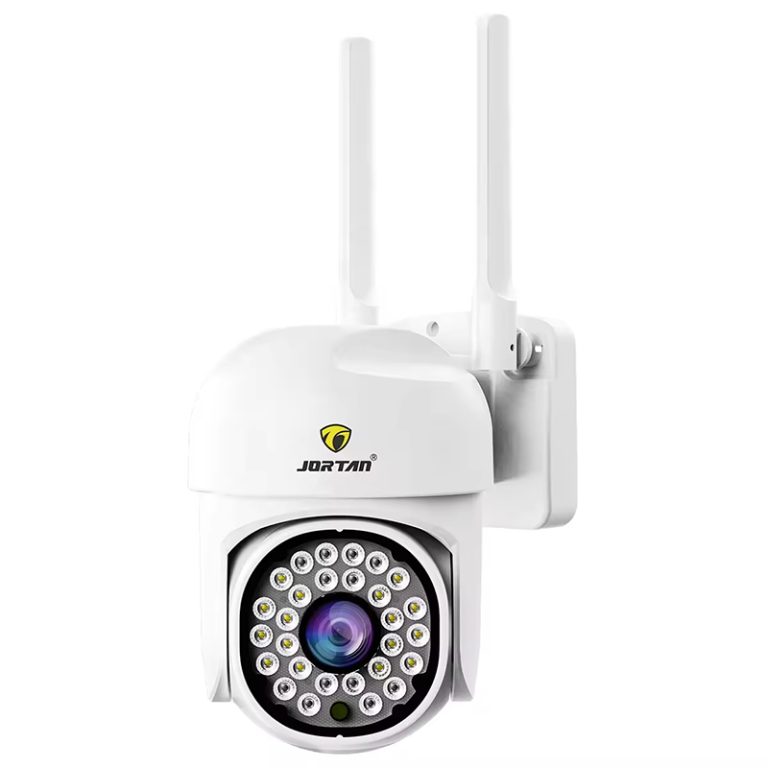
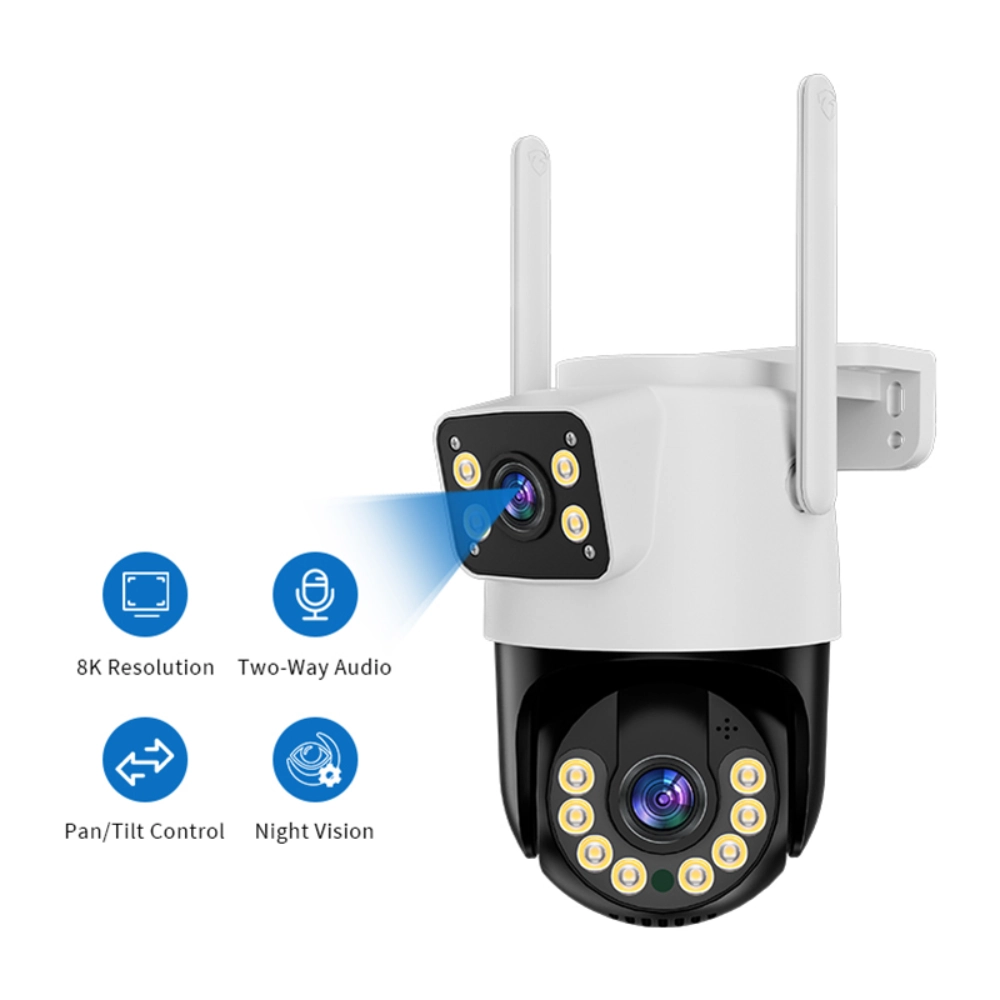
For instance, the JT-8698 PRO solar camera combines dual-lens monitoring, automated tracking, and vibrant nighttime imaging. Hybrid magnification permits operators to record specific conduct while retaining wide situational awareness. This configuration minimizes unobserved areas without necessitating duplicate equipment expenditures.
How Does Solar Connectivity Support Real-Time Urban Management?
Within traffic regulation, promptness is essential. Delayed notifications diminish intervention success.
How Does 4G Integration Enable Global Connectivity?
Solar-powered traffic cameras fitted with 4G communication modules accommodate worldwide frequency ranges and local protocol requirements. This arrangement ensures steady links throughout metropolitan, outlying, and international highway corridors.
Through 4G linkage:
- Video feeds reach monitoring stations instantly
- Notifications are delivered directly to portable devices
- Distant parameter adjustments occur without delay
- Coordination during urgent situations becomes more effective
Such connectivity holds particular value in rapidly developing municipalities where fiber-optic networks remain incomplete.
How Does Cloud Storage Improve Data Security?
Traffic-related recordings frequently serve judicial and regulatory functions. On-device TF card recording supplies immediate capture, while remote cloud archiving protects against physical damage to the unit.
Intelligent compression techniques cut storage requirements by approximately half, permitting extended preservation periods without additional hardware investments.
Reliable data storage strengthens the following capacities:
- Reconstruction of collision events
- Presentation of infraction documentation
- Confirmation for insurance processes
- Examination of recurring traffic behaviors
What Role Does Night Vision Play in 24-Hour Road Safety?
A substantial share of roadway incidents happens under less lighting. Consequently, low-light capability determines overall monitoring quality.
How Does Full-Color Night Vision Improve Identification Accuracy?
Conventional infrared systems restrict visible detail. Advanced full-color nighttime imaging alternates between infrared lighting and visible light emission based on detected activity.
When detecting motion, a series of beneficial outcomes will appear, including:
- Bright lightingactivates
- Chromatic information becomes discernible
- Vehicle hues and plate legibility increase
- The presence of individuals gains a clearer distinction
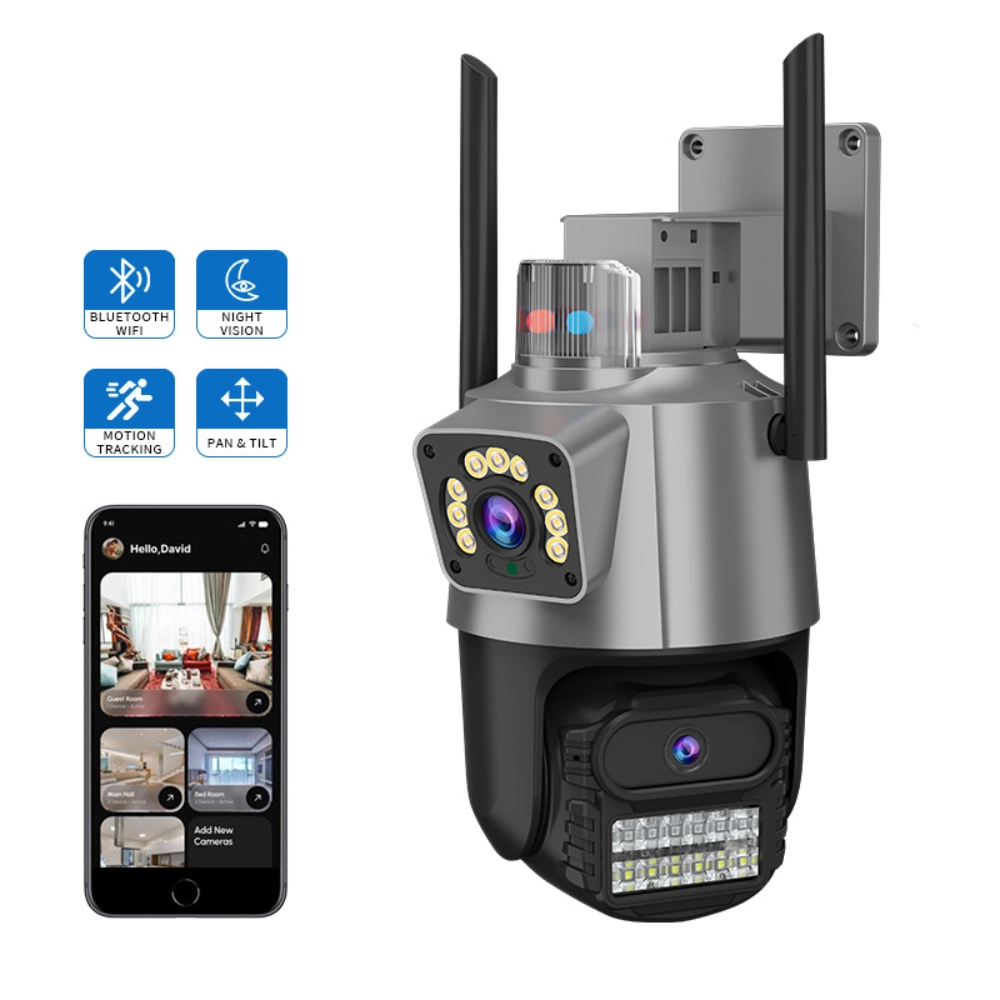
The JT-9687 PRO solar camera employs sophisticated nighttime imaging logic and movement-initiated lighting. This setup maintains continuous traffic monitoring without compromising visual precision.
How Does Wide Dynamic Range Assist Urban Intersections?
City roadways present difficult lighting patterns: oncoming headlights, rear lighting, and shadows cast by tall structures. Wide dynamic range processing adjusts exposure levels to prevent washed-out bright areas or obscured dark zones.
Precise detail retrieval across varied lighting scenarios bolsters infraction identification and supports legal standards.
Where Does Jortan Fit in Smart City Surveillance Development?
As solar-operated monitoring grows increasingly complex, system integration and hardware reliability are the core of long-term stable performance.
With over 30,000 square meters of production facilities and advanced manufacturing processes, Jortan integrates the research and development, production, and global supply into a unified system. Our products include solar monitoring units, dual-lens pan-tilt-zoom systems, 4G integration modules, and combined lighting-monitoring devices.
We put an emphasis on intelligent detection algorithms, compatibility across multiple cloud platforms, IP66-rated outdoor durability, and international lightning protection standards. Through continuous improvement of encoding efficiency and AI-based filtering, our products meet the demands of smart cities for a scalable, energy-efficient, and data-driven traffic management system.
In actual deployment fields, such as construction sites, major roadways, agricultural zones, and industrial parks, the combination of solar energy supply, 4G communication, and AI analysis creates adaptable but stable monitoring plans.
How Do Solar-Powered Traffic Cameras Contribute to Sustainable Urban Development?
Apart from protection benefits, ecological considerations guide infrastructure decisions.
How Does Solar Power Reduce Urban Energy Burden?
Solar cameras eliminate ongoing dependence on electrical grids. Across extensive municipal deployments, this approach lessens overall power consumption and supports emissions reduction goals. High-efficiency photovoltaic surfaces and smart lighting management maximize resource utilization.
How Does Low-Power Design Extend Equipment Lifecycle?
Motion-detected activation states permit devices to conserve electricity during idle periods. Reduced energy demands for internal components increase operational lifespan and decrease service intervals.
Sustainable infrastructure depends not only on renewable sources but equally on efficient daily functioning.
Conclusion
Solar-powered traffic cameras advance roadway protection through three interconnected approaches:
- Independent energy supply, facilitating adaptable placement and operational robustness
- Artificial intelligence-enhanced recognition, elevating monitoringaccuracy
- Instantaneous communication links, reinforcing regulation, and urgent intervention capabilities
When these attributes merge with paired-lens configurations, vibrant nighttime imaging, and comprehensive 4G coverage, the outcome forms an expandable monitoring framework consistent with intelligent municipal priorities.
Solar surveillance systems have moved beyond a supplementary status. They serve as distributed processing points within broader urban protection networks.
FAQs
Q: Can solar-powered traffic cameras operate reliably during long rainy periods?
A: Certainly. Substantial lithium iron phosphate energy reserves maintain functionality across several days of limited sunlight, while intelligent conservation features prolong operational duration.
Q: Are solar traffic cameras suitable for high-speed highways?
A: Paired-lens systems featuring hybrid magnification and wide dynamic range capture both overall traffic movement and specific vehicle details, rendering them appropriate for expressway monitoring.
Q: How secure is the data stored by solar-powered traffic cameras?
A: Equipment supports on-site TF card recording and remote cloud duplication, thereby lowering the chances of information loss. Progressive compression methods further ensure protected and efficient data handling.