
A purchase order describes the boxes. A contract describes the years after the boxes. The difference shows the first time a field unit dies in month eleven, or a cloud endpoint changes under firmware that a wholesale camera buyer sold two years earlier. Hardware warranties travel with every shipment, yet the failures that cost the most in a camera program, firmware abandonment, cloud dependency, ramp defect clusters, all live in contract language most buyers sign past. The clauses below are the ones that decide who actually carries a private label program after launch.
Le DANSarranty Section Carries Four Separate Clauses
A camera warranty in an OEM deal needs four coordinates, not one number. Duration, from ship date or from sale date, and the two differ by a distribution quarter. Scope, what counts as a defect against the agreed acceptance standard rather than against opinion. Coverage logistics, who pays freight both directions and who handles the customer, because the party facing the end user carries the relationship cost even when the manufacturer pays the repair. And the RMAs-per-thousand floor, a stated defect-rate ceiling above which a batch triggers a defined remedy: root cause report inside a fixed window, replacement parts shipped with the next order, credit terms written in advance. The coordinate most often missing is the third one, since a generous warranty with buyer-paid international freight on single units is a small discount in disguise. The coordinate buyers negotiate hardest, the term in months, usually saves the least money of the four, and a purchase that reads the warranty section as four questions rather than one number catches the cost before a container arrives.
Micrologiciel Commitments are a Support Contract in Disguise
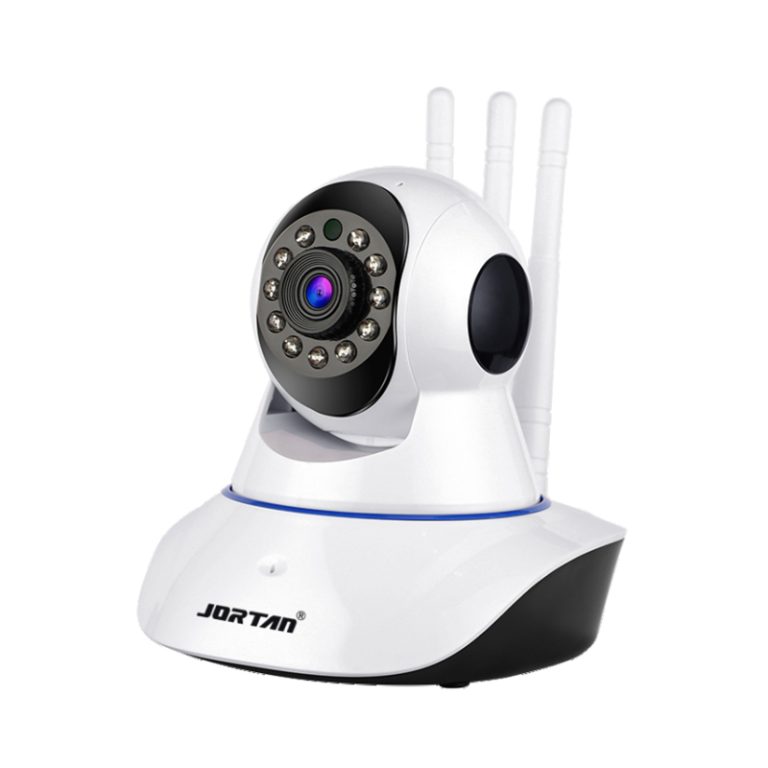
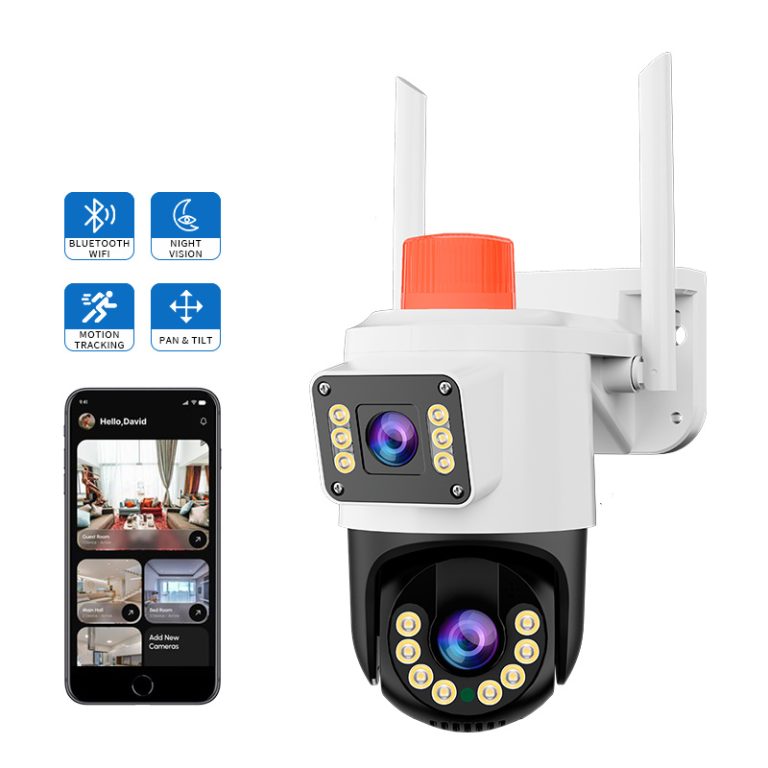
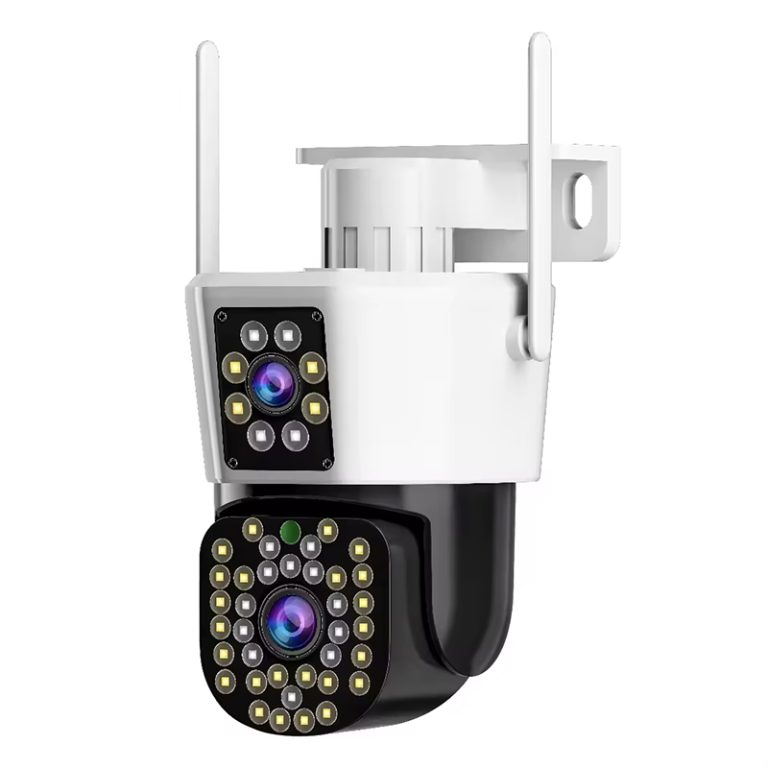
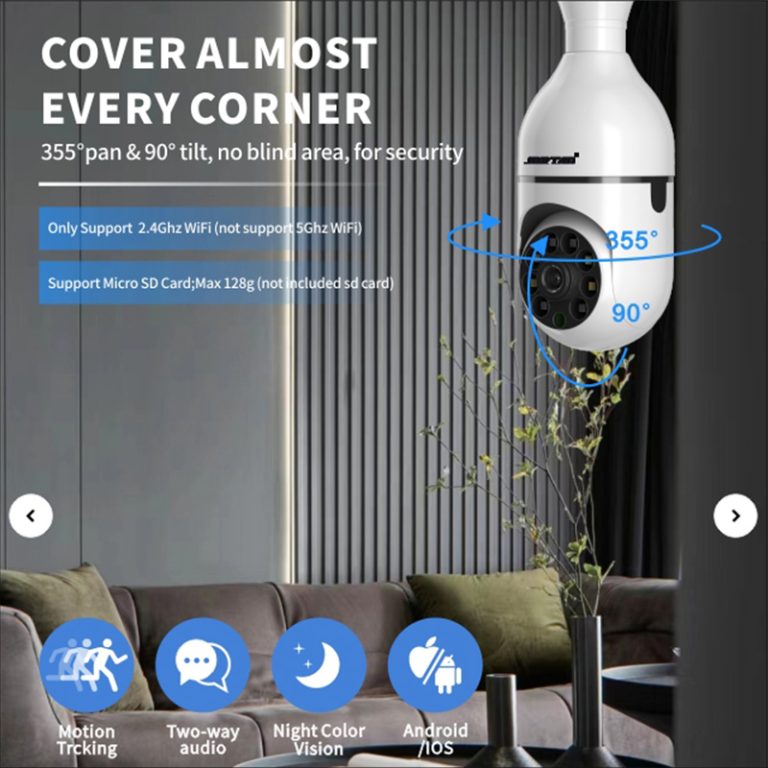
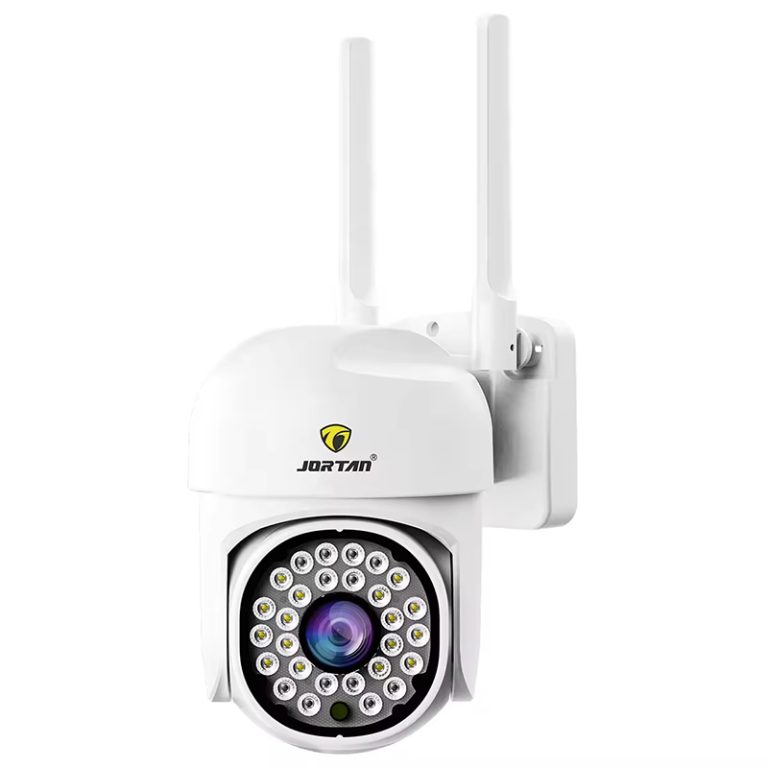
Firmware commitments read differently from hardware ones, because the obligation is ongoing. Four clauses carry the weight. A support window stated against the shipped firmware baseline, with the manufacturer committed to security patches for a defined minimum. A response ladder: a critical vulnerability reaches the buyer’s named contact inside hours, not through a ticket queue sized to consumers. A change notice: any update pushed to the buyer’s device population gets announced with release notes before rollout, and the buyer holds a deferral right for its own registered fleet. And an end-of-support promise, the devices stay patchable or the buyer gets a defined transition path. A buyer sourcing an app-connected line like the JT-8698PRO is buying years of this behavior, and the quotation that stays silent about it is pricing the hardware only.
Le Cloud Clauses the Hmatériel Contract Forgot
The firmware clause quietly points at the cloud. A camera’s app pairing, push delivery, and video relay depend on services the contract may never mention, and the clause set that protects them is short. Uptime expectations stated honestly, with the maintenance windows visible to the buyer. A sunset notice period measured in quarters, not weeks, before any endpoint the shipped firmware calls gets retired. A data and registry export path exercised once during onboarding, so the promise is a procedure rather than a paragraph. And the wind-down: if the program ends, shipped devices keep functioning on shipped software for a stated minimum period.

Spares, Logistics, and the Human Lhier
Spare parts pricing and availability held for a stated term, since a distributed fleet outlives several product revisions and the lens board of today is the shortage of year four. A technical contact named, with escalation hours, because after-sales support at distributors dies in the gap between the installer’s phone call and the factory’s time zone. Return authorization written as a flow with a clock: symptom evidence, RMA number, disposition days, credit terms. And training and documentation, the app pairing guides and troubleshooting sheets in the languages the buyer’s market actually uses, delivered as versioned files the distributor can rebrand under its own support identity. A stated review date, once a year, keeps every window and ceiling in this section from aging quietly into fiction. Suppliers operating like Jordanie, with production through two test stations behind the shipment, normally carry these artifacts already; the contract just pins them to dates. Every clause above starts as a conversation, and the contact form is where the conversation should begin before terms get signed.
Conclusion
The warranty clause needs four coordinates around it, a duration basis, a defined defect standard, the logistics split and a defect-rate floor. The firmware clause needs its own set, a support window, a response ladder, deferral rights and an end-of-support transition. The cloud layer adds the last set, honest uptime terms, a sunset notice period, a tested export path and a wind-down floor, even though most hardware contracts never name that layer at all. A contract carrying all twelve clauses reads unglamorous at signature time, yet it is what lets a distributor sell beyond the first container without personally absorbing every failure that follows. Quotation stage is the only cheap moment to ask for them, and the answer a supplier gives then predicts the answer it gives during the incident that matters.
FAQ
Q1: What warranty term is normal for OEM camera orders?
A1: Terms cluster around one to two years from shipment, and the smarter negotiation is over the coordinates around the term. The defect-rate floor and the logistics split move more real money than the month count, because the month count only prices single failures while the floor prices bad batches.
Q2: How should firmware support be written without promising forever?
A2: As a window against the shipped baseline plus behavior rules: security patch minimums, a critical-vulnerability response ladder, advance notice with deferral rights for pushes to your fleet, and a stated end-of-support transition.
Q3: Who owns the end-customer relationship in private label after-sales?
A3: The brand owner faces the end user almost always, so the contract should fund that reality: fast spares, pre-agreed RMA credits, and documentation in the buyer’s language. The manufacturer supporting the distributor is the workable model.