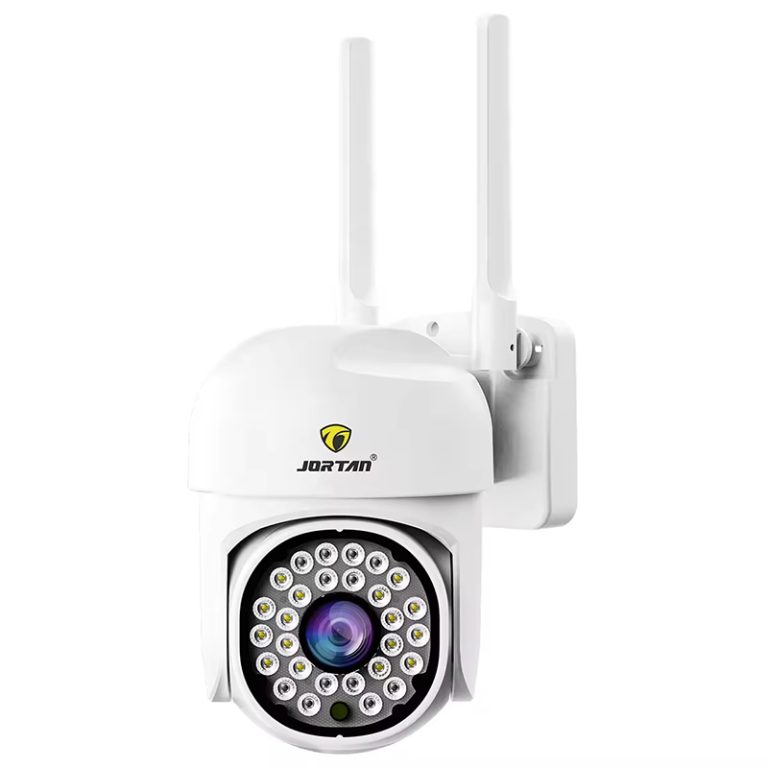
School camera procurement runs two clocks at once. The safety clock asks what protects the building after the last bell, the empty corridor, the gate at pickup, the gym rented to a club on Saturday. The privacy clock asks what the same cameras record about children, because the rooms that need protecting at night are the rooms children occupy by day, and nearly every jurisdiction now treats footage of minors differently from footage of a parking lot. A procurement plan that answers only one clock fails review. This one answers both, position by position, with the privacy zones drawn as carefully as the coverage. Suppliers like Jordanie supplying app-connected lines such as the JT-8160QJ into institutional buyers meet these questions at every layer, so the plan belongs before the products.
Coverage where adults and property live
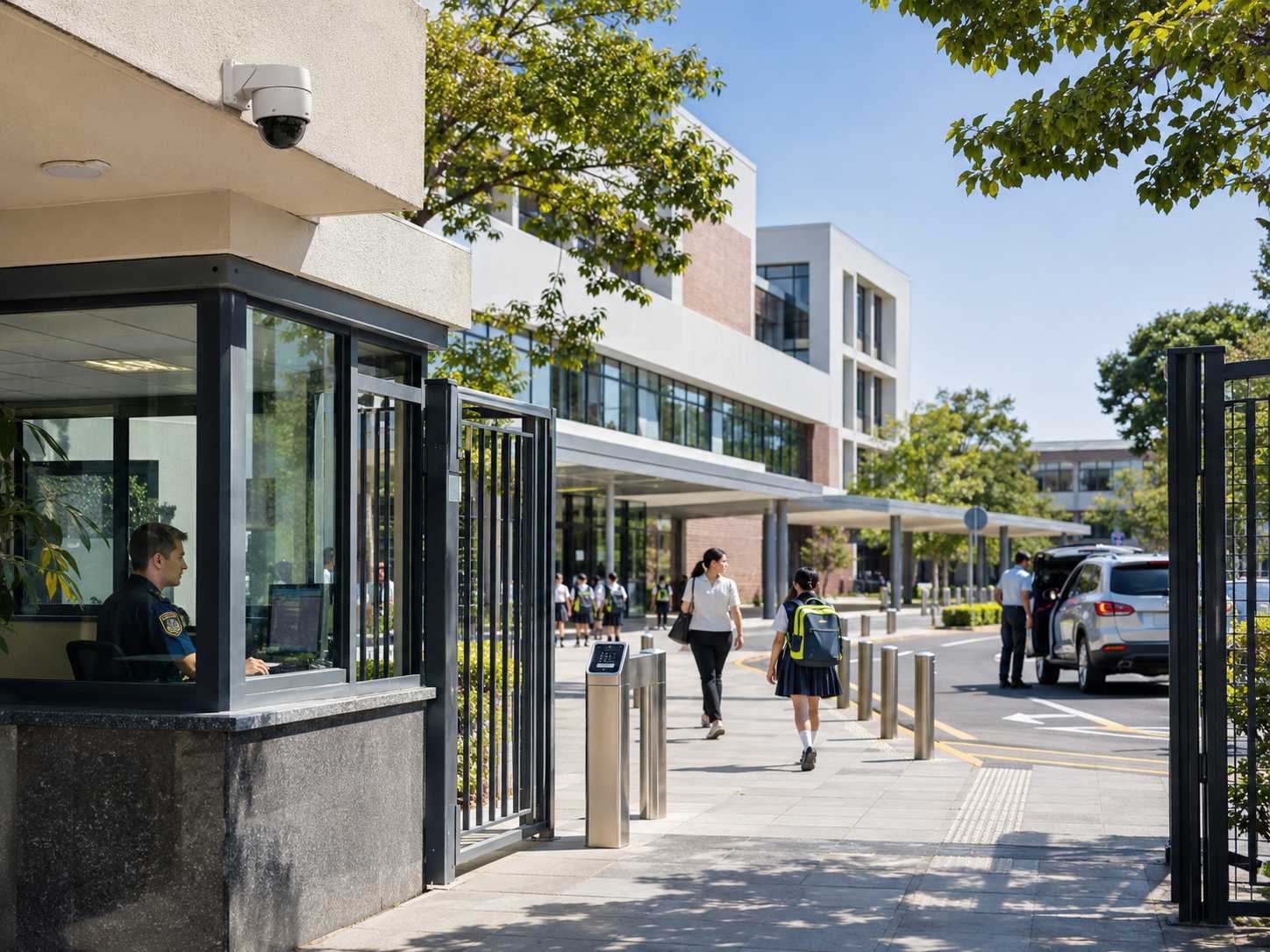
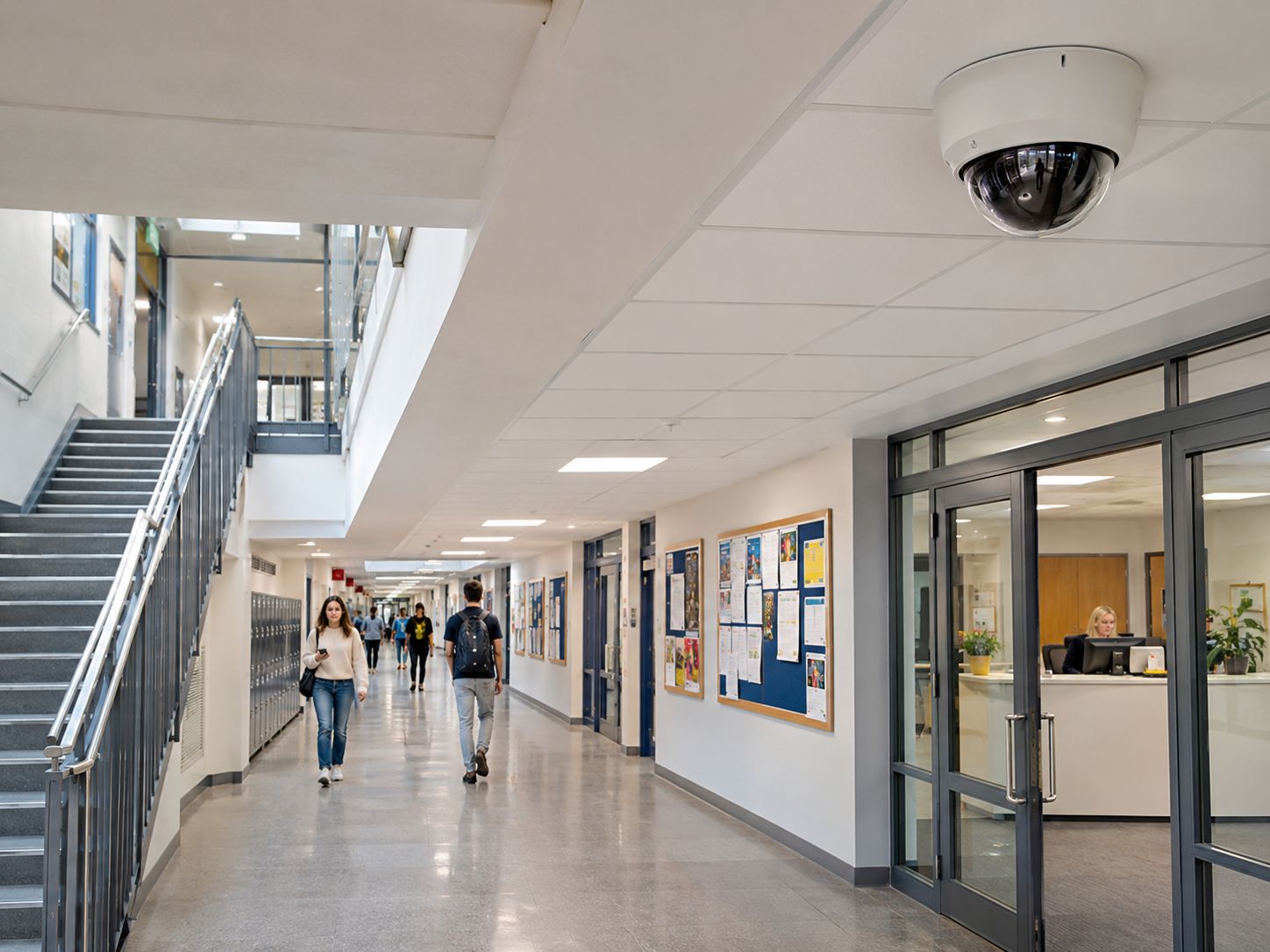
The coverage plan starts where adults and property live. Perimeter gates and the vehicle drop-off get the outdoor spec, with pickup-zone coverage aimed at faces at the gate line rather than at car roofs. Entrances and reception take the face-angle camera, since a school’s access question is who entered and were they expected. Corridors, stairwell doors, server rooms, the sports hall entrance, the science prep rooms, all defensible positions where the review question is movement and property. The kitchen and the store room follow property logic. The auditorium and the hall cover the building’s public-hire problem, since the evening tenant’s damage is the school’s footage to find.
The exclusion map is half the plan
The exclusion list is the plan’s other half, and it gets written in the same meeting. Classrooms, in most markets, sit outside acceptable coverage as a default, and where policy allows coverage it arrives with notice, governance, and usually a parent-communication answer that pure security logic never asked for. Changing rooms, toilets, and the medical room are absolute exclusions everywhere, and the camera plan should show their positions as blanks so an installer cannot guess. Staff rooms land with local labor rules, which in many places means no coverage at all. The playground question splits by market and by angle, since outdoor play areas carry property arguments and childhood arguments at once, and the honest answer is a documented angle decision rather than a policy sentence. A blank-zone map, signed alongside the coverage plan, converts all of this from a debate into a drawing.
Review Every Proposed View with the School’s Safeguarding Team
A camera drawing should be reviewed by the people responsible for the spaces, not only by the installer. Facilities staff can confirm mounting access and cable routes, IT staff can check network and recorder capacity, and the safeguarding lead can assess whether a proposed view is appropriate for the activity taking place. Where local policy requires it, involve the data-protection officer, labor representatives, or governing body before approving the layout.
Review the actual view from each proposed position. A camera described as covering a corridor may also capture the inside of a classroom when its door is open. A playground camera intended to monitor an external gate may include a neighboring property or a seating area where children spend extended periods. These details are difficult to judge from a symbol on a floor plan. Site photographs or a temporary camera test can show whether the intended area is visible and whether the angle can be narrowed without losing the security purpose.
Each position should have a written reason, an owner, and an approval status. If the purpose is to monitor an entrance, identify the entrance and the event the camera is meant to document. If a position is rejected, record the reason and keep it off the installation schedule. The final coverage drawing and exclusion map should carry the same revision date, so an installer does not work from an earlier plan. This review also gives the school a clear document to explain the system to staff and families.
Governance clauses that survive contact
Governance writes itself into the procurement once one administrator gets tired of ad-hoc requests. Access to footage gets named roles, the designated safeguarding lead rather than whoever has the recorder password, and every export leaves a log entry. Retention follows the written policy, since a school keeping footage for a year has created a records problem the security plan never asked for, while a school keeping it four days may have deleted the evidence the incident review needed the following week. Export rules carry the child dimension, a clip containing minors leaves the building only through the named procedure, because a parent’s WhatsApp request is a data disclosure wearing a friendly face. Notice signage at each covered entrance, in the languages the families actually read. And the interview-room and search-room positions, which exist precisely because sensitive interactions need a record, get specified as governance cameras rather than surveillance cameras.
Training centers and campus rollouts
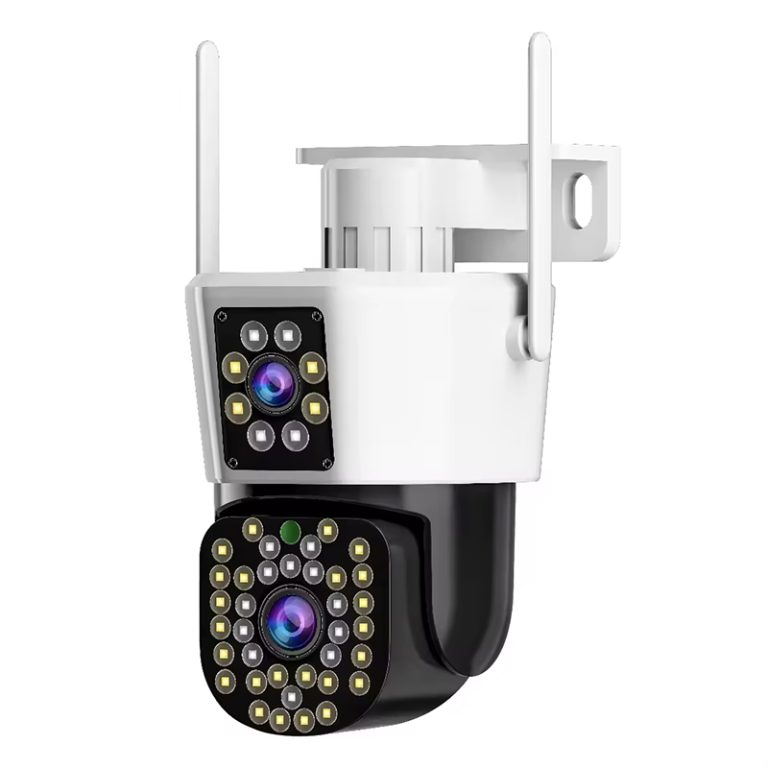
Training centers with adult learners inherit the perimeter, entrance, property and corridor logic with a lighter privacy load, and one honest extra decision: private practice rooms and any angle into a teaching space get the same documented treatment as a school’s blank zones, because adult students film their own phones and a camera beside them needs a stated reason. Bulk buyers outfitting several campuses standardize the position list per building type, outdoor gate set sized on the three-lens JT-9999PRO, entrance set, corridor set, and keep the exclusion map in the same file as the bill of materials, since the audit that checks the purchase will eventually ask to see both together. An academy building its standard set can start the same file from the evaluation request the procurement opens with.
Conclusion
The safety coverage lives at gates, entrances, corridors, property rooms, and the public-hire spaces, placed for faces and movement. The privacy plan lives as a signed map of blanks, classrooms by policy, wash areas absolutely, staff rooms by labor rule, playgrounds by documented angle, and the two plans fit on one drawing or the review committee will ask for the drawing. Governance does the rest, named footage access, retention that answers to policy rather than habit, export procedure sized to the children in the frames, signage families can read. A school camera plan read alongside its privacy plan should look like one document, because to a parent, an auditor, and a later inspection, it is.
FAQ
Q1: Are cameras allowed in school classrooms?
A1: Usually not as a default, and where a jurisdiction allows it the conditions, notice, governance and a genuine purpose, arrive as compliance work, not a switch setting. Classrooms get left off the coverage plan until a written legal basis says otherwise.
Q2: How long should a school keep camera footage?
A2: Against a written retention policy that balances incident review against data-minimization duties for minors, most policies land at a few weeks. Both failure modes bite, retention too short deletes the review evidence and too long keeps data beyond its purpose.
Q3: Can parents request footage of their child?
A3: Through the school’s written subject-access procedure, not through a corridor conversation. A clip showing other children in frame is everyone’s data at once, which is why named-role access and a logged export procedure protect the school as much as the family.