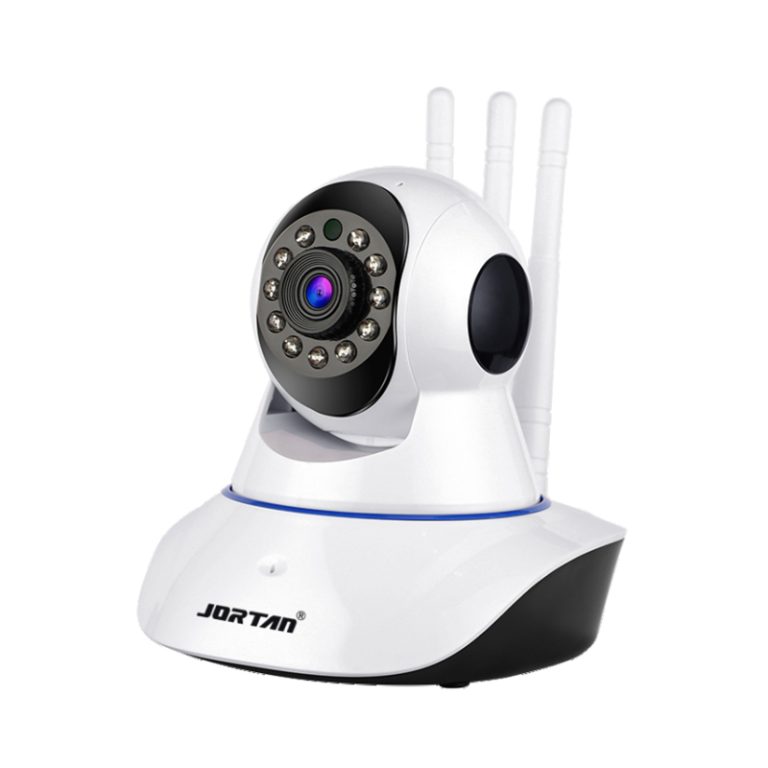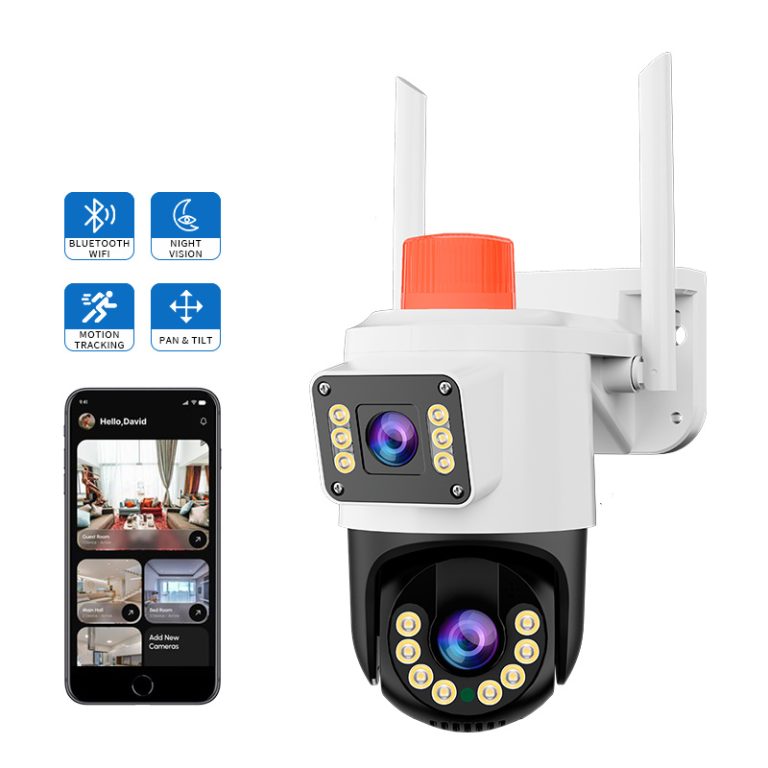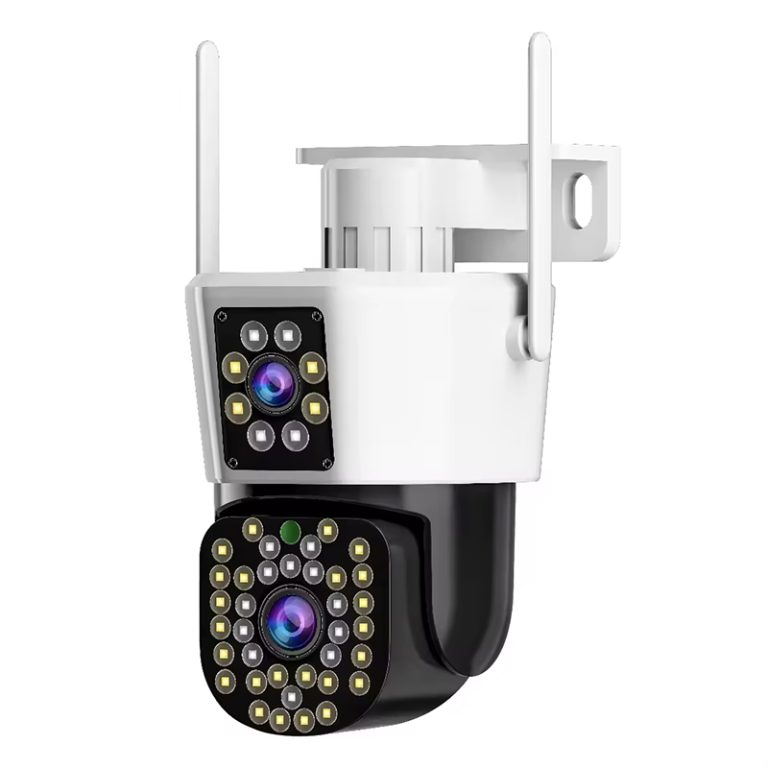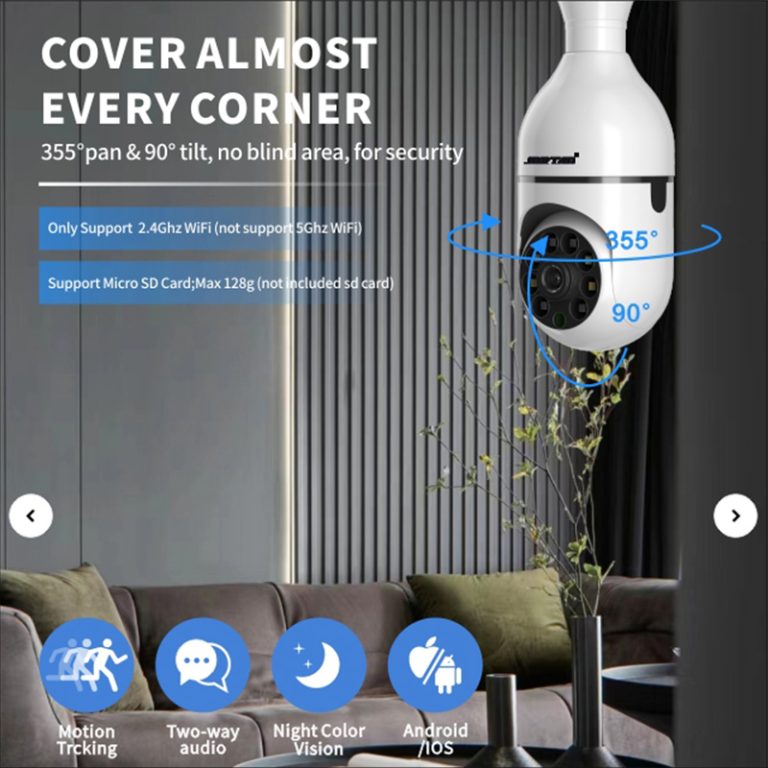
A golden sample does more than look right on a desk. It is the physical and software reference. Production units get judged against it. A missing record opens a gap. The supplier can match the visible shape. Then the lens, firmware, accessory pack, app behavior, or image profile changes. That is what customers actually feel.
The sample works as a fixed product definition. The model name goes in first. Then the hardware revision and the firmware. Lens, sensor, and label come next. Packaging, accessories, and the test result close the record. Nothing sits outside the file. OEM camera projects make this point sharp. One approved configuration goes out across several markets. Replacement units have to behave the same way.
Lock the Physical Configuration First
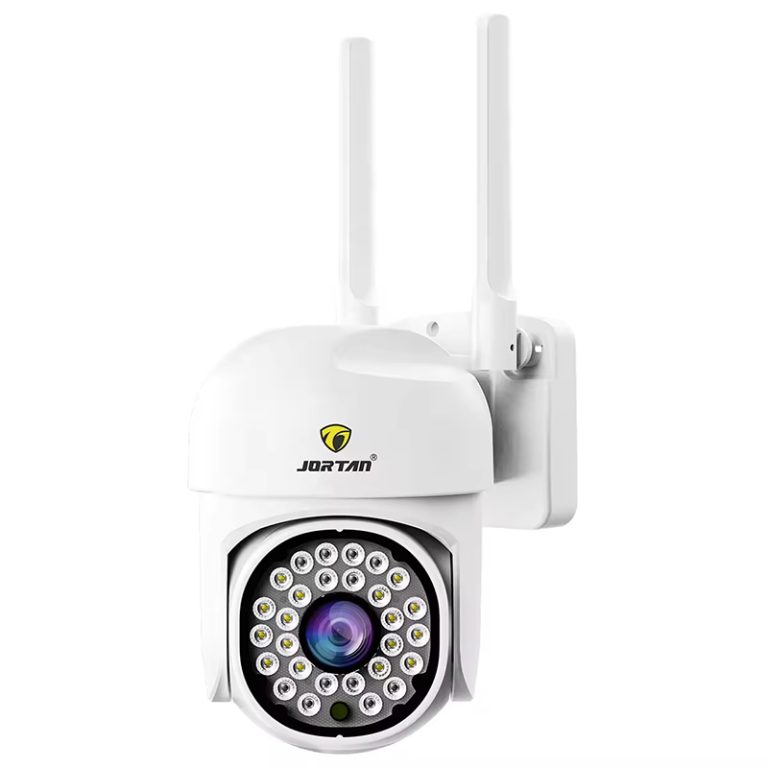
The parts that move image quality or installation get recorded. The housing and bracket get logged first. Lens focal length is next. The sensor description and LED arrangement come after. The microphone and speaker get listed. Antenna and connector close that section. The power adapter joins the storage rule and mounting hardware. Every side gets photographed. The serial or batch reference from approval stays in the file.
Image Quality Needs un Scene, Not un Compliment
The test scene has to name its conditions. Target distance. Lighting, motion, reflective surfaces. Night mode, field of view, focus, and exposure. Color or infrared mode. Audio condition. And the clip that actually passed. “Clear image” by itself is not a usable standard for acceptance.
Le JT-9689UQJ golden sample reference goes into the approval file once the exact lens and firmware are written down. The recorder or app path and the scene go in as well. The product page names the model. The golden sample record defines the deliverable.
Accessories Belong tle the Same Approval
Missing extra parts will cause customer returns. This happens even if the main camera works perfectly. You must confirm the power plug, screws, metal bracket, and waterproof seals. Also, check the reset tool, wire, user manual, sticker, barcode, and shipping box marks. Sometimes, companies sell these products through various dealers. In this case, you should make the outer carton and inner box contents very clear to the warehouse workers. This step helps them catch incomplete packages before they ship out.
Does the box hold both a standard part and an extra optional item? If so, clearly name both of them. Do not rely on a basic sales email to explain this difference. A proper golden sample must show exactly what the end user will open. At the same time, the price quote explains what costs extra and what parts you can swap out.
Firmware unnd App Behavior Must Be Frozen
Approving the physical hardware is never enough. You must also identify the exact firmware and the mobile app process. Write down the firmware version, factory settings, account creation steps, and pairing methods. Include the video stream profile, local storage rules, phone alerts, sound features, time zone, user access rights, and the final reset result. For a standard IP camera, the specific network and recorder pairing will heavily change how the buyer experiences the product.
Capture the Settings That Matter After Reset
Perform the system reset and setup process exactly like a brand new user would. Connect the camera to the app once again. After that, check the live video feed and the saved playback. Next, create a motion event. This action lets you check the file storage location and test the remote access speed. Write down which options stay the same after a full reset. Also, note which features go back to the factory defaults. This specific document becomes highly valuable for the technical support team later on.
Project guides often list software updates as a common fix for network connection problems. They also mention WiFi settings, router segments, and physical mounting spots. Because of this, the officially approved firmware must stay inside the main sample record. You should never leave this choice to random chance during later mass production.
Define Change Approval Before Production
The purchase agreement should name changes that require a new sample: sensor, lens, SoC, memory, WiFi or 4G module, firmware branch, app function, housing, power supply, packaging and accessories. A substitution that looks minor on the production line can change night image, bandwidth, power draw or installation instructions.
A second Jortan6 camera sample may help compare a different form factor or feature tier, but it should not be treated as the same golden sample. Each approved model needs its own identity and acceptance record.
Turn the Sample Into un Production Tool
Keep the golden sample in a named location and give the supplier a matching digital record. Include photographs, test clips, firmware, configuration export, label artwork, packaging proof, accessory list and approval owner. When a lot is questioned, the comparison should use the same conditions whenever possible.
Jortan’s official product and OEM/ODM guides explain trial orders, custom logos, and unique package designs. They also cover physical shape updates, new mold creation, and technical help. However, these great services only work well when the buyer uses a strict approval process. A factory can easily build what the buyer clearly approved. It cannot guess a hidden preference later on.
Your approval document must stay highly useful long after the items ship out. Good project planning requires the camera model, lens, software, APP, and motion settings to stay perfectly aligned. You must also track the storage method, accessories, wall plug type, box marks, paper manual, testing steps, spare parts, and future software help. Keeping all these details together helps a buyer heavily. An importer can easily compare a new mass production unit with the original golden sample. They do not have to rely on human memory or a basic marketing picture.
Utiliser un Lot Release Checklist
During every single batch, you must check the physical look, printed label, and total accessory count. Also, verify the firmware, lens angle, night video clip, app connection, storage rules, sound, and box contents. Always keep a written inspection report. If a new batch looks different, mark the problem clearly. You can label it as a flaw, an accepted update, or a totally new setup that needs a fresh approval.
UN sample validation request should always include the main golden sample file. It must also carry the target testing scene, video clips, software, box proofs, and the updated parts list. This complete package is much more helpful than a short email claiming that the newest batch simply “looks different.”
A proper factory check must use much more than a simple photo on a desk. Good project rules demand strict testing for night vision, APP linking, local storage, and internet stability. You must also check outdoor weather resistance, loop recording, push alerts, extra tools, and the final packaging against agreed limits. After that, a batch can pass the test. Otherwise, you can send it back for quick repairs with a clear owner and deadline, or you can reject it completely. This careful method turns the golden sample into an active testing tool. It is no longer just a pretty display item locked away in a glass cabinet.
For multi-model buyers, keep a separate golden sample file for each approved configuration, even where the housing looks similar. The project material distinguishes model, lens, storage route, APP path, mounting accessories, packaging, and firmware as procurement fields. A shared product photograph is not enough evidence to show that two camera variants can be substituted in the same customer order.
Conclusion
A security camera golden sample should lock hardware, image behavior, firmware, app flow, accessories, packaging, and the change-approval rule. The sample becomes valuable when its test scene and records are specific enough for production and after-sales teams to use. Approve a complete product reference, not only a camera body. The Jortan sample approval process page provides a focused procurement reference.
FAQ
Q1: Can a golden sample be only a physical camera?
A1: Not by itself. Keep the camera with firmware and settings, app path, accessories, packaging, test clips and the signed approval record.
Q2: Which changes require a new sample?
A2: Review changes to the sensor, lens, SoC, memory, wireless module, firmware, power, housing, accessories or packaging. Whether a new sample is needed depends on the effect, so define that decision before production.
Q3: Why record the test scene?
A3: A clip has meaning only when distance, light, motion and viewing angle are recorded. Repeating the same scene gives production and service teams a fair comparison.