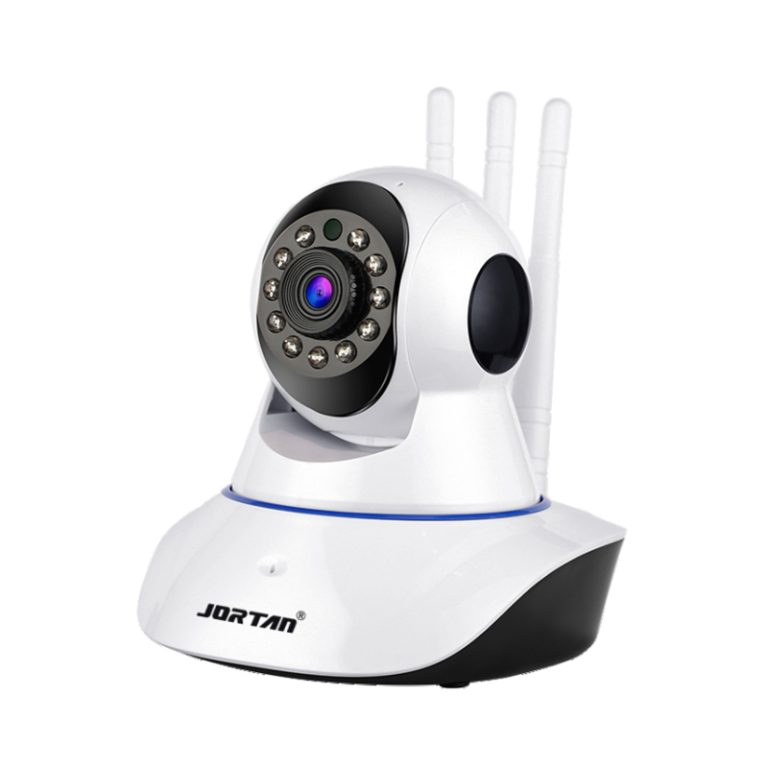
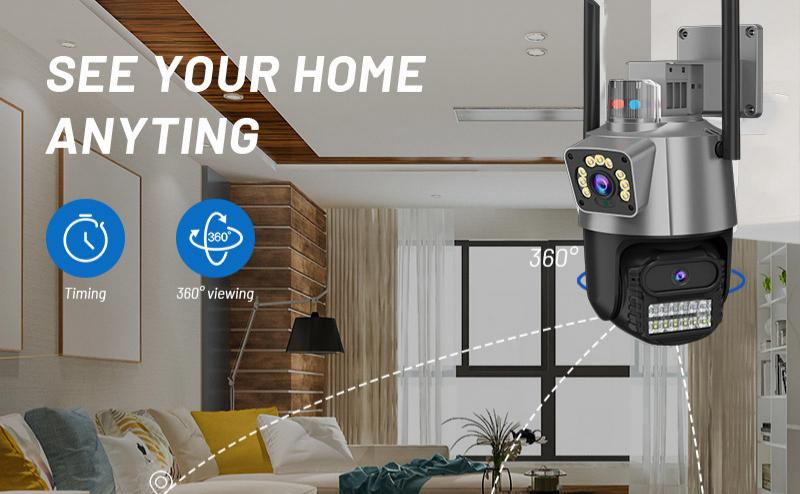
Un bon Caméra PTZ Elle devrait offrir plus qu'une simple rotation. Elle devrait garantir une vision claire, un suivi précis des mouvements, résister aux intempéries, être compatible avec l'application ou la plateforme adéquate et laisser suffisamment d'espace pour répondre aux exigences des équipementiers ou des projets.
Pourquoi les caméras PTZ restent-elles importantes dans les projets de sécurité ?
Ils couvrent de plus grandes surfaces avec moins d'unités.
Les caméras PTZ sont utiles lorsque la scène est vaste et les mouvements imprévisibles. Les parkings, les entrées d'usines, les entrepôts, les exploitations agricoles, les zones logistiques et les chantiers nécessitent souvent à la fois une vue d'ensemble et une vision rapprochée des détails. Une caméra fixe peut bien couvrir un angle, mais elle ne peut pas suivre les mouvements ni surveiller une autre direction après son installation.
Cela ne signifie pas qu'une caméra PTZ remplace systématiquement toutes les caméras fixes. Dans de nombreux projets, une configuration mixte est préférable. Les caméras fixes surveillent les entrées principales ou les passages étroits, tandis que les caméras PTZ couvrent les zones ouvertes, les points de patrouille et les cibles mobiles.
Ils aident les équipes de sécurité à réagir plus rapidement.
Pour les acheteurs de projets, la valeur ajoutée des caméras PTZ réside dans leur facilité d'utilisation. Les positions prédéfinies, les itinéraires de patrouille, le déclenchement d'alarmes, l'audio bidirectionnel et le suivi automatique permettent aux agents de sécurité d'intervenir plus rapidement. Dans un entrepôt, par exemple, une caméra PTZ peut suivre une personne ou un véhicule après sa détection, au lieu de se limiter à l'enregistrement de son point d'entrée initial.
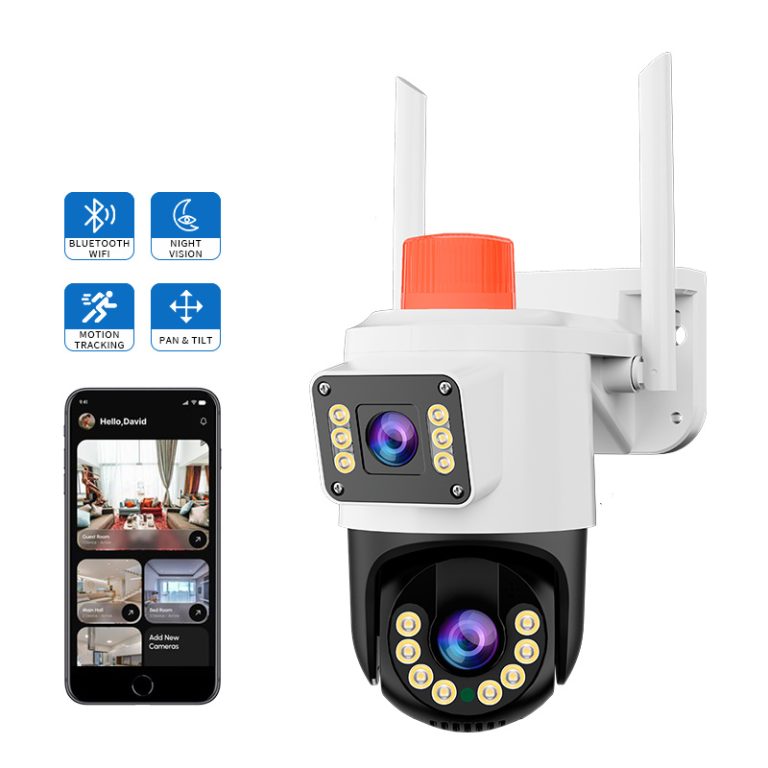
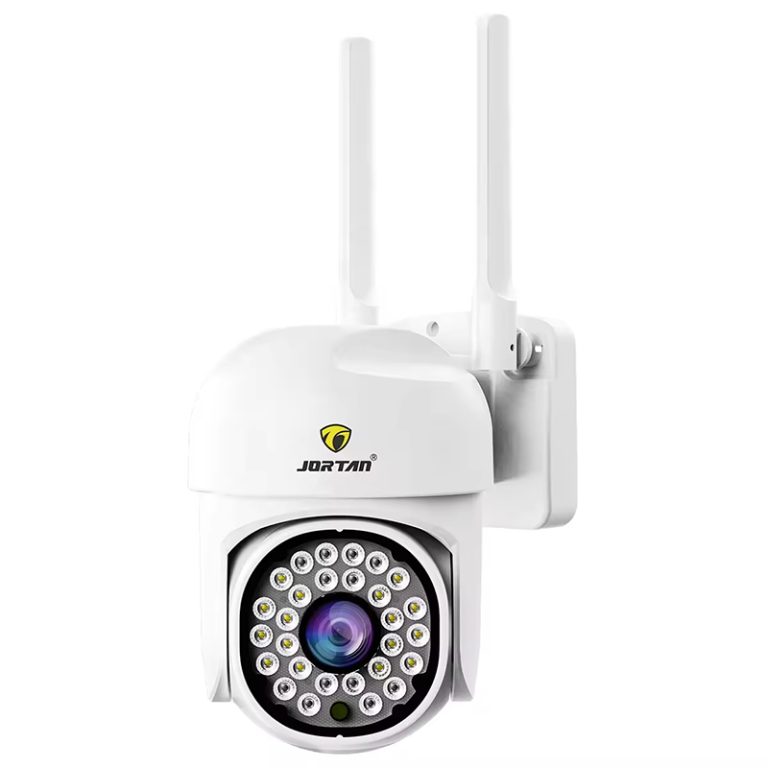
JordanieLa gamme de produits de la marque comprend des modèles comme la JT-8698PRO, une caméra PTZ WiFi ICSEE à double objectif de 4 MP avec suivi IA et éclairage d'alarme. Ce type de caméra est particulièrement adapté aux entrées extérieures, aux jardins et aux petits projets commerciaux.
Quelles sont les spécifications que les acheteurs doivent vérifier en premier ?
Le mouvement panoramique et d'inclinaison doit être fluide et stable.
Il est recommandé de tester la rotation PTZ avant toute commande en gros. Vérifiez que la caméra se déplace de manière fluide, s'arrête avec précision et réagit rapidement via l'application ou la plateforme. Si la caméra tremble lors du zoom ou perd le suivi de la cible, cela risque d'entraîner des réclamations lors de son utilisation.
Pour les commandes importantes, les tests d'échantillons doivent inclure des rotations répétées, des commutations prédéfinies et un fonctionnement prolongé. Ces tests à petite échelle révèlent souvent plus qu'une brochure produit.
La résolution doit correspondre à la distance de vision.
Le nombre de pixels est toujours le premier chiffre indiqué dans un devis, mais il ne doit pas être le seul critère de décision. Une caméra PTZ de 2 mégapixels peut convenir à l'entrée d'un petit magasin. Pour les cours extérieures, les portails d'accès, les parkings ou les sites industriels plus vastes, une résolution de 4, 6 mégapixels ou plus offrira une meilleure précision.
La vision nocturne nécessite des tests en conditions réelles
De nombreux problèmes de caméras PTZ surviennent la nuit. Il est conseillé aux acheteurs de comparer les modes de vision nocturne infrarouge, couleur, éclairage blanc intelligent et alarme lumineuse. Pour une utilisation en extérieur, la vision nocturne doit être testée à la hauteur de montage et à la distance de la cible prévues.
Jordan JT-8698PRO Il offre un éclairage couleur stellaire, une vision nocturne infrarouge et un double mode d'avertissement lumineux. Cela en fait un outil précieux lorsque la visibilité extérieure et la dissuasion active sont toutes deux nécessaires.
Comment les acheteurs doivent-ils évaluer la connectivité ?
Le Wi-Fi, le filaire et la 4G conviennent à différents projets.
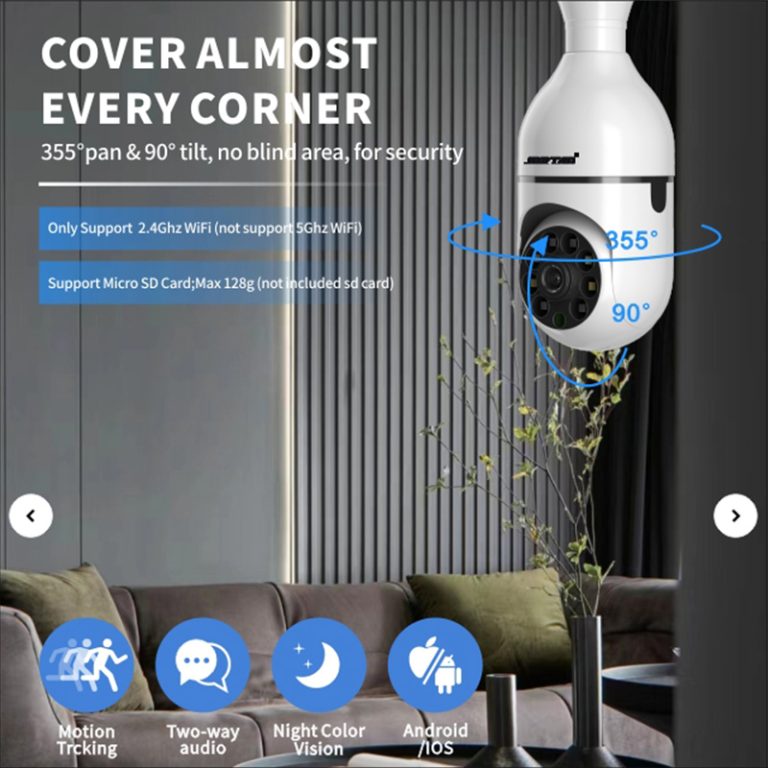
Les caméras PTZ Wi-Fi conviennent aux commerces, maisons, petits entrepôts et espaces extérieurs avoisinants. Les systèmes filaires ou PoE offrent une meilleure stabilité pour les projets structurés disposant d'une infrastructure réseau existante. Les caméras PTZ 4G sont généralement privilégiées pour les exploitations agricoles, les chantiers temporaires, les portails isolés ou les zones sans accès internet haut débit.
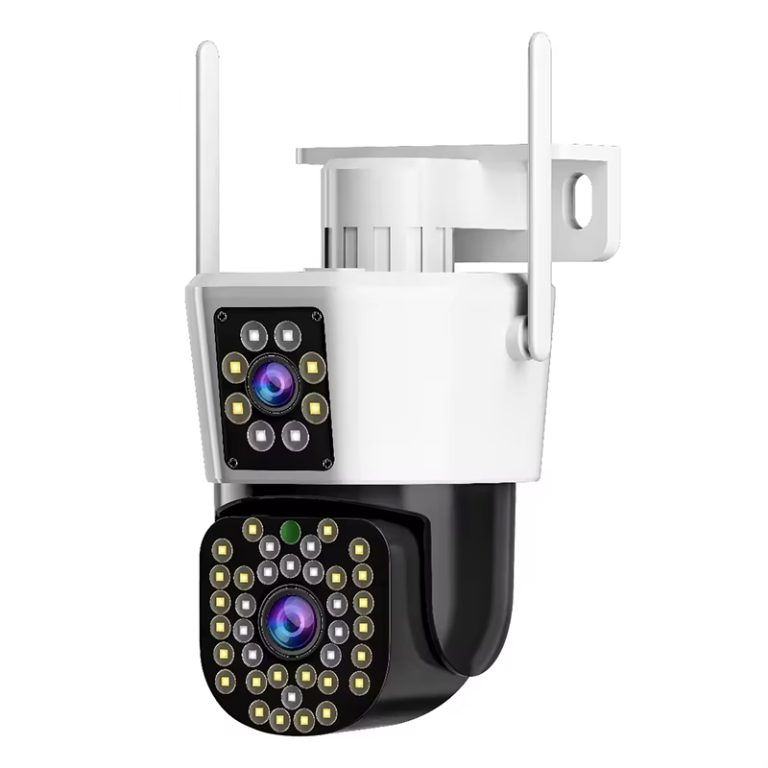
Des modèles comme JT-9999PRO Ces caméras sont conçues pour une utilisation extérieure PTZ WiFi à double objectif, le contrôle via l'application ICSEE, la vision nocturne couleur et un zoom 8x. Pour les distributeurs, ce type de produit se positionne entre les caméras WiFi de base et les systèmes NVR plus importants.
La prise en charge des applications et des plateformes doit être claire.
Les différents modèles peuvent utiliser des applications ou des plateformes cloud différentes. Pour les distributeurs, ce point est important car l'application influe sur la configuration, le partage, la lecture, la prise en charge des langues et le service client. Les acheteurs de projets doivent également vérifier si la connexion ONVIF, un NVR, un stockage local sur carte TF ou un stockage cloud sont nécessaires.
Quelles sont les normes de durabilité extérieure importantes ?
La protection contre l'eau et la poussière est essentielle.
Les caméras PTZ extérieures doivent être conçues pour résister aux intempéries. IP66 Elle est couramment utilisée pour la surveillance extérieure, mais les acheteurs doivent tout de même vérifier l'étanchéité du câble, la solidité du support, le matériau du boîtier et la qualité du cache-objectif. La protection contre la pluie ne suffit pas. La poussière, les insectes, la chaleur et le vent affectent également ses performances à long terme.
La stabilité de l'alimentation électrique ne peut être négligée.
Les caméras PTZ consomment plus d'énergie que les caméras fixes classiques car elles intègrent des moteurs, un éclairage et parfois des haut-parleurs. Il est important de vérifier l'alimentation, la qualité de l'adaptateur, la longueur du câble, la protection contre les surtensions et la plage de températures de fonctionnement.
Dans les projets en extérieur ou à distance, une alimentation électrique insuffisante peut entraîner des interruptions de service aléatoires. Ces problèmes étant difficiles à diagnostiquer après l'installation, il est impératif de les vérifier avant l'expédition.
Comment les fonctionnalités d'IA peuvent-elles améliorer l'efficacité des projets ?
Détection des personnes et des véhicules : réduction du bruit
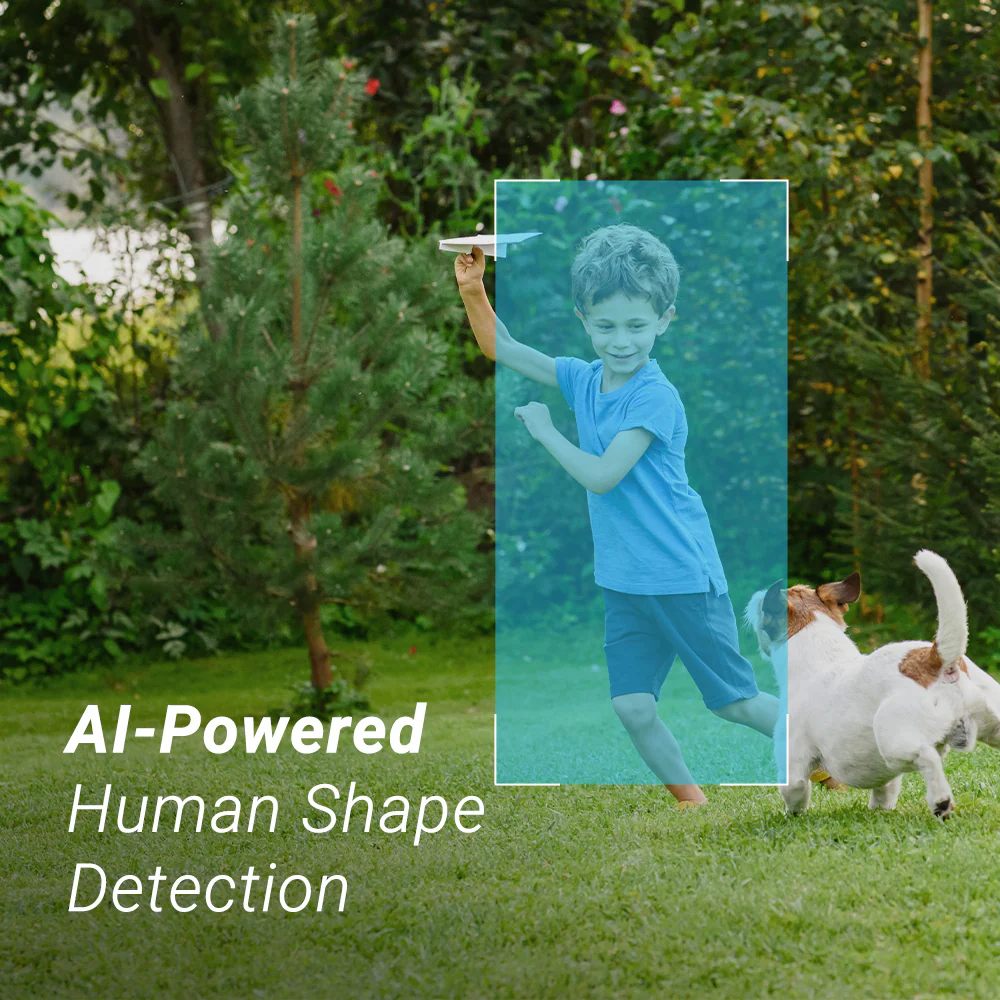
Les scènes extérieures incluent les arbres, la pluie, les insectes, les animaux, les phares et les ombres. La détection de mouvement basique peut générer trop de fausses alertes. La détection par IA des personnes et des véhicules permet de filtrer les alertes inutiles et offre aux utilisateurs un historique d'alarmes plus pertinent.
Le suivi automatique doit être vérifié attentivement.
Le suivi automatique est un atout marketing indéniable, mais il nécessite des tests concrets. La caméra parvient-elle à suivre une personne traversant le champ de vision ? Retourne-t-elle à sa position initiale après le suivi ? Perd-elle la cible lorsqu'il y a plusieurs personnes à l'écran ?
Comment les acheteurs doivent-ils choisir un fournisseur de caméras PTZ ?
La gamme de produits doit correspondre aux différents niveaux de projet.
Un fournisseur sérieux devrait proposer plusieurs caméras PTZ. Les acheteurs peuvent avoir besoin de caméras PTZ WiFi basiques, de modèles PTZ à double objectif, de versions 4G, d'options solaires et de kits de surveillance pour différents clients. Une gamme plus étendue facilite la constitution d'une offre de produits pour les circuits de distribution, les installateurs et les appels d'offres.
Jortan, par exemple, présente sur sa page produit officielle des catégories de produits telles que les caméras IP, les systèmes de surveillance et les caméras solaires. Pour les acheteurs comparant les fournisseurs chinois de caméras de sécurité, ce type de gamme peut faciliter le choix d'un modèle, mais la décision finale doit néanmoins reposer sur des tests et une adéquation au projet.
Les capacités OEM et ODM aident les acheteurs de marques
Les marques et les distributeurs ont généralement besoin d'impression de logo, d'un design d'emballage, de manuels, d'une application compatible et d'une configuration stable pour les commandes répétées. Assurez-vous que le fournisseur puisse conserver le même chipset, la même lentille, la même application et le même boîtier pour les lots suivants. Des changements de configuration soudains peuvent engendrer des problèmes après-vente.
Le contrôle qualité doit être abordé avant la fixation du prix.
Le prix est important, mais il doit intervenir après des contrôles qualité de base. Renseignez-vous sur les tests de vieillissement, les contrôles d'étanchéité, la gestion des versions du micrologiciel, l'inspection de l'emballage et le traitement des défauts. Pour les projets d'envergure, la réactivité du fournisseur après expédition peut être tout aussi cruciale que le devis initial.
Que doit contenir une demande de devis pour une commande groupée de caméras PTZ ?
Fournir des informations claires sur le projet
Une bonne demande de devis doit inclure le pays, la quantité, le lieu d'installation, l'utilisation intérieure ou extérieure, la hauteur de montage, la distance de vision, l'alimentation électrique, le type de réseau, les exigences de stockage, l'application ou la plateforme préférée, les besoins en emballage et le délai de livraison cible.
Demander des échantillons avant la production en série
Dans la mesure du possible, les tests d'échantillons doivent être effectués en conditions réelles. Vérifiez la qualité d'image de jour et de nuit, la configuration de l'application, la rotation, le suivi, le stockage, l'étanchéité et l'emballage. Ce n'est qu'après validation de l'échantillon que les acheteurs pourront confirmer les détails de la production en série.
FAQ
Q1 : Quelle est la première chose que les acheteurs doivent vérifier lorsqu'ils s'approvisionnent en caméras PTZ en gros ?
A1 : Il est conseillé aux acheteurs de déterminer l'environnement réel du projet en termes de distance, de connectivité réseau, de source d'alimentation, d'emplacement de montage et d'exigences d'enregistrement avant d'acheter tout type de caméras PTZ.
Q2 : Quels paramètres doivent être inclus dans une demande de devis pour une caméra PTZ ?
A2 : Une demande de devis complète doit comprendre la résolution, le type d'objectif, la capacité de zoom, la plage de panoramique et d'inclinaison, le réglage de la vision nocturne, les capacités de détection par IA, le nom de l'application mobile, la compatibilité ONVIF, le support de stockage, le niveau d'étanchéité, les exigences en matière d'alimentation, le nombre, l'emballage et la période de garantie.
Q3 : Quel est le MOQ habituel pour les commandes de caméras PTZ ?
A3 : La quantité minimale de commande dépend du fournisseur, du modèle et niveau de personnalisationLes modèles standard ont généralement une quantité minimale de commande (MOQ) plus faible, tandis que l'emballage OEM, l'impression de logo, la personnalisation de l'application ou les couleurs de boîtier spéciales peuvent nécessiter une quantité de commande plus élevée.
Q4 : Les caméras PTZ peuvent-elles être personnalisées pour les marques locales ?
A4 : Absolument, de nombreux fournisseurs, comme Jortan, proposent des services d’impression de logos, de conception de boîtes en couleur, de manuels d’utilisation, d’étiquetage et même de modification d’apparence. Le client doit vérifier le coût de la personnalisation, le délai de fabrication et l’uniformité des commandes ultérieures.