Solar camera setups are shifting from specialized outdoor tools to useful parts of current security plans. As battery performance, wireless links, and panel output get better, sun-powered CCTV arrangements are growing more dependable for houses, work areas, farms, and far-off spots.
The Rise of Solar Camera Technology
As worldwide businesses adopt green energy and clever security, solar-driven watching is changing how people guard their property. The growth of Sun CCTV setups has reshaped freedom, productivity, and smarts in oversight.
How Has Solar Energy Transformed Modern Surveillance Systems?
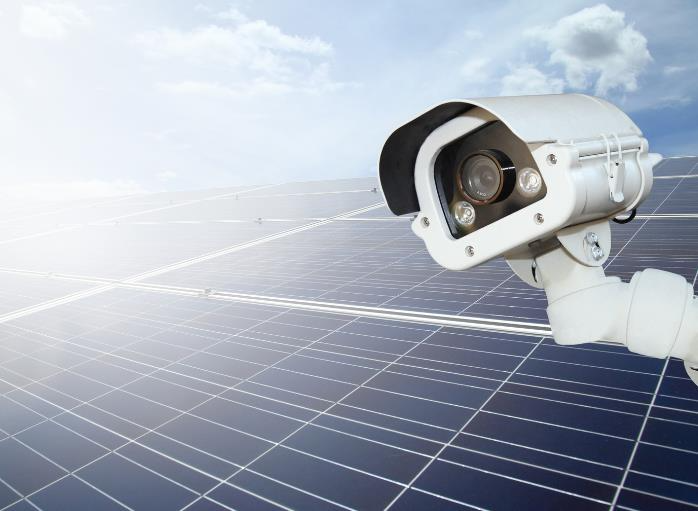
The blend of solar power into watching has moved the approach from connected to free, wireless work. Old CCTV systems depended a lot on main power and tricky wiring. This limited their use in far-off or poor-setup places. Now, solar camera tech uses light-to-electric advances for full off-grid running.
Solar cell-watching cameras bring three key changes: power independence, network safety, and smart protection. They serve as the best fix for spots without power or web links. Thus, they fit well for distant country areas, outdoor tasks, nature guard zones, and other unique settings. This freedom lets you place watching where the sun hits—without fear of power breaks or expensive setups.
How Is Jortan Leading the Next Wave of Solar Surveillance Innovation?
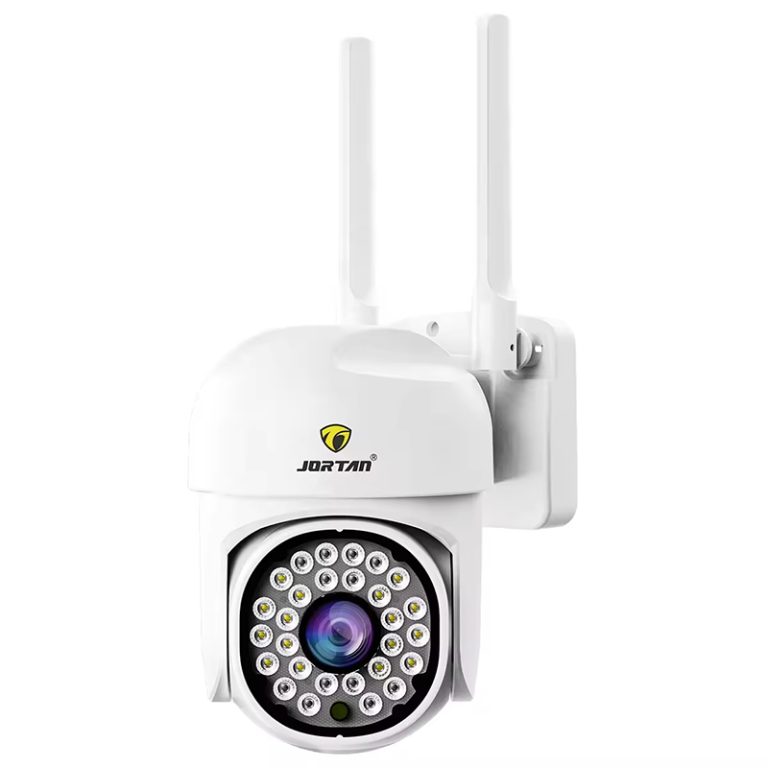
Leading this change is Jortan, a trailblazer in solar-driven safety fixes focused on joining green energy with smart analysis. Jortan’s design approach centers on three main ideas—productivity, strength, and flexibility. So, every item works steadily in varied settings.
Its research groups have created better solar camera types tuned for city setups and off-grid lands. With exact planning and wise blending, Jortan helps users watch big areas without relying on old structures. If you run a building site or a crop field, Jortan’s setups give steady work supported by AI-led smarts and a strong build that handles tough weather.
Core Components and Working Principles of Sun CCTV Systems
Before using solar-driven watching, it helps to understand how these setups run smoothly in different weather.
What Powers a Solar Camera’s Continuous Operation?
The core of each solar camera is its light panel—a tool that turns the sun into electric power for all system tasks. Full off-grid running: Solar power source: Single-crystal silicon light panels + smart power storage setup. An average of 4 hours of daily sun can back 15 days of rainy or cloudy work. Plus, there are zero power bills all year. No wiring setup: Quick placing on current poles (street lights/signal poles). Installation finishes in 30 minutes. This saves 70% of structure costs.
This mix ensures nonstop work even in long, cloudy times. That comes thanks to built-in lithium battery storage. Smart controls manage charge cycles with fitting plans that stop overcharging or draining. As a result, they boost length and trust in all weather.
How Do Image Processing and Connectivity Enhance Performance?
Today’s smart CCTV cameras include high-clarity sensors that give sharp pictures no matter the light changes. Wireless links through 4G or Wi-Fi parts let live video send to cloud spots for far access via phone apps or web boards. AI-based checks add power to these tools with person and vehicle spot skills. This cuts wrong alerts. At the same time, it makes sure quick warnings happen when odd actions happen.
Advantages of Deploying Solar Cameras in Modern Infrastructure
Choosing to use solar cameras brings green and work perks that go past usual watching ways.
Why Are Solar Cameras More Energy-Efficient and Sustainable?
By taking only from green power sources, solar cameras sharply lower carbon output tied to old main power use. Their self-run style means little upkeep after setup. No repeat power costs or tricky cable fixes are needed over time. Tough setting fit: Wide work heat range: -30°C to 60°C. Army-level guard: IP66/IP67 water and dust proof. It stands heavy rain, sand storms, and other hard weather.
How Flexible Are These Systems for Deployment Across Different Scenarios?
Solar cameras shine where standard setups fall short—in far farms, big parking areas, building zones, or animal parks with little structure or access. Their piece-by-piece design backs fast setup on current poles or walls without the need for outside wire nets. The growable build lets you blend into wider safety frames as your watching needs grow over time.
Technological Innovations Driving the Future of Sun CCTV Systems
As tech grows fast, next-step Sun CCTV setups are getting wiser and more self-run than before.
How Does IoT Integration Enhance Smart Surveillance Management?
An IoT-based build allows live matching between many tools across sites via cloud-run control spots. Forward upkeep driven by AI checks for spots likely to cause problems before they turn into downtime. Thus, it keeps running steadily without manual work.
On top, locked cloud storage strengthens data safety against unallowed entry. Meanwhile, it keeps main control over video files open at any time and in any place.
What Advances Are Improving Energy Storage Efficiency?
Battery changes stay key to stretching system strength under shifting sunshine conditions. The top pick is a mix of single-crystal silicon solar panels + big-store lithium batteries. These charge full in 5-6 hours on sunny days. They last over 10 days on rainy ones. Fitting charge plans boost work even when the sun is partly blocked by clouds or setting.
Application Scenarios and Industry Adoption Trends
Solar watching fixes are no longer special tools. They are turning main across many fields, seeking green mixed with smarts.
Where Are Solar Cameras Making the Biggest Impact Today?
City hubs place them at crossings for road safety, watching where main links are not practical. Products: 10 dual-light full-color 4G network cameras and blended solar panels. Paired with solar panels and the Lecheng app, it lets you watch from afar and quickly fix issues in real time. This keeps safety at the crossing. Work areas use them for goods tracking. Factories count on move-track traits with night-sight tech for better edge guard—all without big wiring costs.
How Are They Used in Environmental Monitoring or Agriculture?
In country systems or crop fields where power is rare, these cameras act as quiet watchers powered all by sun. It backs real-time push of alert info via mobile app. It also lets you far step in through two-way talk. Farmers can watch crops grow in ways from afar. Keepers can check animal moves without bother using long-reach lenses made for outdoor strength.
Future Prospects: Towards Intelligent, Self-Sustaining Surveillance Ecosystems
The combination of green power like solar and fake brains is bringing a fresh time for self-run watching nets.
What Will Define the Next Generation of Intelligent Sun-Powered Surveillance?
Full self-run units pushed by AI will soon need little human watch. They will handle site inputs into useful facts right on-site. Such sharp work makes sure live threat spot truth under hard settings—be they city crossings or open farmlands.
What Market Opportunities Await Solar Camera Technology?
The world’s need keeps climbing across trade groups seeking cheap yet earth-care choices for their washing machines. The 2025 tech upgrade will aim at breaks in battery life in rainy weather and hold off AI wrong-alert rates. Rising mix systems joining wind-help charge parts with next-step links like 5G promise even wider use worldwide.
Smart use of better fixes like Jortan’s SunVision Series puts groups ahead of green rules. At the same time, it reaches top work output through green smarts-driven planning.
FAQ
Q1: Can a solar camera work effectively during extended cloudy periods?
A1: Yes. With high-output single-crystal silicon panels matched with smart battery storage systems able to back up to 15 days without sun, steady running stays untouched even in long overcast times.
Q2: Are these systems suitable for both residential and industrial use?
A2: Yes—they grow smoothly from home edges to big work sites thanks to piece-by-piece setups backing varied mount choices and wireless talk rules like Wi-Fi or 4G LTE.
Q3: What maintenance do Sun CCTV systems typically require?
A3: Upkeep is small because of closed water-proof designs (IP66/IP67) that fight dust build-up. Regular cleaning of panels makes sure the best light take-in output is achieved all year.