Home surveillance relies on more than just good camera quality. It also depends on steady delivery and safe storage of video data. Ethernet-based CCTV systems focus on firm transmission, central management, and steady results in daily use. These features build a solid base before we look deeper into the technical parts.
What Makes Ethernet CCTV Systems a Reliable Choice for Home Surveillance?
Home surveillance tools have grown quickly over the years, but not every option provides the same level of trust. If you want a setup that brings steady work, clear views, and good control, Ethernet CCTV systems shine as the best pick.
Why Stability and Signal Quality Matter in Home Security
A key benefit of Ethernet-based security cameras comes from their steady signal flow. Wireless setups depend on radio waves that can face issues from nearby gadgets. In contrast, wired links keep a firm, wide-band stream. This cuts down the chance of delays or breaks during important times.
Because of the clear benefits of network sending, wired network video watch systems have turned into the main type of watch. They are heading toward “high definition, smart features, and full joining.”
You will enjoy smoother video review and better picture sharpness too. The data stays full size since it does not get squeezed to match tight wireless limits. This setup works well for recording quick actions or small details in dim light.
How Power Over Ethernet (PoE) Simplifies Installation
Older camera setups usually need two different lines: one for electricity and one for info. However, PoE tech handles both jobs with just one Ethernet wire. So, you end up with fewer lines, less mess, and quicker putting together.
If the NVR works with this tech, it can greatly lower the wiring and power needs for the cameras.
PoE helps a lot in big houses or on land where you place many cameras over wide spots. With less need for power spots, you can put cameras right where they work best without any give-up.
Are Ethernet Systems More Secure Than Wireless Alternatives?
Security means not only grabbing video but also keeping that video safe from unwanted eyes. Ethernet CCTV systems give better data safety by nature. Their sends happen through real wires, not through open space.
Wireless options still face problems like shaky work, lack of trust, much lower bandwidth than wired ones, and small reach for wireless nets.
While wireless waves can get caught or blocked with certain tools, Ethernet links stay inside your own net. This keeps them safer from break-ins and makes sure your saved videos remain just yours.
How Does an Ethernet CCTV System Fit Into Your Home Setup?
No matter if you plan a full security boost or just begin, it is key to build a system that matches your area and wants.
Where Should You Position Cameras for Maximum Coverage?
To cut down dark spots and boost good use, begin with main doorways like front doors, driveways, and garage doors. Inside, aim at halls, steps, and shared rooms.
Smart camera spots lower the count of units you need without losing sight. For instance, one camera at a hall cross can watch several rooms together.
What Equipment Do You Need to Get Started?
For a working Ethernet CCTV setup, you will want a few main parts:
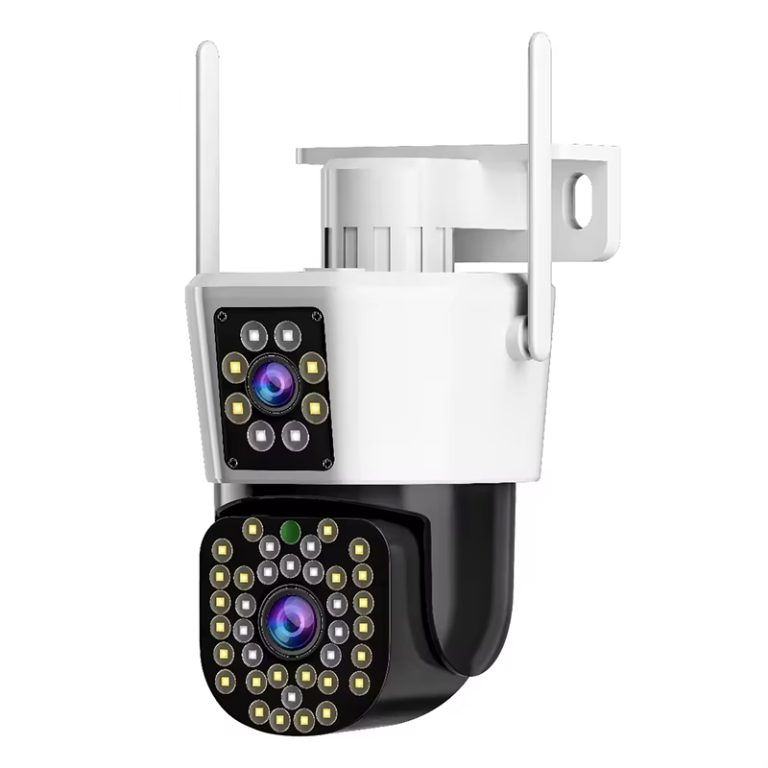
- PoE-compatible IP cameras: These make putting in easy by using one wire for power and data.
- A network video recorder (NVR): This tool saves and handles video from all linked cameras.
- High-quality Ethernet cables: Pick CAT5e or CAT6 wires based on how far you go and your net speed.
Supports the ONVIF protocol and can connect to third-party devices; supports web, CMS, and central platform management software MYEYE.
To make this kit work well, think about your home size first. For a small place, the four-camera version might do the job. Larger areas could use the eight-camera one for full watch. The PoE part means you run one cable from the NVR to each camera spot. This cuts setup time and keeps things neat. Motion spot turns on recording only when needed, which saves space on the hard drive. You can add more storage if you want to keep videos longer. The kit comes with software that lets you see feeds on your phone or computer from anywhere. Just connect it to your home net, and you are set. Users often say how simple it is to get going without extra help.
Can You Integrate These Systems With Smart Home Devices?
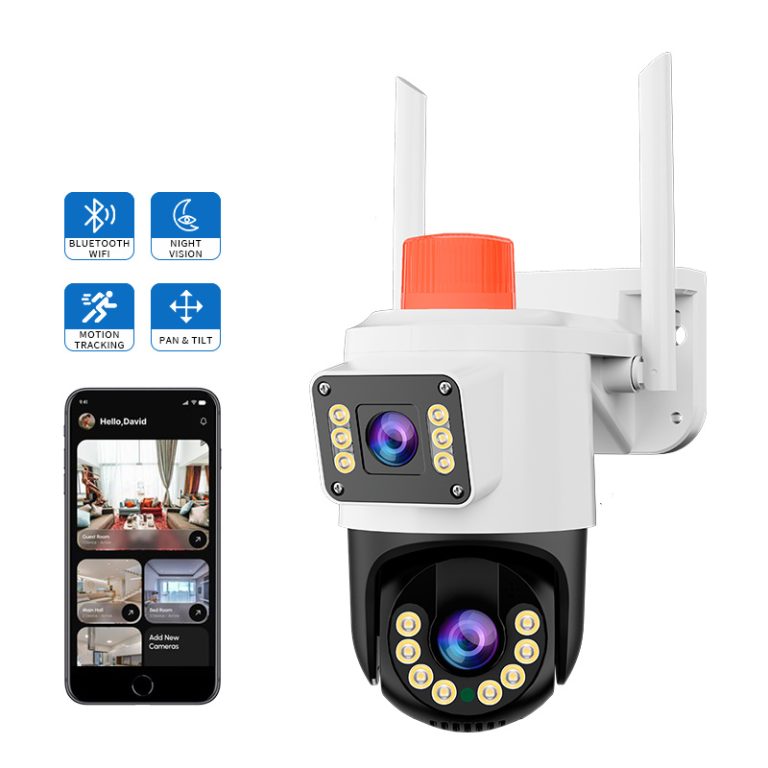
New Ethernet CCTV systems come ready for joining other tools. You can check live video on phone apps or desk screens. This helps if you travel or watch a place from far away.
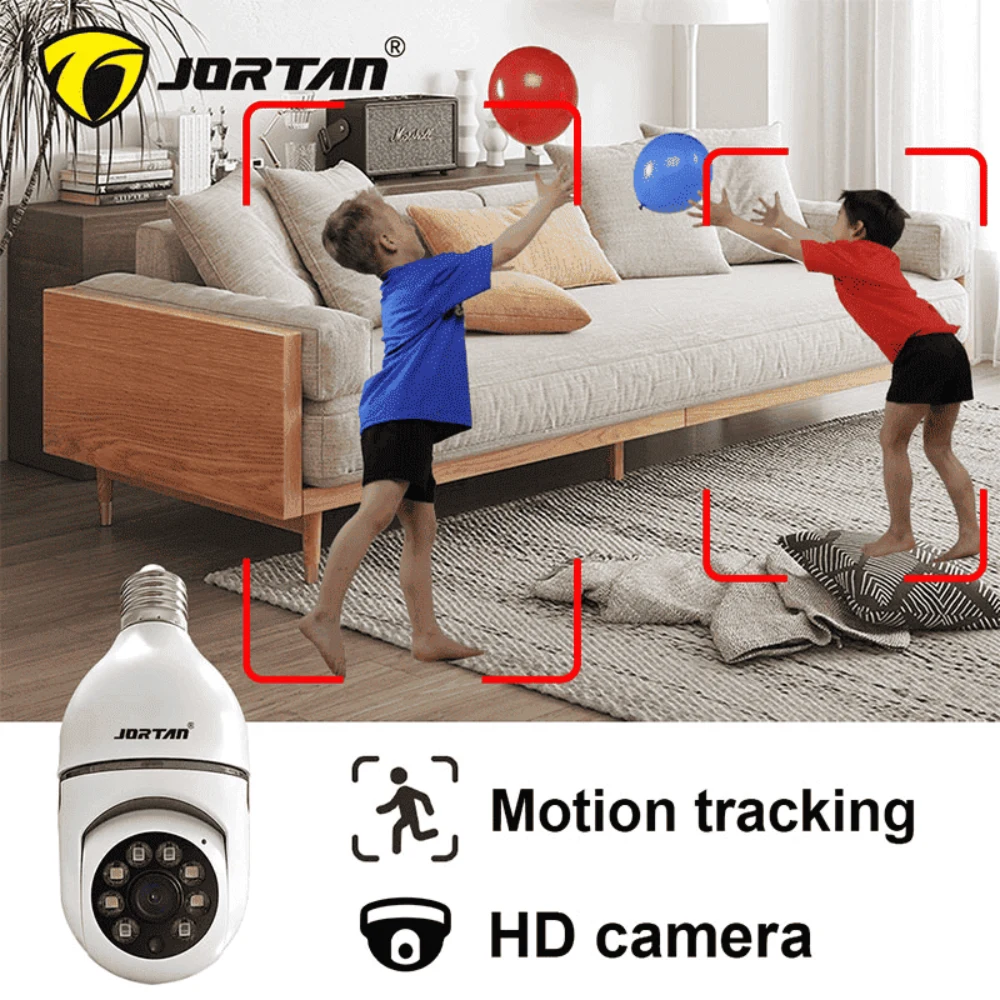
Supporting multiple cloud technologies, achieving functions such as network penetration, front-end and back-end docking, and pushing alarm information to mobile phones.
Better systems link with alarms or move sensors too. When a move happens, the camera sends warnings or turns on other smart items like lights. Some work with voice helpers as well, which lets you look at feeds without using hands.
Linking to smart home setups adds real ease. For example, if a camera spots someone at the door, it can light up the yard or send a note to your phone. Many users pair these with door locks or speakers for full control. The apps make it simple to set rules, like recording only at night. Cloud support means your videos stay safe even if the power goes out at home. Just pick systems that match your other devices, and test the links before full use.
Why Should You Consider Jortan’s Ethernet CCTV Solutions?
If you seek strong work without hard steps, Jortan brings smart home watch with pro-level trust.
What Sets Jortan Apart From Other Providers?
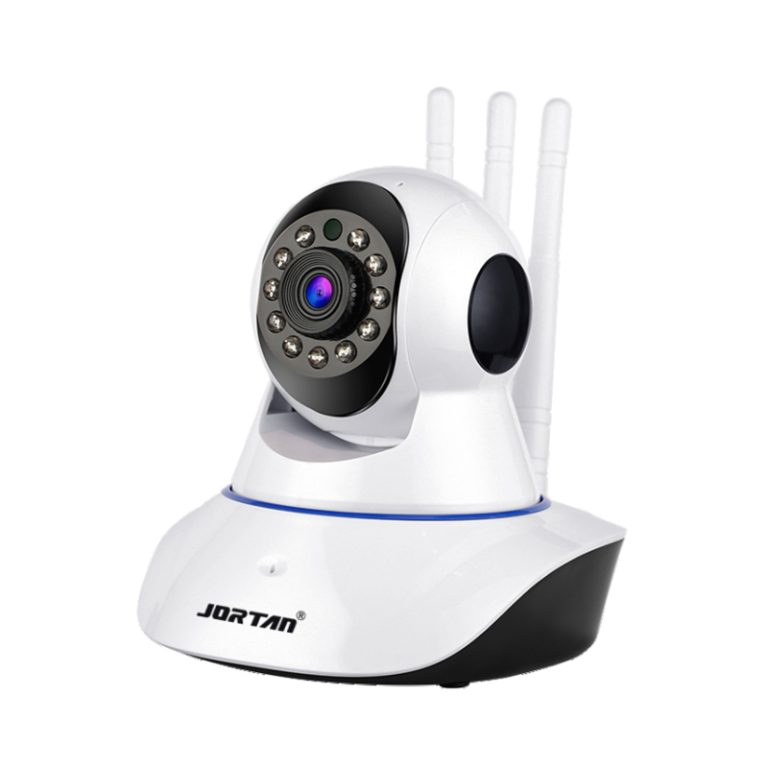
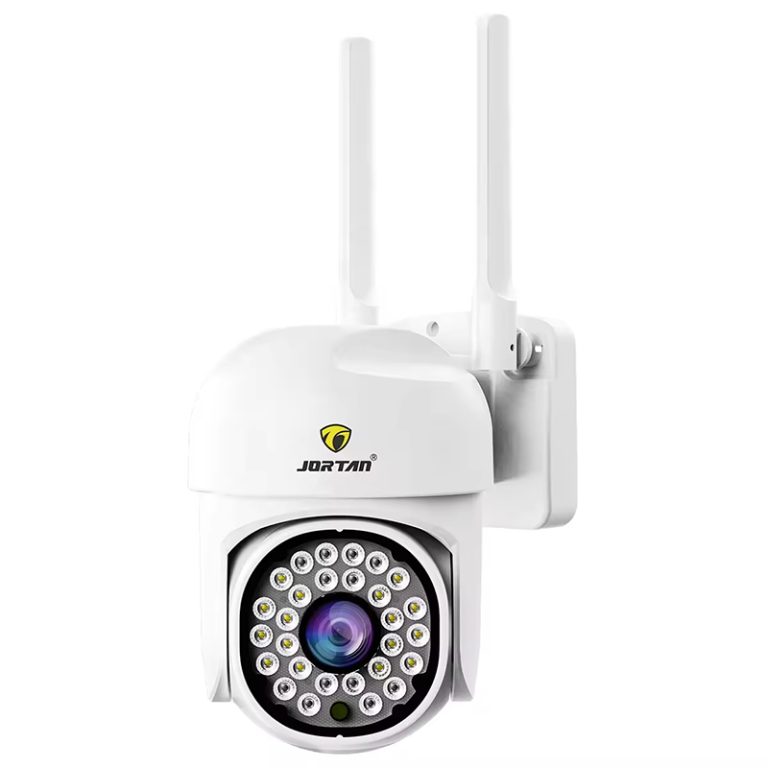
Jortan focuses on Ethernet CCTV systems made for easy plug-and-play use without losing top skills. Even if tech is not your thing, Jortan keeps setup simple with PoE kits that need only one wire per camera.
They add high-work features like 4K ultra HD clearness and AI-based person spotting. This helps catch tiny parts while cutting wrong warnings. Their parts go through steady and sure high-heat tests at 65°C for 7 * 24 hours. This shows how tough they are in everyday spots.
Whether you guard a home or a workplace, Jortan gives fit answers backed by helpful service teams all the way.
Jortan stands out because of its focus on user needs. Their kits come with clear guides that walk you through each step. The 4K clearness means you see faces or license plates from far away. AI spot learns to ignore things like trees moving in the wind, so you get real alerts only. The heat tests mean the cameras work in hot garages or sunny yards without fail. Service teams answer questions fast, often in under a day. For homes, this means peace of mind without big costs. Many buyers pick Jortan for its balance of easy use and strong build.
How Does Jortan Support Long-Term Security Goals?
With safety risks changing as time goes on, long-run trust needs more than fine parts. Jortan’s systems grow with your wants through:
- Ongoing firmware updates to fight new weak spots
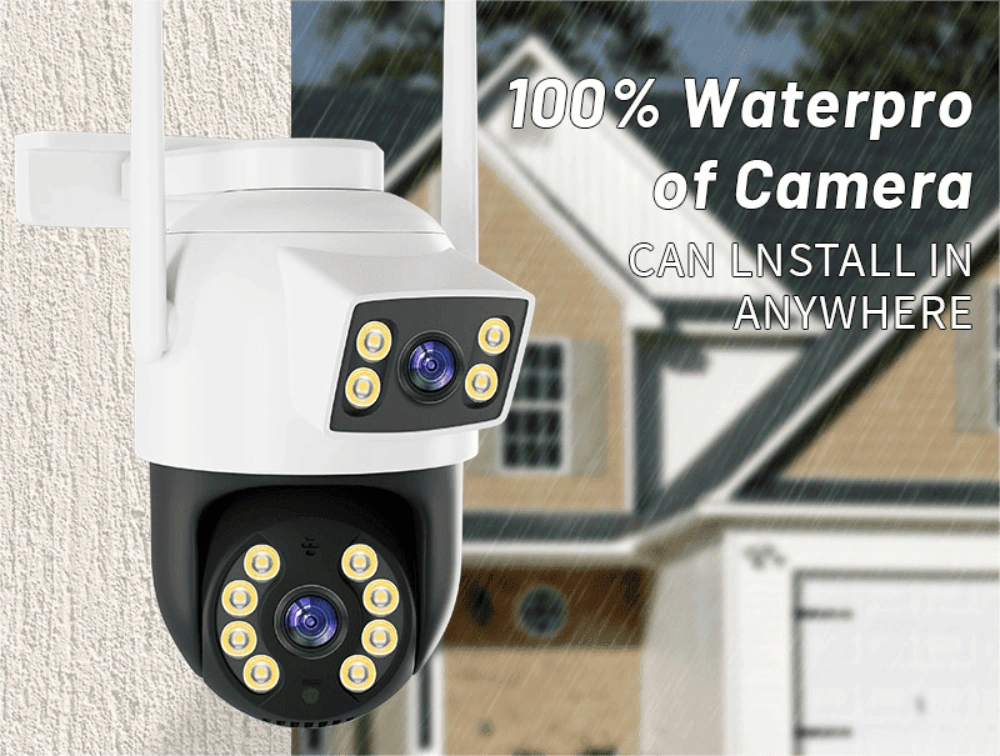
- Weatherproof housings that stand up to rain, snow, and wild temps
- Technical support teams ready to assist during installation or troubleshooting
Their promise makes sure your spending keeps giving worth long after the first setup.
To keep your system strong over years, Jortan plans for changes. Firmware updates come free and fix any new issues found. The housings use tough plastic that blocks water and dust, which is good for rainy days or cold winters. Support teams offer phone or chat help, plus online videos for common fixes. This way, your cameras stay up-to-date and working well. Users report systems lasting five years or more with little trouble. Jortan also suggests yearly checks to spot any wear early.
What Should You Know Before Making a Purchase Decision?
Picking an Ethernet CCTV system takes more than looking at numbers. You need a plan that fits your land size and how you use it.
How Many Cameras Are Sufficient for Your Property Size?
For small houses or flats, 2–4 smartly placed cameras can give full watch. Bigger lands often need 6–8 units to cover all door spots and busy paths well.
Check areas like backyards, side gates, or far garages that might stay unseen but face break-in risks.
How Much Storage Do You Need Based on Recording Preferences?
Storage needs tie closely to your record plans:
- High-resolution formats like 4K consume more space than 1080p
- Continuous recording uses significantly more storage than motion-triggered capture
- A typical household might retain footage for 7–14 days before overwriting
Pick an NVR with room-to-grow storage so you skip constant hand saves.
Think about your daily life when picking storage. If you want all-day records, get a big drive from the start. Motion-only saves space for longer keeps. For a family home, 2TB might hold two weeks of 1080p. Upgrade to 4TB for 4K if needed.
FAQs
Q: Can I install an Ethernet CCTV system without professional help?
A: Yes, especially if you choose a PoE-based system like Jortan’s plug-and-play kits, which simplify setup by using one cable per camera.
Q: Will bad weather affect the performance of outdoor Ethernet cameras?
A: No, most high-quality Ethernet CCTV cameras are built with weatherproof housings rated for rain, snow, and temperature extremes.
Q: Can I access live feeds remotely while traveling?
A: Yes, as long as your system supports remote viewing via a mobile app or desktop software connected to the internet.