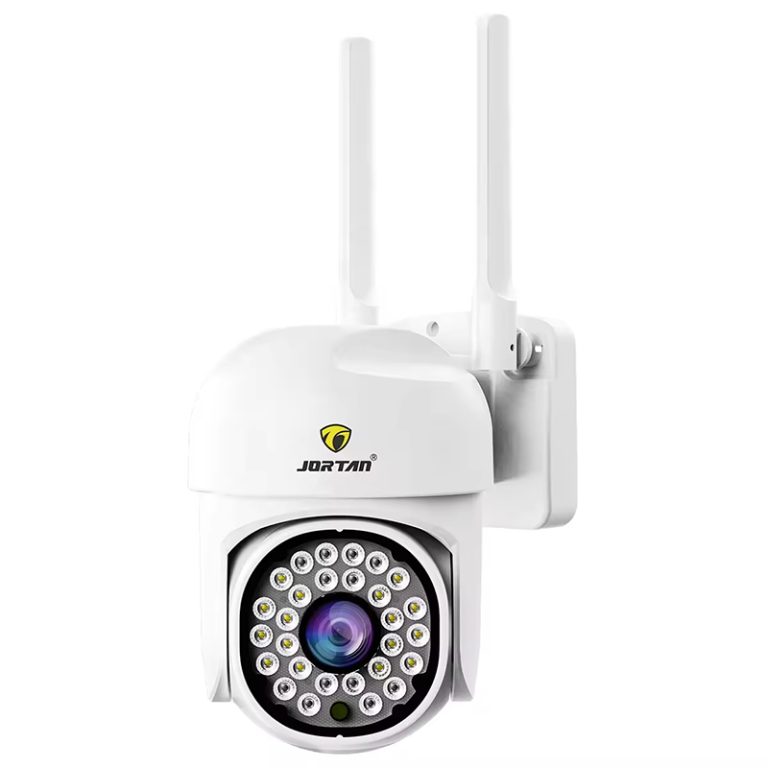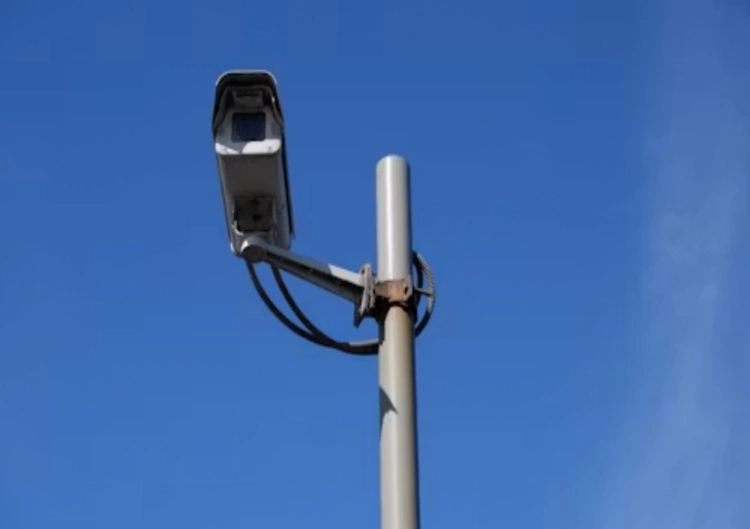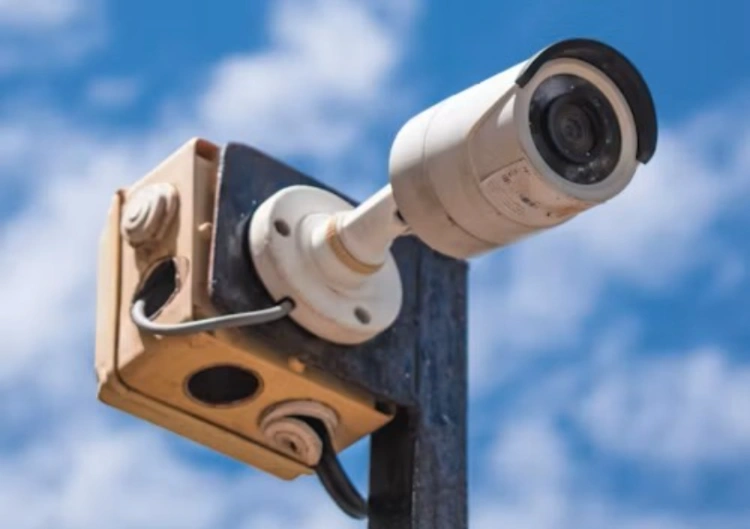
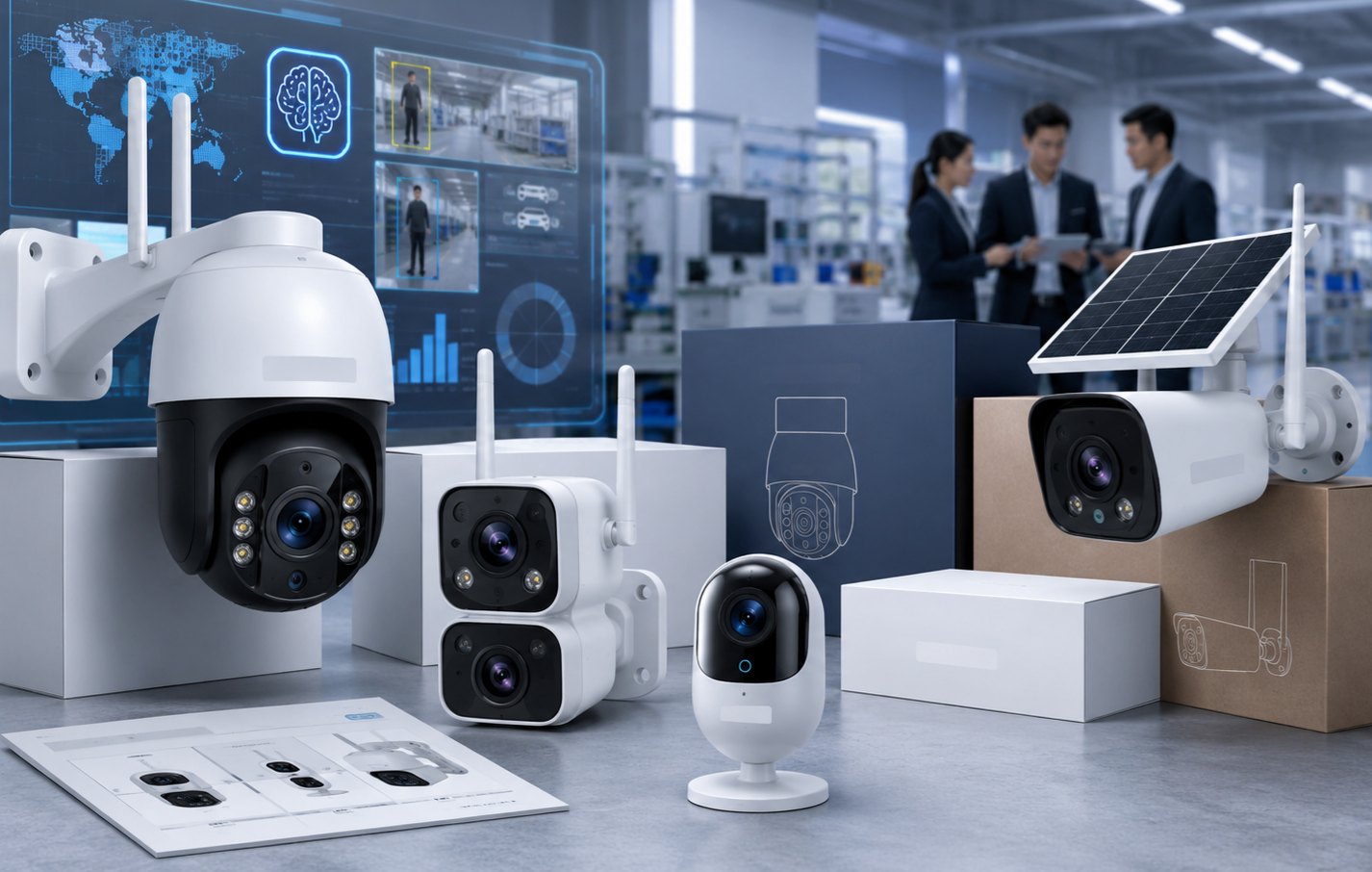
Los compradores de marcas blancas ya no se basan únicamente en el precio o la resolución para adquirir cámaras de seguridad. detección de IAA medida que la visualización remota y las alertas más inteligentes se convierten en requisitos comunes, los distribuidores y los propietarios de marcas necesitan comprender qué funciones pueden respaldar los canales de venta reales y las aplicaciones de proyectos.
¿Por qué las cámaras de seguridad con IA se están convirtiendo en una fuerte demanda B2B en 2026?
La demanda no proviene de un solo canal. Los pequeños vendedores de sistemas de seguridad para el hogar buscan cámaras exteriores con una aplicación más fácil de usar. Los comerciantes desean recibir alertas más claras fuera del horario comercial. Los proyectos de almacenes y patios necesitan cámaras que cubran áreas más amplias. Los proyectos de granjas y villas suelen solicitar opciones solares o inalámbricas cuando el cableado es complicado.
Al mismo tiempo, la tecnología de cámaras con IA está madurando. Las cámaras inteligentes anteriores solían generar demasiadas falsas alarmas, pero los modelos más recientes distinguen mejor a las personas de los movimientos cotidianos, mejoran las alertas nocturnas y permiten una monitorización más fluida mediante aplicaciones.
¿OEM u ODM? ¿Qué opción se ajusta mejor a su plan de marca propia?
Fabricante de equipos originales (OEM) para un lanzamiento más rápido con modelos de cámara consolidados.
OEM Suele ser la opción más segura para quienes compran cámaras de marca propia por primera vez. El comprador selecciona un modelo ya consolidado y personaliza el logotipo, el embalaje, el manual, la etiqueta y, en ocasiones, la interfaz de la aplicación. Esto resulta más rápido porque el producto ya ha sido desarrollado y probado.
El modelo OEM es ideal cuando el comprador desea probar un mercado local, crear una línea de productos inicial o lanzar varias referencias sin un largo proceso de desarrollo. También es adecuado para distribuidores que ya cuentan con canales de venta, pero no desean asumir demasiados riesgos técnicos en la etapa inicial.
JordánEl servicio OEM/ODM de ofrece una solución integral que incluye personalización de logotipos, diseño y personalización de cajas de embalaje, personalización de la apariencia del producto, apertura de moldes y personalización de aplicaciones. Para un pedido OEM, la personalización del logotipo y la caja de venta al por menor suelen ser los primeros aspectos a confirmar. Estos cambios impactan rápidamente en el reconocimiento de la marca y no requieren modificaciones importantes en el hardware.
ODM para una personalización más profunda y una diferenciación de marca a largo plazo.
El diseño y fabricación de equipos originales (ODM) es ideal para compradores que buscan algo más que una versión de marca de un modelo existente. Pueden necesitar una carcasa, un sistema de baterías, un panel solar, una combinación de lentes, un color, una función de la aplicación o una configuración específica para el proyecto. Esta opción puede ayudar a consolidar una identidad de marca propia más sólida, pero también requiere más tiempo, especificaciones más claras y, por lo general, un mayor compromiso con el desarrollo.
El ODM es más adecuado para compradores que ya conocen su mercado. Por ejemplo, una marca que vende a instaladores de exteriores podría necesitar una línea de cámaras solares más robusta. Un distribuidor que atiende proyectos de almacén podría requerir opciones PTZ y de doble lente. Una marca de domótica podría priorizar la experiencia de la aplicación y la facilidad de configuración.
La clave está en no empezar con el ODM demasiado pronto. Si el comprador no ha evaluado la demanda, primero se deben enviar muestras OEM. Una vez que el mercado responda bien, el ODM se puede utilizar para mejorar el modelo más vendido y crear diferencias de marca más evidentes.
Cómo comparar proveedores de cámaras de seguridad con IA
Análisis de la gama de productos, muestras de prueba y parámetros técnicos reales.
No se debe juzgar a un proveedor por un solo modelo estrella. Para los compradores de cámaras de marca propia, la variedad de productos es importante, ya que los pedidos futuros pueden requerir cámaras para interiores, exteriores, con energía solar, PTZ, de doble lente y con diferentes opciones de empaque.
Las muestras deben probarse en entornos reales, no solo en una oficina. Compruebe la conexión de la aplicación, la imagen nocturna, la detección de personas, las alertas de movimiento, el altavoz, el micrófono, el almacenamiento y el comportamiento de reinicio. Para los modelos de exterior, verifique el soporte, el diseño impermeable y si la cámara puede ser instalada fácilmente por técnicos locales.
Confirmar MOQ, plazo de entrega, garantía, soporte de marca y capacidad de pedidos al por mayor.
La cantidad mínima de pedido (MOQ) afecta al flujo de caja, especialmente para una nueva línea de marca propia. Algunos compradores pueden aceptar un primer pedido mayor porque ya tienen distribuidores. Otros necesitan pedidos de prueba más pequeños. Pregunte claramente sobre el plazo de entrega de muestras, el plazo de entrega para pedidos al por mayor, el tiempo de embalaje OEM y si se pueden pedir modelos mixtos juntos.
Las condiciones de la garantía deben estar redactadas con claridad. Los compradores también deben preguntar qué se considera daño causado por el usuario, qué fotos o videos se requieren para las reclamaciones y si las piezas de repuesto se pueden enviar con el siguiente pedido. Estos pequeños detalles son importantes cuando la marca empieza a vender grandes volúmenes.
La capacidad para realizar pedidos al por mayor es otro aspecto importante. Un proveedor puede gestionar bien los pedidos de muestra, pero tener dificultades con los pedidos grandes y repetidos. Verifique si la fábrica cuenta con un proceso de producción integrado, capacidad de ensamblaje, pasos de inspección y un soporte de embalaje estable.
Recomendaciones finales de adquisición para compradores de cámaras con IA de marca propia en 2026.
Pruebe el rendimiento de la detección de IA antes de realizar pedidos masivos.
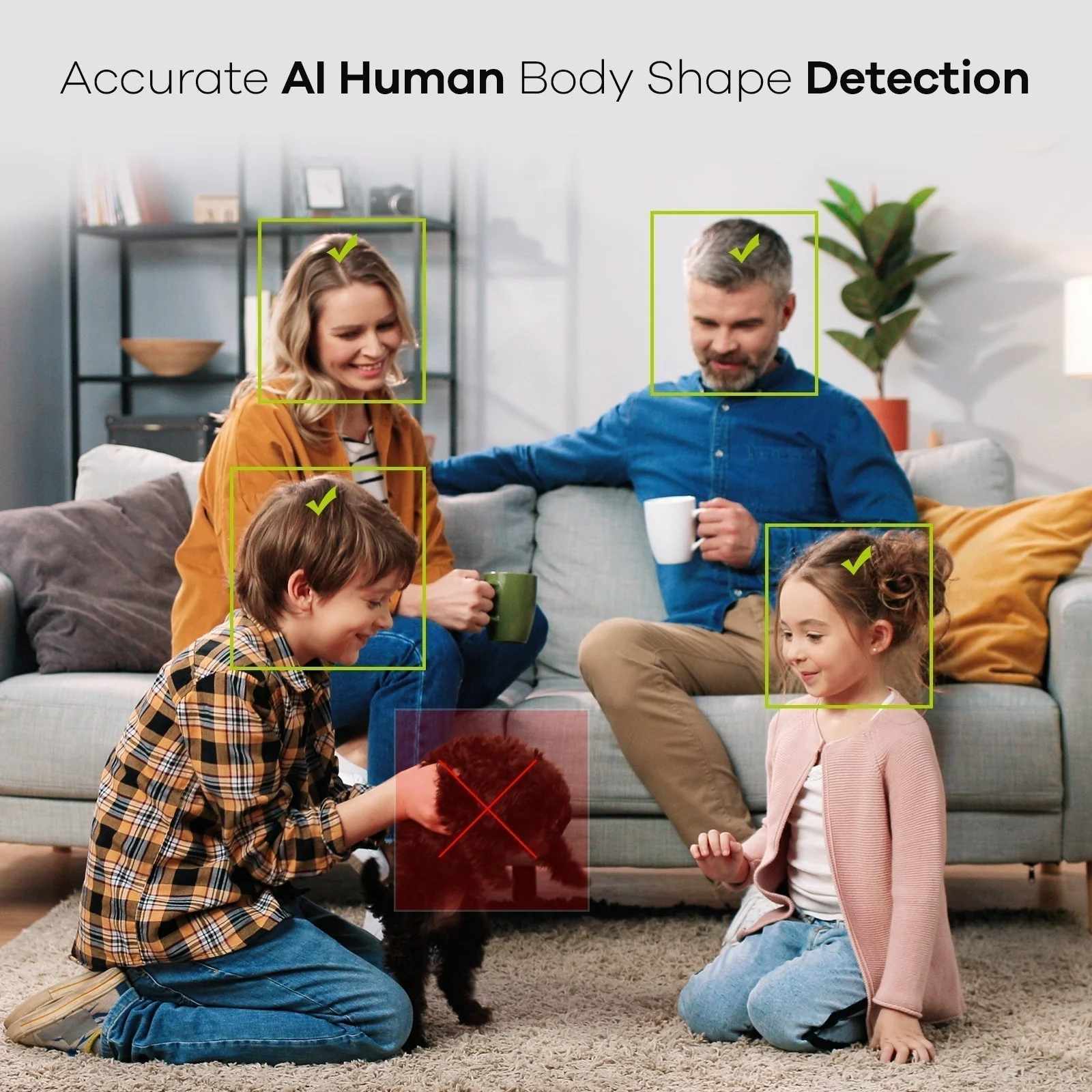
Antes de realizar un pedido al por mayor, los compradores deben probar las funciones de IA en situaciones reales, no solo leer la descripción del producto. Deben comprobar si la cámara reconoce correctamente a las personas, reduce las alertas provocadas por mascotas, cambios de luz o árboles en movimiento, y sigue enviando notificaciones estables por la noche. Si el proveedor ofrece muestras de prueba, vídeos de demostración reales e instrucciones de configuración claras, el proyecto de marca blanca será más fácil de vender y mantener tras su lanzamiento.
Comience con modelos OEM estables antes de expandirse a proyectos ODM.
Para la mayoría de los compradores, comience con modelos OEM consolidados. Elija entre 2 y 4 referencias que cubran la demanda común: un modelo básico para interiores o de entrada, un modelo PTZ o de doble lente para exteriores, una cámara solar si el mercado requiere uso fuera de la red eléctrica y un modelo con IA de funciones avanzadas para ventas premium.
Tras tres a seis meses de análisis de mercado, evalúe qué modelo se vende mejor, cuál genera problemas de soporte y qué características son las que más solicitan los clientes. Luego, el modelo ganador se someterá a una personalización ODM más exhaustiva.
Cree diferentes niveles de SKU para los canales de venta minorista, instalación y proyectos.
Los canales minoristas necesitan una configuración sencilla y un embalaje simple. Los canales de instalación necesitan modelos estables y menos problemas de configuración. Los canales de proyectos necesitan documentación, suministro recurrente y soporte técnico claro.
Por lo tanto, la línea de marca propia no debe ser plana. Cree diferentes niveles de SKU según la aplicación: hogar y tienda, jardín, almacén o local comercial, y energía solar para exteriores. Esto facilita la capacitación en ventas y ayuda a los distribuidores a cotizar a diferentes grupos de clientes.
Pruebe la estabilidad de la aplicación, la visión nocturna y la respuesta del proveedor antes de realizar pedidos al por mayor.
Intentar escenas nocturnasPrueba la reconexión Wi-Fi. Comprueba la velocidad de las notificaciones de la aplicación. Inserta una tarjeta TF si el almacenamiento local es una característica importante. Prueba también al proveedor. Envía preguntas técnicas y observa la rapidez de respuesta. Solicita fotos del producto, manuales, archivos de embalaje y confirmación de parámetros.
Jortan como proveedor de referencia para pedidos de cámaras de seguridad de marca propia.
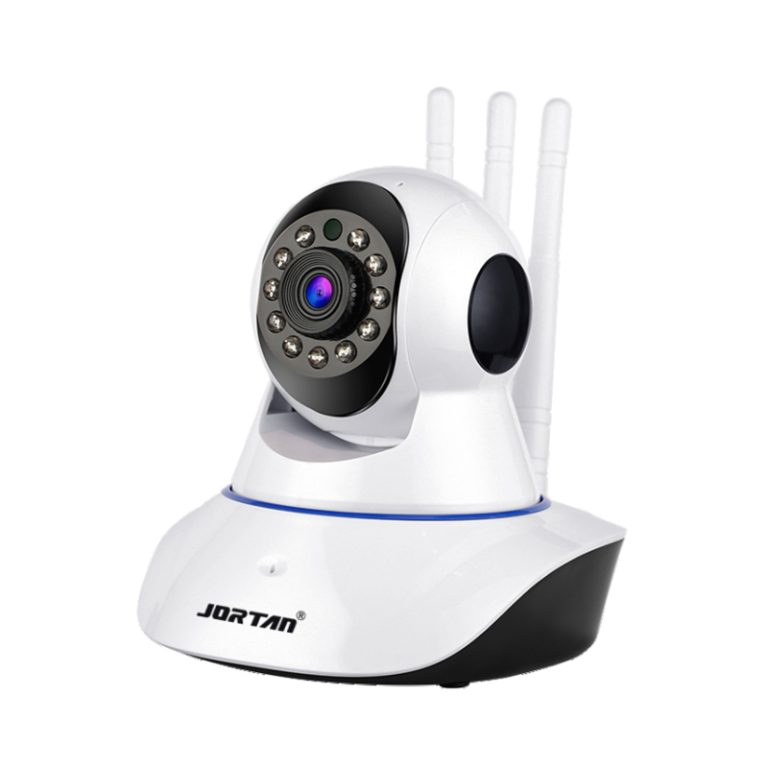
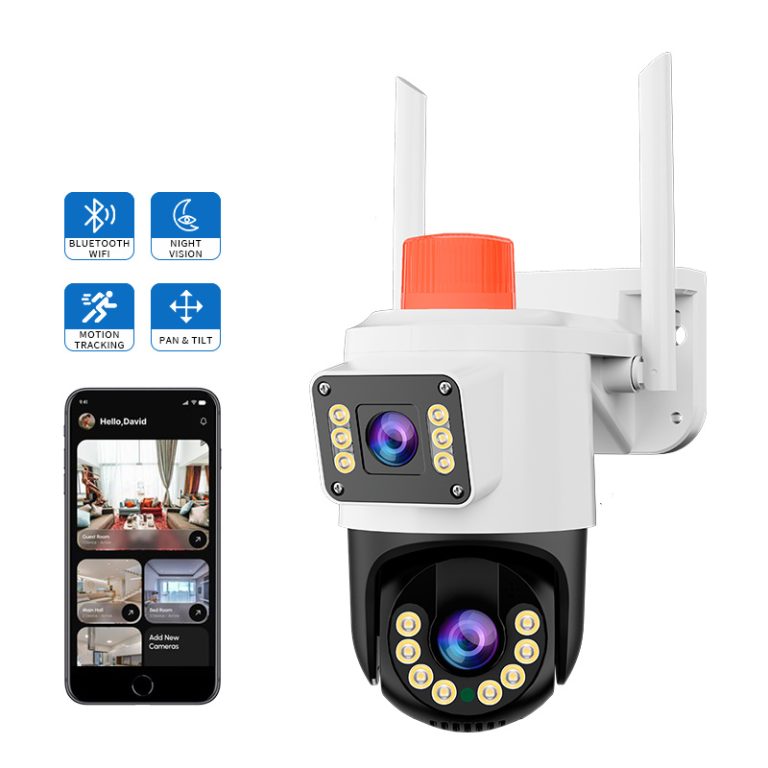
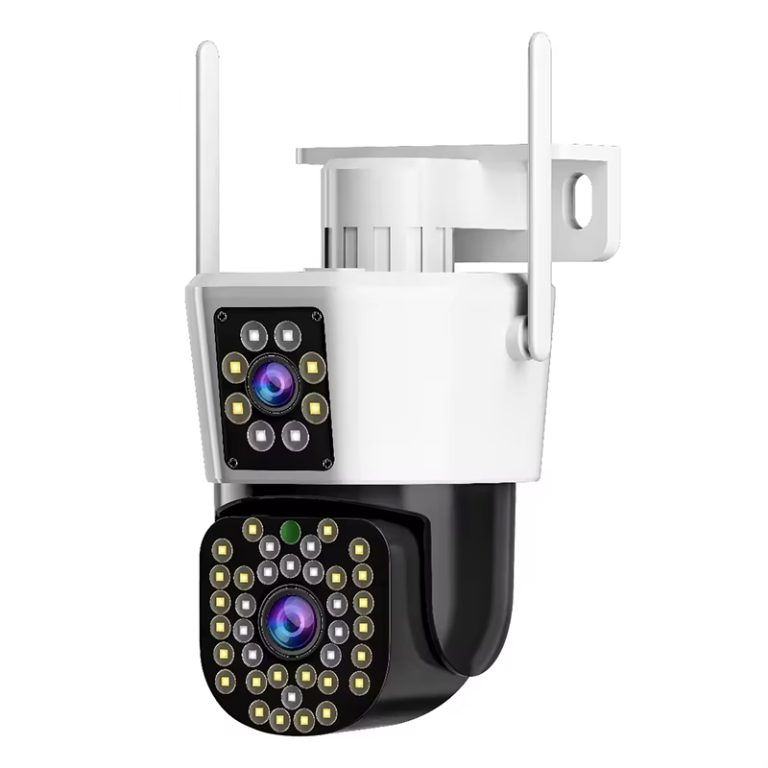
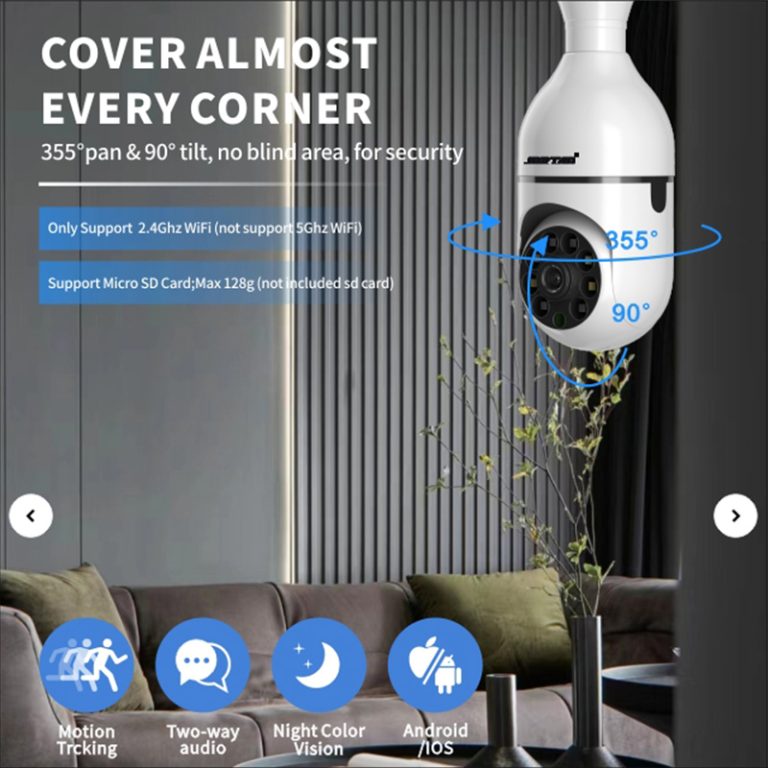
Jortan puede ser considerado como un proveedor de referencia para los compradores que planean una línea de cámaras de marca propia. Su gama de productos abarca cámaras IP, paquetes de monitoreo y cámaras solaresque ayuda a los compradores a preparar diferentes referencias de productos para los canales de venta minorista, instalación y proyectos. Modelos como el JT-8698PRO muestran funciones relacionadas con la IA, como la detección y el seguimiento de la forma humana, mientras que otros modelos incluyen PTZ, visualización con doble lente, visión nocturna, uso inalámbrico y monitorización mediante aplicación.
Preguntas frecuentes
P1: ¿Deberían los compradores de marcas blancas optar por OEM u ODM para las cámaras de seguridad con IA?
A1: La opción OEM es mejor para compradores que buscan un lanzamiento más rápido con modelos consolidados, impresión de logotipos, personalización del empaque y menor riesgo de desarrollo. La opción ODM es mejor cuando el comprador necesita modificaciones más profundas, como el diseño de la carcasa, la combinación de lentes, el sistema de baterías, la configuración solar o la personalización de la aplicación. Los nuevos compradores suelen comenzar con OEM y luego optar por ODM tras confirmar la demanda del mercado.
P2: ¿Qué parámetros son los más importantes antes de comprar cámaras con IA al por mayor?
A2: Los compradores deben verificar la resolución, la compresión de video, el ángulo de la lente, la visión nocturna, el tipo de detección de IA, la plataforma de la aplicación, el método de almacenamiento, la compatibilidad con Wi-Fi, la resistencia al agua para modelos de exterior, la fuente de alimentación y los términos de la garantía. Para los modelos con IA, también es importante probar la precisión de la detección humana, el comportamiento de las falsas alarmas, la velocidad de las notificaciones de la aplicación y la compatibilidad del firmware antes de realizar un pedido grande.
P3: ¿Qué deben confirmar los distribuidores antes de lanzar una línea de cámaras de marca propia?
A3: Los distribuidores deben confirmar la cantidad mínima de pedido (MOQ), la política de muestras, el plazo de entrega, las opciones de logotipo y embalaje, el proceso de garantía, la respuesta posventa, los documentos técnicos y si el proveedor puede mantener un suministro estable del modelo. También deben decidir primero el canal objetivo: venta minorista, instalador, proyecto o ventas mixtas. Esto ayuda al proveedor a recomendar una combinación de productos más práctica. Si tiene alguna otra pregunta, no dude en contactarnos. Contacta con Jortan.