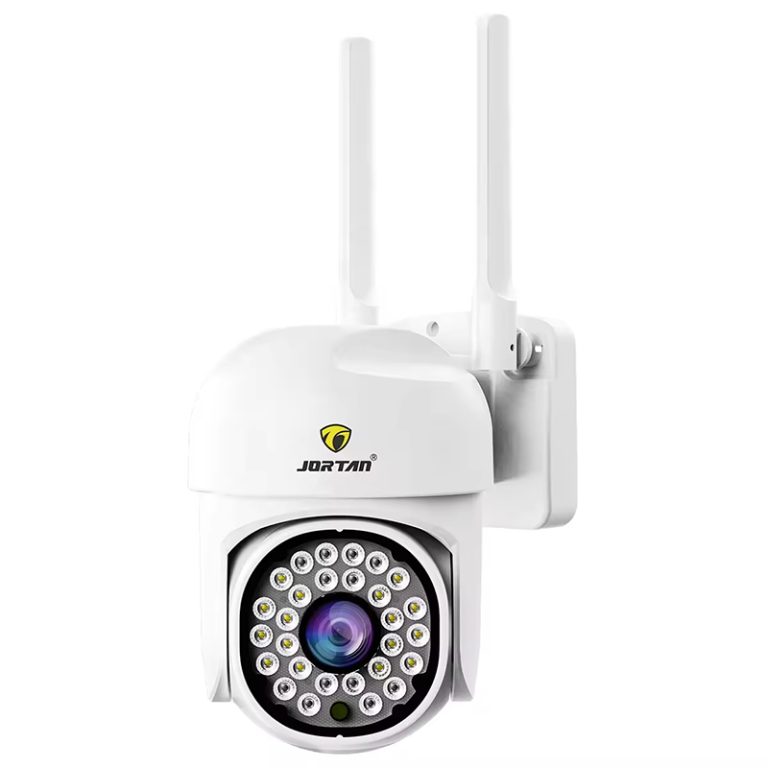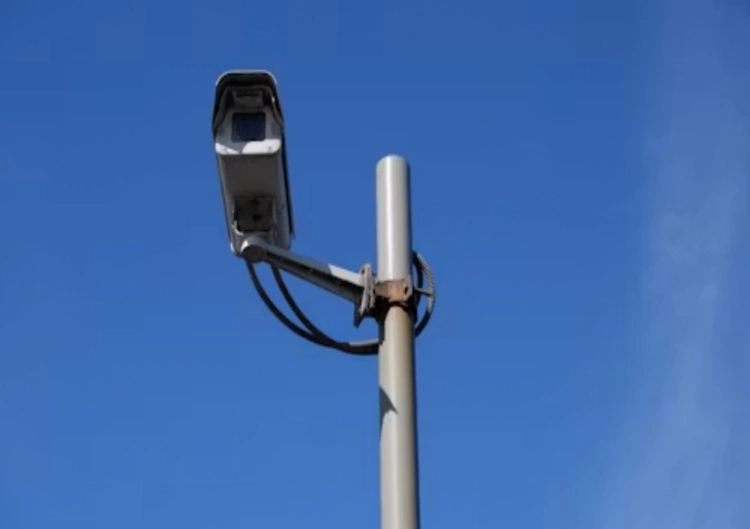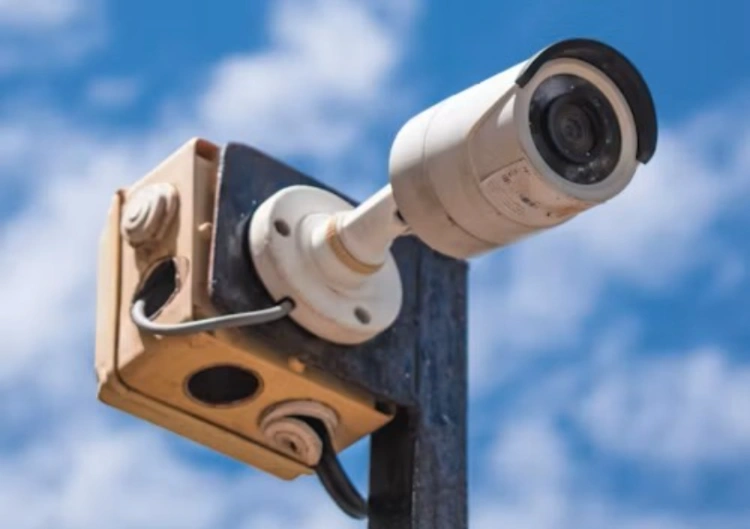
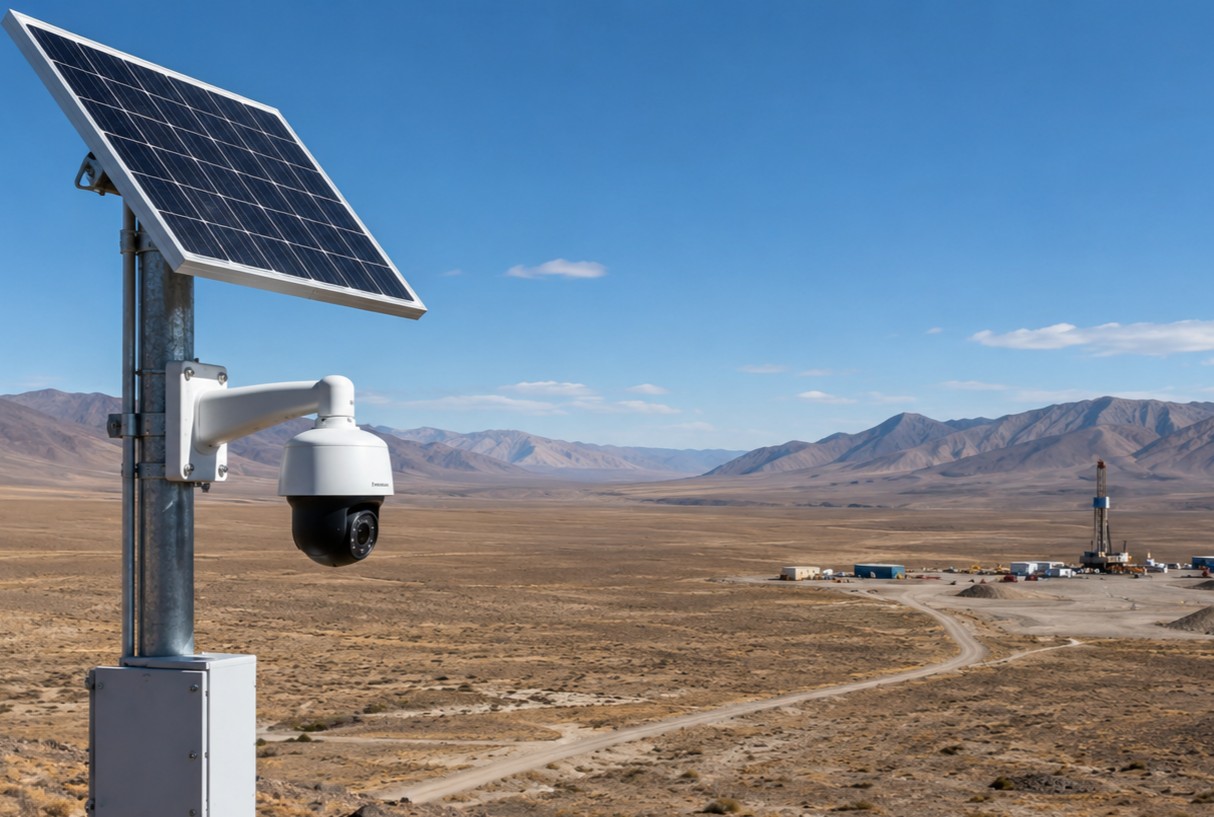
Para las adquisiciones de 2026, cámaras solares Se utilizan principalmente en lugares donde el acceso a la energía o el cableado son complicados. Antes de elegir modelos para proyectos en zonas remotas, los compradores deben considerar otros factores además de la comodidad de la conectividad inalámbrica: la duración de la batería, la carga solar, el acceso a la red, la resistencia a la intemperie y el soporte del proveedor.
Panorama general del papel de las cámaras solares en proyectos remotos
Por qué las cámaras solares son esenciales para la monitorización remota.
La tecnología de vigilancia sigue avanzando y cada vez más personas la aceptan y la utilizan a diario. La transición pasó de los sistemas cableados a Wi-Fi y luego a 4G, lo que mejoró su utilidad progresivamente. Para cubrir las zonas sin acceso a red ni electricidad, se introdujo un kit de cámara 4G solar de bajo consumo. Este kit resuelve la falta de vigilancia en dichas áreas y amplía las posibilidades de aplicación. Este sistema funciona bien en obras de construcción, granjas, puestos fronterizos y zonas rurales donde la infraestructura estándar es insuficiente.
Componentes clave de un sistema de cámara solar
Un sistema completo de cámaras solares consta de tres componentes principales: paneles solares, baterías y módulos de cámara. Se complementa con unidades de comunicación como transmisores 4G/5G o Wi-Fi. No se requiere cableado, ya que las redes privadas 4G/5G o la transmisión inalámbrica LoRa gestionan el flujo de datos. Los instaladores pueden completar la configuración en aproximadamente 10 minutos. La plataforma en la nube permite a los usuarios remotos consultar transmisiones en directo o grabaciones en cualquier momento mediante aplicaciones móviles o paneles de control centrales.
Evaluación de los requisitos del proyecto antes de la adquisición
Los equipos de compras deben hacer coincidir las especificaciones técnicas con las condiciones reales del lugar antes de adquirir cámaras solares para proyectos remotos.
Identificación de los objetivos de vigilancia
Es fundamental establecer objetivos claros para asegurarte de que cada cámara cumpla con tus necesidades. Al elegir una, primero define tus requisitos de resolución: ¿prefieres 1080p o 4K? Luego, determina si necesitas transmisiones en vivo constantes o tomas a intervalos. Además, considera las condiciones climáticas adversas, como el calor o la humedad extremos, que pueden afectar el rendimiento de la cámara.
Evaluación de las condiciones del emplazamiento para la instalación de paneles solares
La comprobación de la exposición solar a lo largo del año ayuda a determinar el tamaño adecuado de los paneles solares. El análisis del terreno permite identificar los mejores lugares de montaje, evitando la sombra intensa. Las pruebas de conectividad de red, ya sea mediante señales celulares o Wi-Fi de largo alcance, confirman la transmisión estable de datos desde cada cámara.
Especificaciones técnicas a priorizar en la planificación de adquisiciones de 2026
A medida que la tecnología avanza hacia 2026, las decisiones de compra deben centrarse en la eficiencia y la durabilidad, en lugar de en ahorros rápidos en el precio.
Consideraciones sobre potencia y eficiencia energética
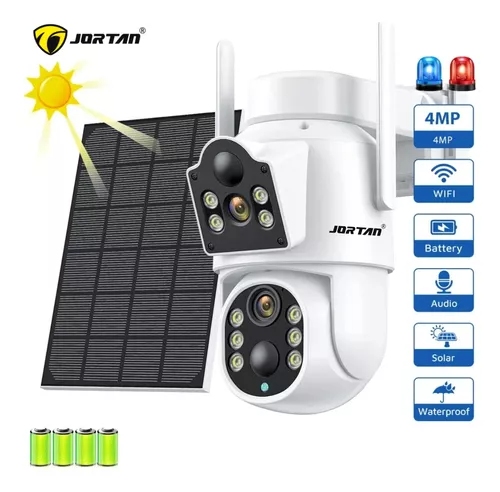
La mejor opción es una combinación de paneles solares de silicio monocristalino y baterías de litio de gran capacidad. En días soleados, los paneles se cargan completamente en 5-6 horas y duran hasta 10 días incluso con mucha nubosidad. Esto garantiza el funcionamiento continuo durante largos periodos nublados. Gracias a su diseño de bajo consumo y a una gestión inteligente de la energía, los costes de tráfico y almacenamiento se reducen hasta en un 70 %. Si gestiona instalaciones esenciales que no requieren interrupciones, las baterías de litio de respaldo son una excelente opción.
Estándares de calidad de imagen y rendimiento
La resolución debe mantenerse en 3K o superior, como por ejemplo 8 millones de píxeles. El sistema debe ser compatible con visión nocturna a todo color o visión nocturna infrarroja, con un alcance de vigilancia nocturna superior a 10 metros. Las carcasas con clasificación IP66/IP67 protegen contra tormentas de polvo o lluvias intensas, mientras que el seguimiento de movimiento mediante IA mejora la detección de eventos en el lugar.
Estrategias de conectividad y gestión de datos
Una comunicación fiable es la base de todo sistema de monitorización remota eficaz. Elegir el método de conectividad adecuado garantiza un rendimiento constante incluso en regiones aisladas.
Tecnologías de comunicación para zonas remotas
Las condiciones del sitio determinan si se utiliza 4G/5G, enlaces satelitales en lugares muy remotos o conexión punto a punto. Wi-Fi Para intervalos más cortos, la IA gestiona la energía cambiando de modo dinámicamente. Aumenta la velocidad de fotogramas cuando hay gente conectada y luego reduce la calidad de las instantáneas cuando no hay nadie conectado. Esto reduce el tráfico y los costes de almacenamiento en un 70 %. También incluye herramientas para tarjetas SIM que permiten controlar todos los dispositivos, facilitando así la gestión. Además, los planes de respaldo evitan interrupciones si la red principal falla.
Integración en la nube y prácticas de seguridad de datos
El almacenamiento en la nube cifrado ofrece archivado escalable y cumple con las normas de privacidad. Los paneles centralizados simplifican la gestión de múltiples sitios en proyectos de construcción o fincas agrícolas. Las políticas de acceso deben limitar la visualización no autorizada de material sensible mediante permisos basados en roles.
Marco de planificación de adquisiciones para proyectos de 2026
Los equipos de compras deben seguir planes estructurados que combinen la revisión técnica con las previsiones financieras para respaldar inversiones duraderas.
Asignación presupuestaria y previsión de costes
Los costos totales estimados incluyen hardware, mano de obra de instalación, ciclos de mantenimiento, repuestos y suscripciones de datos móviles. El ahorro a largo plazo se deriva de una menor dependencia de la red eléctrica y una menor cantidad de visitas de servicio, gracias al funcionamiento autónomo que ofrecen muchos sistemas de monitoreo inteligente.
Criterios de selección y evaluación de proveedores
Los compradores deben evaluar a los proveedores según factores de fiabilidad como la duración de la garantía, la rapidez de respuesta del servicio posventa, la frecuencia de actualización del firmware y la compatibilidad con las plataformas de gestión actuales. Las pruebas piloto en condiciones reales de campo proporcionan información útil antes de realizar pedidos importantes.
Mejores prácticas de implementación después de la adquisición
Los métodos de instalación correctos influyen directamente en la vida útil de los sistemas de energía solar en entornos difíciles.
Pautas de instalación para un rendimiento óptimo
Los instaladores deben orientar los paneles solares hacia la zona de mayor exposición solar para cada latitud. Los soportes de montaje robustos evitan que las vibraciones alteren la alineación durante vientos fuertes. Antes de su aceptación final, los sistemas deben probarse bajo diferentes niveles de luz para confirmar el rendimiento de carga y la estabilidad de la imagen.
Protocolos de mantenimiento y monitorización
Las revisiones periódicas mantienen estable el suministro de energía limpiando el polvo de los paneles y revisando los cables. Además, las herramientas de diagnóstico remoto detectan el desgaste de la batería y los problemas de señal de forma temprana. Asimismo, es fundamental mantener actualizado el firmware para reforzar la ciberseguridad, algo crucial para la gestión de dispositivos IoT distribuidos en redes abiertas.
Tendencias emergentes que configuran la adquisición de cámaras solares más allá de 2026
La próxima generación de soluciones de seguridad solar incorporará una inteligencia más avanzada y se alineará con los objetivos de sostenibilidad de los socios globales.
Innovaciones tecnológicas que influyen en los sistemas futuros
El análisis impulsado por IA permitirá la detección automática de eventos inusuales, como entradas no autorizadas o riesgo de incendio, sin revisión humana constante. La actualización tecnológica de 2025 se centrará en una mayor duración de la batería en condiciones de lluvia y un mejor control de las falsas alarmas de IA. Las marcas líderes ahora alcanzan tiempos de espera ultralargos de 15 días y tasas de falsas alarmas inferiores al 1 por ciento. Una mejor química de la batería extenderá el tiempo de funcionamiento más allá de los límites actuales, mientras que la integración de IoT conectará múltiples sitios en sistemas de control unificados a los que los usuarios pueden acceder a través de aplicaciones móviles como la APP utilizada en Jordándespliegues.
Consideraciones de sostenibilidad en las futuras adquisiciones
Los objetivos de sostenibilidad impulsan a los fabricantes a utilizar materiales reciclables para los marcos de los paneles y las carcasas de las baterías. Asimismo, optimizan el diseño de los circuitos para reducir la pérdida de energía en modo de espera. Los proveedores estandarizarán los programas de gestión del ciclo de vida para disminuir los residuos electrónicos derivados de las actualizaciones de proyectos plurianuales.
Preguntas frecuentes
P1: ¿Qué parámetros clave deben priorizar los compradores al seleccionar un sistema de cámara solar?
A1: Concéntrese en la configuración de energía con un panel y una batería de litio. También tiene una clasificación de protección, IP66IP67, lo que significa que es bastante resistente. Puedes almacenar las grabaciones de dos maneras: en una tarjeta SD o en la nube. La detección basada en IA es extremadamente precisa. Todo esto funciona en conjunto para ofrecerte un sistema capaz de manejar diferentes condiciones.
P2: ¿Con qué frecuencia se debe realizar el mantenimiento de las cámaras alimentadas por energía solar?
A2: Una revisión cada tres meses funciona bien, aunque el intervalo exacto depende de los niveles de polvo. La limpieza regular del panel mantiene alta la eficiencia de carga y las actualizaciones de firmware mantienen una sólida ciberseguridad contra nuevas amenazas.
P3: ¿Puede Jortan proporcionar soluciones personalizadas para proyectos remotos de gran envergadura?
A3: Sí. Nuestro equipo ofrece configuraciones personalizadas mediante productos como el JT-8258T. Estos integran módulos escalables que se adaptan a granjas, zonas de seguridad fronteriza o sitios de construcción aislados que requieren un funcionamiento fiable a largo plazo sin fuentes de energía externas.