Indoor cameras have evolved far beyond basic recording devices, and now work as intelligent sensing nodes inside a broader home security system. Indoor cameras not only capture visual data but also analyze events, manage alerts, and support remote decision-making rather than simply storing footage.
For modern households, reliability, network behavior, algorithm accuracy, and long-term stability matter more than theoretical specifications. A high pixel count alone cannot guarantee usable evidence. What matters is how imaging, compression, connectivity, storage, and intelligence operate as one coordinated system.
This article will aid users in understanding the real role of indoor cameras, identify what technical factors affect long-term performance, assess network stability, compare storage strategies, review concrete product examples, and consider how manufacturer capability influences reliability, aimed at helping users make defensible technical choices for real environments.
What role does an indoor WiFi camera play in modern home security systems?
Indoor cameras increasingly operate as active participants in security workflows rather than passive observers.
Continuous indoor visibility
You gain real-time awareness of key indoor areas such as entrances, corridors, children’s rooms, or living spaces. This visibility supports both security monitoring and daily situational awareness.
Event-based security response
Instead of recording endlessly, modern cameras prioritize event detection. Motion triggers, human detection, and anomaly alerts reduce the time between occurrence and response.
Integration with mobile management
Remote viewing, configuration, alert management, and playback now occur primarily through mobile platforms, which means usability, stability, and latency become part of the security performance.
Which technical factors truly determine camera quality indoors?
Many product descriptions focus on long descriptions of features, but real performance depends on a smaller set of interacting components.
Image sensor and resolution
Resolution matters only when supported by sensor quality, signal processing, and noise control. Poor sensor performance produces blurry details even at high pixel counts.
Night vision logic
Indoor environments frequently experience uneven lighting. Effective infrared switching, low-light sensitivity, and balanced exposure control tend to matter more than brightness alone.
AI detection reliability
Human detection, motion classification, and false-alarm filtering determine whether alerts are useful signals or constant noise.
Audio system design
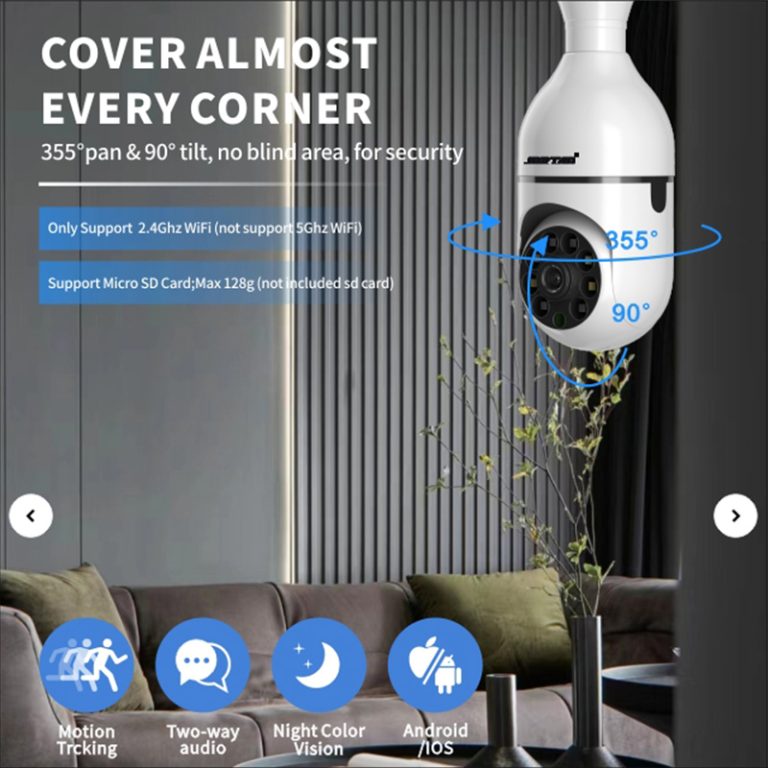
Two-way audio depends on echo cancellation, microphone sensitivity, and codec stability. If adjusted improperly, the experience of communication becomes frustrating rather than practical.
How should you evaluate WiFi stability and network performance?
Indoor cameras fail most often not because of imaging flaws but because of unstable connectivity.
Signal penetration
Walls, floors, and building materials significantly reduce signal strength. Therefore, the camera should be placed based on the real propagation conditions rather than router distance alone.
Bandwidth management
Dual-stream architecture and efficient codecs allow preview fluency while preserving higher quality recordings, contributing to mitigating the network congestion when multiple devices exist at the same time.
Offline tolerance
Local buffering, reconnection logic, and TF-card failover ensure continuity even during temporary network disruptions.
What storage strategy fits long-term indoor monitoring?
Storage design shapes both data safety and evidence usability.
Local TF card
Local storage is low-cost and highly independent, and can continue recording even when the network is down, but data may be lost if the device is damaged or stolen.
Cloud storage
Cloud backups protect against physical loss and allow long-term review, but depend on continuous connectivity.
Hybrid design
A combination of local and cloud storage provides multiple protection, which is increasingly preferred in serious home deployments.
Which practical product examples illustrate current indoor WiFi design trends?
Real products help deepen the understanding of the theoretical concept and benefit relevant users.
Compact indoor monitoring example
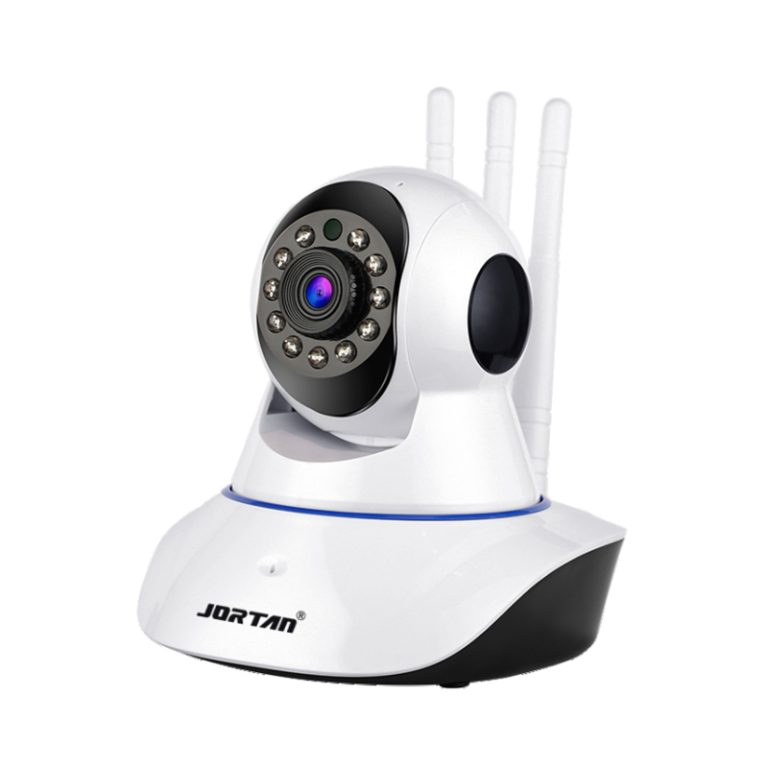
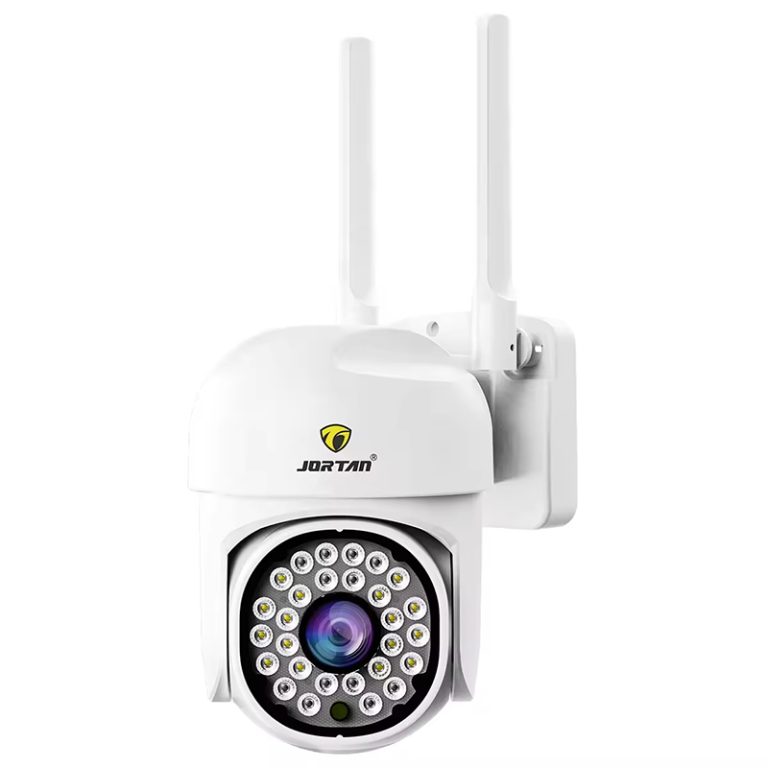
A representative indoor design is the JTZ-160B indoor home security camera. This type of device emphasizes balance rather than extreme specification. It combines stable WiFi connectivity, mobile alert logic, bidirectional audio, and flexible storage support in a form factor suited to living spaces. Devices in this class typically aim for practical clarity, consistent operation, and low operational maladjustment rather than raw technical excess.

How does dual-lens and intelligent tracking improve indoor coverage?
Single-view cameras often capture scenes but fail to preserve detail when movement occurs across depth.
Dual-view logic
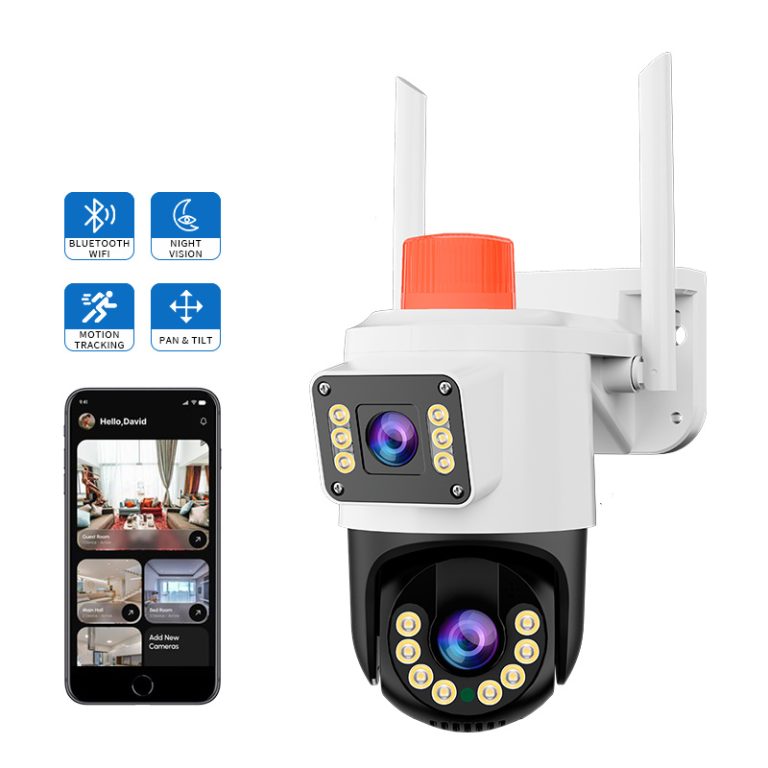
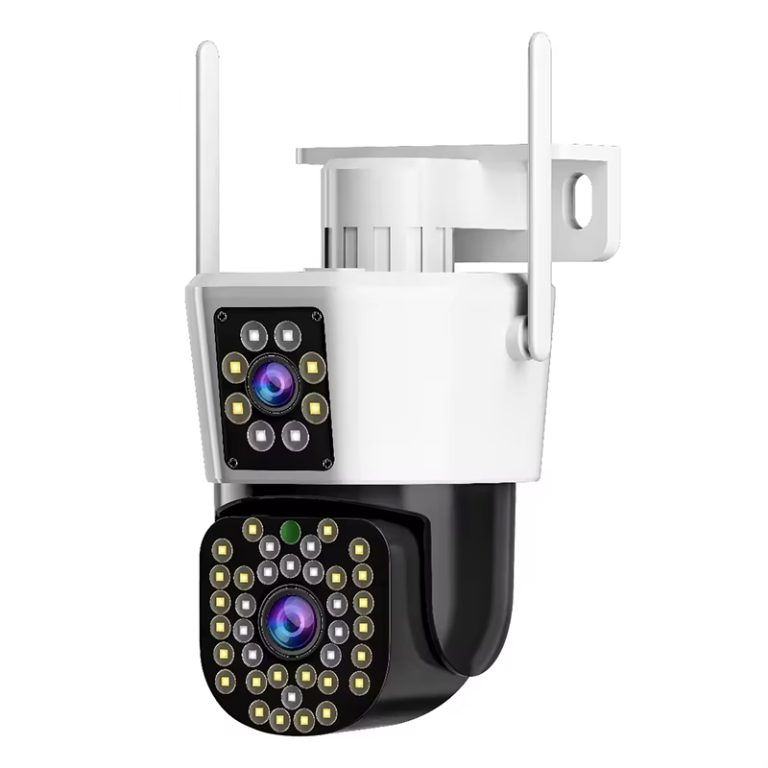
A dual-lens architecture separates wide coverage from detail capture—One lens maintains situational context, while the other focuses on specific subjects.
Touch-based control
Interactive preview control allows you to direct the camera toward points of interest instead of waiting for fixed framing.
Human-shape zoom tracking
When tracking is implemented correctly, the system follows moving subjects while maintaining visual continuity across frames.
Second product example
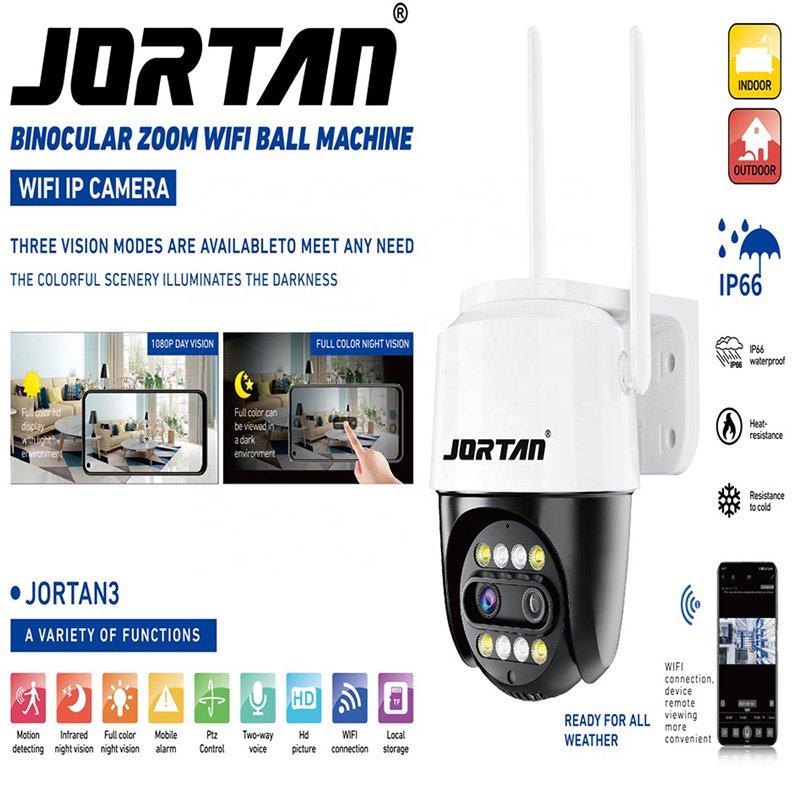
The Jortan 3 indoor WiFi camera demonstrates this dual-vision logic. Its structure supports simultaneous panoramic and zoomed perspectives, allowing you to maintain context while preserving fine detail during movement events.
Why does manufacturer capability matter for indoor camera reliability?
Product reliability is hardly defined by components alone and tends to depend on the engineering technology.
Hardware integration
Sensor, processor, wireless module, optics, and power circuitry must work cohesively. Weak integration often causes overheating, signal instability, or long-term drift.
Firmware optimization
Long-term stability relies on reconnection behavior, memory management, algorithm scheduling, and power tuning. These elements are ignored in marketing but critical in daily use.
Quality control process
Aging tests, high-temperature endurance, and protocol compliance can reduce failure rates. The strict serious validation of devices tends to degrade after months of operation.
Who is Jortan, and why is its indoor camera approach relevant today?
Jortan is a surveillance equipment manufacturer based in Yiwu, China, integrating product development, industrial production, and strict system design into a unified structure. Our facilities cover over 30,000 square meters, supporting both mass production and iterative refinement across wireless cameras, PTZ platforms, and consumer monitoring devices.
What makes our indoor camera strategy relevant is architectural consistency. Our product portfolios share a common design philosophy around AI detection pipelines, image processing behavior, compression strategy, and mobile interaction, leading to predictable operation across models between devices.
Instead of treating home cameras as disposable consumer gadgets, our development pattern follows a system thinking, which is demonstrated in sensor behavior, firmware scheduling, mechanical structure, and mobile control must work in a coordinated way. That approach aligns with what serious users value most indoors—reliability over novelty, consistency over complexity, and long-term stability over short-term features.
What mistakes do buyers often make when selecting indoor WiFi cameras?
Most dissatisfaction comes from misjudgment during selection rather than defective hardware.
Overvaluing resolution alone
High pixel numbers cannot compensate for weak sensors, unstable compression, or poor noise control.
Ignoring network layout
Placing a camera where WiFi is weak leads to intermittent dropouts that no firmware update can fully fix.
Underestimating night conditions
Indoor lighting changes dramatically at night, and poor low-light behavior often reveals itself only after installation.
Neglecting privacy configuration
Strong privacy control, access management, and sharing permissions are part of system quality, instead of optional features.
Conclusion
Choosing an indoor WiFi camera is not about pursuing the optimal specifications, but about evaluating the system behavior that includes imaging stability, network reliability, detection accuracy, storage resilience, and manufacturer discipline.
When these elements align, the camera becomes a reliable part of your home security infrastructure rather than electronic devices that generate noise and produce unreliable alarms. A careful selection process leads to predictable performance, less maintenance effort, and meaningful protection in daily use.
FAQs
Q: Is higher resolution always better for indoor cameras?
A: No. Sensor quality, noise processing, compression efficiency, and optical design often have more impact on usable image clarity than pixel count alone.
Q: Should indoor cameras rely only on cloud storage?
A: A hybrid approach is safer. Local storage preserves data during network outages, while cloud storage protects against device loss or damage.
Q: How important is AI detection for home use?
A: Reliable detection significantly reduces false alerts and improves response quality, especially in environments with pets, children, or frequent movement.