Most debates about connectivity deviate from the real engineering question. Potential users are not asking whether remote viewing still works when the network fails, but whether the core surveillance function, including image capture, continuous recording, evidence retention, and local access, remains reliable when the internet disappears.
In fact, modern camera architecture already answers this. Local storage, edge processing, and device-level communication paths allow surveillance to continue even when routers are offline or bandwidth collapses. Many consumer-grade devices advertise “cloud-first” convenience, but professional system logic still prioritizes local-first resilience. If the device cannot record or be accessed during outages, it is not a surveillance system but a dependent accessory.
This article examines the technical logic behind offline-capable CCTV systems and shows how you can design or select equipment that continues to function predictably when connectivity becomes unstable or unavailable.
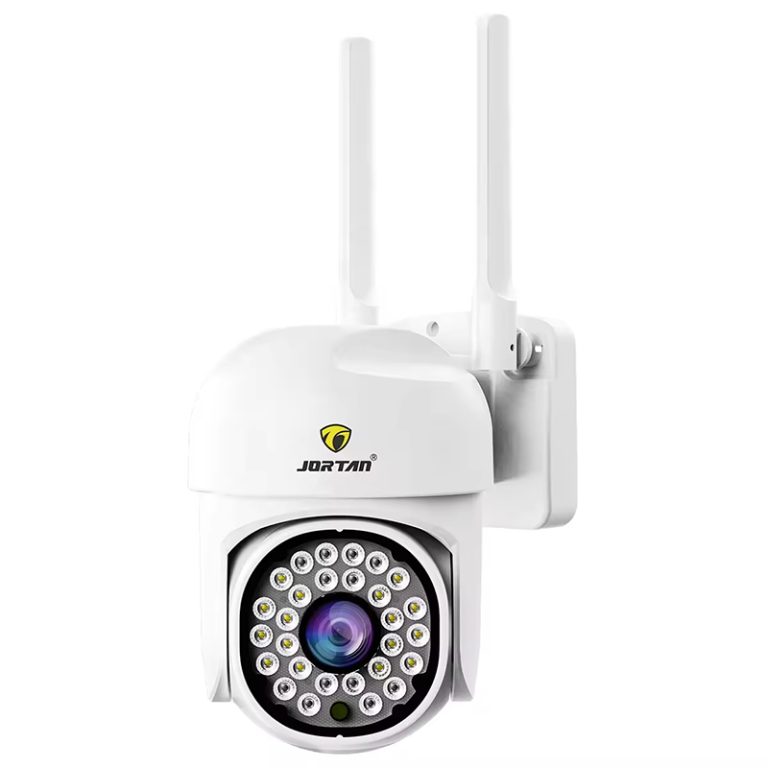
Who Is Jortan, and How Does It Provide a Reliable Network CCTV Camera?
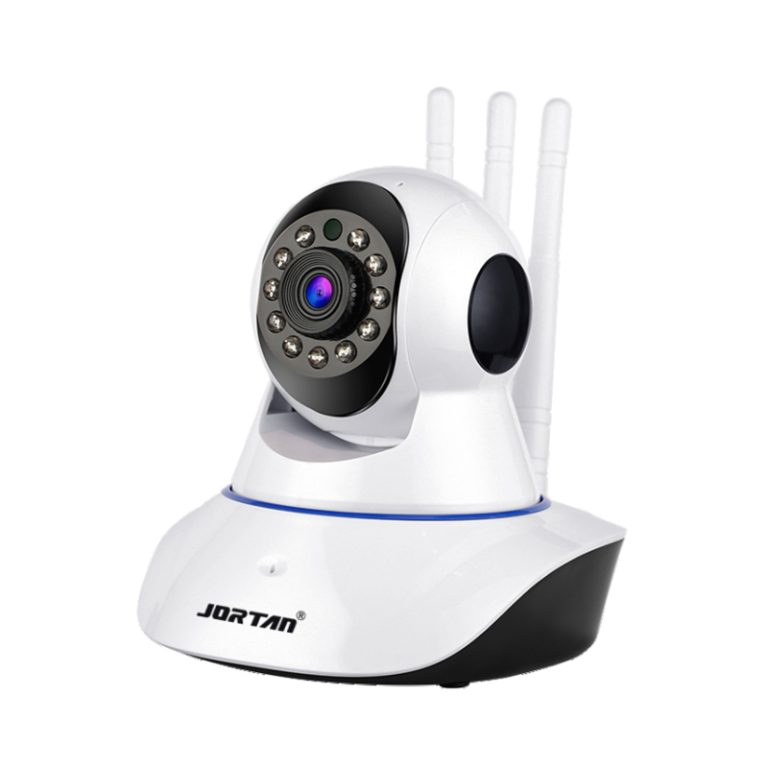
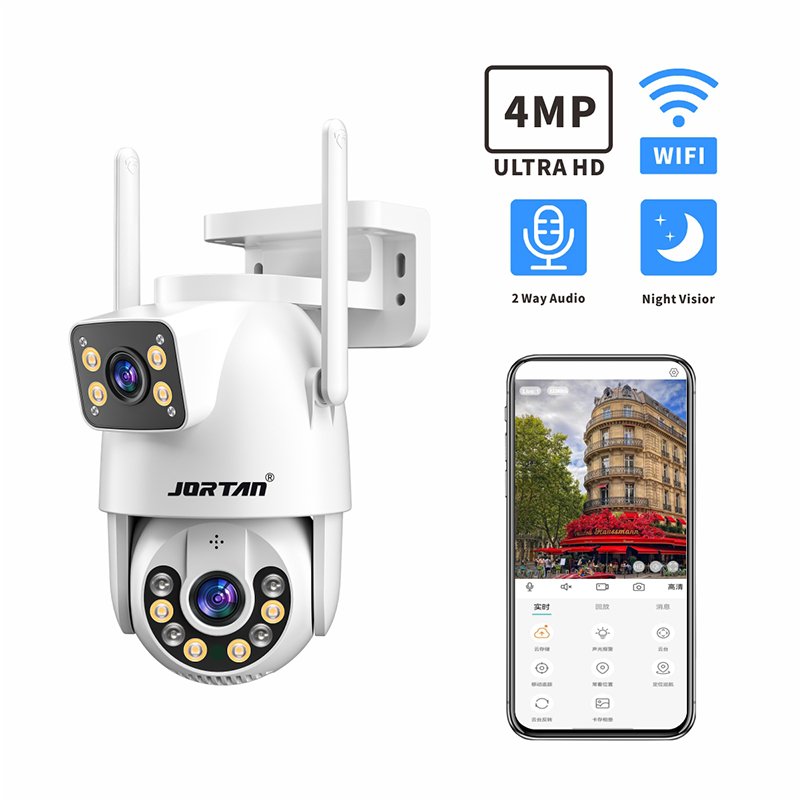
Jortan approaches camera design with a clear architectural priority: operational continuity comes before marketing features. Rather than assuming permanent connectivity, many of our products are designed to normally work under degraded network conditions. A core element of this approach is the inclusion of built-in AP hotspot capability on selected models. This design allows the phone to connect directly to the camera when no external network exists, enabling local live viewing without reliance on routers or cloud services.
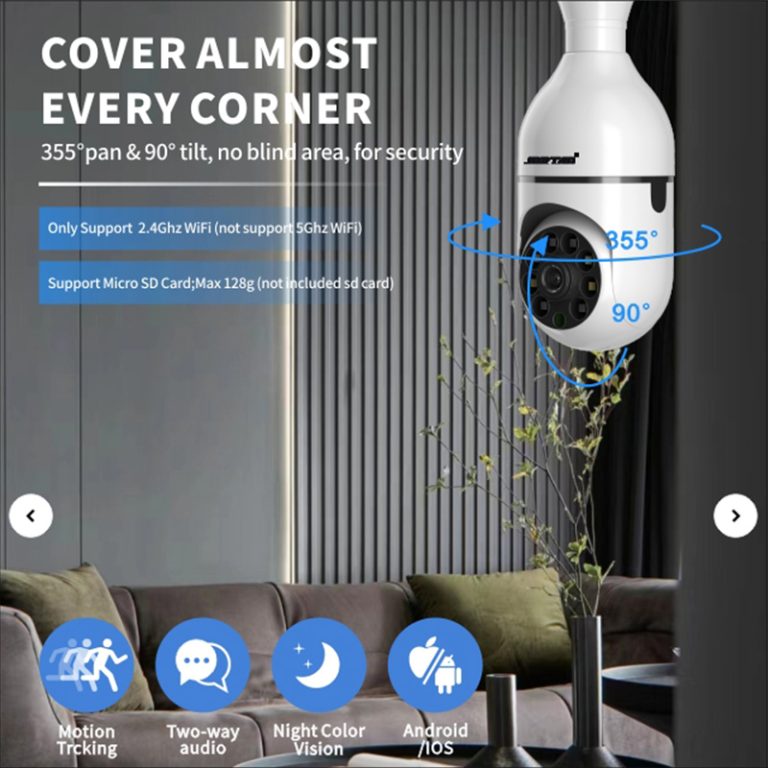
Storage design follows the same principle. Devices support local Micro SD (TF) card recording, allowing continuous capture of video, audio, and images even when the network is unavailable. Footage is retained locally and managed through automatic overwrite cycles, which reduces the risk of evidence loss during prolonged offline periods. Cloud storage remains optional rather than mandatory, functioning as a secondary layer rather than the foundation.
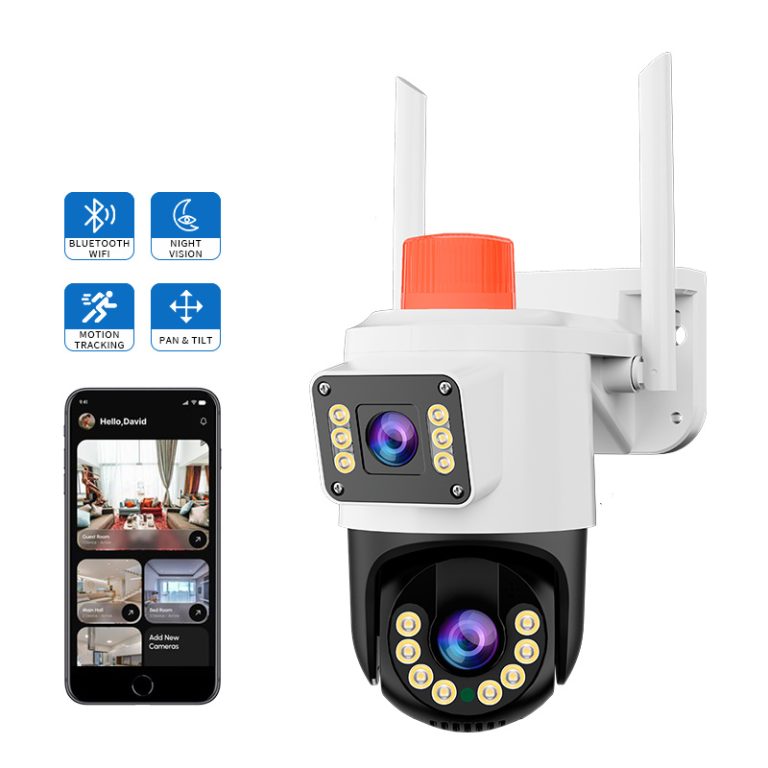
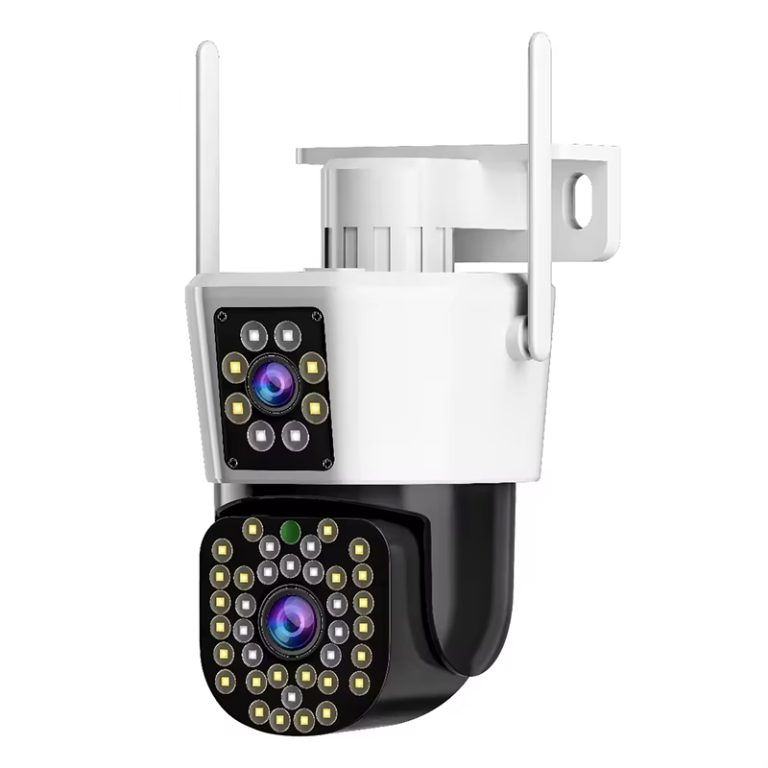
A concrete example of this logic appears in the JT-9697QJ IP camera, which supports local recording, built-in hotspot access, motion-based alerts, and structured storage management. The architecture is designed so that when the network fails, the system degrades gracefully instead of collapsing. That distinction is what separates convenience devices from surveillance systems you can rely on in real operational environments.
Can a camera still record video when the internet is completely unavailable?
The short answer is yes if the device includes true edge storage. Recording is not a cloud function but a local function that depends on the sensor, encoder, and storage medium inside the camera.
Why edge storage architecture keeps surveillance operational even when networks fail
A camera equipped with a TF/SD card slot records directly to local memory. The working process does not require an internet handshake because it is through the sensor, ISP/DSP, encoder, and storage in sequence. When power remains available, recording continues normally.
This architecture provides several practical advantages, including continuous evidence retention during outages, predictable system behavior regardless of router stability, no dependency on external authentication servers, and recovery without data gaps when connectivity resumes.
Many devices document that they “automatically record and store audio, video, and images” to local storage when a memory card is installed, with loop recording to manage capacity. That means even in a complete network blackout, footage remains intact and reviewable once local access is re-established. This is not a premium feature, but the baseline requirement for any surveillance system intended for real environments.
If there is no internet, can you still view the live feed?
Live viewing depends on communication, instead of on the internet itself. If a communication path exists between your phone and the camera, monitoring remains possible.
How the built-in hotspot mode enables direct device-to-phone monitoring
Some cameras implement an internal AP (Access Point) mode. In other words, the device broadcasts its own Wi-Fi signal. The phone connects directly to that signal rather than through a router. This technology creates a short-range, device-to-device network that supports real-time preview, basic control functions, local configuration access, and emergency monitoring when routers fail.
Product documentation explicitly states that “the camera has its own AP hotspot, allowing normal monitoring even without network connection,” provided the phone and device remain within a practical distance (often tested around 20 meters). This design matters in scenarios such as:
- Construction sites with unstable routers
- Warehouses with frequent power cycling
- Temporary installations
- Rural properties without fixed broadband
Without this capability, an offline camera becomes a black box—though it may record footage, you cannot verify system status in real time.
What functions are lost without the internet, and which remain fully operational?
- Connectivity affects convenience features, not the fundamentals of surveillance. Clear separation between core functions and network-dependent features helps you evaluate devices objectively.
Functional separation between core surveillance tasks and network-dependent features
Functions that remain operational offline:
- Video and audio recording to TF/SD card
- Motion or human detection processed on-device
- Local playback (via device or LAN access)
- Live preview through hotspot or local network
- Image capture and storage
Functions that require internet connectivity:
- Remote viewing from other cities or countries
- Cloud backup and cross-device synchronization
- Push notifications to mobile devices
- Remote sharing with external users
- Firmware updates
Manufacturers often promote cloud storage as a safety feature. In practice, local storage preserves evidence first, and the cloud is merely a supplementary convenience. Systems that reverse this priority risk total functional loss during outages.
Why do professional installations avoid relying purely on cloud connectivity?
In professional system design, dependency is treated as risk. Permanent connectivity cannot be assumed in industrial, commercial, or geographically complex environments.
Risk control design — why dependency on permanent connectivity is structurally weak
Networks fail for predictable reasons, which are embodied in router instability, ISP maintenance, power fluctuations, congested bandwidth, and environmental interference.
If a system only records after establishing a cloud connection, each of these events creates a surveillance gap, which is unacceptable in environments where footage may become legal evidence or operational data.
Besides, resilient systems use layered architecture, which is shown that:
- Local capture and storage at the device
- Optional LAN access for internal monitoring
- Optional cloud synchronization when available
This design ensures graceful degradation. When the network fails, you lose remote convenience, not core functionality.
Which type of camera architecture best suits sites with unstable or no internet?
When connectivity is unreliable, selection criteria must prioritize autonomy over convenience.
Why hybrid local-first architectures offer higher operational certainty
Devices best suited for unstable environments typically share several traits:
- Built-in hotspot for direct access
- TF/SD card local storage
- On-device detection algorithms
- Predictable behavior during disconnection
- Simple re-synchronization when online again
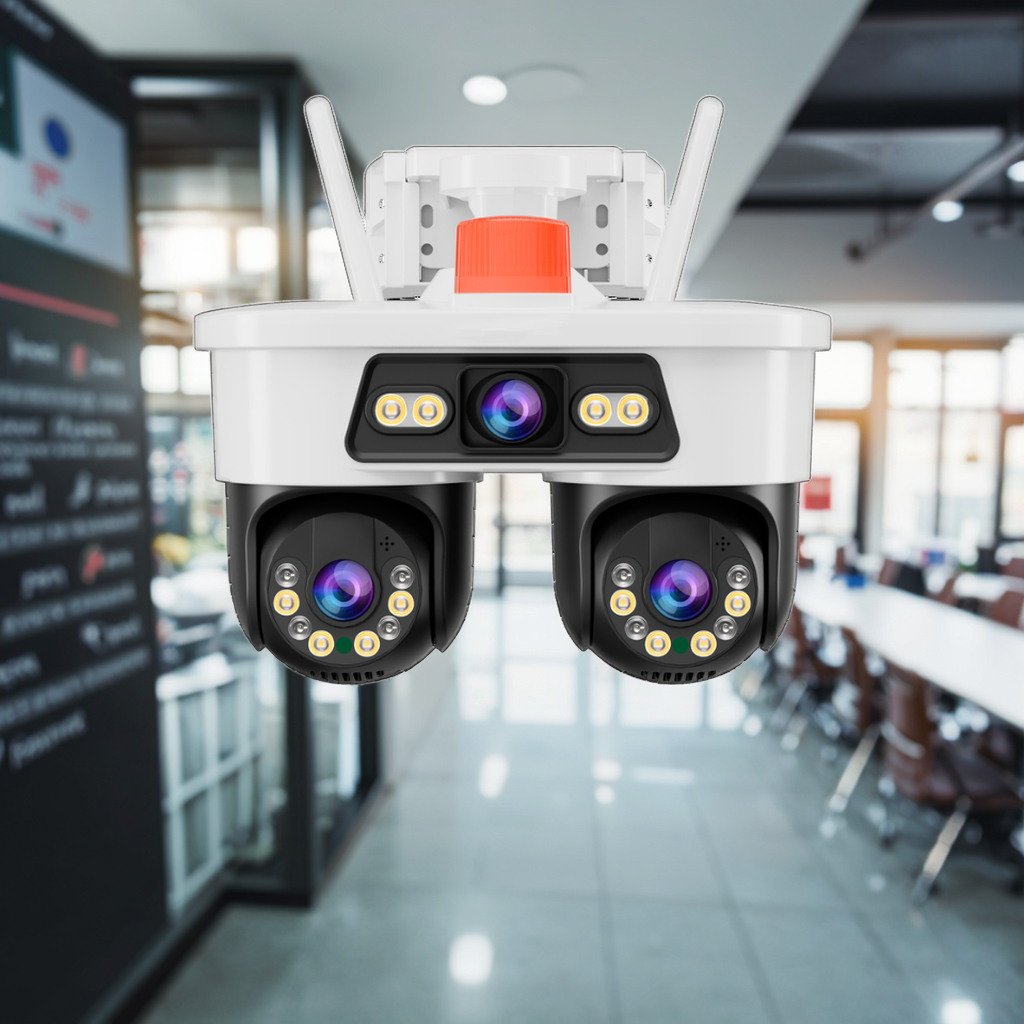
This logic is applied in products such as the Jortan 8 network IP camera, which combines local recording, intelligent detection, and flexible access methods rather than forcing dependence on permanent cloud connectivity. This architecture aligns well with real-world deployment conditions, where power and networks are rarely as stable as product marketing suggests.
Such designs are especially suitable for warehouses and logistics centers, remote homes or farms, temporary construction projects, retail spaces with unstable broadband, and small industrial sites without IT teams.
How should you design a surveillance system when connectivity cannot be guaranteed?
System design should begin with a simple assumption—the network will fail eventually.
Practical design principles for offline-tolerant monitoring environments
To build a system that behaves predictably under real conditions, the following principles should be followed:
1. Prioritize local storage
Always ensure each critical camera can record independently to on-device memory.
2. Verify hotspot or LAN access paths
Confirm that you can access live view locally without cloud login.
3. Treat cloud as an enhancement, not a foundation
Use cloud features for backup and convenience, not for basic operation.
4. Select devices with documented offline behavior
Do not rely on assumptions. Verify that hotspot mode, local recording, and loop storage are explicitly supported.
5. Design for graceful degradation
When the internet disappears, your system should lose convenience—not function.
This approach can reduce operational risks instead of increasing complexity.
Conclusion
A CCTV camera can absolutely function without internet access, but it is designed on the basis of the fact that the architecture supports running independently. The real issue is not whether offline operation is possible, but whether the device was designed with that scenario in mind.
Systems that prioritize local recording, device-level access, and predictable behavior maintain their purpose under adverse conditions. Systems that depend entirely on cloud connectivity collapse when reliability matters most. If you evaluate cameras through this lens, the distinction between marketing features and structural reliability becomes immediately clear.
FAQs
Q1: Can a CCTV camera still record if both Wi-Fi and mobile data are unavailable?
A: Yes. If the camera supports TF/SD card local storage, it will continue recording normally as long as power is available. Internet connectivity is not required for local capture.
Q2: How can you view live footage without internet access?
A: Cameras equipped with built-in hotspot (AP mode) allow your phone to connect directly to the device’s Wi-Fi. This enables short-range live viewing and basic control without any router or cloud connection.
Q3: Is cloud storage necessary for reliable surveillance?
A: No. Reliability comes from local recording and predictable device behavior. Cloud storage is useful for remote access and backup, but it should function as an additional layer rather than the foundation of the system.