Security cameras can be seen almost anywhere now—big warehouses, farm fields, small neighborhood shops, even newly built homes. People are no longer happy with just a basic unit; they expect something more advanced, tougher, and simpler to control. This is why so many turn to PTZ cameras. PTZ means pan, tilt, and zoom, and the idea is straightforward: one camera can sweep across angles, tilt up or down, and zoom close to catch the fine details. The real question many ask is whether a single PTZ can honestly replace several fixed cameras without leaving empty spots.
For global buyers, the choice is not only about the camera itself. They also want a partner with size, strong service, and a wide product line. Jortan has managed to stand out here. The company is based in Yiwu with more than 30,000 square meters of production space, bringing research, building, and after-sales into one system. On their about page, they explain a simple principle: quality first, customer first, and steady growth. Many overseas clients like that they can request tailored changes through OEM and ODM, since each market has its own needs. Add in direct support, open feedback, and quick contact channels, and the cooperation feels steady. It is less about chasing one-off sales and more about building long-term trust, which explains why so many clients keep coming back.

What Are PTZ Pan Tilt & Zoom Cameras?
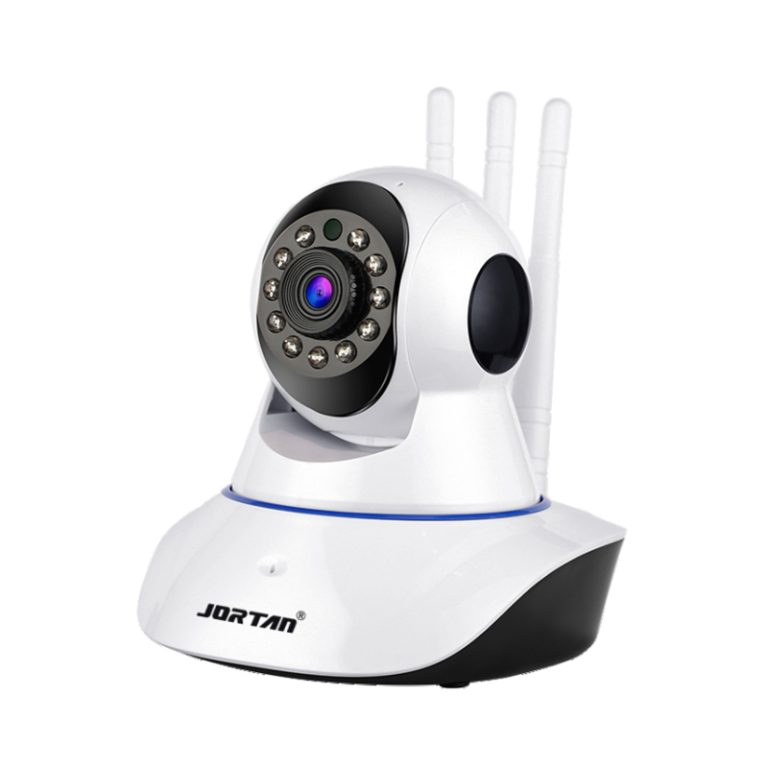
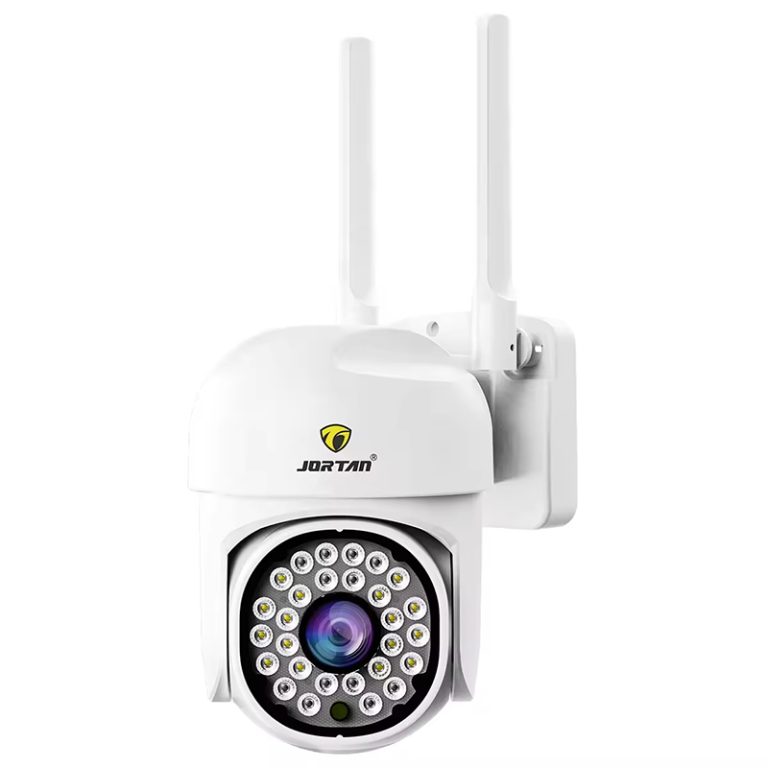
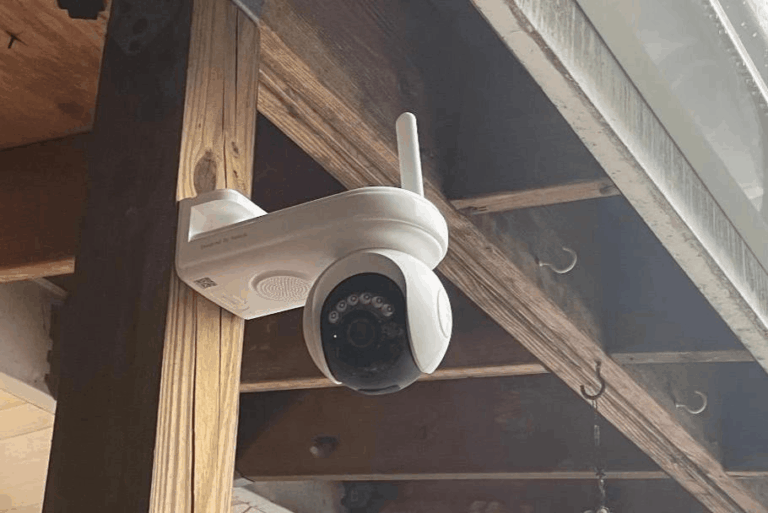
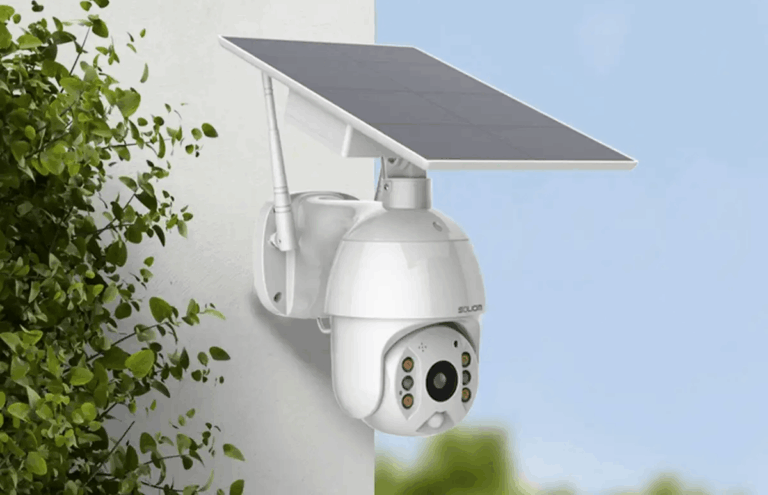
PTZ cameras combine three movements: they rotate horizontally, tilt vertically, and zoom optically or digitally. Unlike fixed cameras that only capture one angle, PTZ devices adapt to different scenes. You can cover wide spaces, track moving people, and focus on license plates or facial details without installing multiple units.
Definition and Basic Working Principle
A PTZ camera relies on sensors, motors, and a zoom lens to shift its viewpoint. Once connected to a mobile app, you can tap on the screen to move the camera instantly. This is often called “point to view.” Instead of static watching, you get active monitoring.
Key Differences vs Fixed Cameras
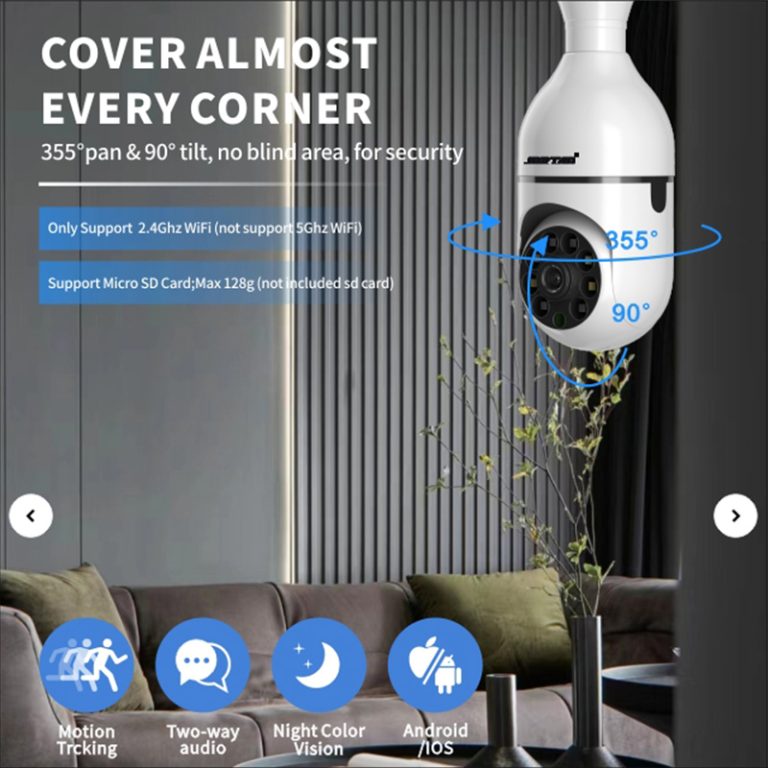
Fixed cameras are cheaper and simpler, but they cannot move. To cover one parking lot, you may need four or five fixed cameras. A PTZ with 355° horizontal rotation and 90° vertical tilt can replace them, giving you fewer blind spots. Some models also use 2D and 3D noise reduction with wide dynamic range, which means clearer images even at night.
Typical Application Scenarios
These cameras work in places where you expect both wide coverage and detail checks. Think of a warehouse entrance, a farm with several gates, or a large supermarket. Instead of switching between feeds, you can just control one PTZ to follow the action.
Why Do Buyers Consider PTZ Cameras Instead of Multiple Fixed Cameras?
Price and complexity drive the choice. Running wires for four or five devices is not only costly but also time-consuming. PTZ cameras cut down on installation time and long-term maintenance.
Cost Efficiency and Installation Savings
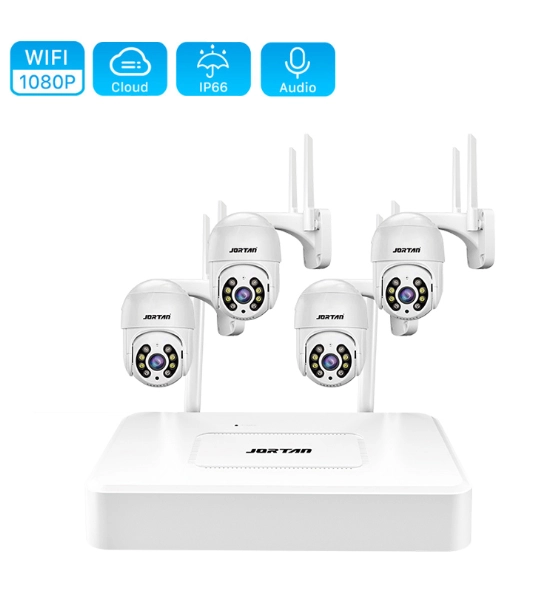
Fewer cameras mean fewer cables, fewer power supplies, and less setup time. Some wireless kits, like the JT-8276-4PXM, already come as a package. One host connects to multiple units wirelessly, so you can place them across different areas such as courtyards, orchards, or fishponds.
Wider Coverage and Flexible Monitoring
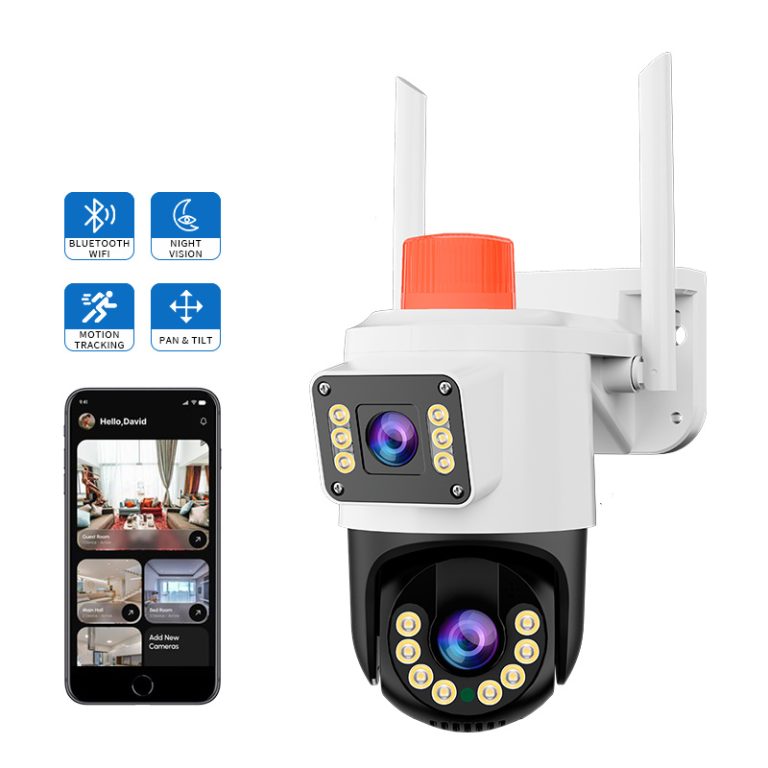
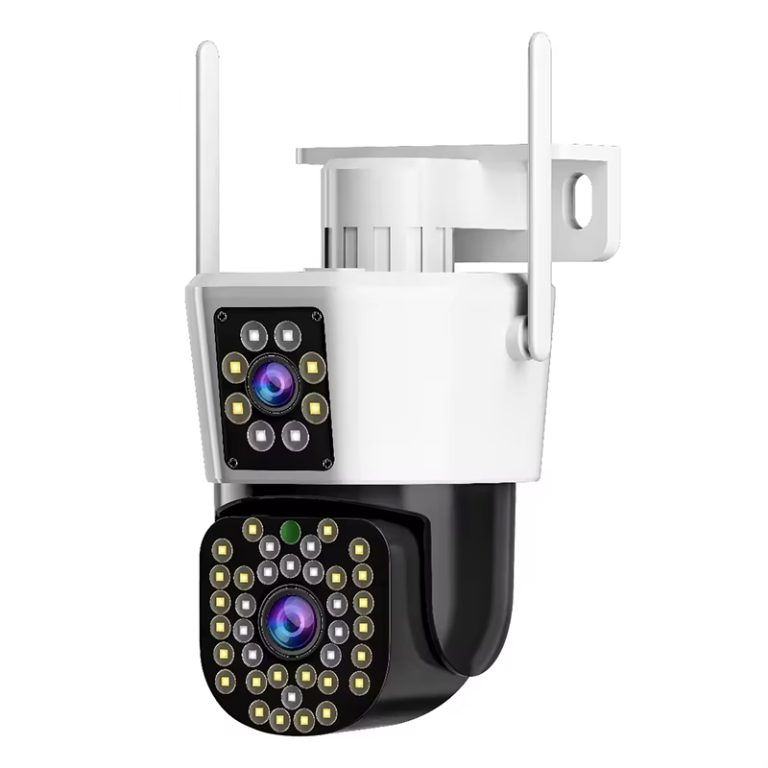
Instead of buying three fixed cameras for three corners, one PTZ rotates to cover all. Models with dual lenses even monitor two directions at once. This kind of flexibility is difficult to match with ordinary cameras.
Smart Functions and Remote Control
Modern PTZ cameras include AI features. Human-shape detection reduces false alarms, and tracking functions follow a person through the frame. You get alerts pushed directly to your phone, no matter where you are.
Can One PTZ Camera Cover the Same Area as Several Fixed Units?
Coverage is the main selling point. A single PTZ camera may look expensive at first glance, but it gives you a full scene without blind spots.
360° Rotation and Long Distance Zoom
Some models rotate endlessly, and when paired with 8x or more hybrid zoom, you can check details from 15 meters away or more. For outdoor yards or parking areas, that means one PTZ can watch everything.
Dual Screen or Multi Angle Monitoring
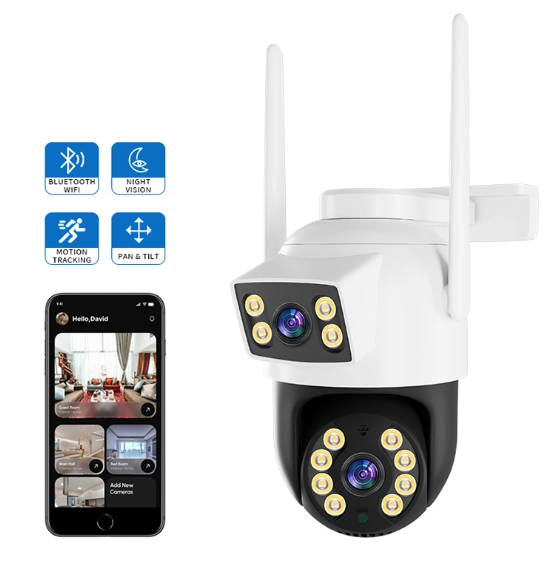
Certain models show two images at the same time, one for the panorama and one zoomed in for details. This dual-screen preview brings near and far into one frame.
Human Shape Tracking and AI Detection
With AI algorithms, the camera locks onto a person and zooms in automatically. You no longer worry about missing evidence, as the path is recorded clearly. This is what makes PTZ a real alternative to several static units.
How Do Jortan PTZ Cameras Provide Real Value for Global Buyers?
Products stand out when they combine multiple features in one. Two examples highlight the difference.
JT-8695PRO with Dual Lens Intelligent Tracking
The JT-8695PRO is designed for outdoor monitoring. It uses dual lenses to cover both panorama and close-up. Human-shape intelligent tracking records movements and zooms in for evidence. With IP66 waterproof housing and H.265 compression, it balances clarity with storage savings.
JT-8276-4PXM Wireless Monitoring Kit for Flexible Use
This kit includes several ball cameras linked to a wireless host. It works well for farms, orchards, and courtyards where cables are difficult to lay. It supports both wired and wireless connections, humanoid detection, and remote mobile monitoring.
OEM and ODM Options for Market Customization
Buyers in different regions face different needs. Some want solar power, others need strong night vision. Through OEM and ODM, you can adapt these PTZ products for your own market without waiting months for redesign.
Are PTZ Cameras Reliable Enough for Continuous Security?
Surveillance only works if the system runs day and night. PTZ cameras add weatherproofing and smart storage to stay reliable.
IP66 Waterproof and All Weather Protection
Outdoor units use durable shells tested in rain, dust, and heat. High temperature tests run 7×24 hours to confirm stability.
Advanced H.265 Compression and Stable Connectivity
Video is compressed into smaller sizes without losing clarity, saving bandwidth and storage. With WiFi or 4G options, the signal stays stable across different regions.
24/7 Operation with Cloud and Local Storage
Most models support TF cards up to 128GB or more, while also backing up to the cloud. Even if one device is damaged, recordings stay safe.
What Do International Buyers Gain from Choosing Jortan?
When you choose a supplier, product quality is only part of the story. Long-term service is just as important.
Factory Strength and 30000㎡ Production Base
A large-scale production base means steady output and stable quality. You avoid delays common with small factories.
One Stop OEM ODM Support and Fast Service
From design to after-sales, the process is smooth. When your market asks for changes, you get answers without long waiting.
Global Cooperation and Long Term Partnership
Instead of focusing on short-term sales, the company builds partnerships. Open feedback channels and fast contact replies create trust.
Can PTZ Cameras Become the Future Standard of Surveillance?
Technology trends show strong growth. Buyers from both consumer and industrial markets look for smarter, fewer devices that do more.
Integration with AI Smart Detection
Face recognition, vehicle detection, and AI narration are already part of the upgrade path. Cameras now describe what happens instead of just recording.
Versatility Across Home, Business, and Industrial Security
From a small store to a city road, PTZ cameras adapt. The same device can follow a child indoors, watch a parking lot, or secure a farm.
Growing Market Demand and Technology Trends
With global demand rising and Chinese suppliers holding strong positions in supply chain and R&D, PTZ cameras are on their way to becoming a default choice.
FAQ
Q1: Can one PTZ camera really replace four fixed cameras?
A: In many cases, yes. With wide rotation and long zoom, one PTZ covers the same area as several fixed units.
Q2: Are PTZ cameras difficult to install?
A: Most models connect wirelessly. Some even support plug-and-play setups, which makes installation faster than multiple fixed cameras.
Q3: How do PTZ cameras reduce false alarms?
A: They use AI human-shape detection to filter out pets, shadows, or small objects.